Why Size Changes Which Diseases a Poodle Gets
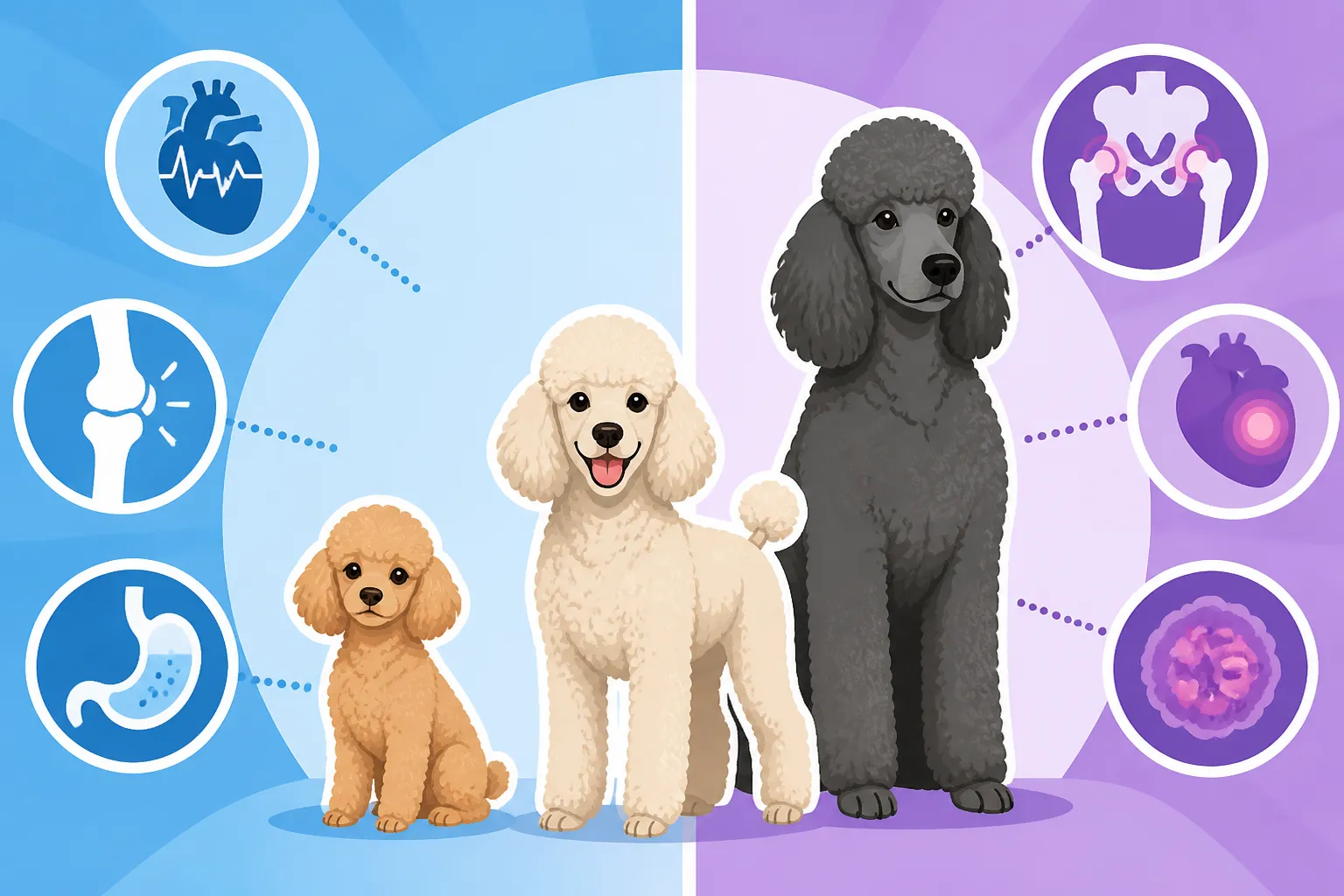
It’s easy to look at the elegant Poodle and think they're all just different sizes of the same dog, facing the same health challenges. But this couldn't be further from the truth. The reality is, the very size differences that make Standard, Miniature, and Toy Poodles unique also dictate a surprisingly distinct set of health predispositions. Many owners are blindsided by this, expecting a "Poodle disease" when their specific size variety has its own unique vulnerabilities. This guide will delve into why a Poodle's size fundamentally alters its health landscape, preparing you for what to watch out for.
The Fundamental Link Between Poodle Size and Physiology
When you think about the differences between a majestic Standard Poodle and a dainty Toy Poodle, it’s not just about height and weight. These size variations are rooted in significant physiological distinctions that influence everything from skeletal development to metabolic processes. Ignoring these fundamental differences means missing crucial insights into their health. Understanding why size changes which diseases a Poodle gets is the first step toward truly informed care.
Skeletal Structure and Joint Stress
Imagine the forces at play on a dog's joints. A Standard Poodle, weighing anywhere from 40 to 70 pounds or more, places immense stress on its hips and elbows with every run, jump, and even just standing. Their larger, heavier bones are designed for strength, but also carry the burden of their size. This means conditions like hip dysplasia or elbow dysplasia, while present across breeds, manifest differently and are often more impactful in larger Poodles. The wear and tear over a long lifespan, especially if a puppy grows too quickly or isn't adequately supported in its early months – perhaps if you're wondering whether a Poodle puppy should jog – can accelerate joint degradation.
Conversely, a tiny Toy Poodle, often weighing under 10 pounds, has a far more delicate skeletal structure. Their bones are finer, their joints smaller, and while they aren't dealing with the same gravitational stress, they are susceptible to conditions related to fragility or malformation. Think of a tiny, intricate clock versus a sturdy grandfather clock – both functional, but built with entirely different tolerances and points of failure. This is why conditions affecting smaller joints, like the kneecaps, are so prevalent in the smaller varieties.
Metabolic Rates and Organ Function
Metabolic rate, the speed at which the body converts food into energy, also varies significantly with size. Smaller dogs generally have higher metabolic rates than larger dogs. For Toy Poodle puppies, this can mean a susceptibility to conditions like hypoglycemia, or low blood sugar, because their tiny bodies burn through glucose at an alarming rate, especially if they skip meals or are stressed. Their small body mass means they have less stored energy to draw upon in a pinch. This metabolic peculiarity requires careful attention to feeding schedules and prompt action if signs of low blood sugar in a toy Poodle puppy appear.
On the other hand, larger Poodles, while not typically prone to acute hypoglycemia after puppyhood, have different metabolic challenges. Their organ systems are working on a larger scale, processing more food and fluids. This can influence the development of autoimmune diseases or issues with organ systems that are stressed by maintaining a larger body, such as the adrenal glands in Addison's disease. The sheer volume of blood flow and cellular activity in a larger dog can also create different physiological environments for disease to take hold.
Anatomical Proportions and Specific Vulnerabilities
Beyond general size, specific anatomical proportions that come with being a Standard, Miniature, or Toy Poodle create unique vulnerabilities. Take the deep, narrow chest of many Standard Poodles. This specific conformation, while elegant, is a well-known risk factor for bloat, or gastric torsion, a life-threatening condition where the stomach twists. Understanding this anatomical predisposition is critical for any Standard Poodle owner, as emergency signs of Poodle bloat require immediate action.
For the smaller varieties, their delicate features also come with trade-offs. Toy Poodles often have more fragile windpipes and smaller mouths. This makes them prone to conditions like collapsing trachea, which causes a distinctive honking cough, and also makes them far more susceptible to severe dental disease at an earlier age compared to their larger cousins. Their small jaws can be crowded, leading to retained baby teeth and increased plaque buildup, underscoring why Poodle dental disease by size is a crucial topic. These aren't just minor differences; they are literally life-changing, and potentially life-threatening, variations that come directly from their size.
Health Challenges Predominantly Affecting Larger Poodles
Standard Poodles, with their impressive stature and athletic build, are generally robust dogs. However, their size and genetic history make them particularly susceptible to a few significant health concerns that are less common, or present differently, in Miniature and Toy Poodles. Being aware of these specific risks allows owners to be proactive and informed advocates for their big, curly companions.
Deep Chest, Bloat, and Gastric Torsion
The deep-chested conformation, so characteristic of the Standard Poodle, is unfortunately a significant risk factor for Gastric Dilatation-Volvulus (GDV), more commonly known as bloat. This is a sudden, life-threatening condition where the stomach fills with gas and can twist, cutting off blood supply. It's an emergency that requires immediate veterinary intervention. Owners of Standard Poodles often worry about this. They learn to recognize the subtle signs like unproductive retching, distended abdomen, or restlessness, knowing that every minute counts. Whether a Standard Poodle should have a gastropexy, a preventative surgery to tack the stomach to the abdominal wall, is a serious consideration for many owners, weighing the cost and invasiveness against the deadly risk of bloat. This is one of those conditions where a larger size directly translates to a higher risk.
Many large-breed owners also adjust feeding habits that raise Poodle bloat risk, like avoiding elevated bowls and ensuring a calm eating environment. While no guarantee, these preventative measures are born out of a deep understanding of the physiological risks associated with the Standard Poodle's specific build.
Autoimmune Conditions and Genetic Bottlenecks
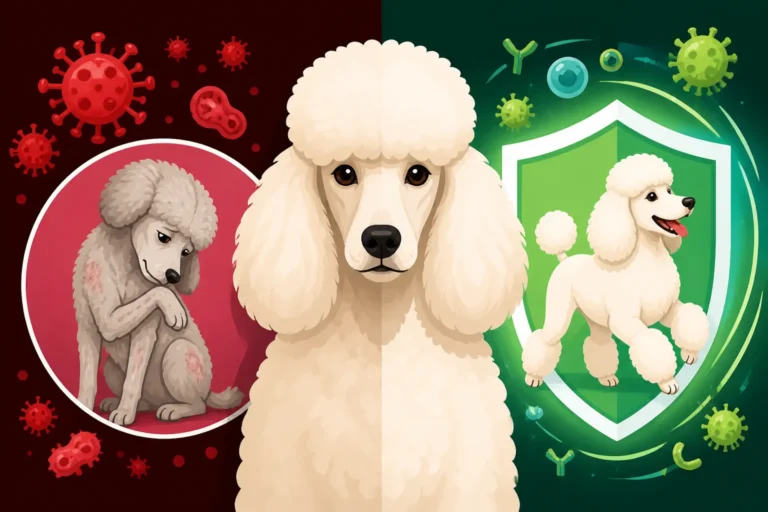
Standard Poodles have a known predisposition to certain autoimmune diseases, with Addison's disease being one of the most prominent. This condition, where the adrenal glands don't produce enough crucial hormones, can manifest with vague, intermittent symptoms, earning it the nickname "the great pretender." You might observe lethargy, vomiting, diarrhea, or a general "off" feeling that can easily be mistaken for a stomach upset or even sulking. Diagnosing Addison's in a Standard Poodle often requires specific tests, and once confirmed, it requires lifelong treatment.
This predisposition is thought to be tied to the genetic history of the breed, particularly the narrowing of the Standard Poodle gene pool at certain points, leading to a higher prevalence of certain genetic markers for autoimmune conditions. Another significant autoimmune skin condition seen in Standard Poodles is Sebaceous Adenitis, which affects the sebaceous glands and can lead to dry, scaly skin and hair loss, often showing up as early sebaceous adenitis on a Poodle's topknot or along the back. These conditions are not necessarily exclusive to Standard Poodles but are seen with a notably higher frequency in this size variety compared to their smaller counterparts.
Large Breed Orthopedic Concerns
Just as larger dog breeds, in general, are more prone to certain orthopedic issues due to their weight and growth rates, Standard Poodles can also face these challenges. Hip dysplasia, a condition where the hip joint doesn't form correctly, can lead to pain, arthritis, and lameness. While genetic screening by reputable breeders aims to reduce its incidence, it remains a concern. Similarly, elbow dysplasia, another developmental abnormality, can affect Standard Poodles.
The fast growth phase of a Standard Poodle puppy also makes them vulnerable to certain bone and joint issues if not managed carefully. Over-exercise, especially high-impact activities, during their formative months can put undue strain on their developing skeletal system. This is a topic often discussed in relation to Poodle hip dysplasia by size, as the larger varieties naturally carry more mass, which puts more strain on their developing joints over time. For owners, this means being mindful of appropriate exercise levels and feeding a diet formulated for large breed puppies to ensure slow, steady growth.
Distinct Health Risks for Miniature and Toy Poodles
While Standard Poodles have their unique challenges, their smaller cousins, the Miniature and Toy Poodles, come with an entirely different set of predispositions, largely dictated by their petite frames and delicate structures. These conditions often require a different approach to care and a heightened awareness of their specific vulnerabilities.
Delicate Bones and Patellar Instability
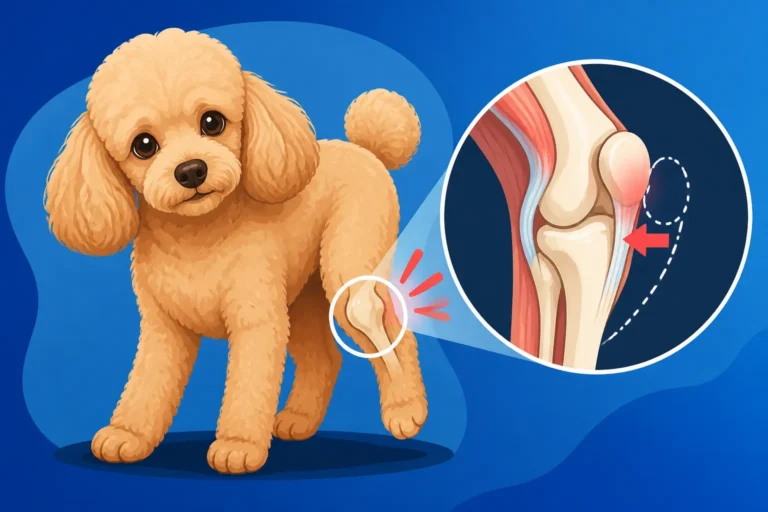
For Miniature and especially Toy Poodles, orthopedic issues often center around smaller, more delicate structures. Luxating patella, where the kneecap slips out of place, is incredibly common. It can be a minor inconvenience, causing a skip in their step, or it can be a painful, debilitating condition requiring surgical correction. Grades of patellar luxation in a Toy Poodle range from mild to severe, and owners often notice their tiny Poodle suddenly holding a back leg up for a few steps before it pops back into place. This is a direct consequence of their small, often shallow knee joints and the ligaments surrounding them.
Another less common but severe orthopedic issue seen in small breeds, including Toy Poodles, is Legg-Calve-Perthes disease. This condition involves the spontaneous degeneration of the head of the femur bone in the hip joint, leading to pain and lameness. Again, the delicate nature of small breed bone structure plays a role in these types of developmental issues. These are the kinds of conditions that make pet insurance, such as through Healthy Paws, a really practical consideration for Toy Poodle owners, as surgeries for these issues can be quite costly.
Tracheal and Dental Vulnerabilities
The tiny airways of Toy Poodles make them particularly prone to collapsing trachea. This condition, where the cartilage rings of the windpipe weaken and flatten, can lead to a characteristic "honking" cough, especially when excited, pulling on a leash, or drinking water too quickly. It's a scary sound for owners and can range from mild irritation to severe respiratory distress. Managing a Toy Poodle's trachea without surgery often involves weight management, avoiding neck pressure (hence the push for harnesses over collars), and environmental controls. The anatomical reality of their smaller, more delicate tracheas directly translates to this increased risk.
Furthermore, small Poodles are notoriously susceptible to dental problems. Their tiny mouths often struggle to accommodate all 42 adult teeth, leading to crowding. This crowding, combined with their smaller teeth surfaces, makes them magnets for plaque and tartar buildup, which can quickly escalate to severe periodontal disease, infections, and early tooth loss. Why small Poodles lose teeth early is a common question, and it largely comes down to these anatomical constraints. Regular dental care, including brushing and professional cleanings, is paramount for these little ones, often starting from a very young age.
Metabolic Peculiarities in Small Breeds
We touched upon hypoglycemia earlier, but it truly warrants a deeper dive for Toy Poodles. Their high metabolism and small body mass mean that a skipped meal or prolonged period without food can quickly deplete their glucose reserves, leading to dangerously low blood sugar. This is especially true for young puppies, making early signs of low blood sugar in a Toy Poodle puppy something every owner must know. A crashing Toy Poodle requires immediate intervention, often with a quick source of sugar like corn syrup or glucose gel rubbed on their gums, followed by a vet visit. This metabolic quirk is almost exclusively a small breed concern and is rarely, if ever, seen in adult Standard Poodles.
Another aspect is their sensitivity to medications. Dosing medication for a four-pound Poodle requires extreme precision, as their tiny bodies can be easily overwhelmed by dosages that would be perfectly safe for a larger dog. Even routine vaccinations need careful consideration, with vets often spacing shots for a two-pound Toy Poodle to avoid overwhelming their small systems. This sensitivity highlights the need for a vet experienced with small breeds, recognizing their unique physiological responses.
Why Understanding Size-Specific Risks Empowers Poodle Owners
Recognizing that Poodle size directly correlates with distinct health risks isn't just an interesting fact; it's a fundamental aspect of responsible Poodle ownership. It empowers you to be a proactive advocate for your dog's well-being, making informed decisions that can genuinely impact their quality of life and longevity. This deep understanding means less guesswork and more targeted care, which ultimately saves stress, worry, and often, significant expense.
Informed Prevention and Early Detection
When you know your particular Poodle variety's predispositions, you can tailor your preventative care strategies. For example, if you own a Standard Poodle, you'll be extra vigilant for signs of bloat and discuss preventative measures like gastropexy with your vet. You might also be more attuned to subtle behavioral changes that could signal the onset of Addison's disease, leading to earlier diagnosis and treatment. Conversely, a Toy Poodle owner will prioritize harness use to protect their dog's trachea and meticulously maintain dental hygiene from puppyhood to combat early tooth loss.
This knowledge also means you can discuss specific concerns with your veterinarian more effectively. Instead of vague questions about "Poodle health," you can ask about specific screenings or preventative measures relevant to Why size changes which diseases a Poodle gets. This collaboration with your vet, based on informed awareness, is key to catching potential issues early when they are often most treatable. For instance, knowing the potential for luxating patella means you might ask your vet to specifically check knee stability during routine exams, rather than waiting for obvious lameness.
Tailored Veterinary Care and Insurance Choices
Armed with information about size-specific risks, you can make smarter choices about veterinary care and even pet insurance. When choosing a policy, like those offered by Healthy Paws, knowing that your Standard Poodle might face a higher risk of bloat or Addison's disease might lead you to compare coverage for these specific conditions. Similarly, a Toy Poodle owner might prioritize coverage for orthopedic surgeries like patellar luxation repair or extensive dental care. This targeted approach to insurance can provide invaluable peace of mind when facing potentially costly treatments.
Moreover, it guides your general approach to daily care. Understanding Poodle lifespan across the three sizes and the common ailments associated with each can help you anticipate future needs. For instance, as a Toy Poodle ages, knowing about their predisposition to dental issues means you'll prioritize regular cleanings to prevent chronic pain and infection. For an aging Standard Poodle, regular bloodwork to monitor for thyroid disease or kidney values becomes even more critical given their predisposition to certain systemic issues.
The table below summarizes some of the key health differences between the Poodle varieties:
| Health Condition | Predominant Poodle Size Affected | Key Symptoms | Typical Management/Prevention |
|---|---|---|---|
| Gastric Dilatation-Volvulus (Bloat) | Standard Poodle | Distended abdomen, unproductive retching, restlessness | Gastropexy, slow feeding, controlled exercise |
| Addison's Disease | Standard Poodle | Lethargy, vomiting, diarrhea, weight loss | Lifelong medication (hormone replacement) |
| Hip/Elbow Dysplasia | Standard Poodle | Lameness, stiffness, pain | Responsible breeding, controlled growth, supplements |
| Sebaceous Adenitis | Standard Poodle | Dry skin, scaling, hair loss, dull coat | Topical treatments, oil soaks, immune modulators |
| Luxating Patella | Miniature & Toy Poodles | Skipping steps, lameness, pain in knee | Weight management, surgical correction |
| Collapsing Trachea | Toy Poodle | Honking cough, difficulty breathing | Harness use, weight management, medication |
| Hypoglycemia | Toy Poodle (especially puppies) | Weakness, tremors, lethargy, seizures | Frequent small meals, emergency sugar gel |
| Dental Disease | Toy Poodle | Bad breath, red gums, loose teeth, pain | Daily brushing, professional dental cleanings |
| Legg-Calve-Perthes | Toy Poodle | Lameness, pain in hip, muscle atrophy | Surgical removal of femoral head |
Being a Poodle owner, regardless of size, is a journey filled with love and dedication. By acknowledging and preparing for the distinct health pathways each size variety tends to follow, we ensure our Poodles receive the most targeted and effective care possible. It's about respecting their unique physiological blueprint, rather than treating all Poodles as one-size-fits-all.
Disclaimer
This article provides general information and is not a substitute for professional veterinary advice. Always consult with a qualified veterinarian for any health concerns or before making any decisions about your Poodle's medical care.