What Inbreeding Did to Standard Poodle Immunity
It's a tough pill to swallow when you realize that the very traits we love in Standard Poodles – their elegance, their intelligence, their signature look – might also be connected to some of their most challenging health struggles. Many devoted owners find themselves navigating complex autoimmune diseases, often feeling blindsided and heartbroken. This guide will walk you through the historical breeding practices, specifically inbreeding, that have unfortunately contributed to a narrowing of the Standard Poodle gene pool and, consequently, impacted their immune system resilience.
The Unseen Costs of Breed Popularity: Understanding Inbreeding
When a breed becomes popular, or when breeders intensely focus on achieving a very specific look or temperament, there's a risk of what we call a "genetic bottleneck." Imagine trying to fill a large bottle with water, but only allowing a tiny trickle through a narrow opening. That's essentially what happens when the genetic diversity of a population becomes severely limited. For our beloved Standard Poodles, this wasn't an intentional act of harm, but rather a byproduct of intense selection for specific traits and, tragically, a limited number of foundation dogs after major historical events.
A Look Back at the Poodle's Genetic Bottleneck
The Poodle, in its various sizes, has a rich history, but the Standard Poodle, in particular, saw a surge in popularity and refinement in the mid-20th century. After World War II, there was a drive to standardize breeds and solidify their characteristics. This often meant using a relatively small number of highly successful dogs as foundational stock. When these champion dogs were repeatedly bred, especially with their relatives (a practice known as inbreeding), their desirable traits became more consistent and predictable in the offspring. Everyone wanted puppies that looked just like the current show winner, or had that famous stable temperament.
However, this consistency came at a steep price. By focusing on a limited gene pool, breeders inadvertently reduced the overall genetic diversity of the breed. It was like putting all your eggs in one basket – you get a very uniform result, but you also amplify any inherent weaknesses present in that limited genetic material. The consequences of this over time have been profound, especially for the Standard Poodle's ability to maintain a robust and well-regulated immune system.
What Inbreeding Actually Does to Genes
At its core, inbreeding dramatically increases something called homozygosity. In simple terms, genes come in pairs, one from each parent. When a dog is homozygous for a particular gene, it means both copies of that gene are identical. Inbreeding makes it far more likely for a puppy to inherit identical copies of genes from both parents, because those parents share a more recent common ancestor. While this can 'fix' desirable traits – ensuring a consistent coat texture or ear set, for example – it also 'fixes' less desirable traits, including those that can predispose a dog to illness.
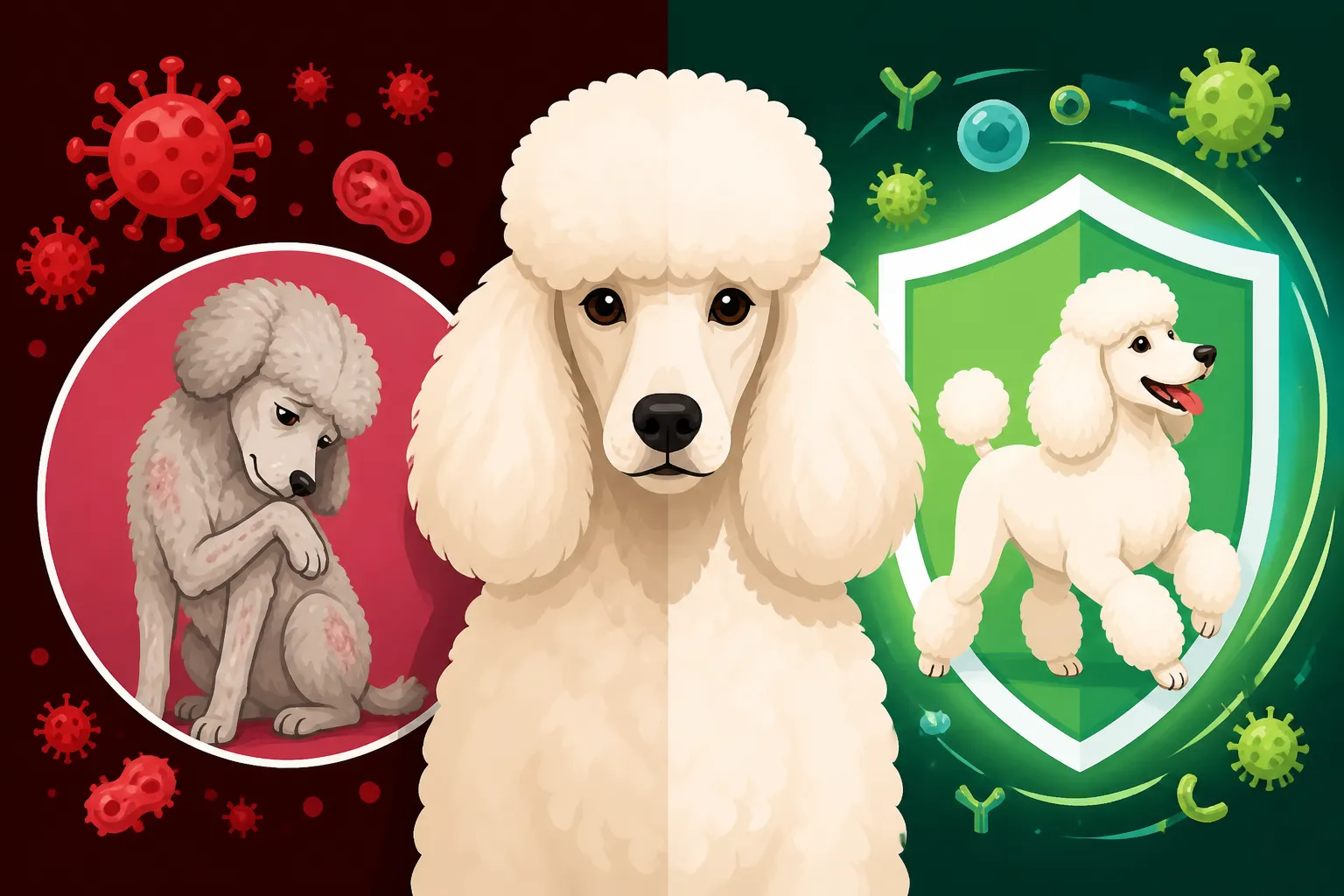
Think of an immune system as a sophisticated army with many different types of soldiers, each designed to recognize and fight a specific type of invader. The more diverse your army (your genes), the wider the range of threats it can identify and neutralize effectively. When inbreeding increases homozygosity, it reduces the variety of "soldiers" in the immune system's arsenal, especially in crucial areas like the Major Histocompatibility Complex (MHC) genes, which are responsible for distinguishing between the body's own cells and foreign invaders. This narrowed genetic "tool kit" leaves the dog with fewer ways to respond to novel pathogens or, even worse, can lead to the immune system misfiring and attacking its own body, which brings us to the next big challenge.
Autoimmune Diseases: The Standard Poodle's Achilles' Heel
Given the historical inbreeding, it's perhaps not surprising that Standard Poodles are disproportionately affected by a range of autoimmune diseases. Their genetic predisposition makes them particularly vulnerable, turning their own protective immune system into an internal adversary.
The Link Between Inbreeding and Immune System Dysfunction
When the genetic diversity, particularly within those vital MHC genes, is significantly reduced, the immune system’s ability to correctly differentiate between "self" and "non-self" can become compromised. Instead of attacking bacteria, viruses, or parasites, it starts attacking the body's own healthy tissues and organs. It's like your internal security system suddenly going haywire and attacking its own staff. This profound dysfunction manifests as autoimmune diseases.
For Standard Poodles, this often means a higher incidence of conditions like Addison's Disease, where the adrenal glands are attacked and cease to produce essential hormones. Owners often observe vague symptoms like lethargy, vomiting, and diarrhea, which can easily be mistaken for other ailments or even just "sulking." If you’ve ever found yourself wondering, "Are these First Signs of Addison's in a Poodle or something else entirely?" you’re not alone. Another common challenge is Sebaceous Adenitis (SA), a devastating skin condition where the immune system destroys the sebaceous glands, leading to dry, scaly skin and significant hair loss, particularly along the back and topknot. This can look like Early Sebaceous Adenitis on a Poodle's Topknot, making grooming a nightmare and causing immense discomfort. Hypothyroidism, where the thyroid gland is attacked and doesn't produce enough thyroid hormone, leading to lethargy, weight gain, and coat issues, is also frequently seen. These conditions, along with others like immune-mediated hemolytic anemia (IMHA) and inflammatory bowel disease, are heartbreakingly prevalent in the breed. Understanding Why Poodle Health Splits by Size can also help shed light on how genetic predispositions vary even within the Poodle family, with Standard Poodles being particularly susceptible to these autoimmune issues.
Managing these chronic conditions can be an immense financial burden. Veterinary bills for diagnosis, ongoing medication, and crisis management can quickly add up. This is where pet insurance can be a real lifeline. Companies like Healthy Paws often cover a significant portion of these recurring costs, allowing owners to focus on their dog's well-being rather than the looming expense.
Recognising the Subtle Signs of Immune Issues
One of the most frustrating aspects of autoimmune diseases in Poodles is how insidious their onset can be. The initial signs are often vague, mimicking other less serious conditions, or simply presenting as a general "off" feeling. A Standard Poodle might just seem a bit more tired than usual, skip a meal here or there, or have intermittent bouts of soft stool. These subtle shifts can be incredibly hard to pinpoint, and it's easy to dismiss them as a temporary upset or a Poodle being, well, a Poodle.
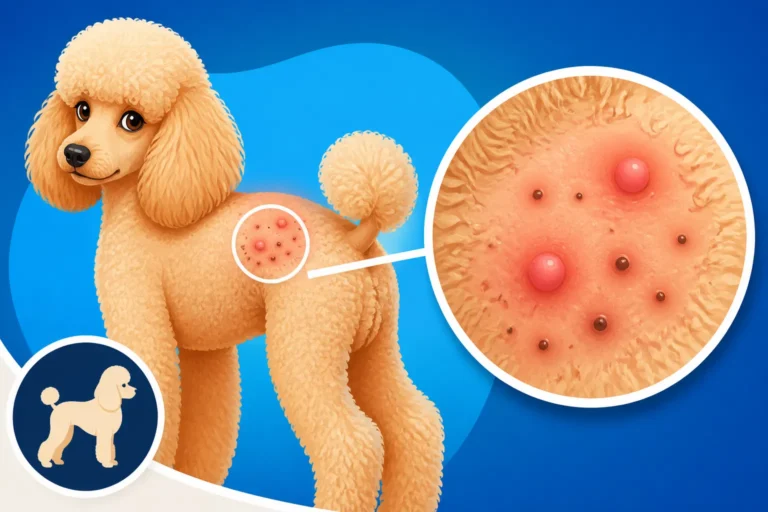
For Addison's Disease, you might notice waxing and waning symptoms: a dog might be lethargic one day, seemingly fine the next. They might vomit sporadically or seem unusually sensitive to stress. These generalized signs make it incredibly difficult to get a swift diagnosis. Similarly, with Sebaceous Adenitis, the first signs can be subtle dryness or dullness of the coat, perhaps a few scales, before it progresses to significant hair loss and thick, adherent scales. You might notice unusual flaking, or a coat that simply doesn't feel right. Meanwhile, Hypothyroid Symptoms in a Poodle often include weight gain despite normal eating, lethargy, and a dull, thin coat.
Poodles are also known for their sensitivity, and this can be a double-edged sword when it comes to illness. While they might be very attuned to your emotions, they can also be prone to hiding their own discomfort. A Poodle might become quiet, withdrawn, or simply less enthusiastic about their usual activities, rather than clearly vocalizing pain. Learning to Reading Pain in a Sensitive Poodle is crucial for early detection. Because of this, it's vital for owners to be incredibly observant and not hesitate to seek veterinary attention for any persistent or concerning changes, even if they seem minor. Early intervention can make a world of difference in managing these conditions.
Rebuilding Resilience: Moving Forward with Healthier Practices
Despite the historical challenges, there's a strong movement within the Poodle community and among responsible breeders to improve the breed's health and genetic diversity. It's a long road, but one well worth taking for the future of these wonderful dogs.
The Role of Responsible Breeding and Genetic Testing
The key to overcoming the effects of past inbreeding lies in conscious, responsible breeding practices focused on increasing genetic diversity. Modern breeders are moving away from simply breeding champions to champions and are instead meticulously researching pedigrees and utilizing genetic testing to make informed pairing decisions. This means looking at Coefficient of Inbreeding (COI) values, which indicate how closely related the parents are and, therefore, the probability that the offspring will inherit two identical copies of any given gene. Breeders are actively striving for lower COI percentages, even if it means incorporating lines that are less common or appear less frequently in the show ring. The question of Whether a Coefficient of Inbreeding Matters in Poodles is a resounding yes among health-focused breeders.
Genetic testing goes beyond just identifying carriers for specific diseases. While crucial for conditions like Progressive Retinal Atrophy (PRA) and Von Willebrand Disease, comprehensive genetic panels also provide a snapshot of a dog's overall genetic makeup. Breeders use these panels to identify markers for various health conditions and, more importantly, to assess the genetic diversity of potential breeding pairs. By understanding a dog's genetic profile, breeders can make choices that maximize genetic variation in the offspring, strengthening their immune systems and reducing the likelihood of inheriting two copies of problematic genes. This proactive approach ensures that new generations are healthier and more resilient. Reputable breeders understand What a Poodle Breeder Must Test For and often publish their results, offering transparency to prospective puppy buyers. These Genetic Panels for the Three Poodle Sizes are becoming standard practice, especially with sophisticated labs offering comprehensive insights.
The investment in responsible breeding and genetic testing, while initially costly for breeders, pays dividends in the long run through healthier dogs and fewer heartbroken owners. Some pet insurance providers, like Healthy Paws, even offer coverage for genetic tests when they are medically necessary as part of a diagnostic process for an illness, further supporting these essential practices.
Supporting Your Standard Poodle's Immune System
Even if your Poodle comes from a well-researched, lower-COI litter, or if you've adopted an adult with unknown lineage, there are many proactive steps you can take to support their immune system and overall health. It's about creating an environment that fosters resilience.
First and foremost, high-quality nutrition is paramount. A balanced diet appropriate for your Poodle's size and life stage provides the building blocks for a strong immune system. Consider a diet rich in lean proteins, healthy fats, and complex carbohydrates, with a good balance of vitamins and minerals. Learn more about Feeding a Poodle by Size to ensure they're getting the right nutrients. Regular veterinary care, including annual check-ups, is crucial for early detection of any issues. Discuss appropriate vaccination protocols with your vet; for some older Poodles, titre testing may be an option to avoid over-vaccinating if sufficient immunity is present. This is part of a broader Poodle Vaccination and Preventive Schedule discussion with your veterinarian.
Stress reduction also plays a significant role in immune health. A happy, well-adjusted Poodle is generally a healthier Poodle. Ensure they have a consistent routine, plenty of mental stimulation, and adequate exercise appropriate for their age and energy level. Remember, Poodles are intelligent and require engagement beyond just a walk around the block; explore Daily Work for a Poodle's Body and Mind to keep them mentally stimulated. Maintaining a healthy weight is also critical, as obesity puts additional strain on all bodily systems, including the immune system. We often discuss Poodle Obesity and Its Consequences because those extra pounds can quietly exacerbate underlying health issues. Be proactive about any changes you observe, no matter how small, and communicate openly with your veterinarian. You are your Poodle's strongest advocate. Investing in a robust pet insurance plan, such as those offered by Healthy Paws, can provide peace of mind and financial support should any health challenges arise, allowing you to prioritize the best care for your Poodle without added financial stress.
Here’s a quick overview of some common autoimmune conditions in Poodles:
| Autoimmune Condition | Primary Affected System | Common Symptoms | General Management Approach |
|---|---|---|---|
| Addison's Disease | Adrenal Glands | Lethargy, vomiting, diarrhea, loss of appetite, weakness, shaking; often waxing and waning or stress-triggered. | Lifelong corticosteroid and mineralocorticoid replacement therapy (injections/oral meds). |
| Sebaceous Adenitis (SA) | Skin/Sebaceous Glands | Dry, scaly skin, hair loss (especially on back/topknot), dull coat, secondary infections, itching, odor. | Regular oil soaks, medicated baths, topical/oral steroids, cyclosporine, supplements. |
| Hypothyroidism | Thyroid Gland | Lethargy, weight gain, cold intolerance, dull/thinning coat, skin issues, mental dullness. | Lifelong oral thyroid hormone replacement medication (e.g., levothyroxine). |
| Immune-Mediated Hemolytic Anemia (IMHA) | Red Blood Cells | Weakness, pale gums, lethargy, dark urine, increased heart rate, jaundice. | Immunosuppressants (e.g., steroids, cyclosporine), blood transfusions, supportive care. |
Disclaimer
The information provided in this guide is for general educational purposes only and should not be considered a substitute for professional veterinary advice. Always consult with a qualified veterinarian for any health concerns or before making any decisions related to your Poodle's health and treatment.