When a Poodle’s Topknot Starts Thinning With Age
It’s a sight many of us Poodle parents eventually encounter: that once glorious, fluffy topknot, the crowning glory of our beloved companion, starts looking a little… sparse. It can be genuinely disheartening, a visible sign that our energetic Poodle is indeed growing older, and it often sparks worry about their overall health. This comprehensive guide will walk you through the common reasons an older Poodle’s topknot might thin, distinguishing between normal age-related changes and potential health concerns, and offer advice on how to best care for their changing coat.
Why a Poodle's Topknot is So Noticeable When It Changes
For Poodle enthusiasts, the topknot isn't just hair; it's a signature, a statement, and often a source of pride. Unlike many breeds that shed profusely, Poodles have a continuously growing coat that demands regular grooming, making any change in its texture or density immediately apparent. When this prominent feature begins to thin, it’s not just a cosmetic shift; it can feel like a part of their identity is fading, and it naturally raises questions about their well-being.
The Iconic Poodle Topknot
From elegant show clips to adorable pet trims, the topknot is a quintessential element of the Poodle's appearance. It's often meticulously shaped, banded, or left to flow freely, showcasing the breed's unique hair texture. Owners spend considerable time brushing, washing, and conditioning this area, making them intimately familiar with its usual volume and feel. Because of this high-touch grooming routine, even subtle changes in the topknot can be noticed long before other areas of the coat might show signs of thinning or distress.
Imagine a Poodle puppy with a soft, downy topknot, growing into a vibrant adult with a full, bouncy puff of hair. This evolution is part of the Poodle experience. As they age, to see that once-robust hair become brittle, or for patches to appear noticeably thinner, can be quite alarming. It's like watching a beloved painting slowly lose its luster; you know it's still beautiful, but the change is undeniable and can trigger a sense of concern.
The Psychology of a Poodle's Hair
Beyond aesthetics, a Poodle's coat, especially its topknot, is an integral part of their breed identity. It's what makes a Poodle a Poodle in many people's eyes, and maintaining it is a ritual for most owners. There's an emotional connection to the care we provide, and a healthy coat is often seen as a reflection of a healthy dog. When the topknot starts to thin, it can feel like a breach of that expectation, a challenge to the perception of vitality.
This isn't just vanity; it’s about noticing potential signals. Poodles are known for their sensitivity, and just as we learn to read their subtle cues for discomfort, we also become attuned to the physical signs of their health. A thinning topknot might just be a sign of normal aging, but it can also be a silent indicator of something more, prompting owners to pay closer attention to other shifts in their dog’s behavior or physical condition. This vigilance is a hallmark of responsible Poodle ownership, driven by our deep affection for these intelligent companions.
Natural Age-Related Thinning: What to Expect
Just like humans, Poodles experience physiological changes as they age, and their coat is no exception. While it’s tempting to jump to conclusions about serious medical conditions, often, a thinning topknot is simply a normal part of the aging process. Understanding these natural changes can help ease your mind and guide your approach to their senior care.
The Normal Hair Cycle Slows Down
A Poodle's hair, like all mammalian hair, goes through growth cycles: anagen (growth), catagen (transition), and telogen (resting/shedding). As a Poodle enters their senior years, which for Standards might be around 7-8 years, Miniatures 8-9 years, and Toys 10+ years, these cycles tend to slow down. The anagen phase, where hair actively grows, shortens, meaning new hairs don't grow as long or as quickly. Simultaneously, the telogen phase might lengthen, causing older hairs to remain on the dog for longer, sometimes leading to more matting or a duller appearance before they eventually fall out.
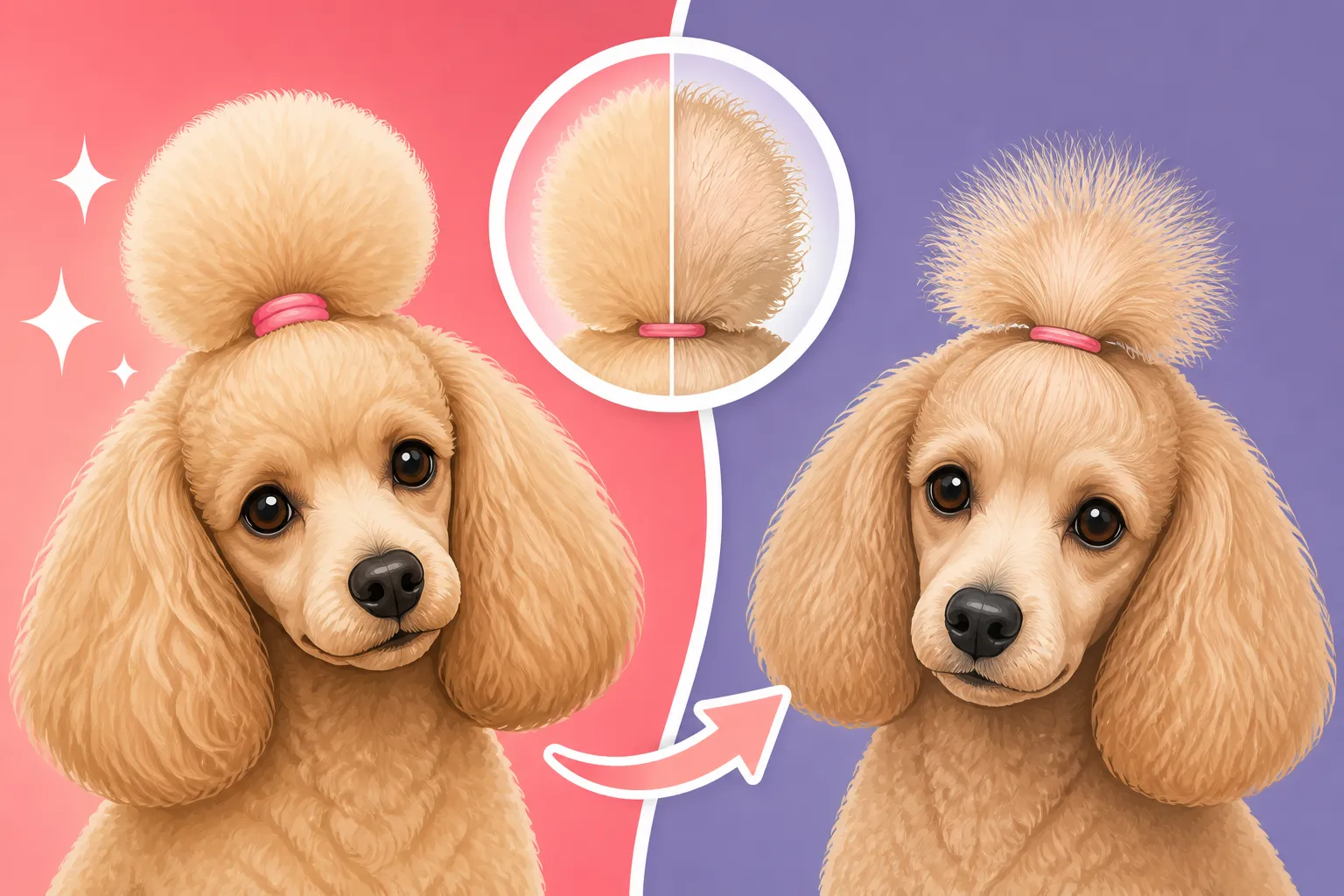
This slower cycle means less new hair production, leading to a gradual decrease in overall density. You might notice that the hair just doesn't seem to "fill out" as much, even after a fresh groom. This isn't usually patchy loss, but a general reduction in volume, making the skin more visible beneath the topknot, especially if it's styled high or banded tightly. It’s a subtle shift that builds over time, rather than a sudden dramatic loss, and is often uniform across the top of the head.
Texture Changes and Loss of Density
Beyond just less hair, the quality of the hair itself can change dramatically with age. Many Poodle owners report that their senior Poodles' coats, including the topknot, become softer, finer, or even a bit more brittle. The tight, springy curls that once characterized their youth might relax into looser waves, or the hair might feel drier and more prone to breakage. This change in texture contributes significantly to the appearance of thinning, even if the actual number of hairs hasn't drastically decreased.
This textural shift can make the topknot harder to manage and style. What once stood up proudly might now flop or lie flat, lacking the structural integrity it once had. This is often due to a reduction in keratin production and natural oils in the skin and hair follicles. The hair shaft itself becomes weaker and more susceptible to damage from brushing, sun exposure, or even just daily activity. You might find more stray hairs on your clothes or around the house, not necessarily from shedding, but from hair breaking off.
Impact of Hormonal Shifts
As Poodles age, their endocrine systems, like ours, undergo changes. Hormonal fluctuations, particularly in thyroid and sex hormones, can directly impact hair growth and quality. For example, a decrease in thyroid hormone (hypothyroidism), which can be quite common in middle-aged to senior Poodles, can manifest as a dull, dry, and thinning coat, often symmetrical on both sides of the body, though the topknot can certainly be affected. However, other signs like lethargy, weight gain, and cold intolerance would usually accompany widespread hair loss.
Similarly, changes in estrogen or testosterone levels, particularly in spayed or neutered dogs as they age, can influence skin and coat health. While not typically the sole cause of topknot thinning, these shifts can contribute to an overall decline in coat vitality, making it more prone to thinning and breakage. It’s part of the complex interplay of internal processes that shape an aging dog's external appearance, highlighting the need for regular vet check-ups where your vet can assess these changes.
Medical Reasons for Topknot Thinning in Older Poodles
While natural aging accounts for many cases of a thinning topknot, it’s crucial not to dismiss the possibility of underlying medical issues. Sometimes, a change in coat is the first visible sign of a health problem that requires veterinary attention. Being observant can make a significant difference in early diagnosis and treatment.
Underlying Health Conditions
A variety of systemic health issues can manifest as changes in coat quality and density, including on the topknot. Conditions like Cushing’s disease, kidney disease, or even certain cancers can impact the overall health of the skin and hair follicles, leading to thinning, dullness, or even patchy hair loss. For instance, Cushing's disease, caused by an overproduction of cortisol, often results in thinning skin and hair loss, typically on the trunk, but the general decline in coat health can certainly include the topknot.
Other issues like diabetes or liver disease can also indirectly affect hair health by compromising the body's ability to absorb nutrients or properly regulate hormones. These conditions usually present with a host of other symptoms, such as increased thirst, changes in appetite, lethargy, or unexplained weight loss/gain. If you notice any of these accompanying signs along with the thinning topknot, it's a clear signal to consult your veterinarian promptly. Getting an annual senior wellness panel done can help catch many of these issues early. Many pet insurance plans, like those offered by Healthy Paws, can help cover the costs of diagnostics and treatment for these unexpected illnesses.
Nutritional Deficiencies
Good nutrition is fundamental to a healthy coat at any age, but it becomes even more critical as a Poodle gets older. Senior Poodles might have different dietary needs; they might not absorb nutrients as efficiently, or their appetite might decrease, leading to an inadequate intake of essential vitamins, minerals, and fatty acids. Deficiencies in protein, zinc, or omega-3 and omega-6 fatty acids can directly impact hair growth and strength, leading to a dull, dry, and thinning coat.
It’s not just about the quantity of food, but the quality and balance. Feeding a high-quality senior dog food formulated to address the specific needs of aging can be very beneficial. These diets often contain easily digestible proteins, antioxidants, and a balanced blend of fatty acids to support skin and coat health. If you're concerned your Poodle isn't getting enough, your vet might recommend specific supplements. However, always discuss any new supplements with your vet to ensure they are appropriate and won't interfere with existing medications or conditions. Poor dental health, a common issue in Poodles, can also lead to reduced food intake and subsequent nutritional deficiencies. For more on this, you might find our guide on Poodle Dental Disease by Size helpful.
Grooming Practices and Trauma
Sometimes, the culprit behind a thinning topknot isn't internal, but external. Improper or overly aggressive grooming can cause significant damage to the delicate hair follicles, especially in an older Poodle whose skin might be thinner and more sensitive. Excessive brushing with the wrong tools, pulling out mats forcefully, or even harsh chemicals in shampoos can lead to breakage, hair loss, and irritation.
Constantly pulling the topknot into tight bands or elastics can also cause traction alopecia, where the continuous tension on the hair follicles damages them over time, leading to permanent thinning or bald spots in the affected areas. Think of it like a tight ponytail in humans; it can eventually cause hair loss around the hairline. For an aging Poodle, whose hair is already more fragile, this risk is amplified. If you're using bands, ensure they are loose and not constantly pulling on the roots. When you're learning how to properly care for your Poodle's coat, knowing which Grooming Tools a Poodle Owner Must Buy and how to use them gently is key to preventing such trauma. Even learning How Often a Poodle Must Be Brushed can prevent severe matting that requires painful de-matting or shaving.
Autoimmune Issues: Sebaceous Adenitis
This is a condition that Poodle owners often dread, and it's a very real concern when observing thinning hair, especially on the topknot. Sebaceous Adenitis (SA) is an inherited autoimmune skin disease that is particularly prevalent in Standard Poodles, though it can affect Miniatures and Toys as well. In SA, the immune system mistakenly attacks and destroys the sebaceous glands, which are responsible for producing the natural oils that lubricate the skin and hair.
The initial signs can be subtle, often starting with a dull, brittle coat and silvery scales attached to the hair shafts. As the disease progresses, hair loss becomes more evident, often in patches, and can certainly affect the topknot. Unlike general age-related thinning, SA often causes distinct patches of hair loss, sometimes with a greasy or waxy feel to the skin underneath. It can be deeply frustrating for owners, as the Poodle's beautiful coat is often severely compromised. Our articles Sebaceous Adenitis and the Poodle Coat and Early Sebaceous Adenitis on a Poodle's Topknot delve much deeper into this specific condition. If you suspect SA, a skin biopsy performed by a veterinary dermatologist is necessary for diagnosis. Treatments often involve specialized shampoos, conditioners, and emollients, sometimes combined with immune-modulating drugs. For more detailed management, Oil Soaks for a Poodle With Adenitis might provide some useful insights.
| Cause of Topknot Thinning | Key Characteristics | What to Look For Beyond Topknot | Action Required |
|---|---|---|---|
| Normal Aging | Gradual, even reduction in density; softer, finer texture. | No other symptoms. | Gentle grooming, senior diet. |
| Nutritional Deficiency | Dull, dry coat; overall poor condition. | Lethargy, weight changes, poor appetite. | Vet consult for diet review, supplements. |
| Hormonal Imbalance | Symmetrical thinning; dull, dry coat. | Lethargy, weight gain/loss, increased thirst. | Vet consult for bloodwork (e.g., thyroid panel). |
| Grooming Trauma | Localized patches of breakage or loss; skin irritation. | Redness, scabs, tenderness on scalp. | Adjust grooming tools, technique; use protective wraps. |
| Sebaceous Adenitis | Patchy hair loss, silvery scales, dull/brittle coat. | Skin lesions, greasiness, itching (variable). | Vet consult for biopsy, specialized treatment. |
| Other Medical Issues | Widespread coat changes; overall illness. | Any unusual symptoms (e.g., increased urination, weakness). | Immediate vet consultation. |
Caring for an Aging Poodle's Thinning Topknot
Witnessing your Poodle's topknot thin can be tough, but there are many ways to provide comfort and care, whether it's due to normal aging or a treatable condition. Your focus should always be on their comfort, dignity, and overall health.
Gentle Grooming Techniques
As your Poodle ages and their coat changes, your grooming routine will likely need adjustments. The old adage "handle with care" becomes even more vital. Use soft, flexible slicker brushes and wide-toothed combs, and always brush gently, working in small sections to avoid pulling. Never try to forcefully brush out a mat; instead, use a detangling spray and carefully tease it apart, or consider a professional groomer for severe matting. Their skin may be more delicate, so avoid harsh scrubbing during baths. Use a mild, moisturizing shampoo and conditioner specifically designed for sensitive skin or aging coats.
After bathing, avoid aggressive towel drying or high-heat blow-drying, which can further damage fragile hair. A lower heat setting on your dryer or allowing them to air dry in a warm, draft-free room, with occasional gentle brushing, can be better. Consider keeping their topknot in a slightly shorter, less elaborate style to minimize the need for tight bands or excessive brushing. This approach not only prevents further trauma but also makes the grooming experience more comfortable for your senior Poodle. Our guide on Brushing a Poodle to the Skin is a great reference for proper, gentle technique.
Dietary Support and Supplements
Nutrition plays a profound role in coat health, and for an aging Poodle with a thinning topknot, it's worth reviewing their diet. Ensure they are on a high-quality senior dog food that is rich in easily digestible protein, essential fatty acids (like omega-3s and omega-6s), and antioxidants. These nutrients are vital for skin elasticity and hair follicle health. Brands like Purina Pro Plan, Royal Canin, or Hill's Science Diet offer excellent senior formulations designed to support overall vitality, including coat health.
Your veterinarian might also suggest specific supplements. Fish oil (rich in EPA and DHA) is a popular choice for supporting skin and coat health, often reducing inflammation and improving coat luster. Biotin and B vitamins can also be beneficial for hair strength. However, it's crucial to consult your vet before introducing any new supplements. They can assess your Poodle's individual needs, potential deficiencies, and ensure that any supplements won't interact negatively with existing medications. For instance, if your Poodle is taking medication for another condition, adding certain supplements without veterinary oversight could be counterproductive. You might also want to explore Joint Supplements Worth Giving a Poodle as joint health often declines with age, and overall well-being impacts coat quality.
When to Consult Your Vet
While some thinning is normal with age, any sudden, severe, or patchy hair loss, especially if accompanied by other symptoms, warrants a trip to the vet. Look out for:
- Red, inflamed, or itchy skin on the scalp or elsewhere.
- Pus-filled bumps, scabs, or raw areas.
- Excessive dandruff or greasy, waxy skin.
- Changes in appetite, thirst, energy levels, or bathroom habits.
- Any noticeable lumps or bumps.
These could be signs of underlying medical conditions like hypothyroidism (as detailed in Hypothyroid Symptoms in a Poodle), Cushing's disease, infections, allergies, or Sebaceous Adenitis. Early diagnosis is key to effective treatment. Your vet may recommend blood tests (including a Full Thyroid Panels Poodle Breeders Order might cover, but also a full diagnostic panel for current health concerns), skin scrapes, or biopsies to determine the cause. Pet insurance, such as a plan from Healthy Paws, can be incredibly helpful in managing the costs associated with these diagnostic tests and subsequent treatments, giving you peace of mind that you can afford the best care for your aging companion.
Embracing the Change
Ultimately, an aging Poodle's thinning topknot is a reminder of the precious time you’ve shared. While we want our Poodles to look their best, their comfort and health should always take precedence over cosmetic concerns. Sometimes, embracing a shorter, simpler clip that is easier to maintain and less stressful on their older skin is the kindest approach. A clean, comfortable short cut can still be incredibly charming and allows you to enjoy their personality without the constant worry of matting or a struggling coat.
Focus on the joy they bring, the love they share, and the wisdom in their eyes. A thinning topknot doesn't diminish their spirit or their beauty. It's just another chapter in their wonderful life story. Continue to provide them with love, appropriate exercise (even if it's less vigorous than before), mental stimulation, and regular veterinary care as part of Caring for an Aging Poodle. They might not have the show ring glamour of their youth, but they have something far more valuable: your unwavering companionship.
Disclaimer
This article is for general informational purposes only and does not constitute professional advice. Laws, prices and regulations vary by location and change over time. Consult a qualified professional for guidance on your specific situation.