Emergency Sugar for a Crashing Toy Poodle
Few things are as heart-stopping for a Toy Poodle owner as watching their tiny companion suddenly become weak, disoriented, or even collapse. This terrifying scenario, often caused by a rapid drop in blood sugar known as hypoglycemia, can escalate quickly if you don't know what to do. This guide is here to walk you through those critical moments, arming you with the knowledge to provide emergency sugar and get your precious Toy Poodle the urgent veterinary care they need.
Understanding Hypoglycemia in Toy Poodles
Hypoglycemia, or low blood sugar, isn't just a concern for diabetic dogs; it's a common and serious issue, particularly in Toy Poodles. Their small stature and unique physiology make them especially vulnerable to these sudden drops, which can quickly turn life-threatening if not addressed.
Why Toy Poodles Are Prone to Low Blood Sugar
Toy Poodles, especially puppies and very senior dogs, have a couple of strikes against them when it comes to maintaining stable blood sugar levels. Their small body mass means they have fewer reserves of glycogen (stored glucose) in their liver compared to larger breeds. Think of it like a tiny fuel tank – it empties much faster. When they exert themselves, shiver from cold, or simply go too long without food, their energy reserves are quickly depleted.
Furthermore, a Toy Poodle puppy's liver isn't fully mature and might not be efficient at producing glucose (a process called gluconeogenesis) or releasing it from glycogen stores. This is why you'll often hear about Hypoglycemia in a Toy Poodle Puppy being a significant concern. Their fast metabolism, combined with this developmental stage, creates a perfect storm for blood sugar crashes. Even an adult Toy Poodle can be susceptible, particularly if they are stressed, over-exercised without adequate calorie intake, or if there's an underlying medical condition at play. Older Poodles, too, can face similar vulnerabilities as their systems become less efficient.
Recognizing the Early Warning Signs
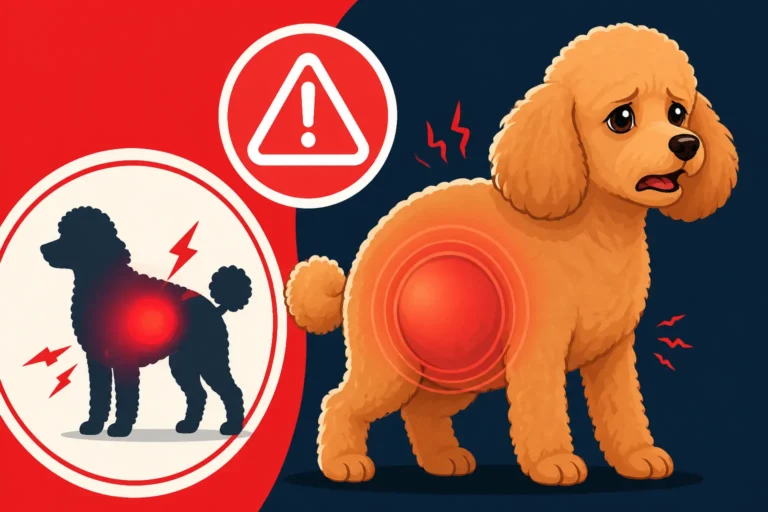
Spotting hypoglycemia early is absolutely crucial. These symptoms can sometimes be subtle, and in a sensitive breed like the Poodle, they might even be mistaken for simple tiredness or sulking. However, they tend to progress rapidly. You might first notice your Toy Poodle seems a bit lethargic or unusually quiet. They might not greet you with their usual enthusiasm or might hesitate to play.
As their blood sugar continues to drop, you'll likely observe a wobbly or uncoordinated gait. They might seem drunk or have trouble standing steadily. Their head might tilt, or they might stare blankly. Muscle tremors, particularly in their legs or around their mouth, are a clear red flag. These tremors can sometimes progress to full-blown seizures if the hypoglycemia isn't reversed. In the most severe cases, your Poodle might collapse, become unresponsive, or slip into a coma. Don't wait for these extreme signs; if you suspect something is off, it’s always best to err on the side of caution. Prompt action can literally save their life. This is why knowing the Signs of Low Blood Sugar in a Toy Poodle Puppy is so important for all Toy Poodle owners, not just those with puppies.
Immediate Actions When Your Toy Poodle Is Crashing
When your Toy Poodle starts to show signs of a hypoglycemic crash, every second counts. Your immediate goal is to safely raise their blood sugar as quickly as possible, and then get them professional veterinary help. This isn't the time for hesitation; quick, decisive action is what they need.
The "Right Now" Application of Emergency Sugar
The most critical step is to get some form of sugar into your Poodle's system immediately. You're not looking to force them to eat or swallow, as a crashing dog might aspirate the liquid into their lungs. Instead, the goal is absorption through the mucous membranes in their mouth.
Here's how to do it:
- Stay Calm: Take a deep breath. Your panic won't help your dog.
- Gather Supplies: Reach for a sugar source. Common household items work wonders in an emergency.
- Karo Syrup: This is often recommended by vets and breeders because it's pure glucose and easily absorbed.
- Honey: Another excellent option, also highly absorbable.
- Maple Syrup or Pancake Syrup (not sugar-free!): In a pinch, these can also work, but avoid any artificial sweeteners like Xylitol, which is toxic to dogs.
- Glucose Gel: Many informed Toy Poodle owners, aware of the breed's susceptibility, keep a tube of commercial glucose gel (like those used for human diabetics) on hand specifically for this purpose. This is a brilliant proactive measure, as discussed in Keeping Glucose Gel for a Toy Poodle.
- Apply to Gums: Gently lift your Poodle's lip to expose their gums. Using your finger or a clean spoon, rub a small amount (about 1/4 to 1/2 teaspoon for a Toy Poodle, depending on their size) of your chosen sugar source onto their gums and under their tongue. Do not try to squirt it down their throat. Repeat this every 5-10 minutes if needed, until you see some improvement.
- Monitor: You should start to see subtle improvements within minutes – perhaps they become a bit more alert, their tremors lessen, or they try to lift their head. Keep talking to them softly and reassuring them.
Remember, this is first aid. While critical for stabilization, it does not address the underlying cause of the hypoglycemia, which could be something serious.
Getting to the Vet Safely After Stabilizing
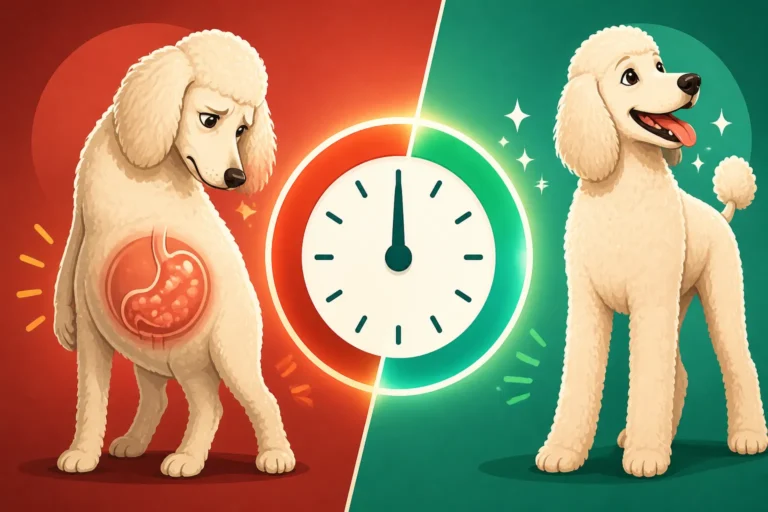
Even if your Toy Poodle seems to perk up dramatically after receiving emergency sugar, your job is far from over. This sugar boost is temporary, and their blood sugar can crash again just as quickly. A trip to the emergency veterinarian is non-negotiable.
As soon as your Poodle shows signs of improvement and can travel safely, get them into their carrier or car and head straight to the nearest veterinary clinic or emergency animal hospital. Call ahead if you can, to let them know you're coming and why. This allows them to prepare for your arrival.
The vet will perform a thorough examination, including blood tests to precisely measure their glucose levels and other vital organ functions. They'll also work to identify the cause of the crash. Was it simply a missed meal or over-exertion? Or is there a more serious underlying issue like a liver shunt, Addison's disease, or even a rare tumor that produces insulin? These are the kinds of questions that need immediate answers. Your vet might keep your Poodle on an IV drip of dextrose (a form of sugar) to maintain stable blood sugar while they investigate. This can also be important for Caring for an Aging Poodle who might have other health complexities.
The cost of emergency vet care can be a significant concern for many pet owners. This is where having pet insurance like Healthy Paws can truly provide peace of mind. While it might not cover pre-existing conditions, it can be invaluable for unexpected emergencies and subsequent diagnostic tests or treatments. Understanding your insurance policy before an emergency strikes can alleviate a lot of stress in those critical moments.
| Emergency Sugar Type | Application Method | Dosage (Toy Poodle) | Key Considerations |
|---|---|---|---|
| Karo Syrup | Rub on gums, under tongue | 1/4 – 1/2 teaspoon | Pure glucose, easily absorbed. |
| Honey | Rub on gums, under tongue | 1/4 – 1/2 teaspoon | Natural, easily absorbed. |
| Maple/Pancake Syrup | Rub on gums, under tongue | 1/4 – 1/2 teaspoon | Ensure no Xylitol or artificial sweeteners. |
| Glucose Gel (human) | Rub on gums, under tongue | Pea-sized amount | Concentrated, purpose-made, excellent to keep on hand. |
Always follow up with a vet visit immediately after initial stabilization.
Preventing Future Hypoglycemic Episodes
Experiencing a hypoglycemic crash with your Toy Poodle is traumatic, and naturally, you'll want to do everything in your power to prevent it from happening again. Prevention is key, involving careful management of diet, activity, and regular veterinary check-ups.
Establishing a Strict Feeding Schedule
For Toy Poodles, especially puppies and those prone to hypoglycemia, free-feeding simply isn't an option. Their small bodies need a consistent and frequent supply of energy. Establishing a strict feeding schedule is paramount to avoid those dangerous dips in blood sugar.
For puppies, this might mean feeding small, nutrient-dense meals three to four times a day, sometimes even five for very tiny or active pups. As they mature, many adult Toy Poodles still benefit from eating two to three times a day rather than just one large meal. This keeps their metabolic engine ticking over smoothly and prevents their glucose reserves from becoming dangerously low between meals. Discuss with your vet the best feeding frequency and portion sizes for your specific Poodle, taking into account their age, weight, and activity level. You might find that How Often a Toy Poodle Puppy Must Eat is a frequent topic of conversation with your vet or breeder. Consistency is critical – try to feed them at roughly the same times each day.
Identifying and Avoiding Triggers
Beyond consistent feeding, understanding and avoiding common triggers for Blood Sugar Crashes in a Toy Poodle can significantly reduce risk.
- Stress: Any stressful event, whether it's a vet visit, a new environment, or even excessive loud noise, can cause a dog's body to burn through glucose faster. Try to minimize stress in your Toy Poodle's life where possible.
- Over-exercise: While exercise is vital, excessive or strenuous activity without adequate caloric intake can quickly deplete a Toy Poodle's limited sugar reserves. Be mindful of their energy levels and provide appropriate rest breaks, especially on long walks or during playtime. A small, healthy snack before and after prolonged activity can be very beneficial.
- Cold Temperatures: Shivering to stay warm uses a significant amount of energy, rapidly burning through glucose. Ensure your Toy Poodle is kept warm in colder weather, using sweaters or coats when outdoors, and providing a cozy indoor environment.
- Missed Meals: This is perhaps the most obvious trigger. A delayed or missed meal can be enough to send a vulnerable Toy Poodle into hypoglycemia. Always have their food ready on time. If you're going to be out, arrange for someone to feed them or consider taking a small, portable meal with you.
- Underlying Medical Conditions: Sometimes, hypoglycemia isn't just about food or exercise. Conditions like liver disease, specific hormonal imbalances, or even some types of cancer can cause recurring low blood sugar. This is why a thorough vet check is so crucial after an episode, as these conditions might require specific treatments.
Working With Your Vet for Long-Term Management
A single hypoglycemic episode in a Toy Poodle, especially a puppy, should always prompt a thorough veterinary investigation. Your vet will not only help you manage immediate symptoms but also delve into potential causes to prevent recurrence. This might include specialized blood tests, Checking a Toy Poodle Puppy's Blood Sugar regularly, or even imaging tests to examine organ function. It’s important to remember that Toy Poodle Diseases Standards Rarely Get often includes metabolic issues due to their size.
For Poodles with recurrent hypoglycemia, your vet might recommend specific dietary changes, like a diet higher in complex carbohydrates or fat to provide sustained energy release. They might also suggest supplements or, in some cases, medication to help regulate blood sugar if an underlying condition is diagnosed. Keeping a detailed log of feeding times, activity levels, and any observed symptoms can be incredibly helpful for your vet in identifying patterns and developing the most effective long-term management plan. This comprehensive approach ensures your furry family member remains happy, healthy, and safe from future crashes. Having a robust pet insurance plan, such as Healthy Paws, can certainly help manage the costs associated with these diagnostic tests and any ongoing treatment, offering financial relief during a stressful time.
Disclaimer
The information provided in this article is for general educational purposes only and is not a substitute for professional veterinary advice. If your Toy Poodle is exhibiting signs of hypoglycemia or any other concerning symptoms, seek immediate veterinary attention. Always consult with a qualified veterinarian for any health concerns or before making any decisions about your pet's medical care.