When Poodle Seizures First Appear
It's incredibly unsettling and often downright terrifying to witness your beloved Poodle suddenly lose control, collapsing, shaking, or staring blankly into space. These moments of crisis, often the first sign of a seizure, leave us feeling helpless and desperate for answers. This comprehensive guide is here to shed light on when Poodle seizures typically first appear, what they might signify, and the crucial steps you can take to support your furry family member through such a challenging experience.
Understanding Poodle Seizures
Poodles, unfortunately, are among several breeds known to have a predisposition to seizures, particularly a condition called idiopathic epilepsy. But what exactly is a seizure, and what does it look like in a dog as elegant and expressive as a Poodle? It's not always the dramatic, full-body convulsion many people imagine, and understanding the nuances is vital for early detection.
What a Seizure Actually Looks Like
When we talk about a seizure, we're describing a temporary, involuntary disturbance of normal brain function. This disturbance can manifest in a variety of ways, from subtle changes in consciousness to violent, uncontrolled muscle activity. In Poodles, like any dog, seizures are generally categorized into two main types: generalized (grand mal) and focal (partial) seizures.
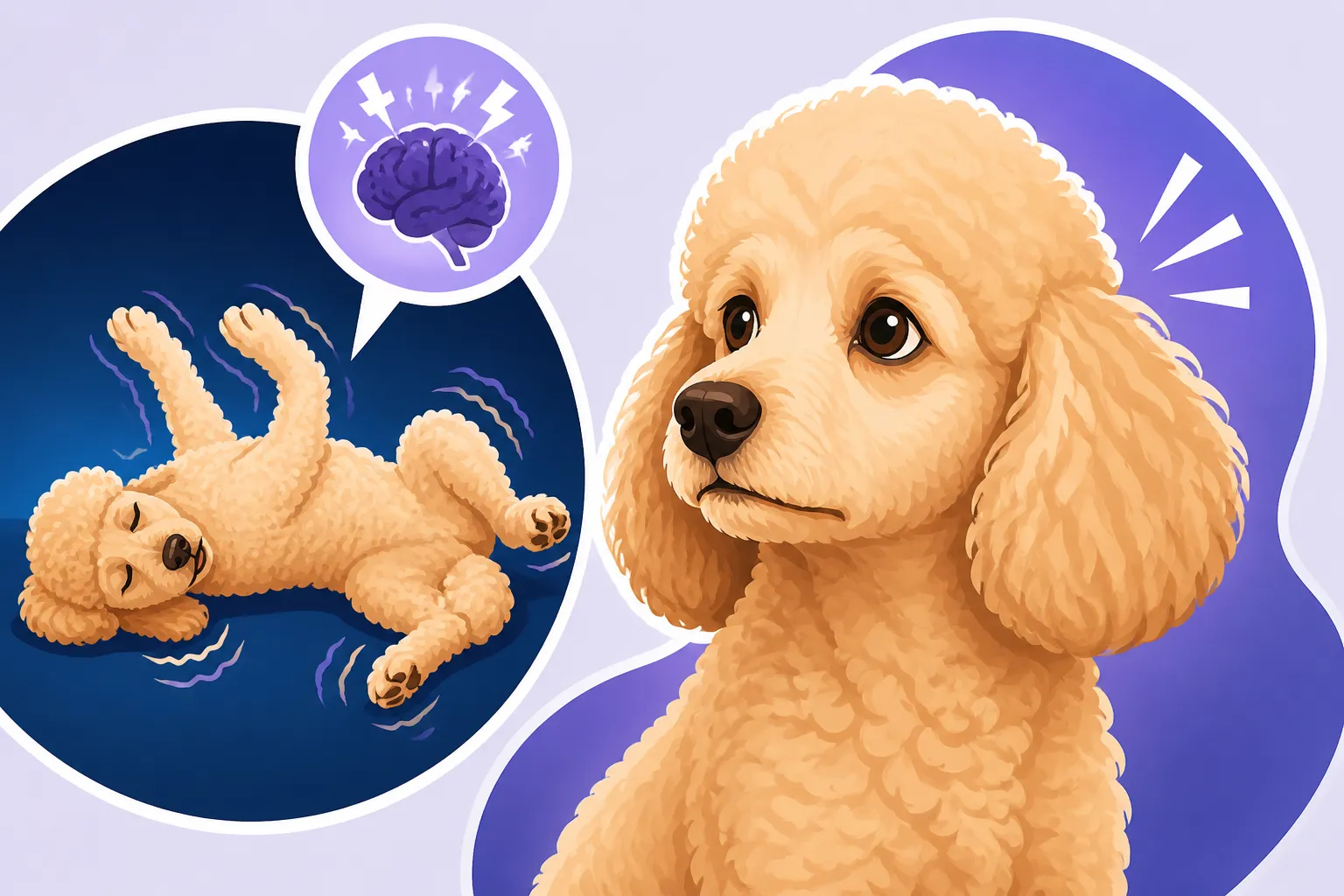
A generalized seizure, often the most alarming to witness, involves both sides of the brain and typically presents as a full-body convulsion. Your Poodle might fall to its side, paddling its legs frantically, drooling excessively, chomping its jaw, and possibly losing bladder or bowel control. Their eyes might be fixed or darting. This intense phase, often called the "ictal" phase, usually lasts from a few seconds to a few minutes. It can feel like an eternity when you're watching it unfold. These are the classic, dramatic seizures that tend to make owners panic, and for good reason – they are truly frightening to observe.
Focal seizures, on the other hand, are often more subtle and can be easily missed or mistaken for odd behavior. These originate in a specific part of the brain and only affect certain parts of the body or certain behaviors. Your Poodle might exhibit a localized twitching of a single limb, a facial muscle, or repetitive actions like fly-biting, tail-chasing, or frantic licking. They might stare blankly, appear confused, or act disoriented. Sometimes, a focal seizure can "generalize," meaning it starts focally and then escalates into a full grand mal seizure. Because these can be so subtle, they might be dismissed as quirks, delaying important diagnostic conversations with your vet. Documenting these unusual behaviors, even if brief, can provide your veterinarian with invaluable clues.
Common Triggers and When They Strike
While the underlying cause of a seizure is often internal, certain external or physiological factors can act as triggers, making a seizure more likely to occur in a susceptible Poodle. These triggers don't cause epilepsy, but they can push an already predisposed brain into a seizure event.
One common trigger can be changes in sleep patterns, especially falling asleep or waking up. Some Poodles will have seizures predominantly at these times. Stress, excitement, or even extreme physical exertion can sometimes contribute, though this is less common with primary epilepsy. Environmental factors, such as exposure to certain toxins or chemicals (though this typically causes more acute, non-epileptic seizures), or even flashing lights in rare cases, can also play a role. However, for most Poodles experiencing idiopathic epilepsy, there isn't always a clear, identifiable external trigger for every episode, making the experience even more perplexing for owners. It's often a case of the brain's electrical activity just going awry without an obvious external prompt. Keeping a seizure log can sometimes help identify subtle patterns or triggers unique to your Poodle.
Age of Onset: When to Expect the Unexpected
Understanding the typical age range for seizure onset is one of the most crucial pieces of information when trying to pinpoint the cause and determine the best course of action for your Poodle. The "when" often tells a significant part of the story, helping veterinarians differentiate between genetic conditions and other acquired medical problems.
Idiopathic Epilepsy: The Most Common Culprit
For Poodles, especially Miniature Poodles and Standard Poodles, idiopathic epilepsy is the most frequently diagnosed cause of recurrent seizures. "Idiopathic" simply means that no underlying cause can be identified, implying a genetic predisposition. Seizures linked to idiopathic epilepsy typically begin within a specific age window. You'll often see the first seizure events occur between 6 months and 6 years of age, though some Poodles might have their first episode slightly outside this range. It’s a heartbreaking reality that many Poodle owners face when their seemingly healthy, vibrant young dog suddenly has its first seizure.
This genetic component means that while a specific Poodle might be predisposed, the actual manifestation can vary. Some Poodles might have very infrequent seizures, while others experience clusters or more frequent episodes. If your Poodle falls within this age range and experiences a seizure, especially if repeated episodes occur without any other noticeable health issues, your vet will likely start investigating idiopathic epilepsy. The journey often involves ruling out other causes before landing on this diagnosis. Early intervention and consistent management, including appropriate medication, can significantly improve the quality of life for a Poodle diagnosed with idiopathic epilepsy. For more in-depth information, you might want to read our article on Idiopathic Epilepsy in Miniature Poodles.
Seizures Due to Other Health Issues
It's vital to remember that not all seizures are a sign of idiopathic epilepsy. Seizures can be a symptom of a wide array of other underlying medical conditions, and these can appear at any age. The age of onset, combined with other clinical signs, helps veterinarians narrow down the possibilities.
In very young Poodle puppies, for instance, particularly Toy Poodles, low blood sugar (hypoglycemia) can cause seizure-like episodes. These usually resolve once blood sugar is stabilized, but they are incredibly dangerous if not addressed quickly. If you have a tiny Toy Poodle puppy acting lethargic or exhibiting tremors, you might be seeing Signs of Low Blood Sugar in a Toy Poodle Puppy.
In adolescent to adult Poodles, beyond the typical idiopathic epilepsy window, seizures could signal metabolic diseases, such as severe liver or kidney disease, or imbalances in electrolytes. Hormonal conditions like Thyroid Disease in Poodles can also, in rare cases, be associated with seizures or contribute to seizure activity. Exposure to toxins, from household cleaners to certain plants, can also induce acute seizures.
For older Poodles, perhaps those over 6 or 7 years of age having their first seizure, the concerns shift towards structural brain issues. Brain tumors, inflammatory brain conditions (like encephalitis), or even strokes become more likely considerations. While scary, pinpointing the cause is the first step toward potential treatment. This is why a thorough diagnostic workup is so crucial, no matter your Poodle's age. If you're caring for an older Poodle, our guide on Caring for an Aging Poodle might offer additional insights into common age-related health changes.
Here's a quick summary table of common seizure causes by Poodle age:
| Age Range | Common Causes | Key Indicators |
|---|---|---|
| Puppies (< 6 months) | Hypoglycemia (low blood sugar), Toxins, Infection | Lethargy, tremors, weakness, small size, exposure history |
| Young Adults (6 mos – 6 years) | Idiopathic Epilepsy, Toxins, Trauma, Metabolic issues | Recurrent seizures, otherwise healthy, no identifiable cause |
| Adults (6 – 10 years) | Idiopathic Epilepsy, Tumors, Liver/Kidney disease, Encephalitis | Recurrent seizures, behavioral changes, thirst/urination changes |
| Seniors (> 10 years) | Brain Tumors, Strokes, Kidney/Liver disease, Hypothyroidism | New onset seizures, cognitive decline, weakness, changes in appetite |
What to Do When a Seizure First Appears
Witnessing your Poodle's first seizure is a deeply alarming experience, and it's easy to feel utterly helpless. However, there are critical steps you can take to keep your Poodle safe during the event and provide your veterinarian with the best possible information for diagnosis and treatment.
Immediate Steps During a Seizure
The very first thing to do, no matter how much your heart is pounding, is to try and remain calm. Your Poodle needs you to be a steady presence, even if they're not aware of you during the seizure.
- Prioritize Safety: Gently move any objects your Poodle might bump into or injure themselves on. This includes furniture corners, stairs, or sharp items. Do not try to hold them down or put anything in their mouth; this can lead to serious injury to both you and your Poodle (they can accidentally bite you, and you could obstruct their airway).
- Time the Seizure: This is crucial information for your vet. Note the exact start time and stop time. If it lasts longer than 5 minutes, or if multiple seizures occur back-to-back without full recovery in between (known as cluster seizures or status epilepticus), this is an absolute emergency.
- Observe and Document: While timing, pay close attention to the details of the seizure. What did it look like? Did it start focally (e.g., just one leg twitching, then generalizing) or was it full-body from the start? Was there paddling, drooling, chomping, or loss of bladder/bowel control? What was your Poodle's demeanor before the seizure (the "pre-ictal" phase) and immediately after? A video recording, if safely possible without interfering, can be incredibly valuable for your vet.
After the seizure, your Poodle will enter the "post-ictal" phase. They might be disoriented, confused, temporarily blind, restless, or even aggressive. They might pace aimlessly, bump into things, or seem to not recognize you. This phase can last from minutes to hours, or even days in some severe cases. Keep them in a safe, quiet, confined space where they can recover without further injury or stimulation. Offer them some fresh water, but don't force them to eat or drink until they are fully alert.
Post-Seizure Care and Vet Consultation
Once the immediate seizure has passed and your Poodle is recovering in the post-ictal phase, your next step is to contact your veterinarian. Even if it was a single, brief seizure and your Poodle seems to recover well, a vet visit is imperative.
When you speak to your vet, be prepared to share all the details you observed: the date and time of the seizure, its duration, a description of the activity, and any preceding or following behaviors. This information, combined with your Poodle's medical history, age, and breed predisposition, will guide their diagnostic recommendations. For example, if you have a young Miniature Poodle, your vet might immediately consider Idiopathic Epilepsy in Miniature Poodles based on the classic age of onset.
Your vet will likely recommend a full physical examination and blood work to check for metabolic issues, organ function, and potential toxins. Depending on these initial findings and your Poodle's overall health, further diagnostics might include a urinalysis, bile acid tests, or more advanced imaging like an MRI or CT scan of the brain, especially if a brain tumor or other structural issue is suspected. These tests can be costly, but knowing that a reliable pet insurance provider like Healthy Paws often covers diagnostic services can offer a degree of comfort and allow you to pursue the best possible care for your Poodle without undue financial stress.
Long-Term Management and Prognosis
Discovering your Poodle has seizures can feel overwhelming, but with proper diagnosis and management, many Poodles can lead full, happy lives. The path forward involves understanding the diagnostic journey, exploring treatment options, and adapting to a new normal with your beloved companion.
Diagnostic Journey and Treatment Options
The diagnostic journey for seizures can sometimes be long and frustrating, as there isn't always a quick answer. As mentioned, your vet will start by ruling out easily identifiable causes through blood tests, urinalysis, and a thorough physical exam. If these tests come back normal, especially in Poodles within the typical age range for idiopathic epilepsy, the diagnosis often becomes one of exclusion. This means that if no other cause can be found, idiopathic epilepsy is the most likely culprit. Sometimes, a referral to a veterinary neurologist for advanced imaging (MRI) and cerebrospinal fluid analysis might be recommended to rule out brain tumors or inflammatory conditions, particularly if your Poodle's seizures are atypical or begin at an unusual age.
For Poodles diagnosed with idiopathic epilepsy, the primary treatment is usually anti-epileptic medication. The goal isn't necessarily to eliminate all seizures but to reduce their frequency, severity, and duration to improve your Poodle's quality of life. Common medications include phenobarbital, potassium bromide, zonisamide, levetiracetam (Keppra), and gabapentin. The choice of medication, dosage, and whether to use a single drug or a combination, will be determined by your vet based on your Poodle's specific needs, response to treatment, and any potential side effects. Regular blood work will be needed to monitor drug levels and assess liver and kidney function. You can learn more about this in our article Medication for an Epileptic Poodle. Pet insurance plans, such as those offered by Healthy Paws, can be incredibly beneficial here, covering a significant portion of the ongoing medication costs, which can certainly add up over time.
For seizures caused by other underlying conditions, the treatment focuses on addressing that primary issue. For example, a Poodle experiencing seizures due to a brain tumor might undergo surgery, radiation therapy, or chemotherapy, in addition to anti-epileptic drugs. A Poodle with liver disease would receive dietary management and medications to support liver function. The prognosis, in these cases, depends heavily on the specific underlying disease and its treatability.
Living with an Epileptic Poodle
Living with a Poodle prone to seizures requires vigilance, consistency, and a strong partnership with your veterinarian. Establishing a routine can be very helpful; consistent feeding times, walks, and medication administration can create a stable environment for your Poodle. Stress management is also key. Poodles are sensitive dogs, and reducing stressors in their environment can potentially help. Our piece Reading Pain in a Sensitive Poodle highlights their innate awareness and how they often internalize distress, which could be relevant here.
Maintain a detailed seizure log, noting the date, time, duration, severity, and any potential triggers. This log is an invaluable tool for your vet to assess the effectiveness of medication and make adjustments as needed. Discuss any new behaviors or concerns with your vet promptly, as changes in seizure patterns or the appearance of new symptoms could indicate a need for a re-evaluation of the treatment plan or further diagnostics.
It's also important to remember that a seizure diagnosis doesn't mean your Poodle can't enjoy a wonderful life. Many Poodles with well-managed epilepsy continue to participate in activities, enjoy their families, and thrive. The key is proactive management, consistent veterinary care, and an understanding, patient home environment. Being prepared for emergencies, like having emergency sugar gel on hand if hypoglycemia is a risk (you can read more about Emergency Sugar for a Crashing Toy Poodle if this applies to your Poodle), and knowing when to seek immediate veterinary attention (e.g., for prolonged or cluster seizures) are critical aspects of responsible ownership. Having robust pet insurance coverage from a provider like Healthy Paws can also offer peace of mind, knowing that you're supported in managing unexpected veterinary costs for your beloved Poodle.
Disclaimer
Please remember that this article is intended for informational purposes only and should not be considered a substitute for professional veterinary advice. Always consult with a qualified veterinarian for any health concerns or before making any decisions about your Poodle's medical care.