Environmental Allergies in a Poodle
There's nothing quite as disheartening as watching your beloved Poodle constantly scratching, licking, or chewing at their skin, sometimes to the point of redness, irritation, and even infection. Environmental allergies, often called atopy, are a frustrating reality for many Poodle owners, and it often feels like an endless battle to figure out what's causing their discomfort and how to bring them relief. This guide is here to help you understand environmental allergies in Poodles, how to spot the signs, navigate the diagnostic process, and most importantly, explore effective ways to manage this chronic condition so your Poodle can live a much more comfortable and itch-free life.
What Are Environmental Allergies in Poodles?
Environmental allergies in Poodles, or atopic dermatitis, are essentially an overreaction of their immune system to otherwise harmless substances in their surroundings. Unlike food allergies, which typically cause gastrointestinal issues in addition to skin problems, environmental allergies primarily manifest as skin and ear irritation. It's a chronic condition, meaning it's often lifelong, and while it can be managed, it rarely goes away completely. For many Poodle parents, this means a journey of careful observation, veterinary partnership, and consistent care.
Common Culprits in Your Poodle's World
The allergens that trigger these reactions are often microscopic and ever-present, making them particularly difficult to avoid entirely. Just like people can be allergic to pollen, dust, or mold, so too can our Poodles. The frustrating part is that these allergens can vary seasonally or be present year-round, depending on your geographic location and your Poodle's specific sensitivities.
Common environmental allergens include:
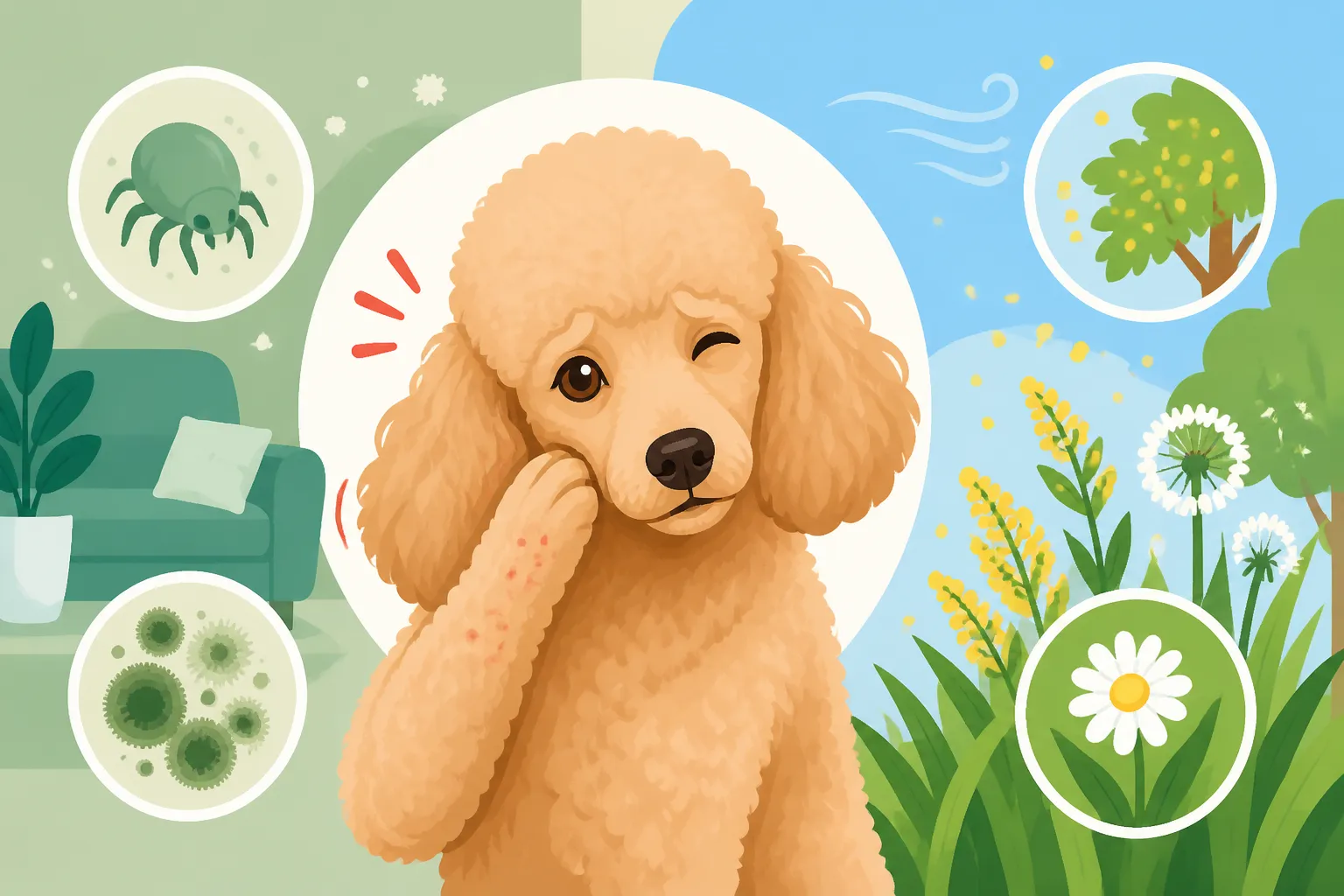
- Pollens: From trees (spring), grasses (late spring/summer), and weeds (late summer/fall). These are often seasonal but can persist in some climates.
- Dust Mites: Tiny creatures that thrive in household dust, bedding, carpets, and upholstered furniture. These are typically year-round allergens, often worse indoors during colder months when windows are closed.
- Molds: Both indoor and outdoor molds can trigger reactions. Indoor molds are often found in damp areas like bathrooms or basements, while outdoor molds are prevalent in decaying vegetation.
- Dander: From other animals, though less common for a dog to be allergic to another species' dander than to pollens or dust mites.
Imagine trying to live your life constantly exposed to something that makes your skin crawl and itch – that’s often what your Poodle is enduring. Understanding these common culprits is the first step in creating a more comfortable environment for them.
Why Poodles Seem So Prone
Poodles, unfortunately, are among the breeds statistically more predisposed to developing environmental allergies. This isn't just bad luck; it’s rooted in their genetics. The breed's history, and certain breeding practices, have contributed to a gene pool that, while producing intelligent and beautiful dogs, also carries a higher propensity for immune-mediated conditions.
One theory suggests that the genetic blueprint for their luxurious, non-shedding coat might be linked to certain skin sensitivities. Their dense, curly coats can also trap allergens against the skin, exacerbating irritation. Moreover, the characteristic drop ears, while adorable, create a warm, moist environment that can be a perfect breeding ground for yeast and bacterial infections when allergies cause inflammation within the ear canal. This sensitivity makes it critical for owners to be vigilant about symptoms and proactive in their care. You might find more insight into the broader health predispositions in the article, Why Poodle Health Splits by Size.
Recognizing the Signs of Environmental Allergies
The hallmark sign of environmental allergies in Poodles is persistent itching, but it’s crucial to understand that it can manifest in many ways and affect specific body parts. It's rarely just a casual scratch; it’s an incessant, often frantic, attempt to find relief. This constant discomfort can significantly impact your Poodle's quality of life and your peace of mind as an owner.
The Itch That Never Quits
Most Poodle owners will first notice their dog scratching, licking, or chewing areas like their paws, belly, armpits, and groin. This isn't just an occasional itch; it's chronic and often relentless. You might see your Poodle:
- Licking their paws excessively: This can lead to red, swollen, and stained paws, especially in lighter-colored Poodles where saliva can turn the fur reddish-brown.
- Rubbing their face: They might rub their face on carpets, furniture, or even your leg, trying to alleviate an itchy muzzle or eyes.
- Scratching their ears: This is a very common site for allergic reactions due to the moist, warm environment created by their drop ears. Head shaking and pawing at the ears are common.
- Chewing at their flanks, tail base, or inner thighs: These areas are often targeted when the itch is widespread.
This constant self-trauma can break the skin barrier, leading to secondary bacterial or yeast infections, which in turn cause even more itching, redness, and a distinctive odor. It's a vicious cycle that needs intervention. If you're pondering Whether a Poodle's Itch Is Allergy or Adenitis, remember that while both cause itching, environmental allergies are far more common and usually present with wider, more generalized irritation.
Beyond the Scratching: Other Indicators
While itching is the primary symptom, environmental allergies can lead to a host of other signs that might not immediately scream "allergy" but are, in fact, directly related to the underlying irritation. These can be particularly distressing as they impact your Poodle's overall health and appearance.
Keep an eye out for:
- Red, inflamed skin (dermatitis): The skin in affected areas might look pink or visibly red, especially in areas with sparse hair.
- Hair loss: Due to constant licking, chewing, and scratching, you might notice thinning hair or bald patches, particularly on the belly, inner thighs, or flanks.
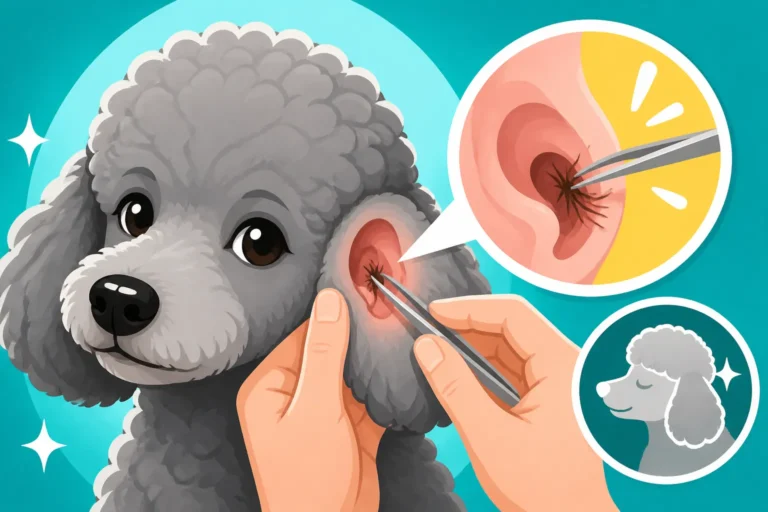
- Recurring ear infections: Poodles are prone to ear issues anyway, but if your Poodle is getting frequent, smelly, or painful ear infections, often caused by yeast or bacteria, it's a huge red flag for underlying allergies. You might find our article on Ear Infections Under a Poodle's Drop Ears helpful in understanding this specific problem.
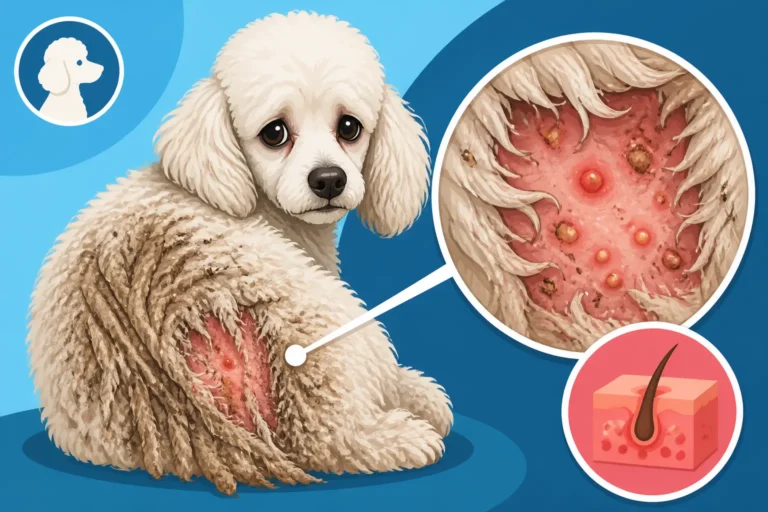
- Skin infections (pyoderma): Bacterial infections often present as pustules, crusts, or hot spots, while yeast infections can cause a greasy coat, a rancid odor, and darkened, thickened skin (hyperpigmentation), especially in chronic cases.
- Conjunctivitis: Red, watery eyes can sometimes be an allergic symptom, although less common than skin issues.
- Sneezing or nasal discharge: While less frequent in dogs than in humans, some Poodles with severe environmental allergies might display respiratory symptoms, akin to hay fever.
These symptoms paint a picture of ongoing discomfort for your Poodle, often requiring a multifaceted approach to both diagnose and manage.
When Is It More Than Just an Itch?
It's natural to dismiss an occasional scratch, but when the itching becomes relentless, when it's disrupting your Poodle's sleep or your own, or when it leads to visible skin changes, it's definitely "more than just an itch." A Poodle's sensitive nature means they often internalize discomfort, and while they may not always vocalize pain, their constant scratching is a clear cry for help.
Chronically itchy skin, left untreated, can lead to severe secondary issues. The constant inflammation and broken skin barrier make your Poodle highly susceptible to recurring bacterial and yeast infections. Over time, the skin can become thickened, leathery (lichenified), and darkened, losing its healthy elasticity. The fur may also become stained and brittle. Moreover, the psychological toll on your Poodle can be significant; persistent discomfort can lead to anxiety, irritability, and even changes in temperament. A Poodle who is usually affectionate might become withdrawn or even snappy if touched in sensitive, itchy areas. This highlights why it’s so important to seek veterinary advice when symptoms first appear.
Diagnosing and Pinpointing Poodle Allergens
When you notice those tell-tale signs of environmental allergies, the first, most crucial step is to involve your veterinarian. This isn't a problem you can effectively tackle alone, as many skin conditions mimic allergies, and secondary infections often need medical intervention. Getting a proper diagnosis ensures your Poodle receives the right treatment.
The Veterinary Consultation and Initial Steps
Your vet will start with a thorough physical examination and detailed history. Be prepared to answer questions about:
- When the itching started: Was it seasonal? Did it appear suddenly or gradually?
- Where the itching occurs: Is it all over, or concentrated in specific areas like paws or ears?
- What makes it better or worse: Does bathing help? Do certain environments trigger a flare-up?
- Your Poodle’s diet: What food do they eat? Have you changed it recently?
- Any other medications or supplements: Including flea and tick preventatives, which are crucial to rule out parasitic causes.
One of the first things your vet will want to rule out are external parasites like fleas or mites, as these can cause intense itching that looks very much like allergies. They might recommend a thorough flea treatment or a skin scraping to check for mites. They'll also likely check for secondary bacterial or yeast infections by taking samples (cytology) from your Poodle's skin or ears. These infections are almost always present with environmental allergies and need to be treated concurrently to bring immediate relief.
It's a process of elimination, and patience is key. Sometimes, an elimination diet might be suggested to rule out food allergies, which can present with similar skin symptoms. Our guide on Elimination Diets for an Itchy Poodle offers comprehensive advice if your vet suggests this route. Your vet might also discuss whether your Poodle might benefit from certain treatments that can reduce symptoms even before a definitive allergen is identified.
Unraveling the Mystery: Allergy Testing Options
Once other causes for itching have been ruled out, and if the symptoms are persistent and severe, your vet might suggest allergy testing to pinpoint the specific environmental allergens affecting your Poodle. There are two main types of tests:
- Intradermal Skin Testing (IDST): This is considered the "gold standard" for diagnosing environmental allergies. It's performed by a veterinary dermatologist. Your Poodle will be lightly sedated, a small patch of fur on their side will be shaved, and tiny amounts of various allergens (pollens, dust mites, molds) will be injected just under the skin. The dermatologist then observes for reactions (small red welts) at the injection sites, indicating sensitivity.
- Serum IgE Blood Testing: This involves taking a blood sample from your Poodle and sending it to a specialized lab. The lab measures the levels of specific IgE antibodies in the blood that are produced in response to common environmental allergens. While less invasive than IDST, its accuracy can vary, and it's generally considered less sensitive than intradermal testing.
Your vet will discuss which test is most appropriate for your Poodle, considering their specific situation, the severity of their symptoms, and your budget. Understanding the exact allergens can be immensely helpful in developing a targeted management plan, especially if immunotherapy (allergy shots) is an option. While the initial costs of testing and specialized consultations might seem daunting, organizations like Healthy Paws offer pet insurance plans that can help alleviate some of the financial burden for ongoing diagnostic and treatment care for chronic conditions like allergies.
| Diagnostic Step | Method | Purpose | Pros | Cons |
|---|---|---|---|---|
| History & Exam | Vet consultation, physical check, owner questionnaire | Rule out obvious causes, identify symptom patterns | Non-invasive, first step | Relies on owner observation, no specific allergen ID |
| Parasite Treatment | Medicated shampoos, oral/topical preventatives | Exclude fleas/mites as primary cause | Often provides immediate relief if parasites are the issue | Doesn't identify underlying allergies if parasites are not the cause |
| Cytology/Cultures | Skin/ear swabs, microscopic exam, lab cultures | Identify secondary bacterial/yeast infections | Quick, guides immediate antimicrobial treatment | Doesn't identify underlying allergen |
| Food Elimination Diet | Novel protein/hydrolyzed protein diet for 8-12 weeks | Rule out food allergies (which can mimic environmental allergies) | Definitive for food allergies | Long, strict, doesn't address environmental allergens |
| Intradermal Skin Test | Small allergen injections under sedated skin | Pinpoint specific environmental allergens | Gold standard, guides immunotherapy | Requires specialist, sedation, potentially costly |
| Serum IgE Blood Test | Blood sample sent to lab for antibody levels | Detect circulating antibodies to environmental allergens | Less invasive, more widely available | Variable accuracy, potential for false positives/negatives |
Managing Environmental Allergies in Your Poodle
Managing environmental allergies in Poodles is often a lifelong commitment that requires a multi-pronged approach. There’s no single magic bullet, but a combination of therapies, environmental control, and supportive care can significantly improve your Poodle’s comfort and quality of life. The goal is to reduce symptoms, prevent secondary infections, and minimize exposure where possible.
Medication and Medical Interventions
Your veterinarian will likely recommend a combination of medications to get your Poodle’s acute flare-ups under control and then to manage chronic symptoms. These can range from quick-relief options to long-term preventative measures.
- Antihistamines: While often the first thing people reach for, oral antihistamines (like diphenhydramine or cetirizine) are typically only effective in about 20-30% of allergic dogs. They might offer mild relief for some, but don't expect miracles for severe cases.
- Steroids (Corticosteroids): These are powerful anti-inflammatory medications (e.g., prednisone) that can provide rapid and dramatic relief from itching. They are often used for acute flare-ups. However, long-term use carries significant side effects, so vets try to use the lowest effective dose for the shortest possible time.
- Cyclosporine (Atopica): This is an immunosuppressant medication that can be very effective for chronic allergies. It works by modulating the immune system's response to allergens. It takes a few weeks to reach full effect, and side effects can include gastrointestinal upset, especially initially.
- Oclacitinib (Apoquel): A targeted anti-itch medication that works by inhibiting specific pathways involved in itching and inflammation. It's often highly effective and provides relief quickly, usually within hours. It's a popular choice for many Poodles due to its rapid action and fewer side effects than steroids, but it does have specific contraindications.
- Lokivetmab (Cytopoint): This is an injectable antibody treatment that targets and neutralizes a key protein involved in triggering itch. It's given as an injection every 4-8 weeks by your vet and can provide long-lasting relief without the systemic side effects of some oral medications. It's safe and highly effective for many Poodles and is a fantastic option for long-term management.
- Allergen-Specific Immunotherapy (ASIT): Often referred to as "allergy shots" or sublingual drops, this is the only treatment that actually changes your Poodle's immune response to allergens rather than just managing symptoms. Based on the results of allergy testing, a custom vaccine is formulated with tiny amounts of the specific allergens your Poodle reacts to. Over time, this desensitizes their immune system. It takes several months to see results and requires consistent administration, but it can be highly effective and may reduce the need for other medications long-term.
Working closely with your vet to find the right medication regimen for your individual Poodle is key. Pet insurance providers like Healthy Paws can often help cover the costs of these long-term medications and treatments, making ongoing care more accessible.
Environmental Control and Home Remedies
While medical interventions are crucial, creating a less allergenic environment at home is equally important to minimize flare-ups and support your Poodle's overall comfort. This is where your daily routine plays a huge role.
- Regular Bathing: Frequent bathing with a gentle, hypoallergenic shampoo can help wash allergens off your Poodle’s coat and skin. Your vet might recommend medicated shampoos for secondary infections. Always make sure to rinse thoroughly to avoid skin irritation from residual shampoo, and dry your Poodle completely to prevent moisture-related skin issues. Refer to Bathing and Drying a Poodle for best practices.
- Foot Soaks: For Poodles who primarily lick their paws, a daily foot soak in cool water or a diluted antiseptic solution (like chlorhexidine or Epsom salts, as advised by your vet) can remove allergens and soothe irritated skin.
- Keep Indoor Air Clean: Use HEPA air purifiers in rooms where your Poodle spends a lot of time to reduce airborne allergens like dust mites and pollen. Change HVAC filters regularly.
- Frequent Cleaning: Vacuum carpets and upholstery often with a vacuum cleaner equipped with a HEPA filter. Wash your Poodle's bedding weekly in hot water to kill dust mites. Consider dust mite covers for pet beds.
- Minimize Outdoor Exposure: During peak pollen seasons, try to walk your Poodle in the early morning or late evening when pollen counts are lower. Wipe down their paws and coat with a damp cloth or pet wipe after coming indoors from walks.
- Dietary Support: While not a treatment for environmental allergies, a high-quality diet rich in omega-3 fatty acids can support skin barrier health and reduce inflammation, making your Poodle's skin more resilient to allergens. Discuss appropriate supplements with your vet.
Implementing these changes consistently can make a noticeable difference. It's about reducing the overall allergic burden on your Poodle's system.
Supportive Care for Your Itchy Poodle
Beyond medications and environmental adjustments, providing consistent supportive care is paramount to your Poodle’s well-being when battling environmental allergies. It's about holistic comfort and managing the consequences of chronic itching.
- Regular Grooming: A Poodle's coat, while non-shedding, requires diligent grooming. Regular brushing helps remove loose hair, dander, and trapped environmental allergens. If your Poodle has an allergy flare-up, consider a shorter, more manageable clip (like a kennel clip) that allows for easier bathing and topical treatments. However, be cautious with very short clips, as exposed skin can be more susceptible to irritation. Our detailed guide on Brushing a Poodle to the Skin emphasizes the importance of thorough brushing to prevent matting, which can trap allergens and exacerbate skin issues.
- Ear Care: Given their propensity for ear infections, regular ear cleaning is essential. Your vet can recommend a suitable ear cleaning solution to use, especially after baths or swimming, to keep the ear canal dry and free of debris. Read Cleaning a Poodle's Ears After a Bath for practical tips.
- Topical Treatments: Sprays, mousses, or wipes containing soothing ingredients like colloidal oatmeal, hydrocortisone, or antimicrobials can provide localized relief and help treat secondary infections. Always consult your vet before applying any topical products to ensure they are safe and appropriate for your Poodle.
- Manage Stress: Chronic itching is stressful for your Poodle. Ensure they have a calm, consistent routine and plenty of mental stimulation to distract them from the itch. Puzzle toys, short training sessions, and interactive games can help keep their mind occupied. Sometimes, a Poodle's discomfort can even manifest as behavioral changes, so understanding Reading Pain in a Sensitive Poodle is crucial.
- Monitor Progress: Keep a journal of your Poodle's symptoms, treatments, and any triggers you notice. This information is invaluable for your vet to adjust the treatment plan over time. Take photos of skin flare-ups to share during appointments.
Managing environmental allergies is a marathon, not a sprint. It takes dedication, patience, and a close partnership with your veterinarian. With the right strategy, you can help your Poodle find significant relief and enjoy a much happier, less itchy life.
Disclaimer
The information provided in this guide is intended for general knowledge and informational purposes only, and does not constitute medical advice. Always consult with a qualified veterinarian or animal healthcare professional for any health concerns or before making any decisions related to your Poodle's health or treatment.