Testing a Poodle for Von Willebrand
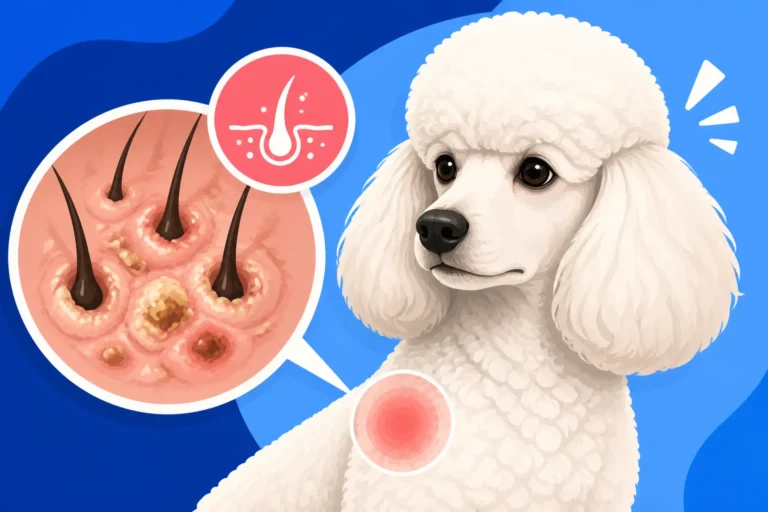
It’s a truly frightening thought: your beloved Poodle, usually so vibrant and full of life, suddenly experiences unexpected, severe bleeding after a minor injury or routine surgery. This terrifying scenario is often the first, stark introduction many Poodle owners have to Von Willebrand Disease (vWD), a hidden genetic bleeding disorder that can turn a simple scrape or a planned procedure into a life-threatening crisis. This guide is dedicated to shedding light on vWD in Poodles, helping you understand why testing is not just recommended, but absolutely essential for the well-being of your furry family member.
Understanding Von Willebrand Disease in Poodles
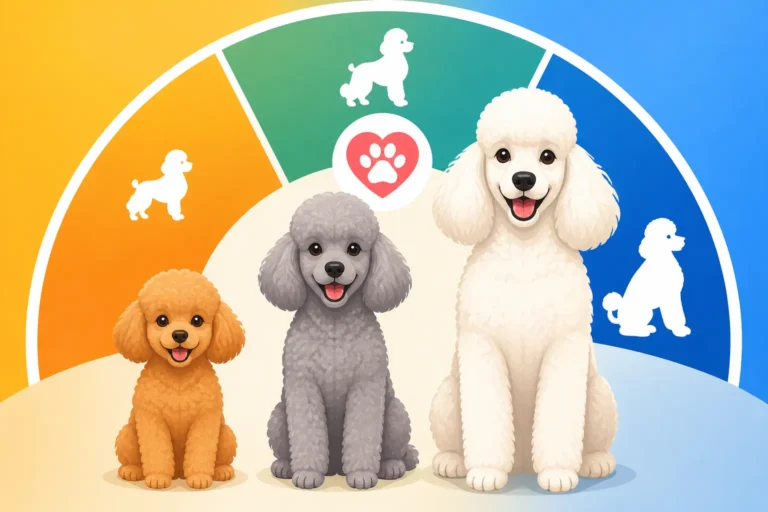
Von Willebrand Disease, or vWD, is the most common inherited bleeding disorder across various dog breeds, and Poodles, particularly Standard Poodles, are disproportionately affected. It’s not just a minor inconvenience; it can have serious implications for your dog’s health, especially if they need surgery or experience an accident. Understanding what vWD is and how it manifests is the first step in protecting your Poodle.
What is Von Willebrand Disease?
At its core, Von Willebrand Disease is a genetic condition that impacts the blood's ability to clot effectively. It's caused by a deficiency or abnormality of von Willebrand factor (vWF), a specific protein found in the blood plasma. This protein plays a crucial role in primary hemostasis, which is the initial phase of blood clot formation. Think of vWF as a vital glue that helps platelets (tiny blood cells responsible for clotting) stick to the site of injury and also to each other, forming a plug that stops bleeding. Without enough functional vWF, this initial plug can’t form properly, leading to prolonged or excessive bleeding.
While there are different types of vWD, Poodles primarily suffer from Type I, which is generally considered the mildest form but can still cause significant issues. In Type I, the Poodle produces some vWF, but not enough, and the vWF that is present is structurally normal. This means the problem isn't with the quality of the glue, but the quantity. Type II and Type III are rarer and more severe, involving either abnormal vWF or a complete absence of it, but these are less commonly seen in our Poodle pals.
Signs and Symptoms of vWD
The frustrating thing about vWD, especially Type I in Poodles, is that the signs aren't always glaringly obvious. Your Poodle might go about their daily life without any noticeable problems, making it easy to assume everything is fine. This silent nature is precisely why many owners only discover their Poodle has vWD when a significant bleeding event occurs – perhaps a deep cut, a necessary surgical procedure, or even a vigorous play session gone slightly wrong.
Common symptoms can include frequent nosebleeds, which might seem minor but recur often or are difficult to stop. You might also notice bleeding from the gums, especially after chewing on a hard toy or during routine dental care. Prolonged bleeding from minor cuts, punctures, or even nail trims is another tell-tale sign that should never be ignored. Some Poodles might develop excessive bruising with minimal trauma, or you might find blood in their urine or stool. It's truly unnerving when you realize that what seems like a small injury could lead to a far more serious bleeding episode simply because their blood isn't clotting correctly.
The severity of these bleeding episodes can vary dramatically, even among Poodles with the same vWD status. Some Poodles may experience very few, almost negligible issues throughout their lives, making diagnosis difficult without specific testing. Others might face life-threatening hemorrhages from procedures that would be routine for a healthy dog, like a simple spay or neuter. This unpredictable nature underscores why relying solely on observable symptoms is a risky approach for Poodle owners and breeders.
Why Poodles Are Prone to vWD
The reason Poodles have a higher predisposition to Von Willebrand Disease is rooted deeply in their genetics and historical breeding practices. Like many purebred dogs, Poodles, particularly Standard Poodles, have a relatively narrow gene pool, which can unfortunately concentrate certain genetic health issues. For more on this, you might find our article on Why the Standard Poodle Gene Pool Narrowed an insightful read. vWD Type I is an inherited condition, meaning it's passed down from parents to offspring. It's primarily considered an autosomal genetic disorder, which means the gene isn't linked to sex chromosomes, and it requires specific genetic combinations for a dog to be affected or a carrier.
When breeders, even well-meaning ones, unknowingly breed dogs that carry the vWD gene, they can inadvertently propagate the condition within a bloodline. Over generations, this can lead to a significant percentage of a breed population carrying or being affected by the disease. This is why responsible breeding practices are absolutely paramount. Without diligent genetic screening, it's easy for the vWD gene to silently spread through a lineage, only becoming apparent when affected puppies experience a serious bleeding crisis.
The challenge lies in the fact that carrier Poodles typically don't show any symptoms themselves, making it impossible to identify them without specific genetic testing. They appear perfectly healthy but can still pass on the problematic gene to their puppies. This makes the breeder's role in conducting proper health screenings before breeding indispensable. It's not about pointing fingers, but about ensuring the health and longevity of the breed through informed decisions.
The Crucial Role of Testing for vWD
Given the silent nature of Von Willebrand Disease and its potential for severe consequences, testing for this condition is one of the most proactive and responsible actions you can take as a Poodle owner or prospective buyer. It provides invaluable peace of mind and, more importantly, allows you and your veterinary team to make informed decisions about your Poodle’s care.
When to Test Your Poodle
There are several critical junctures when testing your Poodle for vWD is highly recommended, if not outright essential. For breeders, testing all breeding Poodles before they ever enter a breeding program is an absolute non-negotiable. This due diligence ensures that they understand the genetic makeup of their dogs and can make responsible choices to avoid producing affected puppies. Buyers of Poodle puppies should always inquire about the vWD status of the parents and, ideally, the puppy itself. If parentage is unknown or untested, individual puppy testing becomes crucial.
Beyond breeding considerations, comprehensive testing is vital before any invasive procedure your Poodle might undergo. This includes routine surgeries like desexing, dental cleanings, or any other operation where bleeding is a risk. Imagine the stress of finding out your Poodle has a bleeding disorder while they are already on the operating table – it’s a scenario no owner or vet wants to face. Our guide on Desexing Timing Across the Three Poodle Sizes often touches on pre-surgical health checks, and vWD testing should definitely be part of that discussion. Early knowledge allows your veterinary team to take preventative measures, potentially saving your Poodle's life. Furthermore, if your Poodle ever experiences any unexplained bleeding episodes, however minor they seem, immediate vWD testing should be on the diagnostic list.
Types of vWD Tests Available
Fortunately, several reliable tests are available to determine your Poodle's vWD status, each with its own advantages and specific applications. Understanding the differences between them can help you decide which is most appropriate for your situation, often in consultation with your veterinarian.
The DNA test is by far the most common and recommended method for screening Poodles for Type I vWD. It's highly reliable and incredibly non-invasive, usually requiring just a simple buccal (cheek) swab or a small blood sample. This test directly looks for the specific gene mutation associated with vWD Type I, which is prevalent in Poodles. The results are straightforward: your Poodle will be identified as "Clear," "Carrier," or "Affected." A "Clear" result means they have two normal copies of the gene and will not develop vWD or pass it on. A "Carrier" means they have one normal and one mutated copy; they typically won't show symptoms but can pass the gene to their offspring. An "Affected" Poodle has two copies of the mutated gene and is highly likely to experience bleeding episodes. One of the biggest advantages of the DNA test is that it can be performed at any age, even on young puppies, and the results aren't influenced by stress, medication, or other health conditions. Many reputable genetic testing companies offer these panels, often combined with other breed-specific genetic screenings.
Another important diagnostic tool is the vWF:Ag (von Willebrand Factor antigen) test. This is a blood test that measures the actual amount of von Willebrand factor protein present in your Poodle's blood plasma. While it's useful for dogs showing symptoms, it has some limitations, especially for screening purposes. The amount of vWF can be influenced by various factors, including stress, exercise, certain medications, and even the dog's age or heat cycle. This means results can fluctuate and might not always accurately reflect carrier status or even the full severity of the condition. While it provides insight into the functional level of vWF, it's generally considered less definitive than a DNA test for identifying carriers or for pre-breeding screening.
Finally, the Buccal Mucosal Bleeding Time (BMBT) test is a quick, in-clinic functional test performed by a veterinarian. It involves making a very small, superficial incision on the inside of the Poodle's lip and measuring how long it takes for the bleeding to stop. This test assesses overall platelet function and the initial stages of clotting. While it can indicate a general bleeding tendency, it's not specific to vWD and can be affected by other factors that impair clotting. It’s a good screening tool in an emergency or when other tests aren't immediately available, but it cannot definitively diagnose vWD or identify carriers. For comprehensive and accurate assessment, particularly in Poodles, the DNA test remains the gold standard.
Interpreting Test Results
Once you receive your Poodle's vWD test results, understanding what they mean is crucial for making informed decisions about their care and, if applicable, breeding. The DNA test provides the clearest picture, typically categorizing your Poodle into one of three groups:
-
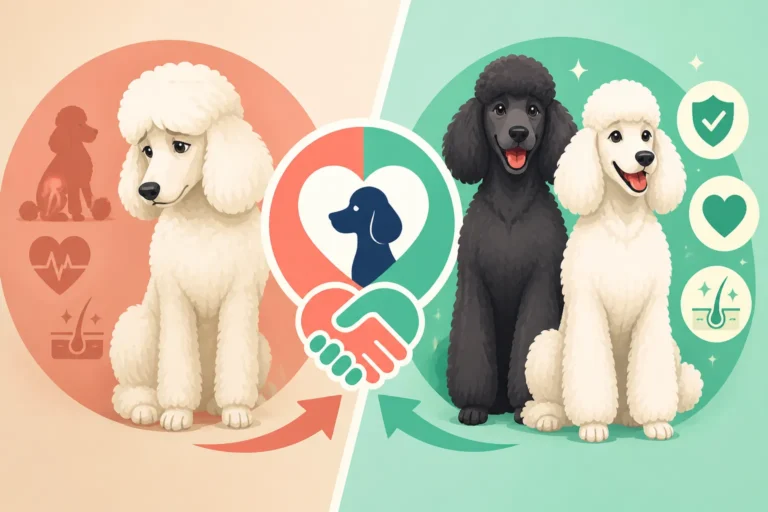
Clear: This is the ideal result. A Poodle identified as "Clear" has two normal copies of the vWF gene. This means they do not have Von Willebrand Disease, will not develop it, and cannot pass the genetic mutation on to any offspring. If you are considering breeding, a Clear dog is a safe choice to breed with any other Poodle, regardless of their status, without the risk of producing affected puppies.
-
Carrier: A "Carrier" Poodle has one normal copy and one mutated copy of the vWF gene. Typically, carrier Poodles do not exhibit clinical symptoms of vWD themselves, as the single normal gene usually produces enough vWF for adequate clotting. However, the critical implication is that they carry the gene and can pass it on to approximately 50% of their offspring if bred. For breeders, this means a carrier Poodle should only ever be bred with a "Clear" Poodle to ensure no affected puppies are produced. Breeding two carriers together, or a carrier with an affected dog, significantly increases the risk of producing affected puppies.
-
Affected: An "Affected" Poodle has two copies of the mutated vWF gene. These Poodles will very likely develop symptoms of Von Willebrand Disease, ranging from mild to severe bleeding episodes. They will pass on a mutated gene to all of their offspring. Consequently, Poodles identified as "Affected" should never be used for breeding purposes, as they will undoubtedly pass the condition on, perpetuating the disease within the breed.
It's absolutely vital to discuss your Poodle's test results with your veterinarian. They can provide personalized advice on how these results might impact your Poodle's health management, especially concerning any future surgeries or medical procedures. For instance, if your Poodle is a carrier, your vet might recommend specific precautions before a routine dental cleaning, even if they've never shown symptoms. This proactive approach ensures your Poodle receives the safest possible care tailored to their genetic predispositions.
Managing a Poodle with vWD and Long-Term Considerations
Discovering your Poodle is a carrier or affected by Von Willebrand Disease might feel overwhelming, but with proper understanding and proactive management, you can ensure they live a full and happy life. The key is working closely with your veterinarian and being prepared for potential challenges.
Pre-Surgery Precautions
One of the most critical times for a Poodle with vWD is when they need surgery or any procedure that carries a risk of bleeding. If your Poodle has been identified as a carrier or, especially, as affected, it is imperative that you inform your veterinarian well in advance of any scheduled procedure. This isn't just a suggestion; it's a critical piece of information that can literally be life-saving.
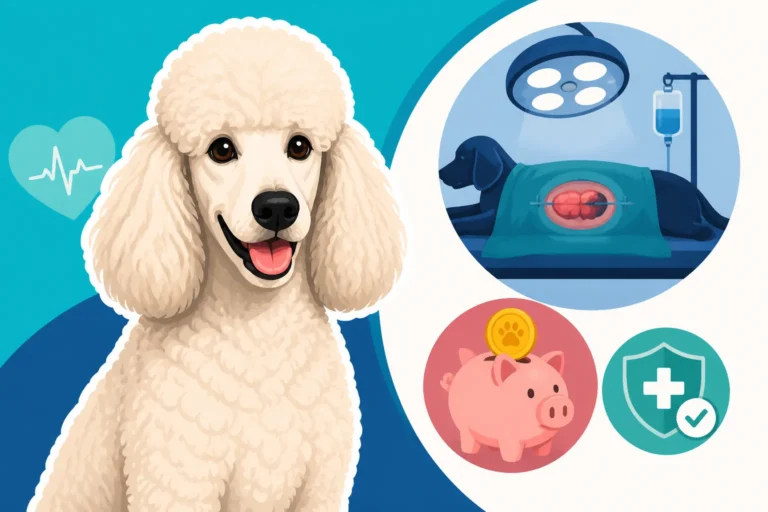
Your vet will likely recommend pre-operative blood work, which should include a full coagulation profile to assess their clotting ability more comprehensively. Based on these results and your Poodle's vWD status, your vet might opt for preventative measures. This often involves administering treatments like cryoprecipitate or fresh frozen plasma before or during surgery. These blood products contain concentrated von Willebrand factor and other clotting factors, essentially boosting your Poodle's ability to clot during a high-risk time. This proactive approach significantly reduces the chances of excessive bleeding during and after the procedure.
Additionally, your vet will advise you on medications to strictly avoid leading up to and after surgery. Non-steroidal anti-inflammatory drugs (NSAIDs) such as aspirin, ibuprofen, or even some common pain relievers can impair platelet function, making bleeding worse in a dog with vWD. It's crucial to always follow your vet’s instructions regarding medication. Post-surgery, your Poodle will require very close monitoring for any signs of prolonged bleeding, excessive bruising, or swelling at the incision site. Being prepared means your veterinary team can be ready to intervene immediately if complications arise. Knowing your Poodle's vWD status allows them to plan for success. For more on surgical considerations, you might want to read our article on Whether a Poodle Bleeds More in Surgery.
Living with an Affected Poodle
If your Poodle is diagnosed as affected by vWD, daily life will involve some thoughtful adjustments to minimize the risk of bleeding episodes. The goal is to create a safe environment and be vigilant for any potential issues. Start by trying to minimize the risk of injury. This means securing your home to remove hazards, avoiding overly rough play with other dogs or boisterous activities that could lead to accidental cuts or scrapes. When out and about, a well-fitting harness is often preferred over a collar, especially for smaller Poodles, to prevent undue pressure on the neck that could cause internal bruising or compromise delicate structures. You can learn more about this in our discussion on Why Harnesses Matter for a Toy Poodle's Throat.
It's vital to seek prompt veterinary attention for any bleeding, no matter how minor it seems. What might be a small cut for a healthy dog could become a significant issue for a Poodle with vWD. Keep your vet informed of any new symptoms or episodes. While there's no cure for vWD, some vets might discuss specific dietary considerations or supplements, but these should always be used under professional guidance, as some supplements can actually thin the blood. Maintaining open communication with your veterinary team is paramount.
Living with an affected Poodle also means being prepared for emergencies. Know your vet’s emergency contact information and location, and discuss an emergency protocol with them in advance. This might include knowing if they keep cryoprecipitate or fresh frozen plasma on hand. Financially, the costs associated with managing vWD, including emergency treatments, specialized pre-surgical care, and potential transfusions, can add up quickly. This is where pet insurance can truly be a lifesaver. Companies like Healthy Paws offer comprehensive coverage that can help offset the financial burden of unexpected veterinary bills, allowing you to focus on your Poodle’s health without undue stress. Investing in a good policy, ideally before any diagnosis, can provide a crucial safety net for these situations.
The Ethical Breeder's Role
For the long-term health of the Poodle breed, ethical and responsible breeders play an absolutely pivotal role in controlling and ultimately reducing the prevalence of Von Willebrand Disease. Their commitment to genetic testing is not just a preference; it's a fundamental responsibility. Reputable breeders routinely test all their breeding stock for vWD, alongside other common Poodle ailments, before making any breeding decisions. This proactive approach ensures they have a clear understanding of the genetic health of their Poodles. Our articles like What a Poodle Breeder Must Test For and Genetic Panels for the Three Poodle Sizes delve deeper into the importance of comprehensive health screening for breeding dogs.
Transparency is another cornerstone of ethical breeding. A responsible breeder will readily provide prospective puppy buyers with documentation of the vWD test results for both the sire and dam of a litter. They won’t just tell you the parents are "clear"; they’ll show you the official certificates from the testing laboratory. This level of honesty allows buyers to make an informed choice and feel confident about the health lineage of their future Poodle puppy.
Beyond testing and transparency, ethical breeders also take on the crucial task of educating puppy buyers. They will explain what vWD is, what the test results mean, and why ongoing monitoring or awareness is important, even for clear puppies whose parents were tested. They understand that their responsibility extends beyond the sale of a puppy, encompassing the long-term well-being of the dogs they bring into the world. By rigorously avoiding breeding affected dogs and carefully managing carrier pairings (breeding carriers only to clear dogs), ethical breeders are actively working to reduce the incidence of vWD, striving for healthier generations of Poodles.
| Test Type | What it Measures | Method | Accuracy for vWD Type I in Poodles | Advantages | Disadvantages |
|---|---|---|---|---|---|
| DNA Test | Presence of vWF gene mutation | Buccal swab or blood sample | High (identifies Clear, Carrier, Affected) | Highly accurate, non-invasive, can be done at any age, results not affected by external factors, definitive for breeding decisions. | May not detect rarer vWD types, requires a specific genetic panel, does not measure actual vWF function. |
| vWF:Ag Test | Amount of vWF protein in blood plasma | Blood sample | Variable (measures quantity, not directly mutation) | Measures actual protein levels, useful for confirming symptomatic dogs, can indicate bleeding tendency. | Results can fluctuate due to stress, age, hormones, medication. Less reliable for identifying carriers than DNA test. Does not directly identify genetic mutation. |
| Buccal Mucosal Bleeding Time (BMBT) | Time for a small incision to stop bleeding | Small incision on gum by vet | Low (general clotting screen, not vWD specific) | Quick, in-clinic, immediate results, indicates overall platelet function. | Not specific to vWD, affected by other factors influencing clotting, does not identify carriers or genetic mutation, poor sensitivity for mild vWD. |
Disclaimer
Please note that this article is intended for informational purposes only and does not constitute veterinary advice. Always consult with a qualified veterinarian for any health concerns or before making any decisions about your Poodle's care, diet, or treatment. Genetic testing and interpretation should be done in consultation with your vet or a certified canine genetic counselor.