Whether Outcrossing Helped Standard Poodle Health
It's a heartbreaking reality for many Standard Poodle owners: the frustration of facing complex, often debilitating health issues that seem to disproportionately affect this magnificent breed. From puzzling autoimmune disorders to certain cancers, these challenges can cast a shadow over what should be a joyful companionship. This guide delves into a key discussion within the Poodle community: whether outcrossing, a genetic strategy, has truly helped improve the health of Standard Poodles, exploring the reasons behind these concerns and the complex solutions attempted.
Understanding the Standard Poodle's Genetic Predicament
The Standard Poodle, for all its intelligence and regal bearing, has faced a particularly tough road when it comes to certain inherited health conditions. It's not just bad luck; there are deeply rooted reasons in the breed's history and genetic makeup that explain this vulnerability. For any Poodle owner, understanding this background is crucial to advocating for their dog's health.
The Narrowing Gene Pool and Its Consequences
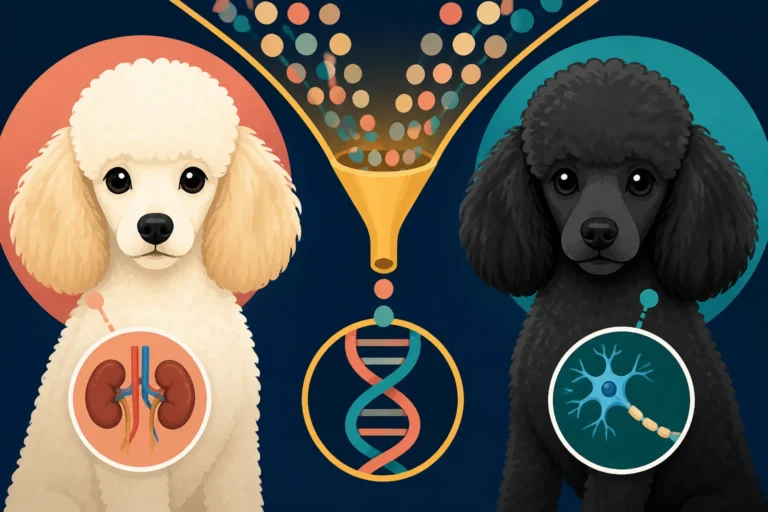
For generations, purebred dog breeding has often focused on refining specific traits, like appearance or performance. While this creates a recognizable "type," it can come at a significant cost: a dangerously narrowed gene pool. In Standard Poodles, this has meant that certain genes, good and bad, became highly concentrated within the population. When a limited number of individuals contribute disproportionately to the next generation, genetic diversity plummets. It’s like repeatedly shuffling the same deck of cards; eventually, you’ll see the same combinations over and over again.
This lack of genetic variety means that if a particular deleterious gene exists within that small pool, it has a much higher chance of being passed on and expressed. Instead of a broad genetic library where harmful genes might be recessive and rare, they become more common. This makes the entire population more susceptible to certain hereditary conditions, even if individual breeders are trying their best to avoid them. You can learn more about this by exploring topics like Why the Standard Poodle Gene Pool Narrowed.
The Rise of Autoimmune Challenges
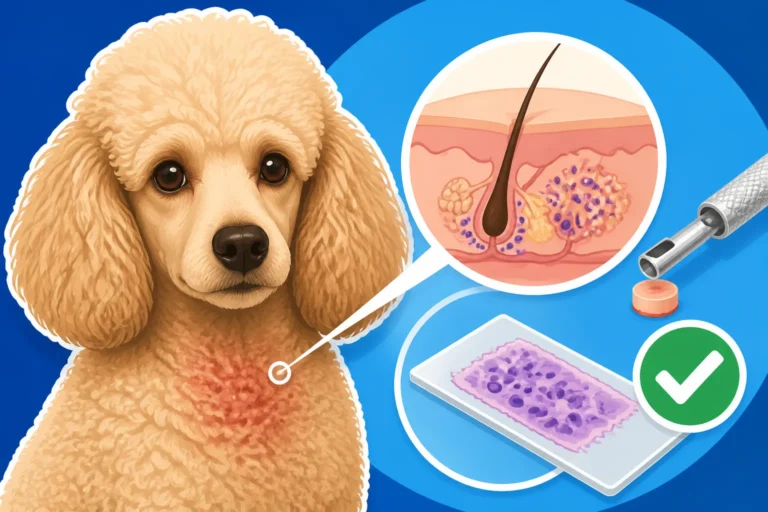
One of the most profound and heartbreaking consequences of this narrowed gene pool in Standard Poodles has been the alarming rise of autoimmune diseases. Conditions like Addison's Disease, where the adrenal glands don't produce enough hormones, or Sebaceous Adenitis (SA), a skin condition that destroys sebaceous glands, are far more prevalent in Standard Poodles than in many other breeds. It’s a bitter pill for owners to swallow, watching their vibrant, intelligent companions slowly decline from conditions that attack their own bodies.
What's particularly insidious about autoimmune diseases is that the immune system, designed to protect the body from outside threats, mistakenly attacks healthy tissues. This suggests a systemic genetic predisposition, often linked to complex inheritance patterns that are difficult to breed away from when the genetic variation is low. The immune system's intricate mechanisms are governed by many genes, and when key variations are lost, the system can become dysregulated. It's a cruel twist of fate that a dog bred for its beauty and brains can be so vulnerable to its own biology. Understanding conditions like Addison's Disease in Standard Poodles and Sebaceous Adenitis and the Poodle Coat highlights these specific breed challenges.
What Outcrossing Entails and Why It Was Considered
Given the serious health issues plaguing Standard Poodles, particularly the prevalence of autoimmune diseases, breeders and geneticists began to explore radical solutions. One such solution, known as outcrossing, sparked considerable debate and controversy within the Poodle world. It represented a significant departure from traditional breeding philosophies, pushing the boundaries of what it means to be a "purebred" dog.
Defining Outcrossing in Canine Breeding
In the world of purebred dogs, "outcrossing" can refer to a few things, but in the context of addressing widespread genetic health issues, it typically means breeding a dog of one breed to a dog of an entirely different breed. The goal is to introduce new, healthy genetic material into a population that has become too genetically homogeneous. Imagine a family tree that has become so intertwined that everyone shares too many common ancestors; outcrossing is like introducing a completely new branch to that tree, bringing in fresh genetic diversity.
This is distinct from outcrossing within a breed, which refers to breeding two unrelated individuals of the same breed to reduce coefficients of inbreeding. While valuable, intra-breed outcrossing might not be enough if the entire breed's gene pool is already too shallow. For severe genetic bottlenecks, some advocates believe that the more drastic measure of inter-breed outcrossing is necessary to truly reset the genetic clock. This strategy is about expanding the genetic toolkit available to the Poodle, hoping to dilute undesirable genes and strengthen the immune system.
The Specific Goals for Standard Poodle Health
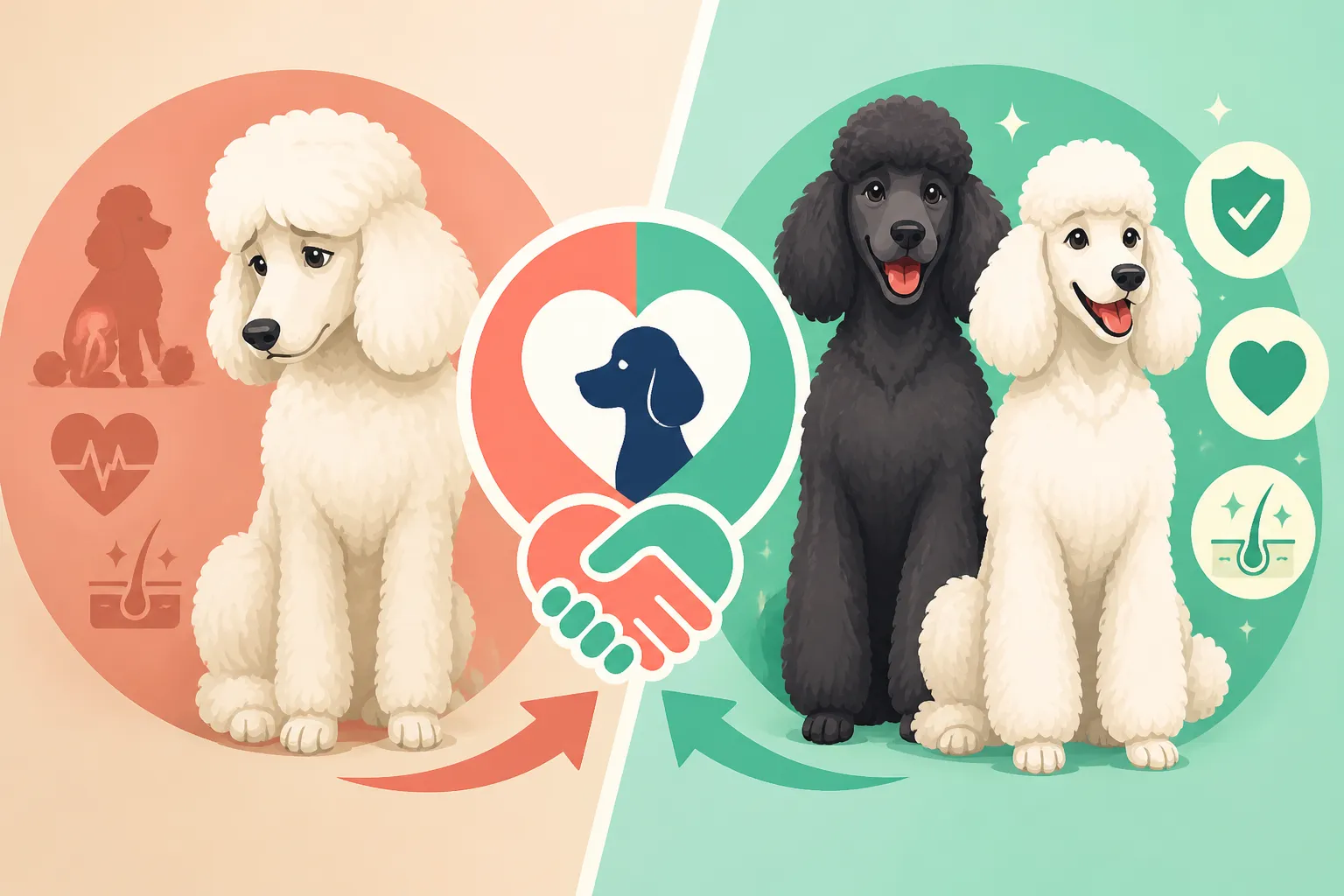
For Standard Poodles, the primary goal of outcrossing was to combat the high incidence of autoimmune diseases and improve overall vitality. Breeders hoped that by introducing genes from a robust, healthy, and unrelated breed, they could essentially "reboot" the Poodle's immune system and introduce new genetic combinations that were less prone to malfunction. The idea was to break the cycle of passing on genetic predispositions to conditions like Addison's and Sebaceous Adenitis, which had become rampant.
One breed frequently discussed for outcrossing was the Portuguese Water Dog (PWD). PWDs share some ancestral heritage with Poodles as water retrievers, possess a similar non-shedding coat (though with a different texture), and are generally considered a healthy breed with a broader genetic base. The hope was that PWD genetics could provide the necessary diversity to bolster the Poodle's immune system, reduce disease susceptibility, and increase what breeders call "hybrid vigor" – an overall improvement in health and resilience. It was a calculated risk, aiming for a healthier future at the cost of temporarily altering breed type. Many discussions around this focused on understanding What Inbreeding Did to Standard Poodle Immunity.
The Implementation and Impact of Standard Poodle Outcrossing Programs
The decision to outcross a beloved purebred dog breed is never taken lightly. It stirs passionate debate, challenges long-held traditions, and brings with it a host of logistical and ethical considerations. For the Standard Poodle, the journey of outcrossing has been complex, marked by both controversy and cautious optimism.
Early Efforts and Controversies
The concept of outcrossing for Standard Poodles began to gain traction in the late 20th century, particularly in response to the growing alarm over autoimmune disease prevalence. Breeders, often working outside of mainstream kennel club recognition for these specific crosses, embarked on carefully planned programs. These early efforts involved selecting a suitable outcross breed, typically the Portuguese Water Dog, for the reasons mentioned earlier, and then backcrossing the offspring to purebred Poodles for several generations. The goal was to retain Poodle type while introducing new genetic material.
However, these initiatives were far from universally accepted. Traditionalists within the Poodle community and various kennel clubs often viewed outcrossing as a threat to breed integrity, purity, and the very definition of a "Standard Poodle." Concerns ranged from the introduction of undesirable physical traits (like different coat textures or ear sets) to potential behavioral changes. The administrative challenge of registering these "Poodle crosses" in a system designed for purebred lineage also created significant hurdles. It was a clash of ideologies: preserving tradition versus prioritizing health. Some breeders faced ostracization for daring to step outside the conventional breeding box, highlighting the deeply personal and often emotional nature of these decisions within the dog fancy.
Assessing the Health Outcomes and Genetic Diversity
So, after years of these programs, what have been the actual health outcomes? It's a question with no simple answer, and the results are often debated. On the one hand, proponents point to evidence of increased genetic diversity in the lines that incorporated outcrossing. By analyzing genetic markers, it’s been shown that these dogs often have a lower coefficient of inbreeding and a broader genetic profile. This broader diversity theoretically makes them more robust and less susceptible to the specific diseases that plagued the narrower lines. Articles like Whether a Coefficient of Inbreeding Matters in Poodles delve into these measurements.
However, definitively proving a significant reduction in the overall incidence of autoimmune diseases across the entire Standard Poodle population due to outcrossing is challenging. These diseases are complex, often multifactorial, and can have varying expressions. While individual outcross lines might show improved health, it takes many generations and widespread adoption of such practices to shift an entire breed's health profile. Some critics argue that the positive effects, while present, haven't been as dramatic as initially hoped, or that other factors, like better health testing within the purebred population, have had a more measurable impact. It’s an ongoing process of data collection and evaluation.
The Ongoing Debate and Future of Standard Poodle Health
The debate surrounding outcrossing and its impact on Standard Poodle health continues to this day. There's no consensus within the broader Poodle community about whether it was a definitive "success" or a necessary, if controversial, step. Some breeders continue to advocate for and utilize careful outcrossing, meticulously selecting pairings and backcrossing to reintroduce Poodle type while retaining genetic vigor. Others have chosen to focus on increasing genetic diversity within the existing Standard Poodle gene pool, using a wide array of genetic panels and health clearances to make informed breeding decisions.
The future of Standard Poodle health likely lies in a multi-pronged approach. This includes continued genetic research, responsible breeding practices that prioritize diversity and health over exaggerated type, and open dialogue within the breeding community. The discussion around outcrossing has, at the very least, brought critical attention to the urgent need for addressing inherited diseases in the breed, pushing everyone to think more deeply about long-term genetic health. The complexity of conditions like How Two Poodle Diseases Share One Bottleneck underscores the need for continuous vigilance and adaptation.
| Genetic Strategy | Primary Goal | Impact on Genetic Diversity | Predictability of Traits | Risk for Recessive Diseases | Breed Type Retention | Acceptance by Breed Clubs |
|---|---|---|---|---|---|---|
| Intensified Linebreeding | Fix specific desired traits, enhance type | Significantly reduced | High | High | Very high | High (if results are good) |
| Outcrossing (within Poodle) | Increase vigor, reduce close relatedness | Moderately increased | Moderate | Reduced | High | High |
| Outcrossing (inter-breed, e.g., PWD) | Drastically increase diversity, introduce new genes | Dramatically increased | Low (initial generations) | Significantly reduced | Moderate to Low | Low (typically creates new breed types/controversy) |
Alternative and Complementary Approaches to Poodle Health
While outcrossing has been a significant part of the conversation, it's by no means the only path to a healthier future for Standard Poodles. Many breeders and owners are focusing on a combination of responsible practices and proactive care to ensure their beloved dogs live long, full lives. These strategies are often more immediately actionable for the average Poodle enthusiast.
The Importance of Responsible Breeding Practices
Regardless of whether outcrossing is part of a breeder's program, responsible breeding practices remain the cornerstone of improving canine health. This starts with comprehensive health testing. A reputable breeder will not only screen their breeding stock for common Poodle ailments like hip and elbow dysplasia, eye conditions (like PRA), and thyroid issues, but also for specific genetic markers related to autoimmune diseases where available. Programs like the Orthopedic Foundation for Animals (OFA) and various DNA testing labs offer valuable tools for breeders to make informed decisions. Knowing the health history of multiple generations on both the sire's and dam's side is absolutely vital. You can investigate more on this by reading about What a Poodle Breeder Must Test For and Genetic Panels for the Three Poodle Sizes.
Furthermore, responsible breeding emphasizes genetic diversity within the existing Poodle gene pool. This means avoiding breeding dogs that are too closely related, even if they possess desirable traits. Breeders should look at the coefficient of inbreeding (COI) for potential pairings and strive to keep it as low as possible while still maintaining breed type and health. It’s a delicate balance, requiring breeders to be knowledgeable about genetics, open to sharing information, and committed to transparency. Ultimately, the goal is to produce puppies that are not only beautiful and intelligent but also robust and healthy, reducing the heartbreak of preventable genetic diseases. When seeking a Poodle, understanding Finding a Poodle Breeder Who Tests is paramount.
Supporting Poodle Health Through Owner Care
Even with the best breeding practices, the health of a Poodle greatly depends on the care it receives throughout its life. Owners play an immense role in supporting their Poodle's well-being, from puppyhood through their senior years. This includes providing a high-quality, balanced diet tailored to their size and activity level, ensuring they get adequate exercise for both body and mind, and maintaining a consistent schedule of veterinary check-ups. Regular grooming, often overlooked, is also vital for preventing skin issues and detecting lumps or changes early on. For more general insights into how size affects health risks, consider reading Why Poodle Health Splits by Size.
Beyond the basics, proactive health monitoring is critical. Poodles, being intelligent and sometimes stoic, can be good at hiding discomfort. Owners should be vigilant for subtle changes in appetite, energy levels, coat condition, or behavior that could signal an underlying health issue. Early detection is often key to successful treatment for many conditions, including those like Poodle Allergies and Skin Reactions. Finally, considering pet insurance from providers like Healthy Paws can be a financial lifeline, ensuring that if a serious health condition does arise—whether it's an autoimmune flare-up or an unforeseen injury—owners aren't forced to choose between their dog's health and their financial stability. It offers peace of mind when facing potentially expensive treatments, covering eligible accidents and illnesses.
Disclaimer
This article is for general informational purposes only and does not constitute professional advice. Laws, prices and regulations vary by location and change over time. Consult a qualified professional for guidance on your specific situation.