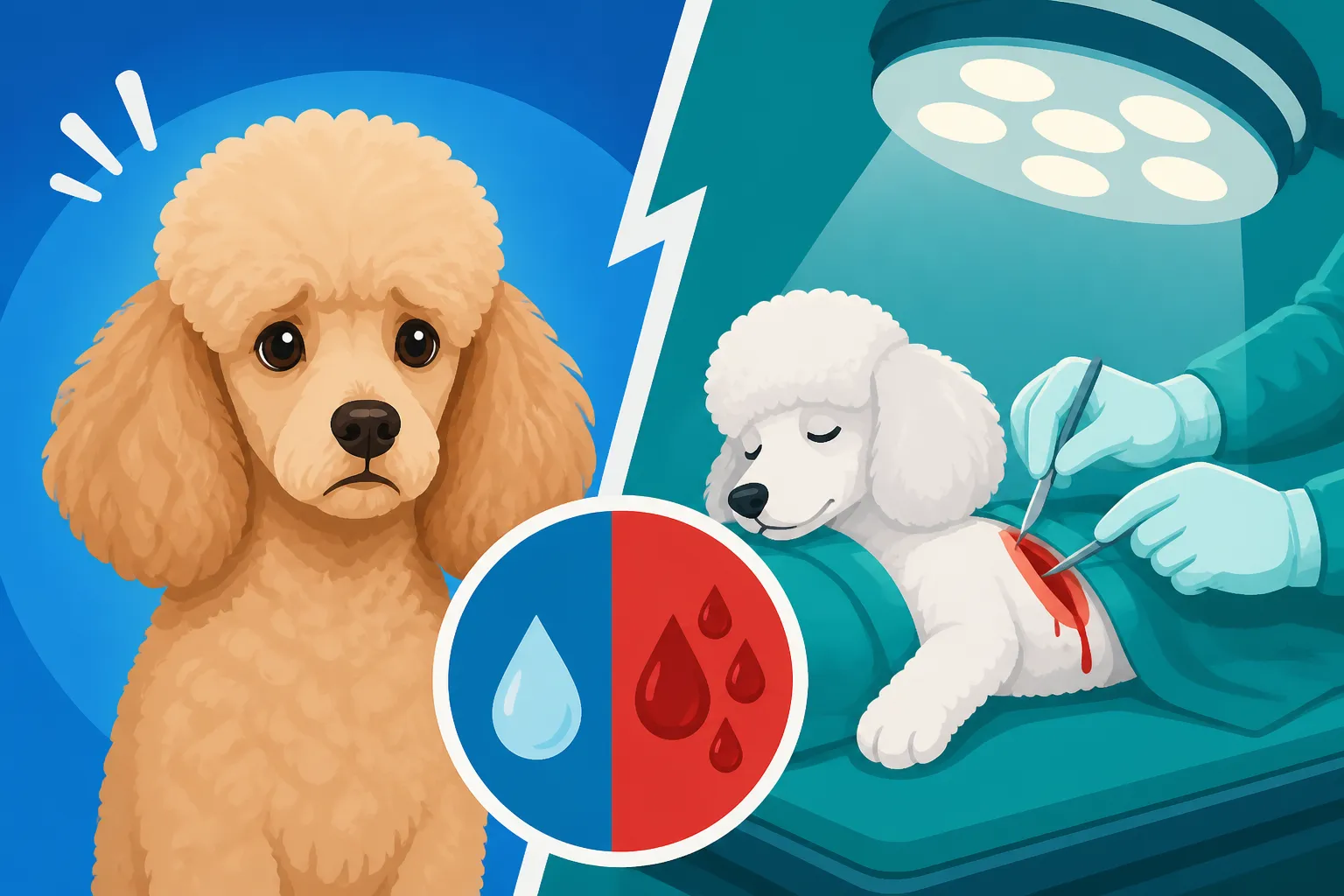
Whether a Poodle Bleeds More in Surgery
The thought of your beloved Poodle needing surgery is enough to make any owner anxious. Beyond the general worries about anesthesia and recovery, many Poodle parents find themselves fretting over a very specific concern: do Poodles bleed more during surgical procedures? It's a valid question, rooted in a very real genetic predisposition found within the breed. This guide will delve deep into why this concern exists, how veterinarians address it, and what you, as a Poodle owner, need to know to ensure the safest possible outcome for your furry family member.
Understanding Poodle Blood Clotting and Surgical Risks
When we talk about surgery, one of the primary concerns for any patient, human or animal, is managing blood loss. The body has an intricate system designed to stop bleeding, but sometimes, genetic factors can throw a wrench into this delicate process.
The Basics of Canine Coagulation
Imagine a cut on your Poodle's paw. Immediately, a complex biological dance begins. First, tiny cells called platelets rush to the injury site, forming a temporary plug. Then, a cascade of proteins, known as clotting factors, get activated, weaving a fibrin mesh that strengthens this plug into a stable clot. This entire process, known as hemostasis, is vital for preventing excessive blood loss during injury or surgery.
For a healthy dog, this system works seamlessly, allowing surgeons to perform necessary procedures with predictable blood management. However, for some Poodles, particularly Standard Poodles, this natural clotting process can be compromised due to an inherited condition. Understanding this fundamental mechanism helps us appreciate why certain breeds, including Poodles, require special consideration. Even routine procedures, from a simple dental cleaning to a spay or neuter, rely heavily on effective coagulation to prevent complications.
The Specific Concern: Von Willebrand Disease (vWD) in Poodles
The reason Poodle owners often worry about excessive bleeding is largely due to the breed's known propensity for Von Willebrand Disease, or vWD. This isn't just a vague fear; it's a very real, inherited bleeding disorder that impacts the body's ability to form proper blood clots.
Von Willebrand Factor (vWF) is a crucial protein that acts like glue, helping platelets stick together and to the injured blood vessel wall. It also carries another important clotting factor (Factor VIII) in the bloodstream. In dogs with vWD, there's either a deficiency in the amount of vWF or a defect in its function. This means their platelets can't form a strong initial plug, and the subsequent fibrin mesh might not be as robust, leading to prolonged or excessive bleeding.
There are different types of vWD, with Type I being the most common in Poodles, especially Standard Poodles. Type I is characterized by a reduced but still present amount of vWF. Type II is less common but more severe, involving a defective vWF. Type III is the most severe, with a near-complete absence of vWF. Knowing which type, if any, your Poodle might have is incredibly important for surgical planning. It's a silent threat that can turn a routine surgery into a life-threatening emergency if not identified and managed proactively. This specific inherited condition is why many breeders emphasize genetic testing, and it forms a significant part of discussions around Von Willebrand Disease in Poodles.
Diagnosing Von Willebrand Disease Before Surgery
Given the potential for serious complications, proactive diagnosis of vWD is not just recommended, it's often essential for Poodles undergoing any surgical procedure. You simply can't assume everything will be fine without proper screening.
Why Pre-Surgical Screening is Crucial
The truth is, you can't tell if a dog has vWD just by looking at them. Many Poodles with vWD live completely normal lives without any noticeable bleeding issues until they face a significant injury or, you guessed it, surgery. A minor cut might bleed a bit longer, or a bruise might seem a little larger, but these subtle signs are easily missed. This makes pre-surgical screening not just helpful, but absolutely critical. Without it, you're rolling the dice, putting your Poodle at unnecessary risk during a time when their body needs to perform at its best to heal.
Imagine arriving at the vet for a routine dental cleaning, only to discover hours later that your Poodle is bleeding excessively from the gums. This kind of scenario is precisely what pre-surgical screening aims to prevent. Knowing your Poodle's vWD status allows your veterinary team to implement specific protocols to minimize bleeding risk, ensuring a much safer experience. It’s part of the comprehensive approach that reputable breeders take when considering Why a Poodle Breeder Must Test For and why you should too.
Common Diagnostic Tests for vWD
Thankfully, modern veterinary medicine offers several reliable ways to test for vWD. Each test provides different pieces of the puzzle, and your vet might recommend one or a combination based on your Poodle's individual risk factors and the clinic's capabilities.
-
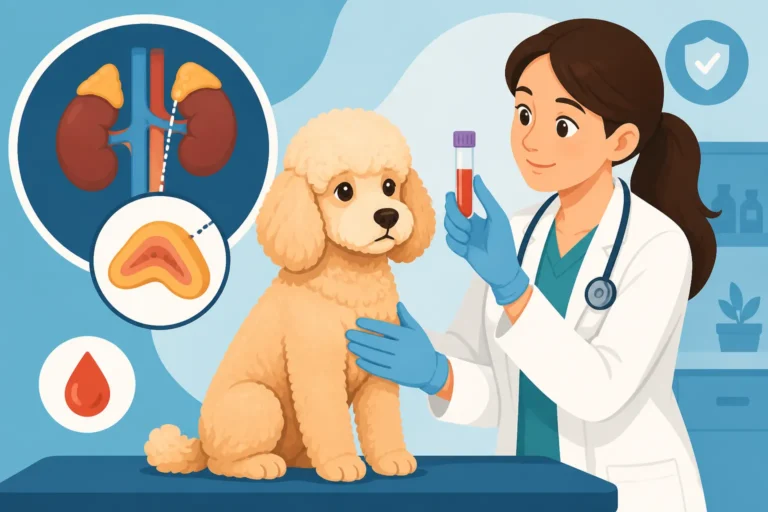
Buccal Mucosal Bleeding Time (BMBT): This is often the first-line screening test because it's relatively simple and quick to perform. A small, standardized incision is made on the inside of your Poodle's lip (buccal mucosa), and the time it takes for the bleeding to stop is measured. A prolonged bleeding time suggests a primary hemostasis defect, which can be indicative of vWD or other platelet disorders. While it's a good screening tool, a normal BMBT doesn't definitively rule out all forms of vWD, especially milder cases, as it only assesses the initial platelet plug formation, not the overall clotting factor levels.
-
Specific vWF Antigen Test (vWF:Ag): This is considered the gold standard for diagnosing vWD. It's a blood test that measures the actual amount of Von Willebrand factor protein present in your Poodle's plasma. Results are usually reported as a percentage of normal. Dogs with low percentages are considered affected. For example, a Poodle with vWF:Ag levels below 50% might be considered affected, with lower percentages indicating more severe disease. This test is highly accurate for identifying dogs with Type I vWD, which is most relevant to Poodles.
-
Genetic DNA Testing: This is perhaps the most definitive way to determine if your Poodle carries the genetic mutation for vWD, particularly Type I. A simple cheek swab or blood sample can be sent to a specialized lab for analysis. The results will tell you if your Poodle is clear, a carrier (meaning they have one copy of the gene but typically don't show symptoms), or affected (meaning they have two copies and are at risk of bleeding). DNA testing has the advantage of being able to identify affected dogs and carriers even before symptoms appear, or before they are old enough for a vWF:Ag test to be accurate. It's an invaluable tool for breeders but also for pet owners who want to know their Poodle's genetic blueprint. You can learn more about this by researching Testing a Poodle for Von Willebrand.
Here's a quick comparison of the tests:
| Test Type | What It Measures | How It's Done | Pros | Cons |
|---|---|---|---|---|
| Buccal Mucosal Bleeding Time (BMBT) | Time for initial platelet plug to form | Small lip incision | Quick, immediate results, inexpensive | Not specific to vWD, can be influenced by other factors |
| vWF Antigen Test (vWF:Ag) | Quantity of vWF protein in blood | Blood sample | Gold standard for Type I vWD, quantitative | Requires lab, can be affected by stress/illness |
| Genetic DNA Test | Presence of vWD gene mutation | Cheek swab or blood | Definitive for carriers/affected, predictive | Only available for specific vWD types (e.g., Type I) |
Understanding these tests helps you have an informed conversation with your vet about the best course of action for your Poodle before any elective or emergency surgery.
Managing a Poodle with vWD During and After Surgery
Discovering your Poodle has vWD can be daunting, but it doesn't mean surgery is off the table. It simply means a more careful, proactive approach is needed, working closely with your veterinary team.
Pre-Surgical Preparations for an Affected Poodle
If your Poodle is diagnosed with vWD, especially if they are symptomatic or have very low vWF levels, your vet will likely implement several strategies before surgery begins. The primary goal is to transiently increase the functional Von Willebrand factor and Factor VIII in their system to support normal clotting.
One common and highly effective method is fresh frozen plasma (FFP) transfusions. FFP is plasma collected from healthy donor dogs and quickly frozen to preserve its clotting factors, including vWF. Administering FFP before surgery essentially "tops up" your Poodle's supply of these crucial proteins, giving their blood the tools it needs to clot properly during and after the procedure. Cryoprecipitate, a specific fraction of FFP, is even richer in vWF and Factor VIII, and might be used in more severe cases.
For Poodles with Type I vWD, another option might be the administration of desmopressin acetate (DDAVP). This synthetic hormone isn't a clotting factor itself, but it can stimulate the release of stored vWF from the endothelial cells lining blood vessels. It’s typically given intravenously a short time before surgery. However, DDAVP is only effective in Poodles with Type I vWD who still have some stored vWF to release, and its efficacy can vary between individuals.
Your vet will also meticulously review all medications and supplements your Poodle is currently taking. Certain drugs, particularly non-steroidal anti-inflammatory drugs (NSAIDs) like Rimadyl or Metacam, and even aspirin, can interfere with platelet function and exacerbate bleeding. These will almost certainly be discontinued well in advance of surgery and alternative pain management plans will be put in place. This careful approach to preparation is paramount for minimizing the risks associated with Whether a Poodle Bleeds More in Surgery.
Intra-Operative Care and Post-Operative Monitoring
During the surgery itself, the veterinary team will be hyper-vigilant. The surgeon will employ meticulous hemostasis techniques, carefully ligating blood vessels and minimizing tissue trauma to reduce bleeding. Advanced equipment, such as electrocautery, might be used to seal small blood vessels quickly. The anesthesiologist will also play a critical role, maintaining stable blood pressure and ensuring adequate oxygenation, which are both important for optimal clotting function.
Post-operatively, the care continues with intense monitoring. Your Poodle will be watched closely for any signs of excessive bleeding from the surgical site, unusual bruising, or internal bleeding (which can manifest as pale gums, lethargy, or abdominal swelling). Pain management will be crucial, but again, care will be taken to use medications that do not compromise clotting. Options like opioids are often preferred over NSAIDs in the immediate post-operative period for vWD-affected Poodles.
A quiet, stress-free recovery environment is also important. Too much activity too soon could dislodge clots and restart bleeding. Your vet might recommend a longer hospital stay to ensure they can provide this close observation, especially in the first 24-48 hours after surgery, which is typically the most critical period. Having a robust pet insurance plan, such as those offered by Healthy Paws, can certainly alleviate the stress of prolonged hospitalization and specialized care costs in such situations.
Other Factors Affecting Bleeding Risk in Poodles
While Von Willebrand Disease is the big elephant in the room for Poodles and bleeding, it's certainly not the only factor. A dog's overall health and the specifics of their care can also significantly influence how they handle surgery and manage blood loss.
Medications and Supplements
It's astonishing how many seemingly innocuous medications or supplements can actually interfere with the body's clotting mechanisms. As mentioned, common NSAIDs are a big one, as they can inhibit platelet function. But the list doesn't stop there. Certain antibiotics, even some popular herbal supplements like ginkgo biloba or high doses of fish oil, can have anticoagulant properties. Vitamin E, while beneficial in some ways, can also sometimes thin the blood if given in very large quantities.
This is why it is absolutely vital to provide your veterinarian with a complete and accurate list of everything your Poodle is consuming – prescription medications, over-the-counter drugs, vitamins, supplements, and even any specialty treats or foods. Your vet needs this full picture to make informed decisions about pre-surgical protocols and avoid any unintended complications. Overlooking this detail could inadvertently increase your Poodle's bleeding risk, even if they don't have vWD.
Concurrent Health Conditions
A Poodle's general health plays a huge role in their surgical resilience. Several other health conditions, beyond vWD, can directly impact their ability to clot blood effectively:
- Liver Disease: The liver is a powerhouse organ responsible for producing many of the vital clotting factors. If your Poodle has compromised liver function due to disease, its ability to produce these factors will be impaired, leading to a higher bleeding risk.
- Kidney Disease: Advanced kidney disease can lead to a condition called uremia, where waste products build up in the blood. Uremia can interfere with platelet function, making them less effective at forming clots.
- Low Platelet Counts (Thrombocytopenia): Platelets are the first responders to an injury. If your Poodle has a low platelet count, whether due to an immune-mediated disease (where the body attacks its own platelets), certain infections (like tick-borne diseases), or even some cancers, their ability to clot will be severely hampered.
- Other Less Common Inherited Bleeding Disorders: While vWD is the most common, other rare inherited clotting factor deficiencies (e.g., hemophilia A or B) can exist in any breed, including Poodles. Pre-surgical blood work, including a coagulation profile, helps screen for these broader issues.
Any of these concurrent conditions can complicate even a straightforward procedure, highlighting the immense value of a thorough pre-surgical workup. For conditions like these, or for unexpected surgical needs, having pet insurance like Healthy Paws can be a real lifeline. Policies often cover diagnostics and treatments for unforeseen illnesses, which can greatly ease the burden of decision-making during stressful times.
The Surgeon's Experience and Surgical Technique
It's easy to focus solely on the patient's internal factors, but the skill and experience of your veterinary surgeon are equally critical. A highly experienced surgeon will possess a deep understanding of anatomy, allowing for precise incisions and minimal tissue trauma. They will be adept at identifying and ligating (tying off) blood vessels efficiently, reducing overall blood loss.
Modern surgical techniques and equipment also play a significant role. Using advanced tools such as specialized cautery devices (electrocautery or vessel sealing devices), which use heat or energy to seal blood vessels, can dramatically reduce bleeding during surgery. Laser surgery, in some cases, can also offer similar benefits by simultaneously cutting and sealing small blood vessels.
When considering surgery for your Poodle, especially for complex procedures, don't hesitate to ask about your vet's experience, the techniques they plan to use, and what measures they take to manage bleeding. For particularly high-risk Poodles or complicated surgeries, seeking out a board-certified veterinary surgeon who specializes in soft tissue or orthopedic surgery might be a wise choice. Their advanced training and experience can make a significant difference in outcomes, especially for a sensitive Poodle who tends to Reading Pain in a Sensitive Poodle.
Financial Considerations and Peace of Mind
Let's be real, top-tier veterinary care, especially specialized diagnostics and surgical interventions, can be expensive. For Poodle owners, the potential for bleeding disorders adds another layer to this financial planning.
The Cost of Diagnostic Testing and Treatment
Thinking about the financial aspect is never fun, but it's a necessary part of responsible pet ownership, especially with a breed like the Poodle that has known genetic predispositions. The costs associated with diagnosing and treating a bleeding disorder can quickly add up:
- vWD Testing: A BMBT test might be relatively inexpensive (perhaps $50-$150, depending on your clinic). However, the vWF:Ag test and genetic DNA testing are more specialized, often involving sending samples to an external lab. These can range from $150 to $300 or more per test. These costs are often a one-time expense, but they're important.
- Pre-Surgical Treatments: If your Poodle needs FFP or cryoprecipitate transfusions before or during surgery, each unit of plasma can cost several hundred dollars, and multiple units might be required. The cost of administering DDAVP, if applicable, would also be added.
- Extended Post-Operative Care: If complications arise, such as excessive bleeding requiring further transfusions, additional medications, or a longer stay in intensive care, the daily costs can quickly escalate into thousands of dollars. An emergency situation could easily run into five figures.
These are not "optional" costs when your Poodle's life is on the line. Being prepared for these possibilities, either through savings or insurance, is incredibly important. Many owners, in their initial excitement, tend to overlook these potential costs, something detailed in What New Poodle Owners Forget to Budget.
The Role of Pet Insurance
This is where pet insurance truly shines, offering a financial safety net and, more importantly, peace of mind. While it might seem like an extra monthly expense, a good pet insurance policy can save you from having to make heartbreaking decisions based on your wallet instead of your Poodle's health.
For conditions like vWD, it's crucial to understand how pet insurance works. Generally, policies cover unexpected accidents and illnesses. If your Poodle is diagnosed with vWD after you've enrolled in a policy and completed the waiting periods, the costs associated with managing the condition and any related surgical complications would typically be covered, up to your policy's limits. However, if vWD is considered a pre-existing condition (meaning your Poodle showed symptoms or was diagnosed before you got insurance or during the waiting period), it would likely be excluded from coverage. This is why the common advice, "Insuring a Poodle Before Any Diagnosis," is so important.
Providers like Healthy Paws offer comprehensive plans that cover accidents and illnesses, including genetic and hereditary conditions like vWD, as long as they aren't pre-existing. This means that if you enroll your Poodle when they are young and healthy, and later a vWD diagnosis or related bleeding complication arises during surgery, a significant portion of those diagnostic and treatment costs could be reimbursed. This allows you to focus on your Poodle's recovery without the added stress of a crushing vet bill. Comparing pet insurance options and understanding their terms can truly make a difference in your Poodle's long-term care, much like planning for Saving Against a Standard Poodle Bloat Bill.
Living with a Poodle Prone to Bleeding
A diagnosis of vWD doesn't mean your Poodle can't live a full and happy life. It simply means adopting some smart strategies to minimize risks and being prepared for emergencies.
Daily Life and Injury Prevention
Living with a Poodle who has a bleeding disorder requires a bit more vigilance, but it doesn't have to be restrictive. The goal is to minimize the chances of injuries that could lead to significant bleeding.
- Safe Environments: Ensure your home environment is safe. Remove sharp objects, secure loose rugs to prevent slips and falls, and cover hard corners. Supervise outdoor play, especially in areas with rough terrain or sharp foliage.
- Avoid Rough Play: While Poodles love to play, especially the more active Standard Poodles, try to avoid overly rough play with other dogs or boisterous activities that could lead to bumps, scrapes, or sprains. Gentle walks and puzzle toys might be better alternatives on some days.
- Recognizing Subtle Signs: Learn to recognize subtle signs of bleeding. This might include unusual bruising, nosebleeds, blood in urine or stool, prolonged bleeding from minor cuts, or even unexplained lameness (which could indicate bleeding into a joint). Poodles can be quite stoic, so any change in behavior should warrant attention, especially if they are particularly sensitive.
- Communication with Caregivers: Always inform groomers, dog walkers, and anyone else who cares for your Poodle about their vWD status. Groomers need to be extra cautious with nail trims and any potential nicks, while dog walkers should be aware of the need for careful play and monitoring. This open communication is key to preventing accidents.
Emergency Preparedness
Being prepared for an emergency is crucial for any pet owner, but even more so for a Poodle with a known bleeding disorder.
- Emergency Kit: Have an emergency kit ready. Include basics like sterile gauze, bandage tape, antiseptic wipes, and perhaps some self-adhering wrap. While you can't stop internal bleeding at home, you can manage external wounds. Your vet might even recommend a specific topical hemostatic agent to keep on hand for minor cuts.
- Know Your Emergency Vet: Know the location and contact information for your nearest 24/7 emergency veterinary clinic. More importantly, confirm whether they have the capability to perform blood transfusions and have blood products (like FFP) readily available. Not all emergency clinics are equally equipped.
- Documentation: Always carry documentation of your Poodle's vWD status. This could be a copy of their genetic test results or a letter from your primary vet. In an emergency, this information can be vital for the attending veterinarian to make immediate, life-saving decisions without delay. This proactive step can literally save precious time when every second counts.
Living with a Poodle that might bleed more in surgery can be a bit more challenging, but with knowledge, preparation, and a strong partnership with your vet, you can ensure they receive the best possible care throughout their life.
Disclaimer
The information provided in this article is for general informational purposes only and does not constitute veterinary advice. Always consult with a qualified veterinarian for any health concerns or before making any decisions related to your Poodle's health or treatment plan.