Spacing Shots for a Two Pound Toy Poodle
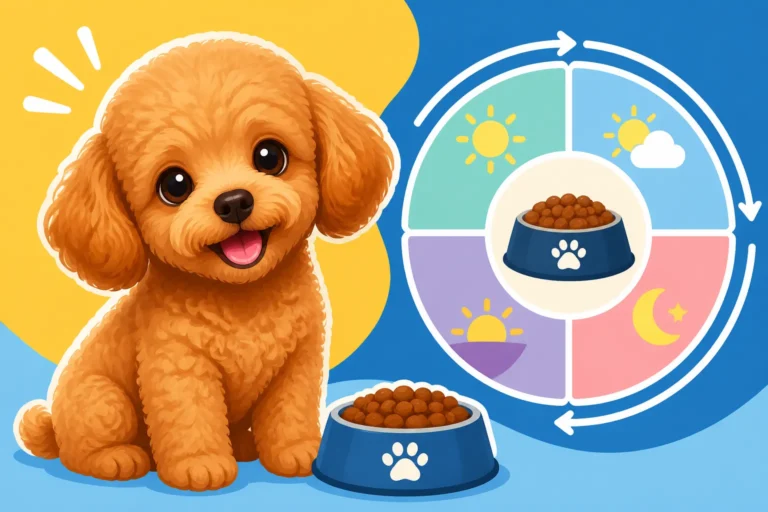
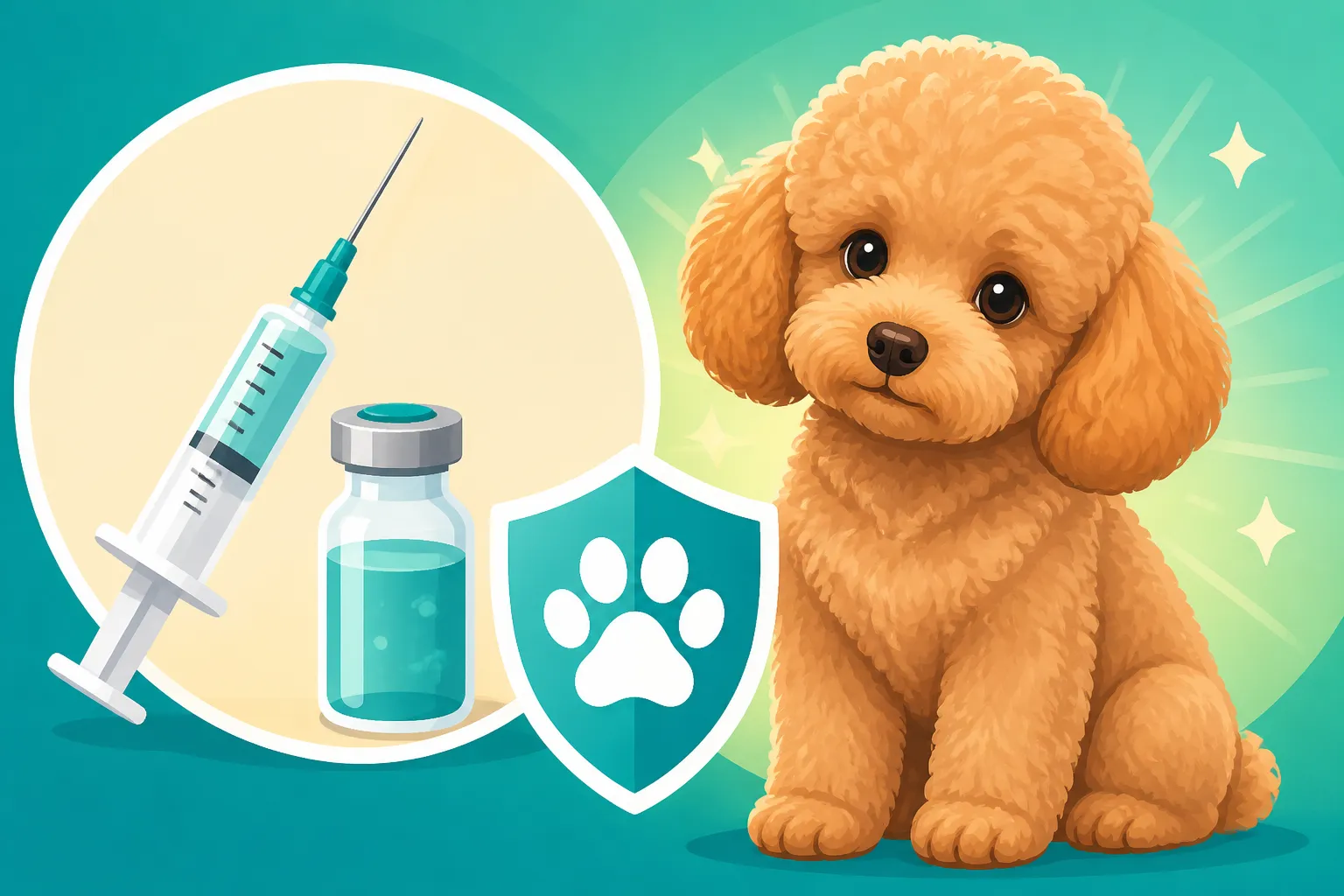
Bringing home a tiny, two-pound Toy Poodle puppy is a joyous occasion, but it also comes with a unique set of worries, especially when you start thinking about their health. It’s completely understandable to feel a pang of anxiety when you think about the vaccination schedule for your tiny, delicate new family member. This comprehensive guide will walk you through everything you need to know about safely spacing out vaccinations for your small Toy Poodle, ensuring they get the protection they need without overwhelming their little system.
The Unique Challenges of Vaccinating a Tiny Toy Poodle
When you have a puppy as small as a two-pound Toy Poodle, it’s not just a smaller version of a bigger dog. Their physiology, immune system development, and metabolic rate can be quite different, which means their vaccination protocol might need special consideration. You’re not just vaccinating; you’re navigating the delicate balance of protection versus potential overwhelm for a truly tiny creature.
Why Size Matters for Vaccine Protocols
Imagine a standard Labrador puppy, robust and rapidly growing, receiving its routine shots. Now picture your delicate Toy Poodle, barely bigger than a teacup, getting the same volume of vaccine. It’s easy to see why concerns arise. A two-pound Toy Poodle puppy has a much smaller body mass, a developing immune system that might react differently, and a faster metabolism that can sometimes influence how medications and vaccines are processed. Administering standard vaccine doses, while generally safe across sizes, can sometimes lead to more noticeable side effects in tiny pups, or at least a greater degree of owner worry.
This isn't to say tiny puppies are inherently "weaker" or more susceptible to vaccine reactions, but rather that their small size can amplify the experience. A minor feeling of malaise or lethargy after a shot might be shrugged off by a larger pup's owner, but it can be truly alarming when your entire dog weighs less than a bag of sugar. This is why open communication with your veterinarian, particularly one experienced with Toy Poodles, is paramount. They can help tailor the protocol, ensuring your pup receives the necessary protection against diseases like distemper and parvovirus, which can be devastating for any puppy, let alone a tiny one. Discussing these nuances early on is part of What a Toy Poodle Breeder Screens For before you even bring your puppy home.
Maternal Antibodies and Vaccine Effectiveness
One of the most complex aspects of puppy vaccination, regardless of size, is the role of maternal antibodies. Puppies are born with antibodies passed down from their mother, especially through her colostrum (the first milk). These antibodies provide crucial early protection against diseases but also have a downside: they can interfere with the effectiveness of puppy vaccines. Think of it like a protective bubble that gradually shrinks. While the bubble is strong, it neutralizes vaccine viruses before the puppy's own immune system can learn to fight them.
For a tiny Toy Poodle, this "window of susceptibility"—the period when maternal antibodies are too low to protect but still too high to allow vaccines to work effectively—can be particularly challenging to pinpoint. Some smaller breeds might clear maternal antibodies at a slightly different rate, or their tiny systems might require a bit more time to mount a robust immune response to each vaccine dose. This is why veterinarians often recommend a series of vaccinations, usually every 3-4 weeks, extending sometimes until 16 weeks of age or even a little later for very small or slow-to-respond puppies. The goal is to catch that exact moment when the maternal antibodies have waned enough for the vaccine to stimulate the puppy's own immune system successfully. It’s a bit of a guessing game, which is why multiple doses are necessary to ensure complete coverage.
Recommended Vaccination Schedule for Toy Poodle Puppies
Getting the vaccination schedule right for your two-pound Toy Poodle is all about balancing strong protection with careful consideration for their small size. It’s a journey, not a single event, and your vet is your most important partner.
Core Vaccines and Initial Series
For all puppies, including your precious Toy Poodle, there’s a set of "core" vaccines considered essential for protection against widespread and severe diseases. These typically include Distemper, Adenovirus (Hepatitis), Parvovirus, and Parainfluenza, often given as a combined DAPP or DHPP shot. The standard recommendation is to start this series between 6-8 weeks of age, followed by boosters every 3-4 weeks until the puppy is 16 weeks old. However, for a two-pound Toy Poodle, your vet might suggest a slightly different approach.
Instead of strictly adhering to the 16-week cut-off, some vets might recommend extending the booster period for an extra shot, perhaps even to 18-20 weeks, especially if the puppy started their series later or if there’s a concern about maternal antibody interference. The rationale is to ensure that final booster has the best chance of hitting when maternal antibodies are fully gone, giving your tiny pup robust, long-lasting immunity. While the typical spacing between shots is 3-4 weeks, for a very small Poodle, your vet might lean towards the longer end of that interval to give their system a bit more recovery time between doses. Don't be shy about discussing these specifics; ensuring your vet understands your concerns about your Toy Poodle's size is key to a successful, tailored plan. This careful approach to early health contributes to a healthy future, impacting the Poodle Lifespan Across the Three Sizes.
Non-Core Vaccines and Risk Assessment
Beyond the core vaccines, there are "non-core" vaccines that are recommended based on your dog's lifestyle and geographical risk. For a two-pound Toy Poodle, it's even more crucial to carefully assess whether these non-core vaccines are truly necessary. Over-vaccinating a tiny dog, even with safe vaccines, can add unnecessary stress to their system.
- Rabies: This is almost universally required by law. The first rabies vaccination is typically given around 12-16 weeks of age, usually as a single shot separate from other boosters. Your vet will advise on the specific timing based on local regulations and your puppy's age and health status.
- Leptospirosis: This is a bacterial disease spread through contaminated water or urine from wildlife. If your two-pound Toy Poodle lives in a city apartment and only walks on pavement, their risk might be low. If you live in a rural area, visit parks with standing water, or live where wildlife is prevalent, the risk increases.
- Bordetella (Kennel Cough): This vaccine is typically recommended if your puppy will be going to daycare, boarding facilities, or dog parks, where they'll have close contact with many other dogs.
- Lyme Disease: Relevant if you live in an area with a high tick population and your Poodle spends time outdoors in grassy or wooded areas.
For a tiny pup, you want to be selective. Ask your vet to conduct a thorough risk assessment based on your specific environment and your Poodle’s anticipated activities. If the risk is minimal, opting out of certain non-core vaccines can be a reasonable decision to reduce the number of injections and potential stress on their little body.
The Role of Titers and Personalized Protocols
Once your Toy Poodle has completed their initial puppy series, the conversation shifts from building immunity to maintaining it. For core vaccines, this is where titer testing comes into play. A titer test measures the level of antibodies in your dog’s blood, indicating whether they still have protective immunity from previous vaccinations. For many core diseases, studies have shown that immunity can last much longer than a year, sometimes for many years or even a lifetime.
For a tiny dog, avoiding unnecessary revaccination is a wonderful way to minimize potential cumulative stress on their immune system. Instead of simply giving a booster shot every three years (or annually, as was once common practice for some vaccines), a titer test can tell you if a booster is actually needed. If your Toy Poodle shows protective antibody levels, you can often skip the booster, saving them from an unnecessary injection. This isn't about skipping protection; it's about smart, personalized medicine. Discuss with your veterinarian whether titer testing is a suitable option for your Toy Poodle’s core vaccines after their initial puppy series and first annual booster. It's an excellent way to create a truly personalized vaccination protocol that ensures robust immunity without over-vaccinating, aligning with best practices for lifelong health.
Practical Considerations for Administering Shots to a Two-Pound Poodle
Administering vaccinations to a two-pound Toy Poodle isn't just about the shot itself; it's about the entire experience. Their tiny size and sensitive nature mean you need to be particularly mindful of minimizing stress and carefully monitoring for any reactions.
Minimizing Stress and Side Effects
Visiting the vet can be a big deal for a small puppy, and the experience of getting a shot can be even more daunting for a sensitive Poodle. To minimize stress, try to make vet visits positive experiences. Bring high-value treats (tiny pieces, of course!), practice handling your puppy at home (touching paws, ears, opening mouth) so they're used to it, and ask your vet if you can wait in a quiet area instead of a bustling waiting room. A calm environment can make a world of difference.
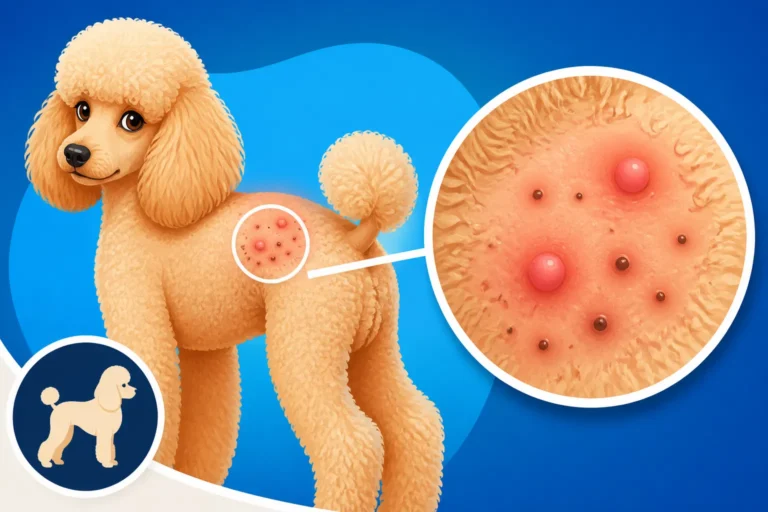
After the injection, your tiny Poodle might experience mild side effects, such as lethargy, a slight fever, decreased appetite, or tenderness at the injection site. These are usually mild and resolve within 24-48 hours. However, in a two-pound puppy, even mild symptoms can seem more pronounced. Keep them warm, offer comfort, and ensure they have access to water. More serious reactions, though rare, can include facial swelling, hives, vomiting, diarrhea, or difficulty breathing. If you observe any of these, contact your vet immediately.
It's also a good practice to avoid scheduling multiple procedures on the same day for such a small pup. For instance, don't combine a vaccine appointment with their spay/neuter consultation if it can be avoided. Spacing out procedures allows their little system to recover and makes it easier to pinpoint the cause if a reaction does occur. Having pet insurance from providers like Healthy Paws can also offer immense peace of mind. Should your Poodle experience an unexpected, more significant vaccine reaction or develop another health issue, having a plan like Healthy Paws in place means you can focus on their care without the added stress of a potentially large vet bill.
Tracking and Documentation
Keeping meticulous records of your two-pound Toy Poodle’s vaccinations is not just good practice; it’s essential for their ongoing health and your peace of mind. Every time your Poodle receives a vaccine, ensure you get a record from your veterinarian. This record should clearly state:
- The date of vaccination.
- The type of vaccine administered (e.g., DAPP, Rabies, Lepto).
- The manufacturer and lot number of the vaccine.
- The veterinarian’s signature or stamp.
- The date the next booster or revaccination is due.
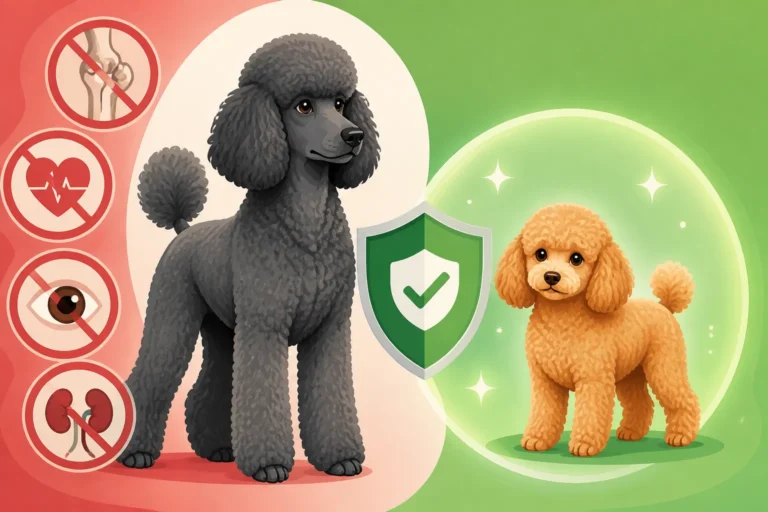
Create a dedicated folder or digital file for these records. This documentation is crucial for several reasons. Firstly, it ensures continuity of care if you ever need to see a different vet or if your regular vet's records are inaccessible. Secondly, it helps you stay on track with future boosters, preventing both under-vaccination (leaving your pup unprotected) and over-vaccination (giving unnecessary shots). Thirdly, if your Poodle ever has a reaction, detailed records help your vet understand the history and tailor future protocols. Finally, if you ever need to make a claim with your pet insurance, like Healthy Paws, having all your vaccination records in order makes the submission process much smoother and faster. Good record-keeping is a simple yet powerful tool in managing your tiny Poodle’s health journey. Knowing What a Poodle Breeder Must Test For can also help you understand which diseases are potentially mitigated by genetics versus vaccination.
Beyond Puppyhood: Booster Shots and Lifelong Immunity
The puppy vaccination series is just the beginning. As your two-pound Toy Poodle grows, understanding booster shots and the concept of lifelong immunity will be crucial for maintaining their health and well-being. This stage is often where the conversation around titer testing becomes even more relevant.
First Annual Boosters and Titer Testing
After your Toy Poodle completes their initial puppy vaccination series, the next significant milestone is usually their "first annual booster," which typically occurs around 16 months of age (one year after their last puppy shots). For core vaccines, this booster is generally considered the final step in establishing a robust, long-lasting immunity.
However, as we discussed, the science of vaccination has evolved. Many vets and owners are now opting for titer testing at this stage and for subsequent "annual" checks. Instead of automatically giving another DAPP booster, a blood sample is taken to measure antibody levels. If the titers are sufficiently high, it means your Poodle is still well-protected, and you can safely forgo the booster. This approach is particularly beneficial for small dogs, as it minimizes the cumulative exposure to vaccines over their lifetime while still confirming their immunity. This personalized strategy helps in avoiding unnecessary stress on their system. For non-core vaccines like Leptospirosis or Bordetella, annual boosters are usually recommended if the dog remains at risk, as immunity for these often doesn't last as long as for core diseases. Remember, a comprehensive approach to health also includes regular dental care, as small breeds are prone to issues. Understanding Poodle Dental Disease by Size is important for overall wellness.
Rabies Vaccination and Legal Requirements
Rabies vaccination stands apart from other vaccines due to its legal implications and public health importance. Your two-pound Toy Poodle will receive their initial rabies shot between 12-16 weeks of age, typically as a single vaccine. The booster schedule for rabies then depends on local and state laws.
In most places, after the initial puppy shot, the first rabies booster is given one year later. Following that, your Poodle will receive either a 1-year or 3-year rabies vaccine, again, according to local regulations. It's incredibly important to comply with these laws, not just for your Poodle's health but for legal reasons and community safety. Failure to keep rabies vaccinations current can result in fines, legal complications, and even mandated quarantine if your dog is involved in a bite incident. Always verify the specific rabies requirements with your veterinarian based on where you live. Some jurisdictions are very strict, and even a slight delay in a booster can lead to your pet being considered "unvaccinated" in the eyes of the law, even if they're otherwise fully protected. If you ever consider a different timing for desexing your Poodle, knowing about Desexing Timing Across the Three Poodle Sizes can also be helpful for comprehensive health planning.
Sample Vaccination Schedule for a Two-Pound Toy Poodle
Please note: This table provides a general guideline. Your veterinarian will create a schedule specifically tailored to your Toy Poodle's individual health, risk factors, and local regulations. The key takeaway for tiny Poodles is that spacing might be slightly longer, and the final puppy booster might be given a bit later than for larger breeds.
| Age of Puppy | Vaccine Type | Notes for Two-Pound Toy Poodles |
|---|---|---|
| 6-8 Weeks | DAPP/DHPP (1st) | Start the core vaccine series. Ensure your puppy is healthy and stress-free. Vet might recommend waiting until 8 weeks. |
| 9-11 Weeks | DAPP/DHPP (2nd) | Administer 3-4 weeks after the first shot. Monitor closely for lethargy or mild fever due to their small size. |
| 12-14 Weeks | DAPP/DHPP (3rd) + Rabies (1st) | Administer 3-4 weeks after the second DAPP shot. Rabies is usually given separately. Consider local rabies laws. |
| 15-17 Weeks | DAPP/DHPP (4th – Optional for tiny pups) | For very small pups, an optional 4th DAPP shot might be recommended to ensure robust immunity, especially if maternal antibodies were high. This is where extra spacing can be critical. |
| Non-Core (As Needed) | Leptospirosis, Bordetella, Lyme | Discuss with your vet based on lifestyle risk. Avoid if not necessary to minimize stress on a tiny immune system. |
| ~16 Months | First Annual Booster (DAPP) or Titer Test | One year after the last DAPP puppy shot. Consider titer testing to avoid unnecessary revaccination for core diseases. |
| Yearly/Tri-Yearly | Rabies Booster | Follow local and state laws for 1-year or 3-year boosters. |
Remember, your vet is the best resource for tailoring this schedule. Don't hesitate to ask questions about vaccine types, potential side effects, and why a specific schedule is being recommended for your delicate two-pound Poodle.
Disclaimer
This article is intended for informational purposes only and does not constitute veterinary advice. Always consult with a qualified veterinarian regarding your specific pet's health and vaccination needs. Vaccination protocols should be tailored to individual animals based on their health status, age, lifestyle, and geographic location.