What Testing a Poodle for PRA and vWD Costs
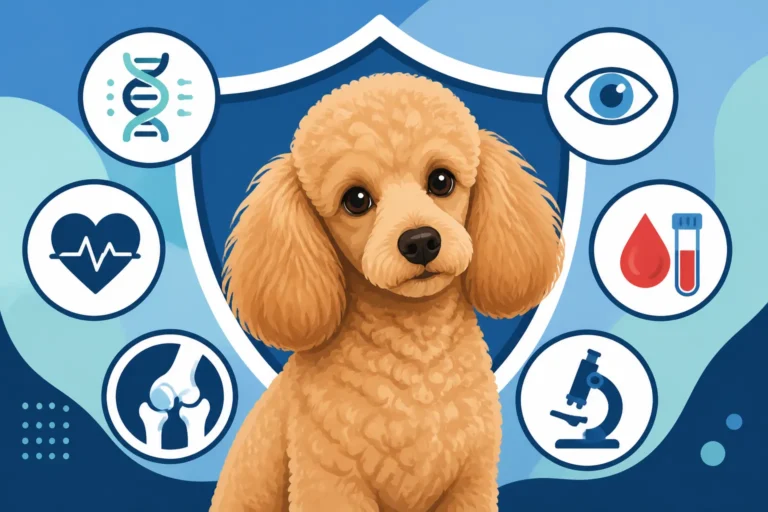
The anxiety that comes with owning a Poodle is often a mix of joyful companionship and the looming worry about their unique health challenges. We all want our furry family members to live long, healthy lives, but the sheer number of potential inherited conditions can feel overwhelming. This guide is here to shed some light on one specific area of concern and its associated costs: genetic testing for Progressive Retinal Atrophy (PRA) and Von Willebrand Disease (vWD) in Poodles, helping you understand what these tests entail and what you can expect to pay.
Understanding PRA and vWD in Poodles
Poodles, for all their intelligence and charm, are unfortunately predisposed to certain genetic health conditions that can significantly impact their quality of life. Among the most concerning for many owners and breeders are Progressive Retinal Atrophy (PRA) and Von Willebrand Disease (vWD). Understanding what these conditions are is the first step in appreciating why genetic testing is so invaluable.
Progressive Retinal Atrophy PRA in Poodles
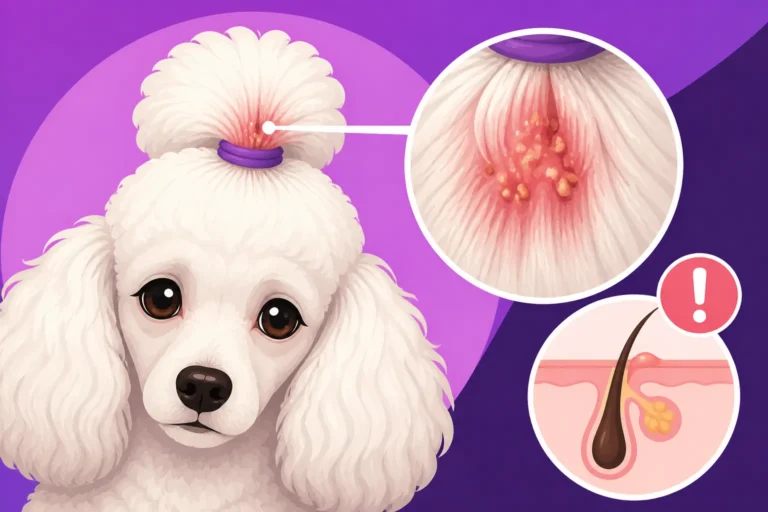
Progressive Retinal Atrophy, often referred to simply as PRA, isn't just one disease, but rather a group of inherited eye disorders that cause the degeneration of the photoreceptor cells in a Poodle's retina. Think of it like the film in a camera slowly deteriorating, leading to a gradual loss of vision. For Poodles, the most common form is prcd-PRA (progressive rod-cone degeneration).
The cruel reality of PRA is that it's relentlessly progressive. Initially, affected Poodles might struggle with night vision, bumping into furniture in dim lighting or seeming hesitant to go outside after dark. This can often be one of the First Signs of Addison's in a Poodle in early stages, though they are very different diseases, a Poodle's sensitive nature can make early changes hard to pinpoint. As the disease advances, their daytime vision also deteriorates, eventually leading to complete blindness. This process can be incredibly distressing for both the Poodle and their human family. The age of onset varies, with some Poodles showing signs in late puppyhood, while others might not display symptoms until middle age. Once vision is lost, there's no cure, and management focuses on helping the dog adapt to their blindness.
Von Willebrand Disease vWD in Poodles
Von Willebrand Disease, or vWD, is a common inherited bleeding disorder found in Poodles, particularly Standard Poodles, though it can affect all sizes. It’s caused by a deficiency or defect in von Willebrand factor (vWF), a protein crucial for normal blood clotting. Without enough functional vWF, a Poodle's blood struggles to form stable clots, which can lead to excessive bleeding.
The severity of vWD can range from mild to life-threatening. Poodles with mild vWD might only experience issues during surgery or after a significant injury, where they bleed more than expected. More severely affected dogs might suffer from spontaneous nosebleeds, bleeding gums, blood in their urine or stool, or prolonged bleeding from minor cuts. For a Poodle undergoing a routine dental cleaning or an unexpected emergency surgery, a lack of awareness about their vWD status can turn a relatively simple procedure into a serious medical crisis. This is why knowing your Poodle’s vWD status is so critical, allowing veterinarians to take preventative measures, such as administering a transfusion of blood products rich in vWF before any procedure.
Why Genetic Testing for PRA and vWD is Crucial
When you welcome a Poodle into your life, whether as a beloved pet or a potential breeding animal, genetic testing isn't just an optional extra; it's a fundamental part of responsible ownership. For conditions like PRA and vWD, which are inherited, testing plays a pivotal role in preventing suffering and promoting the long-term health of the breed.
The Importance for Responsible Breeding
For ethical and conscientious Poodle breeders, genetic testing for PRA and vWD is non-negotiable. These tests allow breeders to identify if their breeding stock are "clear," "carriers," or "affected" for these specific genetic mutations. A "clear" dog does not carry the gene and cannot pass it on. A "carrier" dog carries one copy of the gene but typically does not show symptoms; however, they can pass the gene to their offspring. An "affected" dog carries two copies of the gene and will develop the disease.
The goal of responsible breeding is to produce healthy puppies, and that means making informed decisions about which dogs to breed. By testing both prospective parents, a breeder can predict the genetic status of an entire litter. For example, breeding two "clear" dogs will produce all "clear" puppies. Breeding a "clear" dog with a "carrier" will produce a mix of "clear" and "carrier" puppies, but no "affected" ones. This strategic approach, utilizing genetic panels for the three Poodle sizes, is how responsible breeders work to eliminate these debilitating diseases from their lines. It ensures that puppies born are less likely to face the heartbreak of inherited blindness or a life-threatening bleeding disorder, thus contributing to the overall health and integrity of the breed.
Peace of Mind for Pet Owners
Even if you have no plans to breed your Poodle, genetic testing can offer invaluable peace of mind and practical benefits. Imagine the stress of an emergency situation where your Poodle needs surgery, and you suddenly discover they have vWD because of excessive bleeding. Knowing their status beforehand allows you to inform your veterinarian, who can then take necessary precautions like having blood products on hand, potentially saving your Poodle's life and a massive emergency vet bill. Similarly, knowing your Poodle is a carrier for PRA means you can discuss appropriate eye care with your vet and be vigilant for any early signs of vision changes, allowing you to prepare and adapt your home environment to support them should they eventually develop the condition.
Furthermore, some pet insurance providers, like Healthy Paws, may look at a pet's genetic predispositions when assessing coverage, though typically inherited conditions are not excluded if testing was done before symptoms presented or diagnosis. While genetic testing has an upfront cost, this early knowledge can save you untold emotional distress and potentially much larger veterinary expenses down the line by allowing for proactive management or even prevention of certain scenarios. It's about empowering you with information to give your Poodle the best possible care throughout their life.
The Costs Associated with PRA and vWD Testing
When considering genetic testing for your Poodle, it's natural to wonder about the financial outlay. The good news is that these tests have become much more accessible and affordable over the years, making them a worthwhile investment in your Poodle's future.
Breakdown of Typical Genetic Testing Costs
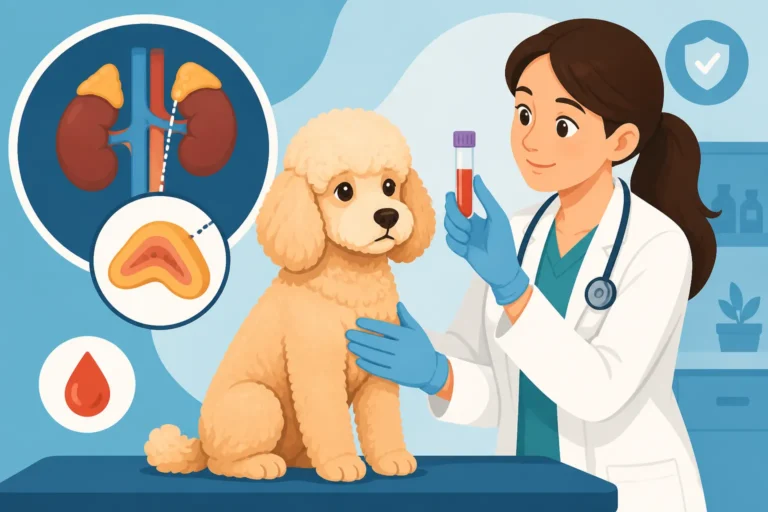
Genetic testing for PRA and vWD is typically done via a simple cheek swab or, occasionally, a blood sample. These samples are then sent to specialized veterinary genetics laboratories for analysis. You can often order kits directly from these labs, or your veterinarian can facilitate the process.
Here’s a general idea of what you might expect regarding costs, keeping in mind these are estimates and can fluctuate:
| Test Type | Standalone Cost Range (USD) | Common Panel Inclusion | Sample Type | Typical Turnaround |
|---|---|---|---|---|
| prcd-PRA (Poodle Specific) | $60 – $120 | Yes | Cheek Swab/Blood | 2-4 Weeks |
| vWD Type I | $60 – $120 | Yes | Cheek Swab/Blood | 2-4 Weeks |
| Poodle Breed Panel | $150 – $250 | Yes (includes PRA/vWD) | Cheek Swab/Blood | 3-6 Weeks |
| Full Health & Trait Panel | $199 – $350 | Yes (includes PRA/vWD + many more) | Cheek Swab/Blood | 3-6 Weeks |
Many owners and breeders opt for comprehensive Poodle breed panels from companies like Embark Veterinary, Optimal Selection (by Wisdom Panel), or Canine Health Check. These panels typically include tests for prcd-PRA, vWD Type I, and a host of other common Poodle-specific genetic conditions such as Degenerative Myelopathy (DM), Neonatal Encephalopathy with Seizures (NEwS), and Osteochondrodysplasia. Getting a panel often works out to be significantly more cost-effective than ordering individual tests. For instance, an Embark Breed + Health Kit often falls in the $199-$250 range and covers well over 200 genetic health risks, including those critical for Poodles.
If your vet takes the sample, you might incur an additional collection fee, usually around $25-$50, on top of the lab fee. However, many kits are designed for easy at-home collection with clear instructions, allowing you to bypass this extra vet charge.
Factors Influencing the Final Price Tag
Several factors can influence the exact amount you'll pay for PRA and vWD testing:
- Choice of Laboratory: Different genetic testing companies have varying pricing structures. Some, like Embark, offer extensive panels that, while more expensive upfront than a single test, provide a wealth of information. Others might specialize in a smaller range of tests. It's worth comparing the offerings and costs of a few reputable labs before making a decision.
- Individual Tests vs. Panels: As mentioned, purchasing a full breed-specific health panel will almost always be more economical than buying multiple individual tests separately. If you're only concerned about PRA and vWD, some labs might offer a smaller, more targeted panel or you can opt for the individual tests.
- Veterinary Involvement: While many tests can be performed with an at-home cheek swab, some owners prefer their veterinarian to collect the sample. This adds a consultation or sample collection fee to the overall cost. Additionally, if your Poodle is undergoing other diagnostic work, your vet might recommend a blood draw that can then be used for genetic testing, potentially saving you a separate visit.
- Promotional Offers and Discounts: Keep an eye out for sales! Genetic testing companies frequently run promotions, especially around holidays or during breed-specific health initiatives. Subscribing to their newsletters can alert you to these opportunities.
- Expedited Results: If you're a breeder on a tight timeline, some labs offer expedited processing for an additional fee, but for most pet owners, the standard turnaround time is perfectly acceptable.
Ultimately, while there’s an upfront cost, consider it an investment. Knowing What Testing a Poodle for PRA and vWD Costs is a small price to pay for understanding potential health issues, allowing you to prepare and plan accordingly. Even pet insurance providers like Healthy Paws would appreciate the proactive approach, as early detection and understanding of genetic predispositions can contribute to better long-term health management.
Long-Term Value vs. Upfront Costs
When we look at the cost of genetic testing for PRA and vWD, it’s easy to focus on the immediate expense. However, truly understanding the value requires looking beyond the initial dollar figure and considering the profound long-term benefits for your Poodle, your family, and the breed as a whole.
Preventing Costly Treatments and Heartache
Let’s be brutally honest: medical care for a Poodle, especially for chronic or emergency conditions, can be incredibly expensive. Imagine the financial and emotional toll of dealing with a Poodle who is suddenly completely blind due to PRA. While there's no cure, adapting your home, ensuring their safety, and potentially working with specialists can involve significant costs. Even more acutely, a Poodle with undiagnosed vWD going into surgery – even a routine spay or neuter – could face life-threatening bleeding complications. Emergency transfusions, extended hospital stays, and specialized care to manage such a crisis can quickly rack up bills into the thousands of dollars.
By contrast, the cost of genetic testing is typically a few hundred dollars at most. This small, proactive investment provides critical information that can either prevent these scenarios entirely (for breeders) or allow pet owners to prepare for and manage potential issues before they become life-threatening emergencies. Knowing your Poodle's status allows you and your veterinarian to make informed decisions about preventative care, surgical precautions, and even daily management. This proactive approach not only safeguards your wallet from potentially enormous veterinary bills but, more importantly, protects your Poodle from unnecessary suffering and you from immense heartache. It’s truly about investing in quality of life for your cherished companion.
How Testing Contributes to a Healthier Breed Future
Beyond the individual Poodle, widespread genetic testing plays a vital role in the future health of the entire breed. Every time a responsible breeder tests their breeding stock and makes informed decisions based on those results, they are actively working to reduce the incidence of these debilitating diseases in future generations. If a significant percentage of Poodle owners and breeders commit to testing, it collectively helps to identify and manage the genetic markers that contribute to PRA and vWD. This doesn't mean removing all carriers from the gene pool, as that can sometimes inadvertently reduce genetic diversity, but rather making educated breeding pairings to avoid producing affected offspring.
Consider that How Many Poodles Carry the PRA Mutation can only truly be understood and reduced through widespread testing. The data gathered by genetic testing companies contributes to a larger understanding of breed-specific health trends, allowing researchers to identify emerging concerns and focus on developing even more effective diagnostics. By participating in genetic testing, you're not just ensuring the health of your Poodle; you're becoming a part of a larger community dedicated to preserving and improving the robust health, keen intelligence, and elegant beauty of the Poodle breed for years to come. It’s a powerful testament to collective responsibility and love for these amazing dogs.
Disclaimer
This article is for general informational purposes only and does not constitute professional advice. Laws, prices and regulations vary by location and change over time. Consult a qualified professional for guidance on your specific situation.