When a Standard Poodle Stops Growing
It's quite a ride watching your Standard Poodle puppy transform from a fluffy little ball of energy into that majestic, elegant adult you envisioned. But there's a common, often whispered, question among Poodle parents: when on earth does this growth spurt actually end? It can feel like one day they're tripping over their own paws, all gangly legs and oversized ears, and the next they've sprouted another inch overnight. This guide is here to shed some light on the growth trajectory of these wonderful dogs, helping you understand when to expect your Standard Poodle to reach their full, glorious size.
Understanding the Standard Poodle Growth Curve
The growth of a Standard Poodle isn't a straight line; it's more like a dramatic upward curve that eventually plateaus. From tiny pups to towering adults, their development is a fascinating process, but it’s easy to get caught wondering if they’ll ever stop growing.
Rapid Early Development
Just like human toddlers, Standard Poodle puppies experience an incredibly rapid growth phase in their first few months. They come into the world so small, often weighing just a pound or two, but within weeks, they're doubling and tripling in size. By the time they reach six months old, many Standard Poodles will already be at a significant percentage of their adult height, though they might still look a bit lanky. This period is critical for laying down a strong foundation, so proper nutrition and care are paramount.
During this intense early growth, you’ll notice changes almost daily. One week their paws seem enormous, the next their legs have stretched to match. They might seem disproportionate, with a head that hasn't quite caught up to their body, or long, thin tails that seem out of place. It's all perfectly normal and part of their journey towards maturity. Keeping an eye on their weight and making sure they're gaining steadily, but not too quickly, is key during these formative months.
The Adolescent Growth Spurt and Awkward Phases
After that initial burst, most Standard Poodles enter an adolescent growth spurt, usually between six months and a year old. This is often the time when they seem to hit their maximum height. They might appear incredibly "leggy" or awkward during this phase, frequently bumping into things or looking a bit clumsy. It’s a bit like watching a teenager grow into their body – not always graceful, but always progressing. Their bones are extending, and their muscles are still developing to catch up.
You might notice that their height seems to stabilize around 10 to 12 months, but they often continue to "fill out" for several more months. This filling out means gaining muscle mass and developing a deeper chest, which adds to their overall substance and mature appearance. Don't be surprised if your dog's frame still looks a bit slender even after they've reached their full height; their body is just taking its time to build strength and density.
Factors Influencing Growth Completion
While there's a general timeline, several critical factors can influence exactly when a Standard Poodle stops growing and what their final size will be. It’s never just one thing, but a combination that paints the full picture.
Genetics and Parental Influence
The most significant predictor of your Standard Poodle's eventual size and growth completion is their genetic background. Look to the parents! If both sire and dam were on the larger side of the breed standard, your puppy is likely to follow suit. Conversely, if the parents were smaller, your Poodle might finish growing earlier and stay on the more petite end of the Standard Poodle spectrum. A responsible breeder will be able to share information about the parents' size and growth patterns, giving you a better idea of what to expect.
It's not just size, either; genetics can also dictate the rate of growth. Some lines grow steadily, while others have more pronounced growth spurts. This is why understanding your puppy's lineage is so important. A good breeder will also have conducted all the necessary health screenings, which can indirectly impact growth if a puppy isn't thriving due to an underlying issue. You can read more about What a Poodle Breeder Must Test For to ensure you're working with someone reputable.
Nutrition and Diet's Role
Feeding your Standard Poodle the right diet is absolutely paramount during their growth period. Large breed puppies like Standard Poodles need specially formulated puppy food that supports steady, controlled growth. Overfeeding or feeding a diet too rich in certain nutrients can lead to excessively rapid growth, which puts undue stress on developing joints and can contribute to orthopedic problems like hip or elbow dysplasia. This is why many vets emphasize Why a Standard Poodle Puppy Should Grow Slowly.
A high-quality large breed puppy food provides the correct balance of calcium, phosphorus, protein, and fat to support healthy bone and muscle development without encouraging too-fast growth. Brands like Purina Pro Plan Large Breed Puppy or Royal Canin Giant Puppy formulas are often recommended. If you're ever unsure, your veterinarian is the best resource for tailoring a nutritional plan to your individual Poodle's needs. Maintaining a healthy weight throughout their puppyhood is a critical component of their overall skeletal health.
Desexing Timing and Growth Plates
The timing of spaying or neutering your Standard Poodle can also have an impact on when they stop growing and their final mature size. Growth plates in long bones close at different times, influenced by hormones. When a dog is desexed, these hormonal signals change. Studies suggest that early spay/neuter (before growth plates have naturally closed) can lead to longer limbs, as the growth plates may remain open for a longer period. This means the dog might end up slightly taller than they would have been had they been desexed later.
There's a lot of ongoing discussion and research about the optimal timing for desexing, balancing the risks of certain cancers or behavioral issues against the potential orthopedic impacts. For large breeds like Standard Poodles, many veterinarians now recommend waiting until they are closer to full maturity, often between 12-18 months, or even later for males, to allow those growth plates to fully close naturally. This can be a complex decision, and it’s well worth discussing with your vet. You might find our article on Desexing Timing Across the Three Poodle Sizes helpful for broader context, and even though it's focused on another size, understanding Neutering a Toy Poodle and Joint Growth can highlight the general principles.
When to Expect Full Size in a Standard Poodle
It's common to hear different ages thrown around for when a Standard Poodle is "done" growing. The reality is a bit more nuanced, often involving two distinct stages of maturation.
Height vs. Weight Maturation
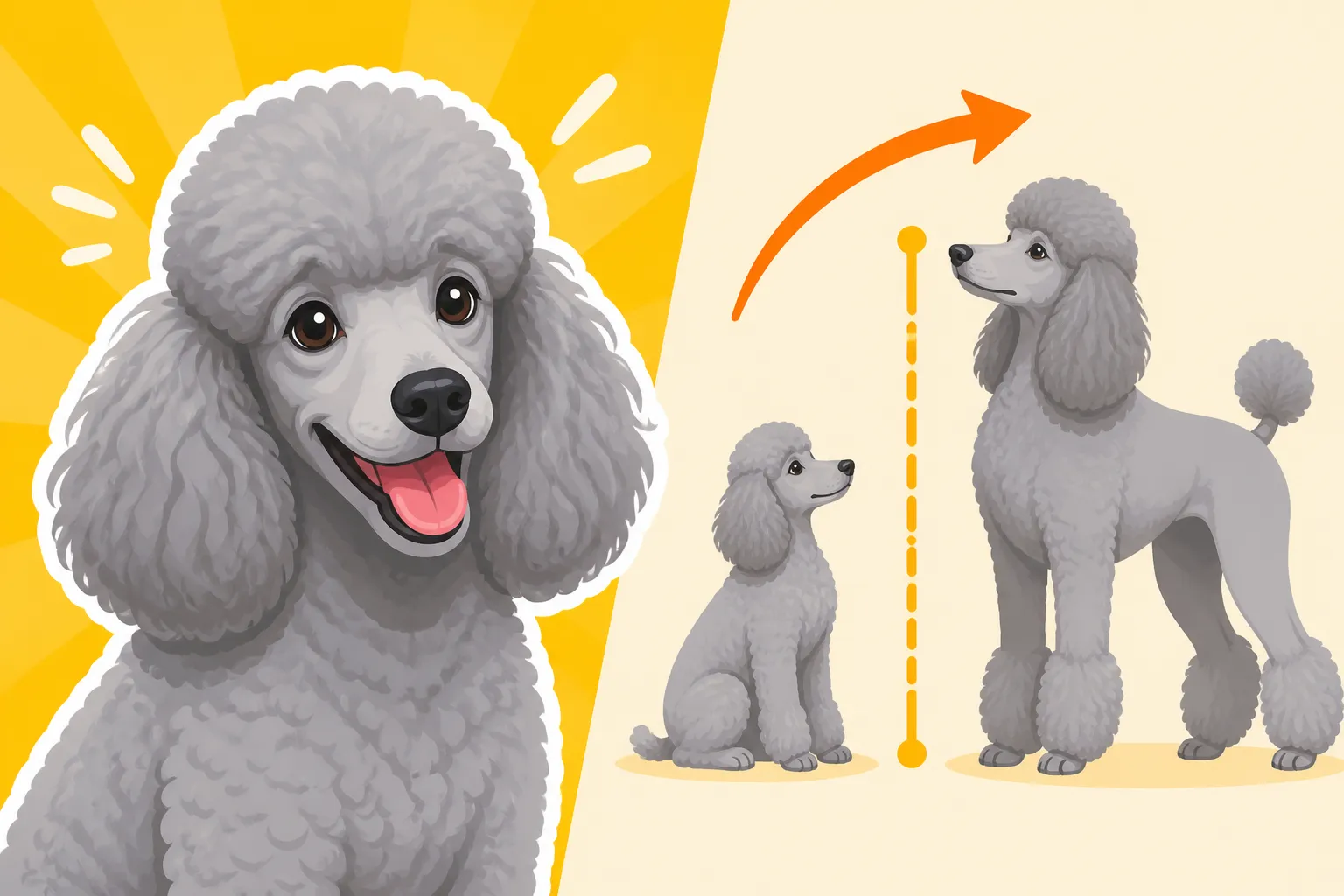
Generally speaking, Standard Poodles tend to reach their full adult height somewhere between 10 to 12 months of age. At this point, they'll likely be as tall as they're going to get. However, don't be surprised if they still look a bit skinny or lanky at this stage. Think of it like a human teenager who's shot up in height but still needs to "fill out."
The "filling out" phase, where they gain muscle mass, deepen their chest, and develop their adult proportions, usually continues until they are 18 to 24 months old. Some might even continue to mature and gain substance until they are closer to three years of age, especially males. So, while the tape measure might not show an increase in height after a year, the bathroom scale and your eyes will likely tell you they’re still maturing into their robust adult physique. It's a slow, steady process after the initial growth spurts.
Physical Maturity vs. Mental Maturity
It’s crucial to distinguish between physical maturity and mental maturity. Just because your Standard Poodle has reached their adult height and weight doesn't mean they've left their puppy brain behind. Standard Poodles, being highly intelligent and sensitive creatures, can often retain their puppy-like exuberance and playful nature well into their second or even third year.
Behavioral maturity often lags behind physical growth. A physically mature Poodle might still be prone to goofy antics, selective listening, and testing boundaries. They're still learning about the world and their place in it. Patience, consistent training, and continued socialization are key during this extended adolescence. If you're wondering when that shifts, our article on When a Poodle's Adolescence Ends dives deeper into their mental development.
What to Watch For as Growth Slows
As your Standard Poodle approaches full maturity, you’ll notice a few tell-tale signs that their growth is tapering off. Their overall body shape will become more proportionate, less "gangly" or awkward. Their paws will no longer look disproportionately large for their legs, and their legs will seem to fit the rest of their body. They might also appear more solid and less lean.
Another indicator is the frequency of changes. In their early months, it felt like they grew every day. As they near full size, those visible changes will become less frequent, and you might only notice subtle shifts in their build or muscle tone. This is the period where they're consolidating their frame rather than rapidly expanding it. Keep an eye on their weight and body condition – you should be able to feel their ribs easily without seeing them, even with their thick coat.
Monitoring Your Standard Poodle's Development
Even if your Poodle seems to be growing perfectly, keeping an eye on their development is crucial. Early detection of any issues can make a world of difference.
Regular Vet Check-ups
Routine veterinary check-ups are essential throughout your Standard Poodle's puppy and adolescent phases. Your vet will monitor their weight, height, and overall body condition, ensuring they’re tracking along a healthy growth curve. They can also provide guidance on nutrition, exercise, and preventative care. These regular visits aren't just for vaccinations; they're vital opportunities for your vet to assess musculoskeletal development and catch any early signs of concern.
Don't hesitate to discuss any growth-related questions or concerns with your vet. They can help you interpret what’s normal for a Standard Poodle and what might warrant further investigation. Pet insurance providers like Healthy Paws often cover routine check-ups and can be a huge help if any unexpected health issues arise during these critical growth periods, ensuring you can afford the best care for your growing Poodle.
Recognizing Potential Growth Issues
While most Standard Poodles grow up without major hitches, it’s important for owners to be aware of potential issues. Lameness, limping, reluctance to play, or visible pain can sometimes signal conditions like Growing Pains in a Standard Poodle Puppy (also known as panosteitis) or early signs of joint problems like hip dysplasia. Standard Poodles are prone to certain orthopedic conditions, so vigilance is key. If you notice your Poodle exhibiting pain or an unusual gait, it's crucial to consult your vet promptly.
Conversely, some Poodles might seem to grow unusually fast or exhibit stunted growth. While Why Standard Poodle Puppies Grow So Fast can sometimes be normal variation, extreme cases should always be discussed with a vet to rule out underlying health conditions or nutritional deficiencies. Having a good pet insurance plan, such as one from Healthy Paws, can offer peace of mind during these periods, knowing that diagnostic tests and treatments for unexpected growth-related health concerns are financially manageable.
Here's a general guide to Standard Poodle growth milestones, keeping in mind individual variations:
| Age | Approximate Height (at shoulder) | Approximate Weight (male) | Approximate Weight (female) | Key Growth Stage |
|---|---|---|---|---|
| 8 Weeks | 8-12 inches | 8-15 lbs | 7-14 lbs | Rapid early growth, initial vet checks. |
| 3 Months | 15-20 inches | 20-35 lbs | 18-30 lbs | Significant height increase, lanky appearance. |
| 6 Months | 20-24 inches | 40-60 lbs | 35-50 lbs | Nearing full height, still growing. |
| 9 Months | 22-26 inches | 50-70 lbs | 45-60 lbs | Height largely reached, beginning to fill out. |
| 12 Months | 24-27 inches | 55-75 lbs | 50-65 lbs | Full height, continued filling out. |
| 18-24 Months | 24-27 inches | 60-85 lbs (fully mature) | 50-70 lbs (fully mature) | Physical maturity, muscle development complete. |
Note: These are averages, and individual Poodles can vary. The breed standard for a Standard Poodle states they must be over 15 inches at the shoulder.
It’s always a good idea to monitor your Poodle's body condition score rather than just the number on the scale. While a growing puppy will be lean, you should be able to feel their ribs without seeing them, and they should have a discernible waist. For a more detailed look at healthy weights, check out What a Poodle Should Weigh by Variety. Also, if your Poodle is experiencing any discomfort during their growth, learning Reading Pain in a Sensitive Poodle can help you recognize subtle signs. Proactive health management, sometimes including Joint Supplements Worth Giving a Poodle, can also be beneficial, especially for a rapidly growing large breed.
Understanding the growth timeline of your Standard Poodle can alleviate some of the worry and help you provide the best care during their formative years. It's a journey, not a race, and enjoying each stage of their development is part of the joy of Poodle ownership!
Disclaimer
This article is intended for informational purposes only and is not a substitute for professional veterinary advice. Always consult with a qualified veterinarian for any health concerns or before making any decisions about your Poodle's care or treatment.