Toy Poodle Puppy Prices
Many aspiring Toy Poodle owners are often left scratching their heads when they start researching puppy prices. You might see figures ranging wildly, from what seems like an unbelievable bargain to numbers that feel like a down payment on a small car. This wide spectrum can be incredibly confusing and even frustrating, making it hard to understand what you should really expect to pay and, more importantly, what those costs actually cover. This guide aims to demystify the price tag on a Toy Poodle puppy, explaining the factors that influence it and helping you understand where your money goes.
What Influences Toy Poodle Puppy Prices?
The cost of a Toy Poodle puppy isn't just pulled out of thin air; it's a reflection of significant investments made by responsible breeders. Understanding these factors can help you appreciate why prices vary and what you're truly paying for.
Lineage, Pedigree, and Champion Bloodlines
A significant chunk of a Toy Poodle's price often boils down to its lineage. We're talking about the puppy's family tree – whether its parents or grandparents have achieved titles in conformation shows (like Grand Champion or Best in Show) or performance events (like agility or obedience championships). A breeder who invests years, sometimes decades, into carefully selecting breeding pairs to produce puppies that exemplify the breed standard will naturally command a higher price. This isn't just about bragging rights; it's about proven health, temperament, and adherence to the breed's characteristics.
These breeders are often members of breed clubs and adhere to strict ethical guidelines, ensuring their dogs are of sound mind and body. They might travel across states or even internationally to find the perfect stud dog to complement their dam, investing heavily in stud fees and transportation. All these efforts contribute to the quality of the puppy you receive, theoretically reducing the chances of inherited health or temperament issues down the line. It's a premium for predictability and quality.
Think of it like buying a car; a luxury model from a renowned manufacturer costs more than a standard compact. You're paying for the research, development, quality control, and reputation built over years. Similarly, a Toy Poodle puppy from champion lines carries the weight of careful, responsible breeding practices and the proven success of its ancestors, which translates directly into its perceived value.
Health Testing and Veterinary Care for Parents
One of the most crucial, yet often invisible, factors driving Toy Poodle puppy prices is the extensive health testing performed on the parent dogs. Reputable breeders don't just "hope" their dogs are healthy; they proactively screen for genetic conditions common in Toy Poodles, such as Luxating Patella in Toy and Miniature Poodles, Progressive Retinal Atrophy (PRA), and even some cardiac issues. These tests, often conducted by specialists, aren't cheap. For example, OFA (Orthopedic Foundation for Animals) certifications for patellas, elbows, and hips, as well as CERF (Canine Eye Registration Foundation) eye exams, add up quickly.
Beyond genetic screening, breeding dogs receive top-tier veterinary care, including regular check-ups, vaccinations, parasite prevention, and specialized care during pregnancy and whelping. A dam carrying a litter requires extra nutrition and monitoring, and the birth itself might involve vet assistance. If complications arise, emergency vet visits can be very expensive. All these preventative measures are designed to ensure the health of both the parents and, subsequently, the puppies, minimizing the risk of costly health issues for you later on.
When a breeder tells you their puppies are $3,000, and another offers theirs for $800, a significant part of that difference often lies in this foundational health investment. A cheaper puppy might come from parents who haven't been tested at all, meaning you're effectively gambling on their genetic health. While no guarantee exists against all possible health problems, thorough testing drastically reduces the likelihood of inheriting preventable conditions, potentially saving you thousands in vet bills over your dog's lifetime.
Breeder Experience and Rearing Environment
The experience level of the breeder and the environment in which the puppies are raised also play a substantial role in pricing. An experienced breeder understands canine behavior, nutrition, early neurological stimulation protocols, and critical socialization windows. They dedicate countless hours to early puppy development, ensuring the puppies are exposed to various sights, sounds, textures, and people in a controlled and positive way. This hands-on, intentional rearing produces well-adjusted, confident puppies better prepared for their new homes.
A good breeder's home is often buzzing with activity focused on the puppies. They might employ puppy culture techniques, start early potty training using litter boxes or grass patches, and begin foundational clicker training. This requires dedicated space, specialized equipment, high-quality food (often premium brands like Purina Pro Plan or Royal Canin, or even fresh food options like Ollie if the breeder uses it), and constant supervision. The breeder's time is perhaps their most valuable contribution – the sleepless nights during whelping, the constant cleaning, feeding, and enriching interactions with each puppy.
These aren't just pets being sold; they are companions raised with immense care and intention. A higher price reflects this significant investment of time, knowledge, and resources, aimed at producing a puppy that is not just physically healthy but also mentally and emotionally sound. You're buying into the breeder's expertise and commitment to giving their puppies the best possible start in life, setting them up for success as beloved family members.
Understanding Reputable Breeder Pricing
It can be tempting to search for the lowest price, but understanding what goes into a reputable breeder's pricing helps you make an informed decision and avoid future heartbreak.
The Cost of Ethical Breeding Practices
When you buy a Toy Poodle puppy from a reputable breeder, you're not just paying for a cute face; you're investing in ethical breeding practices that prioritize the health and well-being of the dogs above all else. These breeders often limit the number of litters their females have throughout their lives and ensure adequate recovery time between litters. This means fewer puppies available overall, which, by economic principles of supply and demand, can lead to higher prices. They also make sure their breeding dogs live as cherished family pets, not as commodities in a kennel.
The financial commitment for an ethical breeder is substantial. Beyond health testing and vet care, there's the cost of high-quality food for all their dogs, premium supplements, genetic testing, professional grooming for show dogs (which helps maintain breed standards), and ongoing education through seminars and conferences. They also invest in sturdy, safe whelping boxes, puppy playpens, and enrichment toys. When you see a price from an ethical breeder, understand that it's a reflection of these myriad expenditures and the philosophy behind them.
It's a stark contrast to puppy mills or backyard breeders who often cut corners on these essential costs, leading to lower prices but potentially significant long-term problems for the puppy owner. The old adage "you get what you pay for" holds particularly true in the world of dog breeding. A breeder charging a premium is often doing so because they have to in order to sustain their responsible, ethical program, not because they're trying to get rich.
What a "Pricy" Puppy Contract Covers
A contract from a reputable Toy Poodle breeder is usually quite detailed, and its provisions implicitly contribute to the puppy's price. These contracts typically include health guarantees for genetic diseases, a requirement to spay/neuter the puppy (unless it's designated for show/breeding with specific clauses), and often a "return to breeder" clause if you can no longer care for the dog at any point in its life. This last point is a hallmark of a truly responsible breeder – they commit to their puppies for life.
The contract also outlines the breeder's responsibilities, such as providing initial vaccinations, deworming, microchipping, and perhaps even a starter bag of food or a comfort item from the litter. Some might include a vet check-up within a specific timeframe after purchase. These inclusions are not free for the breeder and factor into the overall cost. For instance, ensuring your puppy is microchipped before it leaves for its new home is a small but important step for safety, and the cost is absorbed by the breeder.
Furthermore, reputable breeders offer lifelong support. They become a resource for you for any questions or concerns you might have about your Poodle, from training tips to grooming advice to health queries. This ongoing mentorship is invaluable, especially for first-time owners. It’s peace of mind that often accompanies a higher price point, distinguishing a genuine partnership from a mere transaction.
Where to Find Toy Poodle Puppies and Their Price Ranges
Finding a Toy Poodle puppy requires careful research, as prices can vary widely depending on the source. Knowing where to look and what to expect can save you a lot of trouble.
Reputable Breeders and Their Typical Price Tags
For a well-bred Toy Poodle puppy, expect prices to range significantly based on location, breeder reputation, and individual puppy characteristics. Generally, you can anticipate paying anywhere from $2,000 to $4,000 USD, with some exceptional lines, particularly those with strong show records or unique colors, pushing towards $5,000 or more. These prices are for puppies from breeders who conduct all necessary health screenings, provide excellent socialization, and offer ongoing support. This is also broadly comparable to Miniature Poodle Puppy Prices if you're considering the slightly larger variety.
To find these breeders, start with the Poodle Club of America (PCA) or regional Poodle clubs. Their websites often list breeders who are members and adhere to their code of ethics. Word-of-mouth referrals from trusted veterinarians or other Poodle owners can also lead you to excellent sources. Be prepared for a waiting list, as reputable breeders often have limited litters and high demand. This wait is usually a good sign, indicating responsible breeding practices rather than mass production.
When you contact these breeders, don't be surprised if they interview you. They want to ensure their puppies go to suitable, loving homes. This is part of the vetting process that contributes to their reputation and, indirectly, their pricing structure. A good breeder cares deeply about their puppies' futures and will prioritize a good match over a quick sale.
Exploring Poodle Rescues and Adoption Fees
While not puppies in the traditional sense, Poodle rescues sometimes have younger dogs or even true puppies available, though it's less common for purebred Toy Poodle puppies to end up in rescue. Adoption fees for Poodles through rescue organizations typically range from $200 to $600 USD. These fees usually cover the costs of spaying/neutering, vaccinations, microchipping, and any immediate veterinary care the dog received while in foster care.
Organizations like Adoptapet, Petfinder, or dedicated Poodle rescues (e.g., Poodle Rescue of America, Carolina Poodle Rescue) are great places to start. The dogs often come fully vetted and sometimes even house-trained, which can be a huge bonus. Adopting an adult Poodle means you skip the challenging puppy phase and often get a dog with a known temperament, which is particularly valuable if you have children or other pets.
While rescuing might seem like a cheaper option upfront, remember that some rescue dogs might come with unknown histories or unresolved behavioral or health issues that could lead to significant costs down the line. However, many rescues provide detailed health records and disclose any known issues, and the emotional reward of giving a dog a second chance is immeasurable.
Warning Against "Bargain" Puppies and Online Marketplaces
Steer clear of suspiciously low prices, especially from individuals selling puppies on generic online marketplaces, social media, or through "Puppy Finder" type websites without proper vetting. If a Toy Poodle puppy is advertised for under $1,000, or even significantly less than the typical reputable breeder range, it's a huge red flag. As discussed in Why a Cheap Poodle Usually Means No Testing, these puppies often come from puppy mills or backyard breeders who skip critical health screenings, provide inadequate socialization, and prioritize profit over welfare.
These sellers often can't provide verifiable health clearances for the parents, won't let you visit their facility to see the living conditions, and may pressure you into a quick sale. They might offer "rare" colors at inflated prices without providing proof of genetic health, or claim their puppies are "registered" with obscure registries that mean nothing in terms of health or breed standards. The immediate savings on the puppy price can quickly be dwarfed by subsequent vet bills for treatable, but often expensive, conditions.
Remember, a healthy, well-socialized puppy is the result of immense effort and expense. A bargain price usually means someone else cut corners, and often, that "someone else" will be you, the new owner, facing the consequences. It’s far better to save a bit longer and buy from a reputable source than to fall victim to unethical breeding practices.
Beyond the Initial Price: The True Cost of a Toy Poodle Puppy
The sticker price for a Toy Poodle puppy is just the beginning. Many first-time owners are surprised by the ongoing financial commitment required to properly care for their new companion.
Essential Puppy Supplies and Initial Setup
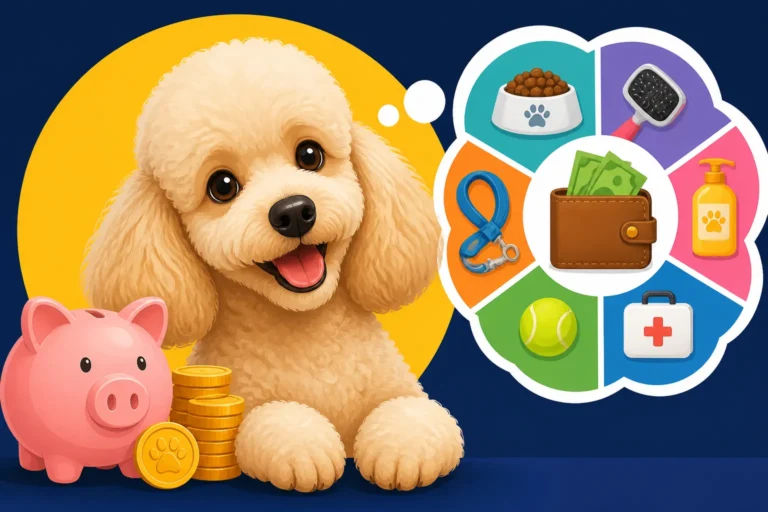
The purchase price is just the entry fee. Bringing home a Toy Poodle puppy requires a significant upfront investment in supplies. You'll need an appropriately sized crate – remember that Crate Size for Each Poodle Variety will depend on whether you have a tiny toy or a slightly larger miniature. Then there are food and water bowls, a comfortable bed, a leash and harness (critical for a tiny Toy Poodle's delicate neck and trachea), and an array of toys to keep that intelligent Poodle mind occupied. Training treats are also essential, especially for a smart breed like the Poodle that thrives on positive reinforcement.
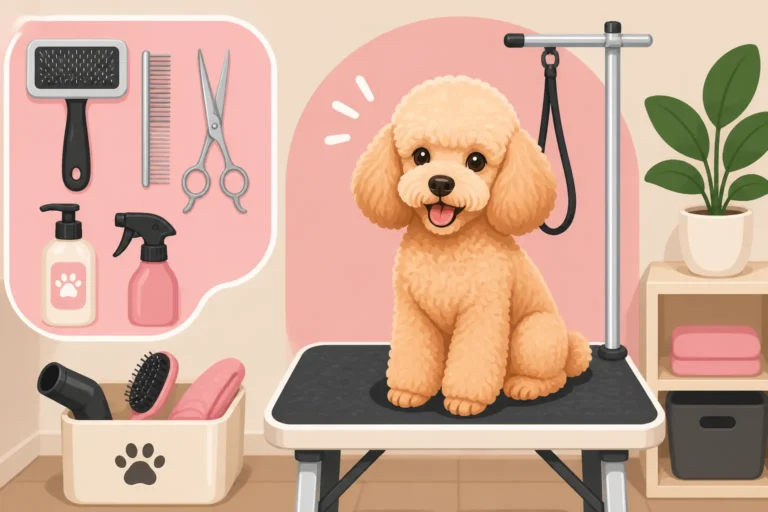
Other necessities include grooming tools like a slicker brush, a metal comb, puppy shampoo and conditioner, nail clippers or a grinder, and ear cleaner – Poodles need regular grooming to prevent matting and ear infections. Don't forget puppy pads for house training, stain and odor remover for accidents, and child gates to puppy-proof your home. These initial setup costs can easily add up to several hundred dollars, so it's wise to factor this into your budget before you even start looking for a puppy.
Many of these items can be found at pet stores or online retailers like Chewy, which offers a vast selection and often competitive prices for everything from kibble to carriers. Taking the time to research and purchase quality items upfront can save you headaches and extra expenses down the line.
First-Year Veterinary Expenses
The first year of a Toy Poodle's life is usually the most vet-intensive. Puppies require a series of vaccinations (distemper, parvovirus, adenovirus, parainfluenza, rabies), multiple deworming treatments, and typically a microchip implantation if the breeder hasn't already done so. Spaying or neutering, usually performed between 6 months and 1 year of age, is a major surgical expense. These routine procedures alone can range from $500 to $1,500 in the first year, depending on your location and veterinary clinic. For a detailed breakdown, consider reading Vet Bills in a Poodle Puppy's First Year.
Beyond routine care, puppies, especially active ones, are prone to minor injuries or illnesses. Accidents happen, they might ingest something they shouldn't, or develop a common puppy ailment. For example, Toy Poodle puppies are particularly susceptible to Hypoglycemia in a Toy Poodle Puppy if they don't eat frequently enough, which can lead to emergency vet visits. Regular vet check-ups are crucial for monitoring growth and catching any potential issues early, such as Retained Baby Teeth in a Toy Poodle which might require extraction.
This is also the time to consider pet insurance. Providers like Healthy Paws can offer crucial financial protection against unexpected illnesses or accidents. While insurance is an ongoing monthly cost, it can be a lifesaver if your puppy faces a sudden medical crisis, potentially covering 70-90% of eligible vet bills after your deductible. Investing in coverage early means avoiding pre-existing condition exclusions later. For more information, you might want to look into Poodle Insurance Premiums by Size and Age.
Ongoing Food, Grooming, and Training Costs
Food is a recurring expense, and while a Toy Poodle eats less than a Standard, quality matters. Premium kibble can cost anywhere from $30 to $60 per month, depending on the brand and formula (e.g., puppy-specific, small breed-specific). If you opt for fresh food diets like Ollie, your monthly spend could be higher, but many owners feel the health benefits are worth it. Understanding the Monthly Food Cost for a Toy Poodle is crucial for long-term budgeting, as is learning about Feeding a Toy Poodle Puppy to ensure proper nutrition.
Grooming is non-negotiable for a Poodle. Their continuously growing coat requires professional grooming every 4-8 weeks, which can cost $60-$100 per session for a Toy Poodle. If you learn to groom at home, you'll still have costs for clippers, blades, shampoos, and conditioners. Between professional grooms, daily or every-other-day brushing is essential to prevent painful mats.
Training, though often an upfront cost, is an ongoing commitment. Puppy classes usually run for a few hundred dollars, but continued education, whether through advanced classes or working with a private trainer, is highly beneficial for this intelligent breed. Mental stimulation through puzzle toys and training sessions should be a daily part of a Poodle's life to keep them happy and well-behaved.
Recognizing Red Flags in Toy Poodle Pricing
Navigating the puppy market can be tricky, and unfortunately, not everyone has the dogs' best interests at heart. Learning to spot red flags can protect you from financial and emotional distress.
Unrealistic Low Prices and Immediate Availability
One of the most glaring red flags is a Toy Poodle puppy offered at a price that seems too good to be true, often significantly below the $2,000 mark. While everyone loves a bargain, in the world of purebred puppies, an unusually low price almost always indicates corners have been cut. These puppies might be from puppy mills where breeding dogs live in deplorable conditions, receive minimal veterinary care, and are bred indiscriminately without health testing.
Another huge warning sign is a breeder who consistently has multiple litters of puppies readily available at all times. Reputable breeders plan litters carefully, and there's usually a waiting list because demand for healthy, well-bred puppies exceeds immediate supply. If a breeder can offer you a puppy "today" with no questions asked and no waiting period, be extremely wary. This often points to a high-volume operation, like a puppy mill, that prioritizes sales over the welfare and proper development of individual animals.
Don't let the allure of instant gratification blind you to potential problems. A cheap puppy often comes with a hefty price tag in terms of future vet bills, behavioral issues stemming from poor early socialization, and the emotional toll of dealing with a sick or fearful dog. It’s a classic case of paying less now only to pay much, much more later, not just in money but in heartache.
Lack of Transparency and Health Guarantees
A reputable breeder will be an open book. They should be eager to answer your questions, provide detailed information about their breeding program, and allow you to meet the puppy's parents (at least the mother). If a breeder is evasive, refuses to let you visit their home or facility, or insists on meeting you in a neutral location like a parking lot, these are major red flags. Such behavior often suggests they have something to hide, whether it's the poor living conditions of their dogs or a lack of proper care.
Critically, they should also provide clear, verifiable health clearances for both parent dogs, not just a vet check-up for the puppy. They should be able to show proof of genetic testing for common Poodle ailments like PRA and patellar luxation. A vague "vet checked" statement for the parents is insufficient. Furthermore, a responsible breeder will offer a written health guarantee in their contract, typically covering genetic health issues for a certain period. If a breeder dismisses the importance of health testing or doesn't offer a guarantee, walk away.
Be cautious if a breeder refuses to provide references from other puppy buyers or their veterinarian. Transparency builds trust, and a breeder who is unwilling to be transparent about their practices or the health of their lines is signaling that they might not be operating ethically.
Pressured Sales and Missing Paperwork
Any breeder who pressures you into making a quick decision or demands cash-only payments without proper documentation should raise immediate alarms. Buying a puppy is a significant, long-term commitment, and a responsible breeder understands this. They will encourage you to take your time, ask questions, and ensure a Toy Poodle is the right fit for your lifestyle. High-pressure sales tactics are a hallmark of unscrupulous sellers looking to offload puppies quickly.
Proper paperwork is essential. This includes a written contract, pedigree information (showing the puppy's ancestry), health records (vaccinations, deworming dates), and registration papers (e.g., AKC limited registration for pet homes). If a breeder claims the papers are "extra" or will be mailed to you much later without a clear explanation, it's suspicious. These documents verify the puppy's lineage and health history and are part of the reputable breeder package.
The absence of these key elements, combined with unusual pricing, usually points to an individual more interested in turning a profit than in the welfare of their dogs or the satisfaction of their puppy buyers. Taking the time to observe these warning signs can protect you from significant financial loss and, more importantly, from unknowingly supporting unethical practices in the breeding world.
Making the Financial Commitment: Budgeting and Support
Bringing a Toy Poodle puppy into your life is a long-term commitment. Financial planning is essential to ensure you can provide the best care for your furry family member.
Creating a Realistic Poodle Budget
Before you even start looking at adorable Toy Poodle puppies, sit down and create a realistic budget that encompasses not just the initial purchase price, but all the ongoing expenses. Think about the full scope: the cost of the puppy itself, initial supplies (crate, bowls, toys, grooming tools), first-year vet visits (vaccinations, spay/neuter), recurring monthly food costs, professional grooming, and training classes. Don't forget an emergency fund for unexpected vet bills or pet insurance premiums, which can significantly offset those costs.
Many new owners underestimate the long-term financial commitment. A Toy Poodle can live for 12-18 years, and throughout that time, they will require consistent care, quality nutrition, and potentially specialized medical attention as they age. Consider the total estimated lifetime cost, not just the monthly or yearly figures. For example, knowing the average Poodle Lifespan Across the Three Sizes can help you project expenses over a decade or more.
Being financially prepared not only provides peace of mind but also ensures you can provide your Toy Poodle with the best possible care throughout their life. It means you won't have to make difficult choices based on financial constraints if your beloved companion suddenly needs expensive treatment.
Pet Insurance as a Financial Safety Net
Pet insurance is arguably one of the smartest investments a Toy Poodle owner can make, especially given the breed's predispositions to certain health issues like Luxating Patella in Toy and Miniature Poodles or potential for Blood Sugar Crashes in a Toy Poodle when young. Accidents and illnesses can strike unexpectedly, and vet bills for emergencies, diagnostics, or surgeries can quickly escalate into thousands of dollars. Without insurance, these costs can be a huge burden.
Companies like Healthy Paws, Embrace, and Trupanion offer various plans, typically covering accidents, illnesses, surgeries, medications, and sometimes even alternative therapies. While routine wellness care (vaccinations, check-ups) is often an add-on or not covered, the primary benefit is protection against unforeseen catastrophic expenses. The monthly premium for a Toy Poodle will vary based on age, location, and the plan you choose, but it's a small price to pay for significant financial protection.
Getting insurance when your Toy Poodle is a puppy is ideal because it helps avoid exclusions for pre-existing conditions. Once a condition is diagnosed, it's usually not covered. So, securing a policy early ensures the widest possible coverage for your dog's lifetime, transforming a potentially devastating vet bill into a manageable deductible and co-pay.
Saving for Emergencies and Unexpected Costs
Even with pet insurance, it's wise to have an emergency savings fund specifically for your Toy Poodle. Most insurance plans have deductibles, co-pays, and sometimes annual limits. Your emergency fund can cover these out-of-pocket costs, or expenses not covered by insurance, such as specific prescription foods, specialized training for behavioral issues, or even a sudden need for a pet sitter.
Life with a dog is full of surprises. A curious puppy might swallow something it shouldn't, requiring an emergency vet visit. An older dog might develop a chronic condition requiring lifelong medication. While we hope for the best, being prepared for the worst is a responsible part of pet ownership. Having a dedicated savings account means you're ready for anything, from a minor ear infection to a major surgery.
Consider setting aside a small amount each month, perhaps $25-$50, into this "Poodle safety net" fund. Over time, it will build up, providing a cushion for when those inevitable unexpected costs arise. This proactive financial planning ensures that you can always prioritize your Poodle's health and happiness, without financial stress adding to an already challenging situation.
| Cost Category | Estimated Initial Cost (Puppy Only) | Estimated Yearly Recurring Cost | Notes |
|---|---|---|---|
| Toy Poodle Puppy Price | $2,000 – $5,000 | N/A | From reputable breeder, includes health testing, initial vet care |
| Initial Supplies | $300 – $800 | $100 – $300 | Crate, bed, bowls, leash, harness, toys, grooming tools, puppy pads |
| Vet Care (First Year) | $500 – $1,500 | $300 – $800 | Vaccinations, deworming, microchip, spay/neuter; then annual check-ups |
| Food & Treats | N/A | $360 – $1,200 | Quality kibble or fresh food, training treats |
| Grooming (Professional) | N/A | $720 – $1,200 | Every 4-8 weeks; can be reduced by home grooming |
| Training Classes | $150 – $400 | $0 – $500 | Puppy kindergarten, obedience, advanced classes |
| Pet Insurance | N/A | $300 – $700 | Monthly premiums, vital for unexpected emergencies |
| Miscellaneous/Emergency | N/A | $200 – $500 | Unexpected vet visits, boarding, dog walking, toy replacement |
| Total First Year Estimate | $3,980 – $9,600 | Varies greatly | Does not include initial puppy cost for recurring estimates |
Disclaimer
This article is for general informational purposes only and does not constitute professional advice. Laws, prices and regulations vary by location and change over time. Consult a qualified professional for guidance on your specific situation.