What Poodle Clippers and Blades Cost
One of the biggest eye-openers for new Poodle owners is just how much the cost of keeping that magnificent, non-shedding coat adds up. Many decide to tackle grooming at home, hoping to save a significant chunk of change. But before you dive in, it’s vital to understand the initial and ongoing investment required for quality clippers and blades. This guide will walk you through the real costs involved, helping you make informed decisions about grooming your Poodle yourself.
The Initial Investment: Clippers for Your Poodle
When you first consider grooming your Poodle at home, the sheer variety of clippers on the market can feel overwhelming. It's not just about picking up any clipper; Poodle coats are unique – dense, curly, and prone to matting – demanding specialized tools. Skimping here often leads to frustration, botched haircuts, and even painful experiences for your dog. You’ll find clippers ranging from budget-friendly options under $50 to professional-grade machines costing several hundred dollars. For a Poodle, especially a Standard Poodle, you're generally looking at the higher end of that spectrum if you want something that will actually cut through their coat effectively and last.
Corded Versus Cordless Clippers: Weighing Your Options
The first major decision you'll face is whether to go with corded or cordless clippers. Both have their merits and drawbacks, particularly when it comes to cost and convenience.
Corded clippers typically offer more consistent power, as they're constantly drawing electricity from an outlet. This steady power can be a huge advantage when tackling a thick, dense Poodle coat, preventing the motor from bogging down and pulling hair, which is uncomfortable for your dog. They often cost a bit less initially than their cordless counterparts with similar power, making them an attractive option for budget-conscious groomers. However, the cord itself can be a hindrance, limiting your mobility and potentially getting tangled, especially if you're working on a squirmy puppy or trying to navigate around a large Standard Poodle on a grooming table.
Cordless clippers, on the other hand, provide unparalleled freedom of movement, allowing you to reach every angle without worrying about a cord. This flexibility can make the grooming process much smoother and safer for both you and your Poodle. The trade-off, however, is often in power and battery life. While modern cordless clippers are increasingly powerful, they can still lose torque as the battery drains, which might struggle with particularly challenging sections of your Poodle's coat. They also tend to be more expensive upfront, with prices often starting around $150 and climbing much higher for professional models that offer reliable power and extended battery life. You'll need to consider how long you typically groom and if you have a backup battery or a quick-charging model.
Clipper Motors and Power: What to Look For
The motor inside your clippers is truly the heart of the machine, determining its ability to tackle the formidable Poodle coat. There are generally three types of motors you'll encounter: rotary, pivot, and magnetic. For Poodles, a rotary motor is almost universally recommended by experienced groomers and breeders.
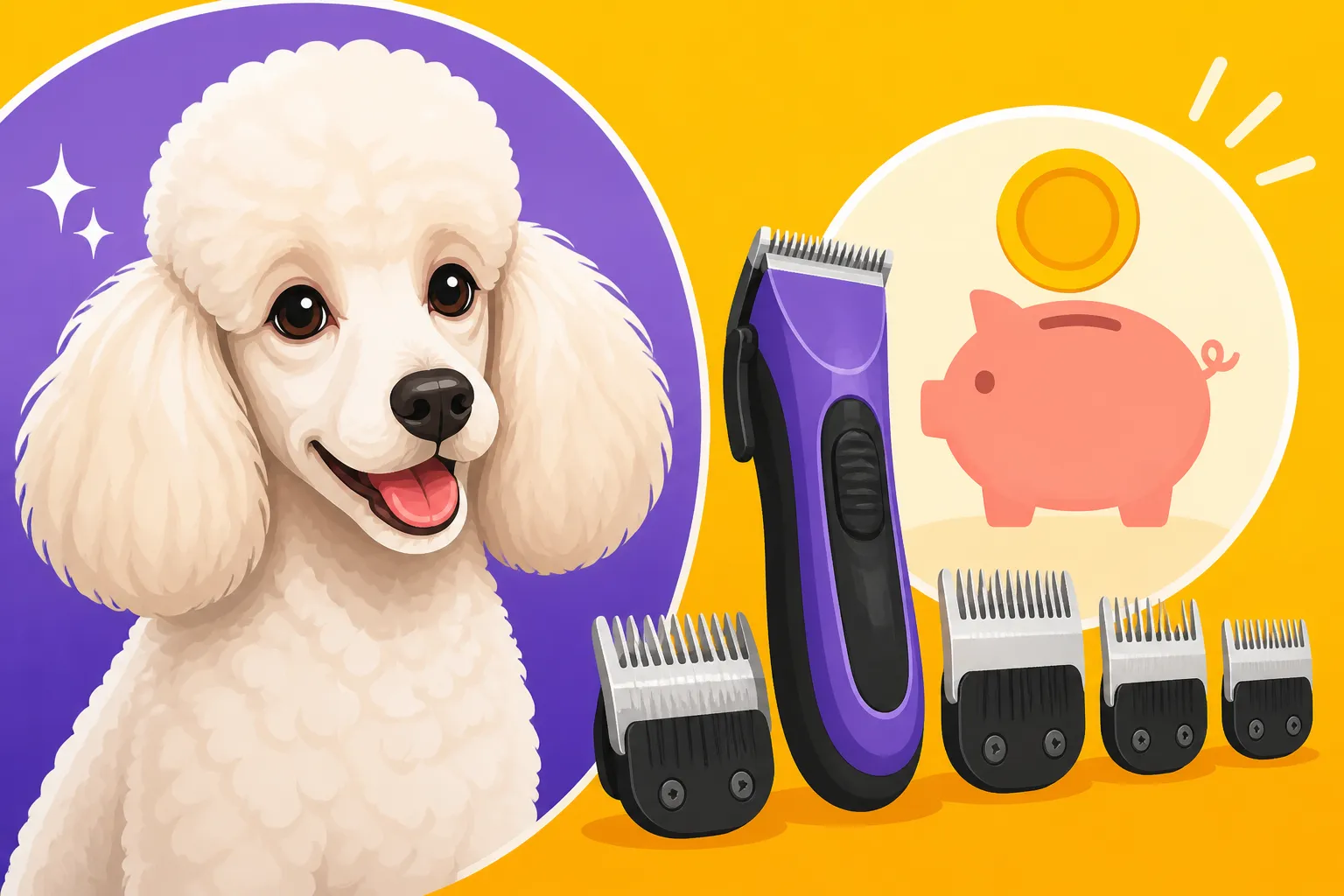
Rotary motors are powerful, versatile, and designed for heavy-duty grooming, making them ideal for Poodles of all sizes. They maintain a consistent speed and torque, even when cutting through thick or matted hair, which is crucial for preventing painful snagging. High-quality rotary clippers for Poodles usually range from $150 to $400, sometimes more for top-tier professional models. Brands like Andis, Oster, and Wahl are popular choices for their durability and performance. Cheaper magnetic or pivot motor clippers (often found in human hair clippers or very basic pet sets) simply won't have the oomph needed for a Poodle's dense undercoat and coarse guard hairs, leading to frustrating jams and poor results. Investing in a robust rotary motor clipper from the start will save you a lot of headache and potential disappointment, ensuring a smoother, more efficient grooming experience for everyone involved. If you're serious about Learning to Clip a Poodle at Home, this is not an area to compromise.
Understanding Clipper Blades: More Than Just Sharp Edges
Once you've chosen your clippers, the blades are the next critical investment. Many new groomers underestimate the cost and variety of blades needed. A good clipper is only as good as the blade attached to it, and for a Poodle, you’ll need a selection of high-quality, sharp blades to achieve different lengths and ensure a smooth, comfortable cut. The curly, dense nature of a Poodle's coat means that dull or cheap blades will snag, pull, and leave an uneven finish, potentially causing skin irritation for your sensitive companion.
Blade Materials and Coatings: What to Choose
Clipper blades are not all created equal, and their material and any special coatings significantly impact their performance, durability, and ultimately, their cost. The most common materials are carbon steel and ceramic.
Carbon steel blades are the industry standard; they are durable, hold a sharp edge well, and are relatively affordable. However, they can heat up quickly during use due to friction, which can be uncomfortable or even burn your Poodle’s skin. To combat this, you'll often see them with cryogenically treated finishes or various coatings that claim to reduce heat and prolong sharpness. These enhanced steel blades might cost between $25 and $40 each. Ceramic blades, on the other hand, are fantastic for staying cool. The ceramic material generates less friction, meaning the blade stays cooler for longer, which is a huge comfort factor for your Poodle during a lengthy grooming session. They are also incredibly sharp and lightweight. The downside is that ceramic blades are more brittle than steel and can chip or break if dropped. Expect to pay a bit more for ceramic blades, typically in the range of $35 to $60 per blade. Given that Poodles require regular, often extended grooming sessions, investing in blades that stay cool is a kindness to your dog and will make the experience far more pleasant for both of you.
Blade Sizes and Their Uses: Building Your Collection
You absolutely cannot get by with just one blade when grooming a Poodle. Different parts of their body, various coat lengths desired, and the need to address matting all require a specific blade size. Understanding these will help you budget for the necessary collection.
The most common starting point is a #10 blade. This blade cuts hair to about 1/16th of an inch, making it excellent for sanitary areas, paw pads, and often the face, especially if you prefer a clean-shaven look. It's a workhorse blade that you'll use constantly. For body work, especially if you want to leave a bit more length, you'll need finishing blades. F-blades (meaning "finish" blades) like the #7F (1/8th inch), #5F (1/4th inch), and #4F (3/8th inch) are essential for smooth, even body clips. These blades are designed to leave a slightly longer, uniform cut and are less likely to leave track marks than skip-tooth blades. Skip-tooth blades, while useful for rough cutting very thick or matted coats, are generally not recommended for beginners on a Poodle's body as they can cut too close and be dangerous if used improperly. You'll likely want at least one or two F-blades for the body length you prefer. Additionally, longer stainless steel comb attachments used over a #10 blade can give you even more length (e.g., 1/2 inch to 1 inch or more), but these require a consistently brushed-out, mat-free coat and can vary in quality and cost. Expect to spend $25-$60 per individual blade, meaning a basic set of 3-5 essential blades will quickly add up to $75-$300. This is a significant part of What Grooming Adds to a Poodle's Lifetime Cost.
Beyond the Initial Purchase: Ongoing Blade Maintenance and Replacement
The cost of Poodle grooming tools doesn't stop once you've made your initial purchase. Blades, much like any cutting tool, require regular maintenance to perform their best and, eventually, will need to be replaced. Neglecting blade care can lead to poor cuts, unnecessary discomfort for your Poodle, and even skin irritation or clipper burn. Thinking about these ongoing expenses from the outset is a crucial part of Budgeting for a Poodle Coat That Never Stops.
Blade Sharpening Services: Keeping Your Edge
Even the highest quality blades will dull over time with regular use. Grooming a Poodle's dense coat is particularly demanding on blades, so sharpening will become a necessary, recurring expense. Professional blade sharpening services typically cost between $8 and $15 per blade, sometimes slightly more for specialized ceramic blades.
How often you need to sharpen your blades depends on several factors: how frequently you groom, the thickness and condition of your Poodle's coat, and how well you clean and oil your blades between uses. For an owner grooming their Poodle every 4-6 weeks, you might find yourself needing to sharpen your most-used blades (like the #10 and your preferred body blade) every 3-6 months. It's a good idea to rotate between several sets of blades to ensure you always have sharp ones on hand, allowing you to send a dull set out for sharpening without interrupting your grooming schedule. This also prolongs the life of each individual blade. For example, if you have two #10 blades, you can use one while the other is being sharpened. Shipping costs to and from a reputable sharpener should also be factored in, which can add another $10-$20 per shipment. Many owners send a batch of blades in at once to make this more cost-effective.
Replacement Blade Costs: When a Refresh is Due
While sharpening extends the life of your blades significantly, they won't last forever. Over time, even perfectly sharpened blades can become worn, develop nicks, or lose their tension, making them less effective and potentially uncomfortable for your Poodle. This is when Replacing Clippers and Blades for a Poodle becomes necessary.
You'll know it's time for a replacement when a blade no longer holds an edge well after sharpening, or if it consistently leaves track marks or an uneven finish despite being clean and sharp. A blade that chatters or pulls hair even when lubricated is another strong indicator. The cost of replacement blades is the same as your initial purchase – $25 to $60 per blade, depending on the type and material. It's difficult to put an exact timeframe on replacement, as it varies widely based on usage and care, but a well-cared-for blade might last through several sharpening cycles over a year or two before needing to be completely replaced. Maintaining a couple of backup blades for your most frequently used sizes is a smart strategy to avoid being caught off guard when a blade finally gives out.
Factors Influencing Clipper and Blade Costs
Understanding why some clippers and blades cost more than others is key to making a wise purchase for your Poodle. It's not just about the brand name; several practical factors contribute to the price tag and ultimately affect how well the tools perform on a Poodle's unique coat.
Poodle Size and Coat Type: Demanding More Power
The size of your Poodle and the specific characteristics of their coat play a significant role in determining the type of clippers and blades you'll need, and thus their cost. A Standard Poodle, with its large body and immense volume of dense, curly hair, presents a much greater challenge to clippers than a tiny Toy Poodle.
For a Standard Poodle, you absolutely need a heavy-duty, powerful clipper that can maintain consistent torque through thick sections of coat without bogging down. This typically means investing in a professional-grade, two-speed or variable-speed rotary motor clipper, which will be on the higher end of the price spectrum (think $200-$400+). Their thick coats also mean blades will heat up faster and dull more quickly, requiring more frequent blade rotations, cooling sprays, and sharpening. In contrast, a Toy Poodle, while still needing sharp, quality tools, can often be managed with a slightly less powerful (and therefore sometimes less expensive) clipper, as there’s simply less coat to get through. However, even a Toy Poodle’s coat is dense, so don't mistake "smaller dog" for "can use cheap clippers." A finer, softer Poodle coat might be easier on blades than a coarser, more cottony one, but generally, Poodle coats are demanding across the board. The volume of coat on a Standard Poodle means you'll be using your clippers for longer periods, emphasizing the need for robust construction and efficient cooling, both of which add to the cost.
Brand Reputation and Warranty: Investing in Reliability
When it comes to grooming tools, especially clippers, brand reputation isn't just about marketing; it's about reliability, durability, and customer support. Established brands in the professional grooming world have earned their reputation by producing high-quality, long-lasting tools that can withstand the rigors of daily use.
Brands like Andis, Oster, and Wahl are consistently recommended by professional groomers for their powerful motors, robust construction, and wide availability of compatible blades and parts. While their initial cost might be higher than lesser-known brands, this investment often pays off in the long run. These reputable brands typically offer better warranties, meaning if your clippers malfunction within a certain period, you have recourse for repair or replacement, protecting your investment. For instance, a quality Andis AGC2 Super 2-Speed Clipper, a popular choice for Poodles, might cost around $200-$250, but it comes with the assurance of a durable motor and readily available replacement parts and blades. Choosing a no-name brand to save $50 upfront might lead to a clipper that struggles with your Poodle's coat, overheats, breaks down quickly, and has no warranty or replacement parts, ultimately costing you more in frustration and repurchase. Many pet owners find a good selection of these reputable brands on sites like Chewy, making it easier to compare models and read reviews before committing.
Budgeting for At-Home Grooming
Deciding to groom your Poodle at home is a fantastic way to bond with your dog and maintain their coat exactly how you like it. However, it's crucial to approach it with a realistic understanding of the costs involved. While it can save money over professional grooming in the long run, there's a significant upfront investment, plus ongoing expenses.
Here's a breakdown to help you visualize the budget for setting up your home grooming station for a Poodle:
| Item | Estimated Initial Cost (USD) | Estimated Annual Ongoing Cost (USD) | Notes |
|---|---|---|---|
| Professional-Grade Clippers | $150 – $400 | $0 – $50 | Higher end for Standard Poodles. Ongoing cost for potential repairs/maintenance after warranty. |
| Essential Blades (3-5 sizes) | $75 – $300 | $50 – $150 | Varies by material (steel vs. ceramic). Ongoing cost for sharpening and eventual replacement. |
| Blade Coolant Spray | $10 – $20 | $20 – $40 | Essential for preventing blade burn. Used frequently during grooming. |
| Blade Oil | $5 – $10 | $5 – $10 | Must oil blades before, during, and after use to maintain performance. |
| Subtotal (Clippers & Blades) | $240 – $730 | $75 – $250 | |
| Slicker Brush | $15 – $40 | $0 – $10 | High-quality slicker is crucial. Replacement only if worn or damaged. |
| Greyhound Comb | $15 – $30 | $0 | Essential for checking for mats. |
| High-Velocity Dryer | $100 – $300 | $0 – $20 | Speeds drying, helps straighten coat for clipping. Repairs/filters. |
| Grooming Table (with arm) | $80 – $200 | $0 | Provides stability and safety. Highly recommended for all Poodle sizes. |
| Quality Shampoo & Conditioner | $20 – $50 | $60 – $120 | Poodles need specialized products. Frequency dictates usage. |
| Nail Clippers/Grinder | $10 – $40 | $5 – $15 | Replacement blades for grinder, general wear. |
| Styptic Powder | $5 – $10 | $0 | Emergency use for nail quicks. Lasts a long time. |
| Ear Cleaner & Hair Puller | $15 – $30 | $30 – $60 | Poodle ears require regular attention. |
| Total Estimated Costs | $500 – $1,440 | $170 – $475 | Note: This does not include potential costs like training courses or vet bills for grooming mistakes. |
As you can see, the initial outlay is substantial, easily ranging from $500 to over $1,400 for a complete and effective setup. However, once you have these tools, your ongoing annual costs are significantly lower than repeated professional grooming fees, which can run $75-$150+ per session, or $450-$900+ per year for 6 grooms. This investment is well worth it if you plan to commit to at-home grooming for the long haul. Remember that even the best food, like that from Ollie, won't keep your Poodle's coat healthy without proper grooming tools. For a comprehensive list of what else you'll need, check out Grooming Tools a Poodle Owner Must Buy.
The Hidden Costs of Grooming at Home
While the financial savings of grooming your Poodle at home can be significant over time, it’s important to acknowledge that there are "hidden" costs beyond just the price of clippers and blades. These aren't line items on a receipt, but they are very real investments of time, effort, and sometimes, unexpected expenses that can arise from the learning process.
Grooming Accessories: The Supporting Cast of Tools
Beyond the core clippers and blades, a successful home grooming routine for a Poodle requires a range of supplementary accessories, each adding to your initial investment. Think of these as the supporting cast that enables your main tools to shine. You’ll need a high-quality slicker brush and a sturdy greyhound comb – these are non-negotiable for line brushing a Poodle and detecting mats before they become a problem. Expect to spend $30-$70 combined for good quality ones. A high-velocity dryer is another game-changer; it dramatically reduces drying time, helps straighten the coat for a smoother clip, and forcibly removes loose hair, preventing mats. These can run anywhere from $100 to $300+.
Then there are smaller, but essential items: blade coolant spray to prevent overheating, blade oil for lubrication, ear cleaner specifically for Poodles' drop ears, nail clippers or a grinder, and styptic powder for any accidental quicks. You might also want a good quality grooming table with an arm, which provides a safe, stable surface for your Poodle, saving your back and making the process much easier. A stable table can cost $80-$200. Investing in professional-grade shampoos and conditioners formulated for Poodle coats (which often cost more than generic pet shampoos) is also critical for coat health and manageability. All these items, while seemingly minor individually, quickly add up to a substantial sum when Setting Up a Poodle Grooming Corner at Home. Without them, even the best clippers and blades will struggle to give you the desired results.
Learning Curve and Potential Mistakes: Time, Effort, and Vet Bills
Perhaps the most significant hidden cost of at-home grooming is the learning curve itself. Becoming proficient at grooming a Poodle takes time, patience, and a willingness to accept that your first few haircuts might not be perfect (or even pretty!). This initial period demands a substantial investment of your personal time – watching tutorials, practicing techniques, and dealing with a sometimes-uncooperative dog. Learning how to properly Line Brushing a Poodle Explained and handle the clippers can be challenging.
More critically, there's the risk of making mistakes that can lead to unexpected vet bills. Clipper burn, caused by dull or overheated blades or improper technique, can result in painful skin irritation, redness, and even infection, requiring veterinary attention. Accidental nicks and cuts, especially around delicate areas like ears, paw pads, or sanitary regions, are also a possibility for beginners. While diligent care and learning can minimize these risks, they are a real concern. In severe cases, these minor injuries could become infected and necessitate antibiotics, pain medication, or even more involved treatment. Having pet insurance, like a plan from Healthy Paws, can be a safeguard against unexpected vet costs, but it won't cover the emotional toll or the time spent dealing with a grooming mishap. The best way to mitigate these risks is through thorough preparation, using appropriate tools, and gradually building your skills.
Disclaimer
As a veteran lifestyle blogger, I offer insights based on extensive experience and research. However, this information is not a substitute for professional veterinary advice. Always consult your veterinarian for any health concerns or before making decisions about your Poodle's medical care or diet. The costs mentioned are estimates and can vary widely based on location, brand, and specific needs.