Finding a Trainer a Poodle Will Not Shut Down For
Bringing a Poodle into your home is an incredible joy, but many new Poodle parents quickly discover that these highly intelligent and sensitive dogs require a very particular approach to training. When faced with methods that are too harsh or simply don't resonate, a Poodle can quickly become withdrawn, anxious, or even "shut down," making progress impossible. This guide will walk you through understanding your Poodle's unique training needs and, more importantly, how to find a trainer who will nurture their brilliance without crushing their spirit.
Understanding the Poodle's Sensitivity
Poodles are often celebrated for their sharp minds, ranking high on intelligence scales, but what's often overlooked is how deeply this intelligence intertwines with a profound sensitivity. They don't just learn cues; they learn the nuances of your voice, your body language, and even your mood. This makes them incredibly responsive partners, but also incredibly vulnerable to miscommunication or harshness.
The Poodle's High Intelligence and How It Affects Training
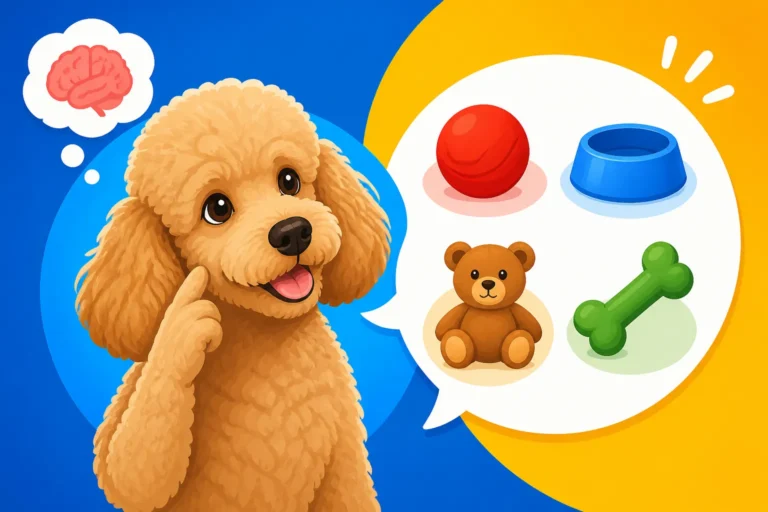
It's no secret Poodles are smart. In fact, they consistently rank among the most intelligent dog breeds, often second only to the Border Collie in some classifications. This isn't just a fun fact; it fundamentally impacts how they learn and interact with training. A Poodle often picks up new cues with astonishing speed, sometimes needing only a handful of repetitions before they understand what's being asked. This quick grasp means they can also pick up on subtle cues you didn't even know you were giving, or anticipate your next move before you've fully thought it through.
However, this intelligence can be a double-edged sword. A Poodle that isn't sufficiently challenged or engaged can become bored, leading them to invent their own "games" or simply check out. They thrive on mental stimulation as much as physical exercise. If a trainer relies on repetitive, unthinking drills without adapting to the Poodle's rapid learning, the dog might become frustrated and disengaged. They might even try to "solve" the training exercise in an unexpected way, which can be misinterpreted as stubbornness rather than cleverness. Finding a balance between challenging their intellect and maintaining their engagement is crucial. For more on their capabilities, consider Why Poodles Learn a Cue in Five Repetitions and The Cues a Poodle Picks Up in a Week.
Reading a Poodle's Body Language for Stress Signals
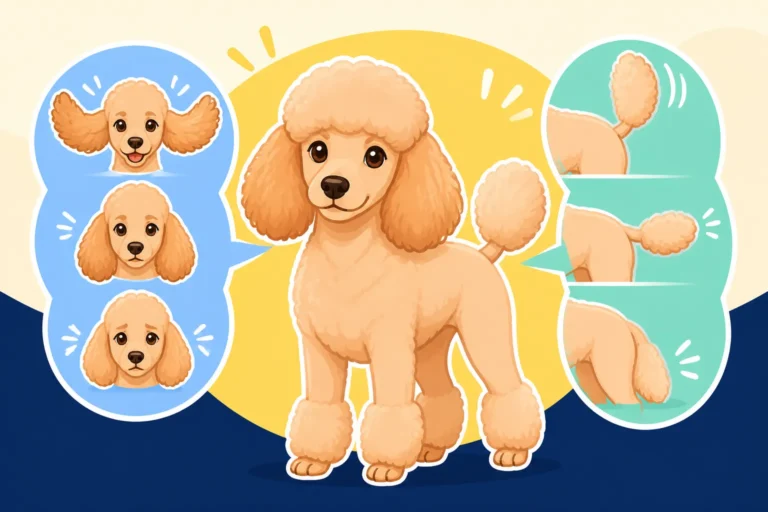
Poodles, being so attuned to their environment and their human companions, are masters of subtle communication. They rarely overtly "act out" without first giving a host of quiet signals that they are uncomfortable or stressed. Learning to read these signals is paramount, especially when working with a new trainer. A Poodle might start with lip licking, yawning (when not tired), or averting their gaze. As stress increases, you might see them tuck their tail, lower their body, pin their ears back, or even try to physically remove themselves from the situation by leaning away or retreating.
A "shutdown" Poodle isn't being stubborn; they're overwhelmed. They might become completely still, unresponsive, or appear vacant. This isn't a sign of compliance but rather a desperate coping mechanism when their flight or fight instincts are suppressed. An effective trainer will be able to spot these early warning signs and adjust their approach immediately, understanding that pushing a Poodle past these signals will only damage trust and hinder learning. Recognizing these signals is key to their well-being, as discussed in Reading a Poodle's Body Language.
Why Harsh Handling Breaks a Poodle's Spirit
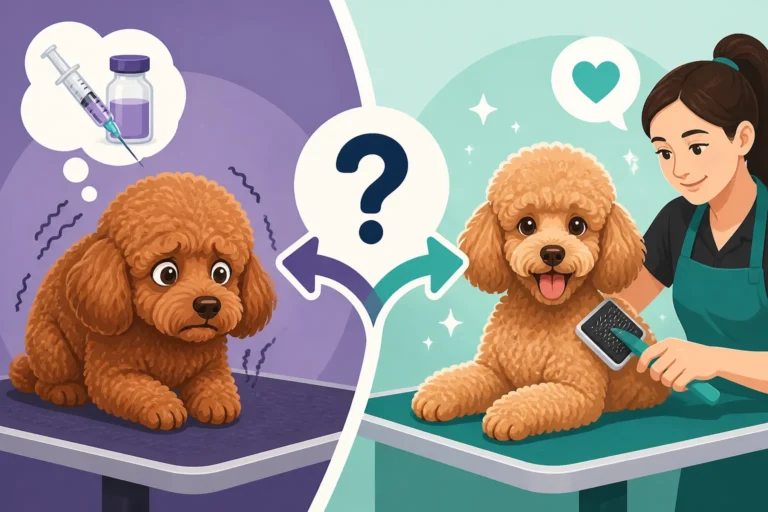
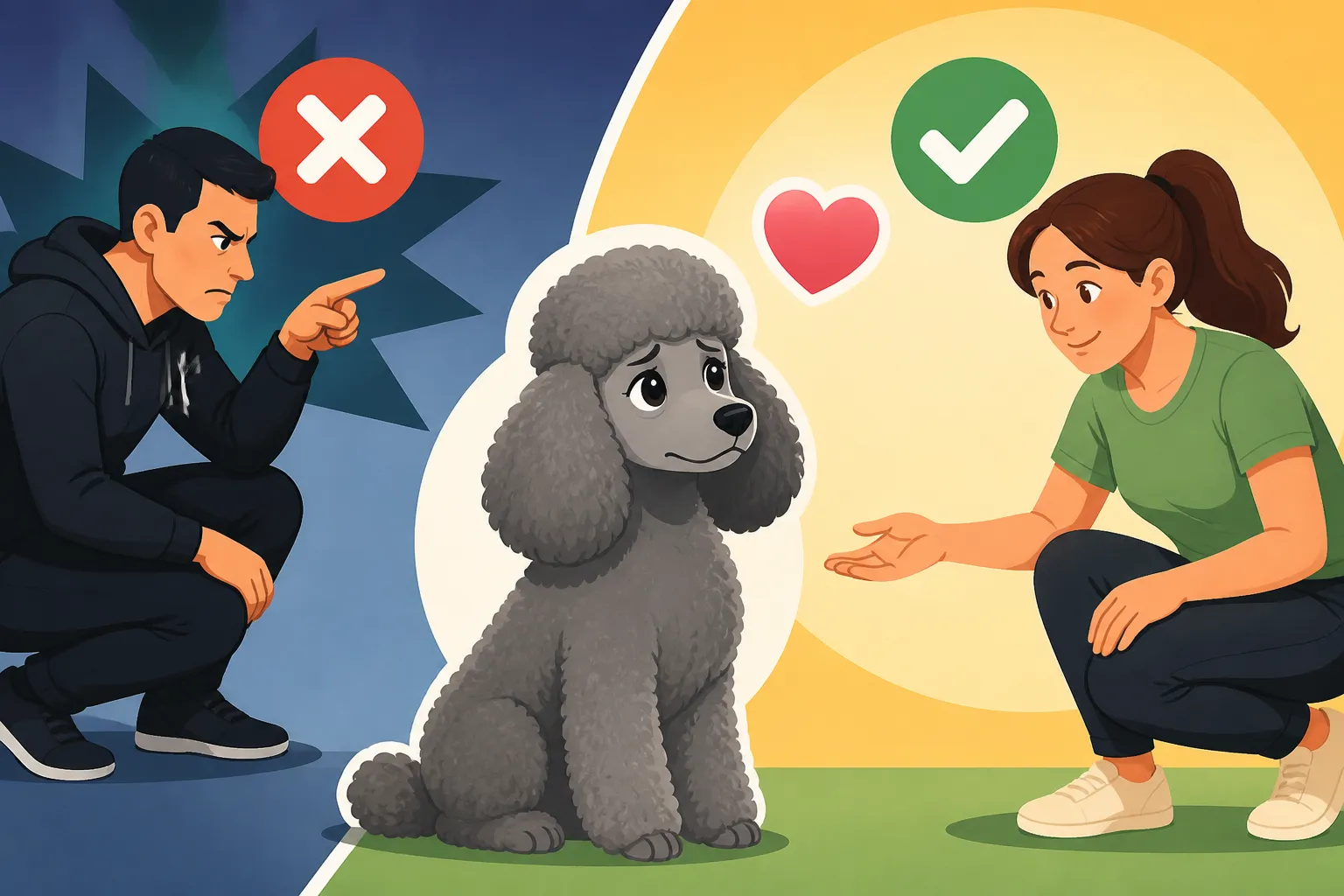
Because of their innate sensitivity, Poodles are particularly vulnerable to harsh training methods. A sharp voice, a yank on the leash, or any form of physical correction can quickly erode their trust and cause them to internalize fear rather than learn. They don't respond well to intimidation; instead, they often become timid, anxious, and lose confidence. This isn't about coddling; it's about understanding their inherent temperament.
Imagine being told off for an honest mistake when you were genuinely trying your best. That's often how a Poodle perceives harsh corrections. They thrive on encouragement and positive reinforcement. A negative experience can stick with a Poodle for a long time, making them wary of future training sessions, certain people, or even specific environments. This can lead to a dog who avoids interaction, hides, or becomes reactive out of fear. A trainer who understands Why Harsh Handling Breaks a Poodle will always prioritize gentle, clear communication.
What Makes a Trainer Ineffective for Poodles?
Not all trainers are created equal, and what works for one breed or individual dog might be detrimental to another. For Poodles, certain training philosophies and methods can be particularly damaging, leading to a breakdown in communication and trust.
Reliance on Aversive Tools and Methods
A significant red flag for Poodle owners is a trainer who heavily relies on aversive tools or methods. This includes, but isn't limited to, choke chains, prong collars, e-collars (shock collars), alpha rolls, or any technique designed to suppress behavior through pain, fear, or intimidation. While some trainers argue these tools are effective for strong-willed or aggressive breeds, they are almost universally inappropriate for a sensitive and intelligent Poodle.
For a Poodle, aversive methods often bypass actual learning. Instead of teaching them what to do, these methods teach them what not to do by instilling fear of consequences. A Poodle subjected to such training may perform behaviors to avoid punishment, but they don't truly understand or enjoy the process. This can lead to a dog who is outwardly compliant but internally anxious, displaying subtle signs of stress or becoming increasingly shut down. You might see a Poodle that appears to be "perfectly behaved" in a session but then exhibits anxiety or avoidance at home.
Ignoring Individual Dog Personalities
Even within the Poodle breed, there's a spectrum of personalities. Some Poodles might be more outgoing, others more reserved; some might be bold, others more cautious. An ineffective trainer is one who applies a one-size-fits-all approach, failing to recognize and adapt to the unique character of your specific Poodle. They might treat a shy Toy Poodle the same way they'd treat a boisterous Standard Poodle, or worse, the same way they'd train a German Shepherd.
A good trainer understands that while Poodles share common breed traits like intelligence and sensitivity, each dog is an individual. They'll take the time to observe your Poodle's natural tendencies, energy levels, and comfort zones. They'll adapt the pace of training, the type of reinforcement, and the overall environment to suit your dog, rather than forcing your Poodle to fit a rigid curriculum. If a trainer dismisses your observations about your Poodle's temperament or insists that their method works for "all dogs," it's a clear sign they might not be the right fit.
Lack of Understanding of Breed-Specific Traits
While a good trainer adapts to individual personalities, they should also possess a solid understanding of breed-specific traits. This isn't just about knowing that Poodles are smart; it's about understanding how that intelligence manifests, their retrieving instinct, their historical role as water dogs, and their inherent desire to please their family. A trainer who doesn't grasp these foundational elements might struggle to motivate a Poodle or misinterpret their behaviors.
For example, a Poodle's tendency to shadow their owner might be seen as clinginess by some, but for a knowledgeable trainer, it's a sign of their strong bond and desire for connection, which can be leveraged in positive ways during training. Their incredible scenting ability can be turned into fun nose work games, enhancing engagement. A trainer ignorant of these traits might try to suppress natural Poodle behaviors, leading to frustration for both dog and owner. Understanding Poodle Temperament and Sensitivity is key to effective training.
Qualities of an Effective Poodle Trainer
Finding the right trainer means looking for specific qualities and methodologies that align with the Poodle's sensitive and intelligent nature. It's about nurturing their potential, not breaking their spirit.
Emphasis on Positive Reinforcement and Lure-Reward
The absolute cornerstone of effective Poodle training is positive reinforcement. This means rewarding desired behaviors with something your Poodle values – whether it's high-value treats (like tiny pieces of cheese or boiled chicken), enthusiastic praise, a favorite toy, or a quick game of fetch. Lure-reward training is particularly effective; you use a treat or toy to guide your Poodle into the desired position or action, and then immediately reward them. This makes learning clear, fun, and fear-free.
A trainer committed to positive reinforcement will focus on teaching your Poodle what to do rather than punishing them for what they shouldn't do. For instance, instead of scolding a Poodle for jumping, they'll teach a "four on the floor" behavior and reward them for keeping all paws down. This builds confidence, strengthens the bond between you and your dog, and makes training a positive experience. Look for trainers who use tools like clickers for precise timing and who can advise on Treats Small Enough for a Toy Poodle or suitable for a Standard. The BAXTER & Bella online program, for example, is built entirely on these positive, force-free principles.
Patience and Observational Skills
Poodles, despite their intelligence, are still dogs, and they learn at their own pace. Some days they might be brilliant, other days they might be distracted or simply having an off day. An effective trainer exhibits immense patience, understanding that setbacks are part of the learning process. They don't get frustrated; they adapt. They understand that a Poodle might not be "ignoring" them, but rather overwhelmed, confused, or perhaps just needs a short break.
Beyond patience, exceptional observational skills are critical. A good trainer watches your Poodle's every move, every ear twitch, every subtle shift in posture. They can read the early signs of stress or confusion and adjust their technique before your Poodle gets overwhelmed and shuts down. They'll notice if a particular reward isn't motivating enough, or if the environment is too distracting. This nuanced understanding allows them to tailor their approach dynamically, ensuring your Poodle remains engaged and confident throughout the session.
Experience with Sensitive or Intelligent Breeds
While a trainer doesn't need to be exclusively a "Poodle trainer," having experience with other sensitive breeds (like Border Collies, Shelties, or even some herding breeds) or highly intelligent breeds is a huge advantage. These trainers typically understand the nuances of working with dogs who are thinkers and feelers, rather than just rote learners. They'll be familiar with the common pitfalls of training such breeds, such as boredom, anticipatory behavior, or shutting down under pressure.
Trainers with this kind of experience are often more creative in their methods, offering varied exercises and brain games to keep a Poodle's mind engaged. They understand that a Poodle might get bored quickly with repetitive drills and will introduce new challenges or variations to maintain interest. They're also more likely to be aware of how subtle body language can impact a sensitive dog, ensuring their own interactions are always clear, gentle, and encouraging. This specialized experience can make all the difference, as touched upon in Finding a Trainer Who Uses No Force on a Poodle.
Where to Find the Right Poodle Trainer
The search for the perfect trainer can feel daunting, but knowing where to look and what resources are available can make the process much smoother. It's about doing your homework and not settling for the first option you find.
Recommendations and Referrals
One of the most reliable ways to find a good trainer is through personal recommendations. Start by asking other Poodle owners in your area, perhaps through local breed clubs, online Poodle forums, or even at your dog park. These individuals have first-hand experience and can often share valuable insights into a trainer's style and effectiveness with Poodles. Your veterinarian is also an excellent resource, as they often work with trainers in the community and can recommend professionals known for humane and effective methods.
Word-of-mouth referrals carry significant weight because they come from people who have directly experienced the trainer's approach. They can tell you if the trainer was patient, if their Poodle responded well, and if they felt supported throughout the process. Don't be shy about asking specific questions about the trainer's methods, particularly how they handle sensitive or shy dogs.
Online Resources and Professional Organizations
The internet offers a wealth of resources for finding trainers. Websites of professional dog training organizations, such as the Certification Council for Professional Dog Trainers (CCPDT) or the Association of Professional Dog Trainers (APDT), often have searchable directories of certified trainers in your area. These certifications usually indicate a commitment to ethical, force-free training methods and ongoing education.
Many local pet stores that offer training classes, like Petco or Petsmart, also often have certified trainers who use positive reinforcement. Online platforms dedicated to dog training, such as the BAXTER & Bella online puppy school, can also provide structured programs and support, offering an alternative or supplement to in-person training, especially for those in remote areas or with busy schedules. When looking online, pay attention to reviews and testimonials, but remember to cross-reference them with your own assessment during an interview.
Group Classes Versus Private Sessions
When choosing a trainer, you'll likely encounter options for both group classes and private, one-on-one sessions. Both have their merits, and the best choice for your Poodle depends on their individual needs and your specific goals.
Group classes can be excellent for socialization, allowing your Poodle to learn to focus amidst distractions and interact with other dogs and people in a controlled environment. They're often more cost-effective and can build confidence in dogs that thrive on social interaction. However, if your Poodle is particularly shy, easily overwhelmed, or prone to shutting down, a group setting might be too much too soon. A good trainer will ensure class sizes are manageable and that dogs have enough personal space.
Private sessions offer individualized attention, allowing the trainer to focus entirely on your Poodle's specific challenges and learning style. This can be ideal for sensitive dogs who need a slower pace or a quieter environment to build confidence. It also allows for highly customized training plans tailored to your household's unique needs. Often, a combination of both works best: starting with private sessions to build a strong foundation, then transitioning to group classes for socialization and distraction proofing. Consider if Whether Board and Train Suits a Sensitive Poodle is a better option for your specific situation.
| Training Approach | Pros | Cons | Best For |
|---|---|---|---|
| Positive Reinforcement | Builds trust, fun, clear communication, long-lasting learning | Can be slower initially, requires consistent effort | All Poodles, especially sensitive ones; building strong relationships |
| Aversive Methods | Perceived quick suppression of unwanted behaviors | Damages trust, causes fear/anxiety, risk of shutdown, behavioral fallout | Almost never suitable for Poodles |
| Group Classes | Socialization, controlled distractions, cost-effective | Can be overwhelming for shy dogs, less individualized attention | Confident Poodles, those needing distraction proofing |
| Private Sessions | Personalized attention, tailored plan, flexible schedule | Higher cost, less direct socialization | Shy/sensitive Poodles, specific behavioral issues, busy owners |
| Online Programs | Learn at own pace, convenient, often comprehensive | Lacks in-person feedback, requires self-discipline | All Poodles; supplementing in-person, remote learning |
Interviewing Potential Trainers
Once you've compiled a list of potential trainers, the next crucial step is to interview them. This isn't just a casual chat; it's your opportunity to thoroughly vet their approach and ensure they're a good match for your unique Poodle.
Key Questions to Ask About Methodology
Don't be afraid to ask detailed questions about a trainer's philosophy and methods. This is your dog, and you have every right to know exactly how they'll be treated and taught. Here are some essential questions:
- "What training methods do you primarily use?" Look for answers that emphasize positive reinforcement, force-free techniques, and reward-based learning. Red flags include mentions of "balanced training" without clear definitions of how corrections are used, or any reference to physical punishment.
- "What tools do you use and recommend?" A good trainer will suggest flat collars, harnesses (like those available on Amazon), and leashes. Be wary if they immediately recommend choke, prong, or e-collars.
- "How do you handle a dog that is fearful, anxious, or not responding?" An ideal answer will involve adjusting the environment, breaking down tasks, using higher-value rewards, taking breaks, and never forcing interaction. They should mention Rebuilding Trust With a Frightened Poodle.
- "What is your experience with Poodles or other highly intelligent/sensitive breeds?" They should be able to articulate an understanding of Poodle traits, not just generic dog training.
- "What are your qualifications and continuing education?" Look for certifications from reputable organizations and a commitment to staying updated on the latest in animal behavior science.
- "Can I observe a training session before committing?" This is paramount.
Observing a Training Session
There's only so much you can learn from a conversation. Requesting to observe a live training session, either a group class or a private session (with another client's permission), is invaluable. When observing, pay close attention to:
- The Dogs' Demeanor: Do the dogs seem engaged, happy, and confident? Or do they appear stressed, timid, or shut down? Are there excessive signs of calming signals (lip licking, yawning, sniffing the ground)?
- The Trainer's Interaction: How does the trainer speak to the dogs and their owners? Is their tone calm and encouraging, or loud and intimidating? Do they get down to the dog's level? How quickly do they identify and reward desired behaviors? Do they notice when a dog is struggling and adjust their approach?
- The Environment: Is the training space clean, safe, and relatively calm? Is there adequate space between dogs in a group class?
This observation gives you a real-world glimpse into their philosophy in action. Trust your gut feeling – if something feels off, it probably is.
Trial Sessions and Guarantees
Some trainers offer a "discovery session" or a single trial lesson at a reduced rate. This can be a fantastic way to experience their style firsthand with your Poodle without a full commitment. During this trial, observe how your Poodle reacts to the trainer and the environment. Does your Poodle seem comfortable and willing to engage? Do they appear stressed or withdrawn?
While guarantees are rare in dog training (as so much depends on the owner's consistency), a good trainer will usually offer a clear explanation of their approach, what you can expect, and a willingness to communicate openly about progress or challenges. They should be transparent about their methods and eager to answer any questions you have along the way. Be wary of trainers who promise instant results or make unrealistic claims about "fixing" all behavioral issues in a short amount of time, especially if those promises are tied to aversive methods.
What to Do if Your Poodle Shuts Down
Even with the best intentions and a carefully chosen trainer, sometimes things don't go as planned, or you might realize your Poodle is shutting down. Recognizing this quickly and knowing how to respond is critical for your Poodle's well-being and future training success.
Recognizing the Signs of a Shutdown
A Poodle in shutdown isn't being disobedient or stubborn; they're experiencing extreme emotional distress. The signs can be subtle at first, escalating if ignored. You might initially notice:
- Sudden Unresponsiveness: Your Poodle might stop responding to cues they usually know, or simply ignore you.
- Frozen Stance: They might become very still, refusing to move, even with gentle encouragement.
- Lack of Eye Contact: They might avoid looking at you or the trainer, staring blankly into space.
- Body Language: Tucked tail, lowered head, flattened ears, excessive lip licking, yawning, or panting (when not hot).
- Physical Avoidance: Trying to hide, escape, or retreat into a corner.
- Apparent "Compliance" through Stillness: They might seem to be "giving up" or "being good" by not moving, but this is a sign of internal distress, not active cooperation.
If you see these signs, especially in a new or challenging training situation, it's vital to act immediately. For a deeper dive into this, see Why a Poodle Shuts Down When Scolded.
Rebuilding Trust and Confidence
If your Poodle has shut down, the immediate priority is to stop the current activity and remove them from the stressful situation. Go home, or to a quiet, familiar place. The focus then shifts from "training" to rebuilding their trust and confidence.
- No Punishment, Just Comfort: Do not scold or punish your Poodle for shutting down. This will only worsen their fear. Instead, offer quiet comfort and reassurance. Let them decompress without demands.
- Revisit Known, Easy Skills: Once they've settled, go back to very simple, fun cues they know perfectly in a familiar, low-stress environment. Make it a game, keep it short, and heavily reward every success. The goal is to remind them that training can be fun and safe.
- Positive Interactions: Spend time doing things your Poodle loves, whether it's cuddling on the sofa, playing their favorite game, or going for a sniffy walk. The aim is to create as many positive associations with you and their environment as possible.
- Patience is Key: Rebuilding trust takes time, especially for a sensitive Poodle. Don't rush the process. Celebrate small victories and be consistent in your gentle approach. Rebuilding Trust With a Frightened Poodle offers more strategies.
Seeking a Different Training Approach
If your Poodle consistently struggles with a particular trainer or method, it's not a reflection of your Poodle's capabilities; it's a sign that the approach isn't working for them. Don't be afraid to seek a different trainer or modify your strategy.
- Communicate with Your Current Trainer: Honestly explain what you're observing. A good trainer will listen, offer solutions, or even suggest a different approach. If they are dismissive or insist on pushing through, it's time to move on.
- Explore Other Options: Look for trainers who specialize in fearful or sensitive dogs, or those with explicit experience in force-free, positive reinforcement methods. Sometimes, simply switching from group classes to private sessions, or vice-versa, can make a huge difference. Consider also online options like the BAXTER & Bella program for a fresh start with foundational skills in a low-pressure home environment.
- Prioritize Your Poodle's Well-being: Your Poodle's emotional health and trust in you are far more important than achieving a specific training goal quickly. A happy, confident Poodle is a Poodle who is eager to learn and will thrive with the right guidance.
Choosing the right trainer for your Poodle is one of the most important decisions you'll make for their development. With their keen minds and tender hearts, Poodles need a guiding hand that is firm but kind, intelligent but empathetic. By understanding their unique needs and carefully vetting potential trainers, you can ensure your Poodle blossoms into the brilliant, well-adjusted companion they're meant to be.
Disclaimer
This article is for general informational purposes only and does not constitute professional advice. Laws, prices and regulations vary by location and change over time. Consult a qualified professional for guidance on your specific situation.