Settling a Poodle Who Cries in the Crate
Oh, the sound of a Poodle crying in their crate can just break your heart, can't it? That mournful whine or persistent bark can make you feel like the worst dog parent in the world, especially when all you want to do is help them feel safe and happy. This guide is here to walk you through exactly why your clever, sensitive Poodle might be expressing their distress from inside their crate and, more importantly, how you can lovingly and effectively teach them to embrace their crate as a cozy, secure den rather than a place of sorrow.
Understanding Why Your Poodle Cries in the Crate
It's natural to immediately feel guilt or frustration when your Poodle starts vocalizing from their crate. You might wonder if you're doing something wrong, or if your Poodle is just being stubborn. But Poodles are incredibly intelligent and sensitive dogs, and their cries almost always stem from a genuine need or emotion. It's not about being "bad"; it's about communicating. Before you can address the crying, you need to understand what your Poodle is trying to tell you.
Separation Anxiety Versus Discomfort
One of the most crucial distinctions to make is whether your Poodle is crying due to sheer discomfort or because they're experiencing true separation anxiety. These two issues require different approaches, and mistaking one for the other can prolong the problem. Discomfort is often easier to fix, as it relates to physical needs or a lack of proper introduction to the crate. For instance, your Poodle might need to go to the bathroom. Maybe they drank a lot of water right before crating, or they simply haven't learned to hold it for extended periods. This is especially common with puppies or recently adopted Poodles whose routines you're still learning.
Other forms of discomfort can be physical, like the crate being too small for them to stretch out comfortably, or perhaps too large, making them feel exposed rather than cozy. Temperature can also be a factor; a Poodle with a freshly clipped coat might get cold, or conversely, a heavily coated Poodle might overheat. Then there's emotional discomfort: loneliness, boredom, or simply fear of confinement if the crate hasn't been properly introduced as a positive space. They might cry because they miss you, they're under-stimulated, or they just don't understand why they're in there.
True separation anxiety, on the other hand, is a much deeper emotional issue. It's not just about missing you; it's about a genuine panic response when they perceive themselves as being completely alone and unable to cope. A Poodle with separation anxiety might not just cry, but also pace, drool excessively, try to escape the crate (potentially harming themselves), or have accidents even if they were just out. This level of distress indicates a deeper emotional struggle, often requiring a more intensive and gradual training approach, possibly even with professional help. If you suspect your Poodle is truly struggling with panic, it’s worth reading more about Separation Anxiety in a Velcro Poodle.
The Instinctual Need for Company
Poodles are not just smart; they are deeply social animals. Historically, they were bred to work closely with humans, retrieving waterfowl and needing to be attentive to their handlers. This strong bond and innate desire for companionship means that being isolated, even for a short time, can go against their very nature. They thrive on interaction and often develop incredibly strong attachments to their human family members. When they cry in the crate, it's often a very natural expression of their pack instinct – they want to be with their "pack," which is you!
This instinct is particularly pronounced in Poodles because of their intelligence. They quickly learn routines and understand that your departure means they are alone. They aren't just crying aimlessly; they are actively trying to communicate their desire to be reunited with you. They know you're there, perhaps just in the next room, and they simply don't understand why they can't be by your side. This can be especially true if you find your Poodle tends to "pick" one person in the household to bond most closely with, following them from room to room. Understanding Why a Poodle Picks One Person can shed light on their strong attachment and why being separated can feel so profound to them. Their cries are a plea for reassurance and closeness, not an act of defiance.
Setting Up the Crate for Comfort and Security
Once you've started to pinpoint why your Poodle might be crying, the next step is to ensure their crate itself is a welcoming, safe, and comfortable sanctuary. Think of it as their private bedroom, not a jail cell. A poorly set up crate can exacerbate any underlying anxieties or discomforts, making the training process much harder. You want them to want to go into their crate, not dread it.
Location, Size, and Bedding
The physical setup of the crate makes a world of difference. First, consider its location. For initial training, especially at night, placing the crate in your bedroom or very close to you can provide immense comfort. Your Poodle can hear your breathing, smell your scent, and feel less alone. Once they're comfortable and sleeping through the night, you can gradually move the crate to a more permanent, quiet spot in the house, perhaps a corner of the living room or a den. During the day, it's often beneficial to have the crate in a communal area so they still feel part of the family, even if they're napping inside. Avoid high-traffic areas where they might feel constantly disturbed, but also avoid isolated basements or distant rooms where they truly feel abandoned.
Next, the size of the crate is critical. Many people think bigger is better, but a crate that's too large can actually be counterproductive. Your Poodle should have enough room to stand up, turn around, and lie down comfortably, but not so much space that they can use one end as a potty area and the other as a sleeping spot. This "just right" sizing leverages their natural instinct not to soil their sleeping area. For puppies, you might need a larger crate with a divider to adjust the space as they grow. Knowing the appropriate Crate Size for Each Poodle Variety is essential for making this decision.
Finally, let's talk about bedding. A hard plastic tray is not comfortable for prolonged stays. Invest in a soft, washable dog bed or blankets. For Poodles who are prone to chewing, look for chew-resistant options. The bedding should be clean, dry, and comfortable, providing warmth and a soft surface for rest. Some Poodles also appreciate having a favorite, safe toy or two in their crate to keep them company and prevent boredom.
Scent, Sound, and Security
Creating a truly secure and calming environment goes beyond just the physical dimensions. You can leverage your Poodle's powerful senses to make the crate feel like an extension of your presence. Start with scent. Place an old, unwashed t-shirt or blanket that smells like you inside the crate. Your familiar scent can be incredibly reassuring, tricking their brain into thinking you're nearby even when you're not. This simple trick can often significantly reduce anxiety, especially for puppies or newly adopted adult Poodles.
Sound can also be a powerful tool. A quiet house can sometimes make a Poodle feel more isolated and every creak or distant siren more alarming. Consider using a white noise machine or playing calming classical music at a low volume. This can help mask external noises that might startle or excite your Poodle, creating a more consistent and peaceful auditory environment. Many excellent options are available on Amazon that offer various soothing sounds, from gentle rain to soft static, which can become part of your Poodle's "cratetime" routine.
Finally, think about visual security. Many Poodles prefer a den-like atmosphere. Covering the crate with a blanket or a purpose-made crate cover can create a darker, more enclosed space that feels safe and private. Just ensure there's still good airflow. This can prevent them from being overstimulated by visual cues outside the crate – a passing family member, a squirrel outside the window – that might trigger barking or excitement. A covered crate signals "rest time" and reduces distractions, helping them settle more easily.
The Step-by-Step Crate Training Process
Now that the crate itself is a welcoming space, it's time to teach your Poodle to love it. This isn't a race; it's a gradual, positive process. Rushing it will almost certainly lead to setbacks and reinforce any negative associations your Poodle might have developed. Patience and consistency are your two best friends here.
Positive Associations and Short Stays
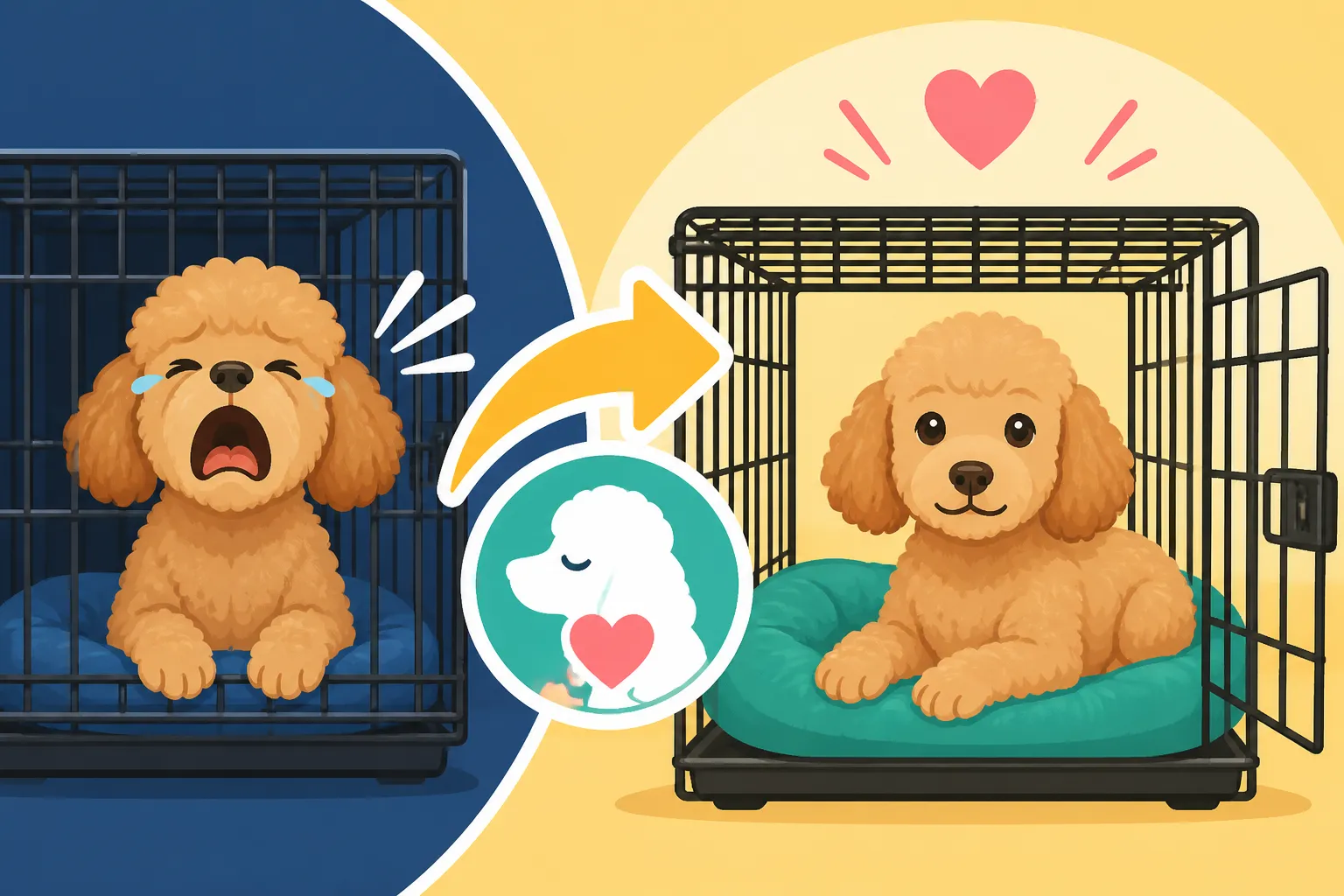
The absolute golden rule of crate training is: the crate must never be used for punishment. Ever. If your Poodle associates the crate with being naughty or being disciplined, they will never view it as a safe haven. Instead, it needs to become a place of joy, comfort, and positive experiences. Start by simply leaving the crate door open during the day, allowing your Poodle to explore it at their leisure. Toss high-value treats inside, scatter some kibble, or place their favorite chew toy in there. Let them go in and out freely, discovering that good things happen near and in the crate.
Once they're comfortable entering, start feeding them their meals inside the crate with the door open. Gradually, as they eat, close the door for a few seconds, then open it before they finish. Slowly increase the time the door is closed, always opening it before they show any signs of distress. These initial stays should be very short, just seconds or a minute or two, while you are still in the room. Give them a special, long-lasting chew toy or a stuffed Kong only when they are in the crate to create a strong positive association. This is the essence of Crate Training a Poodle That Wants Company; it's about making the crate the most desirable spot to be.
As they become more comfortable, begin to leave the room for very brief periods – a minute or two – while they are quietly occupied in their crate. Return before they start crying. The goal is to build up their tolerance gradually, always ending on a positive note. Remember, every time they go in and are calm and happy, you're reinforcing the idea that the crate is a good place to be.
Gradual Absence and Ignoring Crying
This is often the hardest part for Poodle owners, because our Poodles are so adept at melting our hearts! Once your Poodle is comfortable with short, quiet stays while you're nearby, you'll need to start practicing leaving them alone for increasing durations. Begin with leaving the room for a few minutes, then returning. Gradually extend this to leaving the house for very short errands – five minutes, then ten, then fifteen. The critical rule during this phase is to never let your Poodle out of the crate while they are crying or barking. If you do, you inadvertently teach them that crying is the way to get what they want (release from the crate).
It's tough, I know. You'll hear that heartbreaking whimper or insistent bark, and every fiber of your being will want to rush to them. But you must wait for a brief moment of silence – even just a second or two – before you open the crate door. This teaches them that quiet, calm behavior is what earns them their freedom. You might experience what trainers call an "extinction burst," where the crying actually gets worse initially because your Poodle is trying harder to get the old, successful response from you. Stay strong and consistent. They will learn that crying doesn't work, and quiet does.
When you return, don't make a huge fuss. A calm, quiet greeting reinforces the idea that your departure and return are normal, low-key events. Overly enthusiastic greetings can heighten their anxiety about your leaving. Repetition, consistency, and patience are paramount. If you're looking for structured guidance, platforms like BAXTER & Bella offer online puppy and dog training programs that include detailed crate training modules, which can be a huge help in staying on track. For overnight settling, the principles are much the same, gradually building up their confidence; you can find more targeted advice on Settling a Poodle Puppy on Night One.
Advanced Strategies and Troubleshooting Common Issues
Even with the best intentions and a solid plan, Poodles are unique individuals, and some might need a little extra help to truly embrace their crate. If you've been consistent and are still struggling, there are additional layers you can add to your routine or situations where seeking professional guidance becomes essential.
Mental Stimulation and Physical Exercise Before Crating
A tired Poodle is a quiet Poodle. This isn't just a cute saying; it's a fundamental truth in dog behavior. Poodles, with their high intelligence and often boundless energy, need both physical exercise and mental stimulation to be truly content. If your Poodle is being crated without having had their needs met, they are much more likely to be restless, bored, and vocal. Before crating them for any significant period, ensure they've had a good workout. This might mean a brisk walk, a run in a secure yard, or a vigorous game of fetch. Daily Exercise for a Standard Poodle is crucial, but even a Toy Poodle needs dedicated activity.
Beyond physical exertion, Poodles thrive on mental challenges. Engage their brilliant minds with puzzle toys, training sessions, or scent games. A food puzzle toy that takes them 15-20 minutes to figure out can be incredibly draining in a good way. Even 10-15 minutes of focused training, teaching new tricks or perfecting old ones, can be as tiring as a long walk. Consider incorporating Mental Work That Tires a Poodle into their daily routine. A Poodle whose brain has been engaged and body exercised is far more likely to settle down and relax in their crate. This is especially important before you leave them for work or go to bed for the night.
When Crying Becomes a Problem: Seeking Professional Help
While most Poodles can learn to love their crates with consistent, positive training, there are instances where crying transcends normal adjustment and points to a more significant issue. If your Poodle's crying is accompanied by extreme panic, excessive drooling, destructive behavior in the crate (like chewing bars or digging at the tray), self-harm, or frequent urination/defecation even after being let out, it's a red flag. These are signs that your Poodle might be suffering from severe anxiety or a genuine phobia of confinement.
In such cases, your first step should always be a visit to your veterinarian. They can rule out any underlying medical conditions that might be contributing to the distress, such as pain, bladder issues, or even cognitive dysfunction in older Poodles. Once medical causes are excluded, it's highly recommended to seek the help of a certified professional dog trainer or a veterinary behaviorist. These experts have the knowledge and experience to assess your Poodle's specific situation, identify the root cause of their distress, and develop a tailored behavior modification plan. They can teach you specialized techniques, such as desensitization and counter-conditioning, which are crucial for addressing severe separation anxiety or confinement phobia. Finding a Trainer a Poodle Will Not Shut Down For is paramount, as a sensitive Poodle needs a trainer who understands their nature and uses gentle, positive reinforcement methods. Sometimes, in severe cases, a vet might even suggest temporary medication to help your Poodle cope with extreme anxiety while behavior modification is underway. Remember, getting professional help is not a sign of failure; it's a sign of a responsible and loving Poodle parent doing everything they can for their cherished companion.
| Crying Reason | Common Symptoms | Typical Solutions |
|---|---|---|
| Physical Discomfort | Whining, restlessness, digging, pacing, accidents in crate, panting. | Adjust crate size, add comfortable bedding, ensure bathroom breaks, check temperature, provide water. |
| Boredom/Under-stimulation | Whining, pawing at door, mild barking, chewing non-toy items. | Offer high-value chew toys, puzzle feeders, ensure adequate exercise and mental stimulation before crating. |
| Loneliness/Mild Anxiety | Intermittent whining, soft cries, staring at door, attention-seeking. | Place crate near owner, leave scented item, play calming music, gradual desensitization to absence. |
| Separation Anxiety | Persistent loud barking/howling, frantic escape attempts, destructive chewing, excessive drooling, trembling, urination/defecation. | Consult vet, seek professional behaviorist, desensitization & counter-conditioning, potentially medication. |
Disclaimer
This article is for general informational purposes only and does not constitute professional advice. Laws, prices and regulations vary by location and change over time. Consult a qualified professional for guidance on your specific situation.