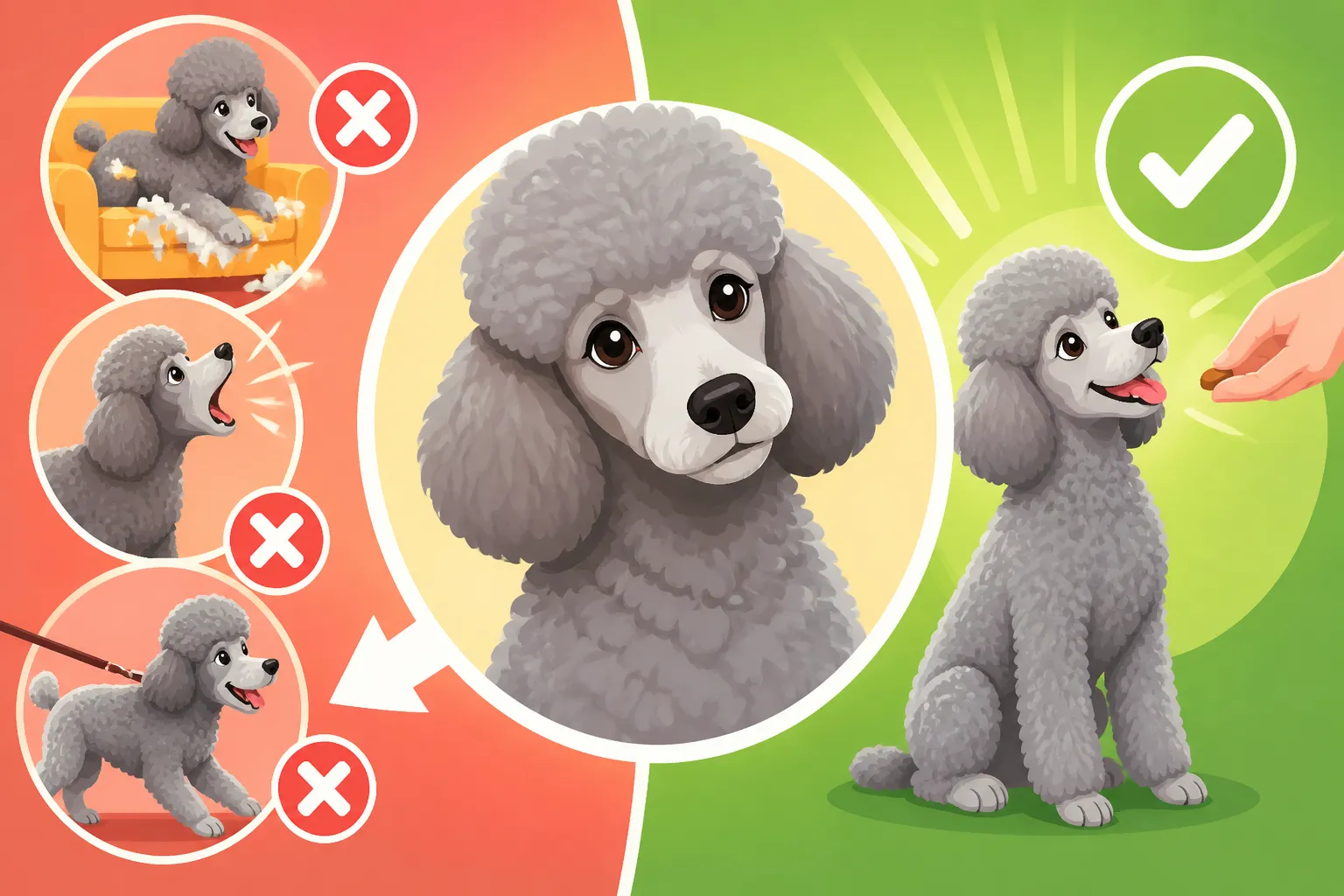
Undoing Bad Habits in an Older Poodle
It can be utterly baffling and honestly, a little heartbreaking, when your beloved, older Poodle suddenly starts exhibiting behaviors you thought were long banished or, even worse, new ones you've never encountered. You might find yourself wondering what happened to the perfectly house-trained companion who now has accidents indoors, or the calm Poodle who's started barking incessantly at shadows. This guide is here to walk you through understanding why these changes occur and, more importantly, how you can gently and effectively work to undo these emerging bad habits in your senior Poodle, restoring peace and predictability to your home.
Why Old Dogs Learn New (Bad) Tricks: Understanding the Root Causes
When an older Poodle starts misbehaving, it's rarely out of malice or stubbornness. Unlike a mischievous puppy, an older dog often has a genuine reason for a sudden shift in behavior. Dismissing it as "just being old" can mean missing a crucial underlying issue. It's a frustrating situation for you, the owner, because you expect reliability from a seasoned companion, but it's even more confusing and potentially distressing for your Poodle.
Medical Explanations for Behavioral Changes
This is always the first place to look. Our Poodles are incredibly stoic, and they often hide discomfort until it becomes unbearable. A sudden onset of "bad" behavior could be a cry for help. Think about it: if your joints ached, or your vision was dimming, you might not be as eager to go outside in the dark or might lash out if startled.
Your older Poodle might be experiencing pain from arthritis, especially in their hips, knees, or spine. This can make them reluctant to use stairs, jump onto furniture, or even get up quickly to go outside, leading to accidents. They might snap when touched in a painful area, which could be misinterpreted as aggression. Cognitive decline, akin to dementia in humans, is another significant factor. A Poodle with canine cognitive dysfunction might become disoriented, forget their training, wander aimlessly, or develop new anxieties. Their sleep-wake cycle can get disrupted, leading to restlessness at night and increased barking. Furthermore, age can bring on sensory losses. Hearing loss might make them less responsive to commands, while declining eyesight could lead to them bumping into things, becoming more fearful, or even barking at familiar objects they suddenly don't recognize. This is why a thorough veterinary check-up is paramount before attempting any behavioral correction. If you're seeing signs of aging, you might find more helpful insights in our post, Caring for an Aging Poodle.
Environmental Shifts and Their Impact
Even Poodles, adaptable as they are, thrive on routine and stability. An older Poodle, with potentially reduced sensory input and perhaps some cognitive slowing, can be even more sensitive to changes in their environment. Imagine if your world suddenly shifted and you couldn't quite process it anymore.
Have you recently moved house? Introduced a new pet or a new baby? Changed your work schedule, leaving your Poodle alone for different lengths of time? Even seemingly small changes, like rearranging furniture, new neighbors with noisy habits, or a different person coming in to walk them, can throw an older Poodle off balance. They might express their distress through house soiling, destructive chewing, increased barking, or even new fears. A once confident Poodle might become clingy or anxious if their familiar world changes too rapidly or without proper introduction. Sometimes, the issue isn't a new stressor, but the loss of a familiar one, such as the passing of another pet or a family member, leading to grief-related behaviors. The Poodle's inherently sensitive nature means they absorb a lot of our household's energy, and changes can destabilize them.
Accidentally Reinforced Behaviors
Sometimes, "bad" habits aren't born from illness or distress, but from our own unwitting actions. We all do it; it's easy to fall into patterns that accidentally reinforce behaviors we don't want. For example, if your older Poodle starts barking for attention and you respond by telling them "quiet" or even just looking at them, you've just given them what they wanted: your attention. They learn that barking works.
Similarly, if your Poodle starts having accidents indoors, and you rush over, clean it up, and fuss, they might unconsciously associate the mess with your presence and attention. This isn't to say your Poodle is manipulating you, but rather that dogs are brilliant at associative learning. What we perceive as a negative behavior might be getting a positive (from their perspective) consequence. Or perhaps, due to slight cognitive changes, they’ve simply forgotten a boundary, and without consistent, gentle redirection, the new behavior becomes the new norm. It's often not malicious, but a case of a smart dog finding a new way to get a desired outcome, even if that outcome is just your eye contact. This is particularly true for Poodles who are known for being incredibly intelligent and quick to pick up on patterns, for better or worse. You might find our thoughts on Training a Poodle That Outthinks You to be particularly relevant here.
Diagnosing the Underlying "Why" Behind the Behavior
Before you can tackle any new or worsening habit, you need to play detective. Guessing can lead to frustration for both you and your Poodle. A systematic approach helps you uncover the true cause, which is the only way to find a truly effective solution. Remember, an older Poodle is doing these things for a reason, and it's our job to figure out what that reason is.
Keeping a Detailed Behavior Log
This step is often overlooked, but it's invaluable. When a behavior becomes problematic, it feels constant, but often there are specific triggers or patterns. Grab a notebook or use a simple spreadsheet. For about a week or two, meticulously log every instance of the "bad" habit.
What details should you record?
- Date and Time: When did it happen?
- Location: Where did it happen (e.g., in the living room, near the back door, by their bed)?
- Preceding Events: What happened just before the behavior? (e.g., someone came to the door, you left the room, they just woke up, they ate).
- The Behavior Itself: Describe it objectively (e.g., "barking loudly," "urinated on the rug," "chewed shoe").
- Your Response: How did you react? (e.g., "said no," "took them outside," "ignored it").
- Poodle's Reaction: How did your Poodle respond to your actions?
Over time, this log will reveal patterns you might not have noticed. Perhaps the accidents only happen an hour after dinner, or the barking always starts when the postal worker arrives. Maybe the chewing only occurs when you've been out for more than two hours. This data is gold for both you and your veterinarian or a professional behaviorist. It moves you away from assumptions and towards concrete information.
Consulting Your Veterinarian First
We cannot stress this enough: always rule out medical issues with your veterinarian before assuming a behavioral problem. This isn't just a recommendation; it's a critical first step. Many age-related health conditions manifest as behavioral changes.
Schedule a comprehensive check-up for your senior Poodle. Be honest and thorough with your vet about all the changes you've observed, referencing your behavior log. Your vet will likely perform a physical exam, blood tests, urine analysis, and potentially imaging like X-rays to check for issues such as arthritis, kidney disease, urinary tract infections, diabetes, or even more complex neurological conditions. They might also discuss canine cognitive dysfunction and ways to manage its symptoms. For instance, a Poodle who suddenly won't settle at night and paces might be experiencing anxiety due to cognitive decline, or they might simply have discomfort from an undiagnosed ailment. Ignoring a medical cause means any behavioral training will likely fail, and your Poodle will continue to suffer. If your Poodle is prone to certain breed-specific issues, like those detailed in Poodle Lifespan Across the Three Sizes, your vet might have specific tests in mind.
Observing Your Poodle's Body Language for Clues
Even if your Poodle can't tell you in words what's wrong, their body language speaks volumes. Learning to "read" your Poodle's subtle cues can give you incredible insight into their emotional state and physical comfort levels.
Are they tensing up when you approach a certain area? Are their ears flattened or their tail tucked when a particular sound occurs? Is their posture stiff or is their gait uneven? A Poodle might avoid eye contact, yawn excessively (a sign of stress, not tiredness), lick their lips, or turn their head away when feeling anxious or uncomfortable. Changes in how they hold their head, carry their tail, or even how they lie down can indicate pain or discomfort. For example, a Poodle who used to jump onto the sofa with ease but now hesitates, paces, and then struggles might be experiencing joint pain. A Poodle who suddenly becomes withdrawn or snaps when approached might be in pain or overwhelmed. Pay close attention to subtle shifts in their normal interactions. Are they less enthusiastic about greetings? Are they sleeping more, or in unusual places? Understanding these non-verbal cues is essential for an empathetic response, and our guide on Reading Pain in a Sensitive Poodle can offer further insights.
Gentle, Positive Reinforcement for Retraining
Once you've ruled out medical issues and have a better understanding of why your older Poodle is exhibiting new habits, it's time to implement a plan. The key words here are "gentle" and "positive." Yelling, punishment, or harsh corrections will only confuse and scare an older Poodle, potentially damaging your bond and making the behavior worse. They've lived a good, long life with you; now is the time for understanding and kindness.
Management is Key: Preventing the Bad Habit from Happening
The absolute fastest way to stop a bad habit from becoming ingrained or continuing is to prevent it from happening in the first place. Every time your Poodle successfully performs the unwanted behavior, they are practicing it, and it becomes more deeply etched into their routine.
If your Poodle is having accidents indoors, consider using baby gates to confine them to a smaller, easily cleanable area when you can't supervise directly. Take them outside much more frequently, on a predictable schedule, even setting a timer if needed. Reward heavily with praise and a tasty treat every single time they eliminate outside. If they're chewing inappropriate items, remove all tempting "contraband" and provide plenty of appropriate chew toys. If they're barking excessively at the window, block their view with frosted film or curtains. For Poodles with separation anxiety, a sturdy crate can be a safe haven, though proper crate training for an older Poodle may require patience. You can find many helpful management tools on Amazon, from high-quality baby gates to durable chew toys that can stand up to a Poodle's dedication. Management isn't a permanent solution, but it buys you time to re-teach and prevents reinforcement of the undesired behavior.
Re-teaching Basic Cues
Sometimes, with age or changes in routine, a Poodle can simply forget or become less reliable with cues they once knew perfectly. It's not a sign of stubbornness, but often a slight dip in cognitive function or a need for a refresher. Go back to basics, but make it fun and low-pressure.
Treat your older Poodle as if they're a brand-new puppy learning "sit," "stay," or "come" for the first time. Use high-value treats and enthusiastic praise for every correct response, no matter how small. Keep training sessions short (5-10 minutes) and positive to avoid overwhelming them. Practice in a quiet environment first, then gradually introduce distractions. For example, if they're struggling with "come" when outside, start practicing "come" in a quiet hallway in your home. Reward them instantly when they turn towards you. This helps rebuild their confidence and reinforces your bond. It's about strengthening those neural pathways again, and proving that doing what you ask still brings wonderful rewards. Even old Poodles enjoy the mental stimulation and connection that comes from these sessions. If you're looking for structured, positive reinforcement methods, online programs like BAXTER & Bella offer excellent resources that cater to all ages and stages of a dog's life. This approach ties in with the general philosophy of positive reinforcement, which is crucial for sensitive breeds like Poodles; harsh methods can lead to your Poodle shutting down, as discussed in Why a Poodle Shuts Down When Scolded.
Positive Interruption and Redirection
When you catch your Poodle in the act of an unwanted behavior, instead of scolding, your goal is to positively interrupt and redirect them to a more appropriate activity. This requires quick thinking and consistency.
If your Poodle starts to chew on the leg of a chair, immediately and calmly say "Ah-ah!" or make a gentle, surprising sound (not angry) to get their attention. The moment they pause and look at you, immediately present them with an appropriate chew toy. As soon as they take the toy in their mouth, praise them warmly and offer a small treat. If they start to bark excessively at a squirrel outside, gently call their name to get their attention, then ask for a "sit" or a "down," rewarding heavily when they comply. The key is to interrupt without fear, and then immediately show them what to do instead, making the desired behavior more rewarding than the undesired one. This teaches them alternatives rather than just telling them "no," which a senior Poodle might not fully grasp without a clear "yes" that follows. For house-soiling, if you catch them mid-stream, gently clap your hands to startle them (not scare them), immediately scoop them up, and rush them outside to their designated potty spot. If they finish outside, throw a party!
Consistency and Patience Above All
Retraining an older Poodle takes a tremendous amount of patience and unwavering consistency from everyone in the household. These habits didn't develop overnight, and they won't disappear overnight either.
Every family member must be on the same page regarding the new rules and how to respond to the behaviors. If one person allows your Poodle to jump on them while another discourages it, your Poodle will become confused and the unwanted jumping will persist. Set clear expectations and stick to them. There will be setbacks. You'll have days where you feel like you've made no progress, or even gone backward. This is normal. Celebrate the small victories, like a day without an indoor accident, or a shorter barking session. An older Poodle, especially one with some cognitive changes, might need more repetitions and more time to solidify new habits. Your calm, consistent demeanor is your Poodle's anchor. Remember, you're not just retraining a behavior; you're often helping an older dog navigate a world that might feel a little more confusing or uncomfortable than it used to.
| Bad Habit | Potential Underlying Cause | Initial Action Steps |
|---|---|---|
| Indoor Accidents | UTI, pain, cognitive decline | Vet check, more frequent potty breaks, manage access to home. |
| Excessive Barking | Pain, anxiety, sensory loss | Vet check, identify triggers, positive interruption, redirection. |
| Destructive Chewing | Boredom, anxiety, dental pain | Vet check (dental!), provide appropriate chews, increase mental exercise. |
| Clinginess/Separation Anxiety | Cognitive decline, environmental change | Vet check, structured alone time, comfort items, enrichment. |
| New Fears/Aggression | Pain, sensory loss, cognitive decline | IMMEDIATE Vet check, avoid triggers, consider professional behaviorist guidance. |
Knowing When to Seek Professional Help
While many common behavioral issues in older Poodles can be managed with patience and positive reinforcement at home, there are times when you need to call in the cavalry. It's a sign of a responsible and loving owner to recognize when you're out of your depth and when your Poodle needs more specialized support.
When the Behavior is Dangerous or Pervasive
If your older Poodle is displaying aggression – growling, snapping, or biting – towards family members, visitors, or other pets, this is an immediate red flag that requires professional intervention. Aggression can stem from pain, fear (especially with sensory decline), or cognitive changes that cause confusion and irritability. This isn't a behavior you can safely "train out" on your own.
Similarly, if the "bad habit" is pervasive and severely impacting your Poodle's quality of life or your household's harmony, don't hesitate. This includes severe separation anxiety where your Poodle is destroying property or self-harming when left alone, relentless barking that's causing distress to neighbors, or extreme house soiling that makes your home unhygienic. These situations indicate a deep underlying issue that typical home-based training might not be equipped to handle. Your Poodle might be genuinely suffering, and a professional can help them find relief.
Finding the Right Trainer or Behaviorist
Not all dog trainers are created equal, especially when it comes to working with older dogs or complex behavioral problems. You'll want to seek out a professional who specializes in positive reinforcement, fear-free methods, and has experience with senior dogs and their unique challenges.
Look for certified professional dog trainers (CPDT-KA), certified dog behavior consultants (CDBC), or veterinary behaviorists (DACVB). A veterinary behaviorist is a veterinarian with additional specialized training in animal behavior and can prescribe medication if necessary, which is often crucial for managing severe anxiety or cognitive dysfunction in older Poodles. Ask for references, inquire about their methods (they should never use force, punishment, or intimidation), and ensure they are willing to collaborate with your primary veterinarian. A good professional will create a customized plan for your Poodle, teach you how to implement it, and provide ongoing support. They understand that an older Poodle is often more sensitive and requires a nuanced approach, as we often discuss in articles like Finding a Trainer a Poodle Will Not Shut Down For. Online platforms, such as BAXTER & Bella, can sometimes offer virtual consultations with certified trainers, which might be a convenient option for initial assessments or ongoing guidance if in-person specialists are hard to find.
What to Expect from Professional Intervention
When you engage a professional, expect a thorough intake process. They will ask detailed questions about your Poodle's history, health, daily routine, and the specific behaviors you're seeing. This is where your meticulously kept behavior log will be incredibly useful!
The professional will likely observe your Poodle, either in your home or at their facility, and then formulate a comprehensive behavior modification plan. This plan will involve clear steps for you to follow, including environmental management, specific positive reinforcement techniques, and potentially recommendations for medication, nutritional changes, or enrichment activities. It's not a quick fix; it requires your dedication and consistent follow-through. The professional will act as your coach, guiding you through the process, troubleshooting challenges, and adjusting the plan as needed. Their goal is to improve your Poodle's quality of life and strengthen your bond by resolving these difficult behaviors through understanding and compassionate training.
Disclaimer
This article is for general informational purposes only and does not constitute professional advice. Laws, prices and regulations vary by location and change over time. Consult a qualified professional for guidance on your specific situation.