Teaching a Poodle to Carry the Post
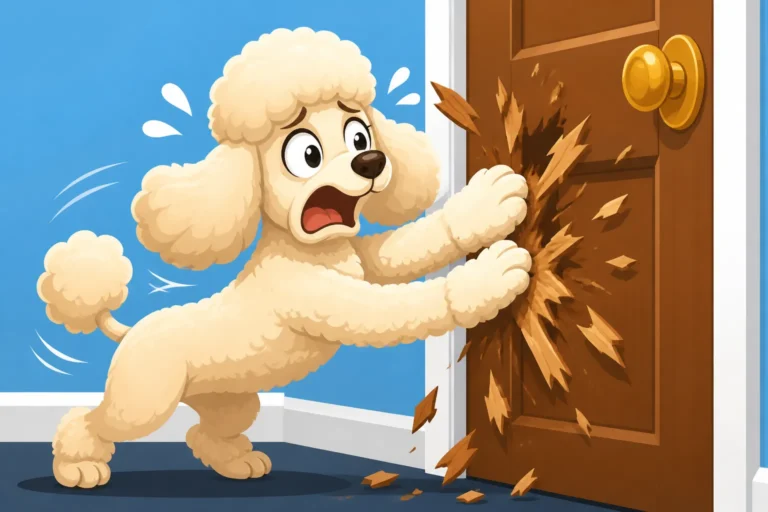
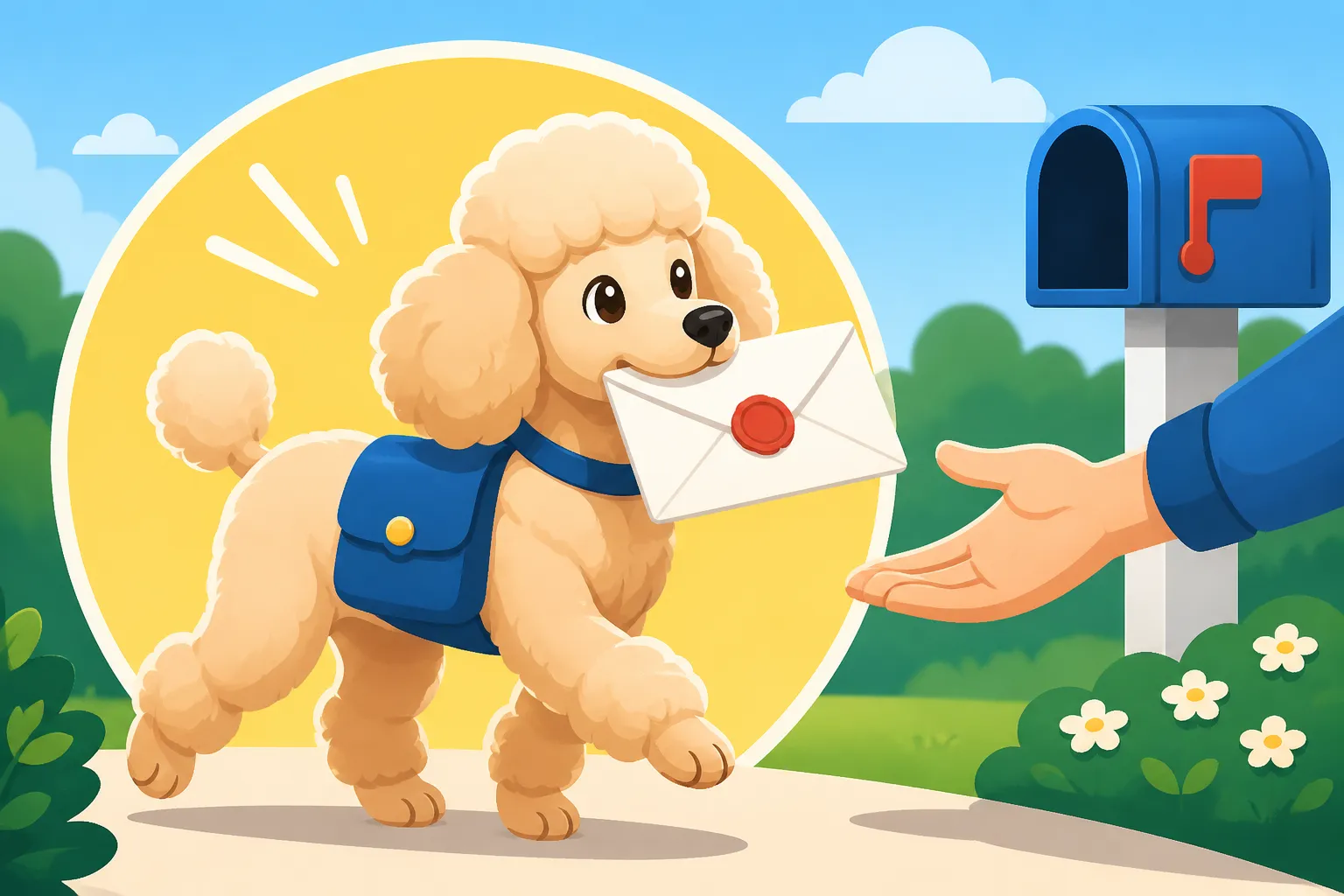
One of the most common frustrations Poodle owners face is keeping their incredibly intelligent dogs engaged and out of mischief. A bored Poodle is a destructive Poodle, and their sharp minds need real jobs! Teaching your Poodle to retrieve and carry the mail isn't just a cute trick; it's a fantastic way to provide mental stimulation, reinforce good behavior, and build an even stronger bond with your clever companion. This guide will walk you through how to transform your Poodle into your very own postal assistant.
Understanding Your Poodle's Natural Instincts for Retrieving
Poodles, regardless of their size – Standard, Miniature, or Toy – were originally bred as water retrievers. That's right, those fancy show clips? They had a practical purpose, protecting vital organs in icy water while allowing full range of motion. This heritage means that deep down, many Poodles possess a strong natural drive to pick things up and bring them back to you. We're talking about a breed that literally has "puddle" or "splash" in its name ("Pudel" in German), referring to their water-dog roots. Leveraging this innate ability makes training a joyful experience, rather than an uphill battle.
The Poodle's Inherent Drive to Fetch
It’s truly remarkable how many Poodles just get fetching. You might toss a ball for your Standard Poodle, and they'll bring it back with gusto, dropping it right at your feet, ready for the next throw. A Miniature Poodle might delight in retrieving a dropped sock, proudly presenting it to you like a trophy. Even a tiny Toy Poodle often shows an impressive instinct for picking up small toys and carrying them around. This isn't just playful behavior; it's a genetic echo of their ancestors who would plunge into freezing water to retrieve shot waterfowl for hunters. Recognizing this drive is your first step. Instead of fighting it, we lean into it.
This natural inclination means you're not starting from scratch when you want to teach them to carry something as specific as the post. You're simply channeling an existing talent. Think of it less as teaching a completely new behavior and more as refining and directing an instinct they already possess. This makes Poodles particularly well-suited for tasks that involve holding and carrying objects, whether it's a toy, a newspaper, or even a small package. You’ll find that building on this foundation can lead to them learning more complex tasks, further occupying that busy brain. The Poodle's Retrieving Instinct is a powerful tool in your training arsenal.
Why This Task Suits Their Intelligence
Poodles are consistently ranked among the most intelligent dog breeds, often second only to the Border Collie in some intelligence assessments. This high intelligence, while a blessing, can also be a challenge if not properly managed. A Poodle's brain needs to be active, engaged, and problem-solving, otherwise, they'll find their own "jobs" – which often involve chewing furniture, barking excessively, or developing other undesirable habits.
Teaching your Poodle to carry the post provides a multi-faceted mental workout. It requires them to understand a series of commands, associate a specific object with a task, perform a sequence of actions, and exercise impulse control. It’s not just about picking something up; it’s about waiting for the cue, selecting the right item, holding it gently, carrying it without damage, and delivering it on command. This complex sequence satisfies their need for mental stimulation, turning a simple daily chore into an enriching activity for them. Why a Bright Poodle Gets Bored highlights the importance of such tasks for their well-being.
Laying the Foundation: Basic Obedience and Mouth Manners
Before you can ask your Poodle to delicately carry your electric bill without leaving teeth marks, you need to ensure they have a solid grasp of basic obedience and, crucially, understand how to use their mouth gently. This isn't just about training; it's about building trust and control, which are paramount for any advanced task.
The "Take It" and "Drop It" Commands
These two commands are the absolute bedrock for teaching your Poodle to carry anything, let alone the mail. "Take It" teaches your Poodle to gently mouth and pick up an object, while "Drop It" is essential for them to release it on cue. Start with soft, easily graspable items like a rolled-up sock or a soft toy. Hold the item out and, as your Poodle investigates, say "Take It" and gently guide their mouth to the object. Praise immediately when they take it into their mouth, even if they just hold it for a second.
For "Drop It," once they're holding the item, offer a high-value treat right to their nose. As they open their mouth to take the treat, the object will naturally fall. As it falls, say "Drop It" and give them the treat. Repeat, repeat, repeat. Make it a game! The goal is for them to associate dropping the item with getting something even better, not with losing their "toy." You want them to perform these actions willingly and happily. Consistency is key here.
Teaching a Soft Mouth and Gentle Hold
A Poodle's mouth is a surprisingly delicate tool, despite their powerful jaws. You need to teach them to carry objects with a "soft mouth" – meaning they don't clamp down or chew. Start with items that are sturdy enough not to be easily damaged, but not so hard that they encourage biting. A soft, rubber toy or a durable fabric retrieve dummy is ideal. Avoid using anything valuable or easily shredded at this stage.
When practicing "Take It" and "Drop It," always praise for a gentle retrieve and hold. If your Poodle starts to chew or apply too much pressure, immediately stop the session with a neutral "oops" and try again with a different, perhaps more durable, item or a shorter duration of holding. You can also lightly hold under their jaw as they carry the item, gently reminding them to keep their mouth soft. The goal is to build a positive association with holding, not chewing. Think about the specific texture of the post; it’s usually paper or thin cardboard. You’ll want to build up to that with similar, but more durable, items first. Many trainers recommend using a clicker for precision in teaching these behaviors, and resources like BAXTER & Bella offer online training programs that delve deep into positive reinforcement techniques like this.
The "Carry the Post" Progression: Step-by-Step Training
Once your Poodle understands "Take It" and "Drop It" and demonstrates a soft mouth, you're ready to start applying these skills to the specific task of carrying the post. This is where patience and breaking down the task into tiny, manageable steps truly pays off.
Step 1: Introducing the Actual Mail
Now that your Poodle is a pro at taking and dropping various objects gently, it’s time to introduce the actual mail. Start with something less important than a bill or sensitive document – perhaps a junk mail flyer or an old magazine. Let your Poodle investigate it. Then, using your established "Take It" command, encourage them to pick it up. If they hold it gently for even a second, lavish them with praise and a fantastic treat, then cue "Drop It."
If they try to chew it, go back to using more durable items for a few more sessions to reinforce the "soft mouth." Make sure you're supervising closely at all times during this stage. You want to prevent any opportunity for them to develop the habit of tearing or destroying the mail. This initial introduction is crucial for building a positive association with the specific texture and smell of paper.
Step 2: Short Distance Retrieves Indoors
Once your Poodle is reliably taking and gently holding the junk mail indoors, start practicing short-distance retrieves. Place the piece of mail a few feet away from you. Give the "Take It" command. As soon as your Poodle picks it up, encourage them to come back to you with excited praise. When they reach you, cue "Drop It" and reward them. Gradually increase the distance, perhaps having them retrieve it from another room, always ensuring they return it to you promptly.
This step helps solidify the entire sequence: identify item, pick up, carry, bring to owner, release. Keep these sessions short, fun, and highly rewarding to maintain your Poodle's enthusiasm. If they get distracted or lose interest, simplify the task again. You might even find some durable "practice mail" on sites like Amazon that are designed for dog training, reducing the risk of damage to important documents during the learning phase. The Cues a Poodle Picks Up in a Week often include retrieve commands when taught consistently.
Step 3: Moving to the Mailbox and Door
This is where it gets exciting! Start by practicing the "Take It" and "Drop It" sequence right next to your mailbox or wherever the mail typically arrives. This helps them associate the location with the task. Once they're comfortable, practice retrieving a piece of junk mail that you've placed on the ground near the mailbox. The next step is to have them retrieve it from inside the mailbox itself, if accessible and safe for them.
The final indoor stage involves simulating the delivery. Have someone else put the mail through the mail slot or simply hand it to your Poodle at the door. Practice having them carry it from the door to a designated spot inside, perhaps a tray or a specific person, then cue "Drop It." Reward heavily for success. This transition from controlled indoor environments to the real-world scenario is the biggest leap.
Step 4: The Full Sequence – From Delivery to Hand-Off
Now for the grand finale! This is where all the previous steps come together. Start by having your Poodle with you when the mail arrives. As the mail carrier approaches (or you simulate their approach), cue your Poodle to be calm. Once the mail is delivered (either by you or the actual carrier), give the "Take It" command. Encourage your Poodle to retrieve it.
As they pick it up, praise them enthusiastically and encourage them to bring it inside and directly to you. Once they arrive, ask for "Drop It." This is a complex chain of behaviors, so be patient. It might take many repetitions, and you might need to go back to earlier steps if your Poodle struggles. Remember, consistency and positive reinforcement are your best friends throughout this process. Don't push too hard; celebrate every tiny success.
| Stage of Training | Key Skill | Practice Items Recommended | Common Challenges & Tips |
|---|---|---|---|
| Foundation | "Take It" and "Drop It" | Soft toys, rolled socks, fabric retrieve dummies | Chewing: Use durable items. Stop session if chewing starts, redirect to gentle holding. Make "Drop It" highly rewarding. Reluctance: Use high-value treats and make it a fun game. Build enthusiasm for picking up. |
| Introducing Mail | Gentle handling of paper/cardboard | Junk mail, old magazines, sturdy envelopes | Shredding: Go back to more durable items if shredding occurs. Supervise closely. Use specific "practice mail" if needed (e.g., from Amazon). Disinterest: Ensure the mail item itself is not intimidating or unpleasant. Keep sessions short and positive. |
| Short Indoor Retrieves | Carrying mail over distances | Junk mail, practice mail | Dropping prematurely: Ensure rewards are immediate upon successful delivery. Shorten distance initially. Distraction: Practice in a quiet environment first. Gradually introduce mild distractions. |
| Mailbox/Door Practice | Associating location with task | Junk mail, practice mail | Fear of mailbox: Make the mailbox a positive place with treats. Don't force interaction. Hesitation: Use strong verbal encouragement. Lure them if necessary, then fade the lure. Build confidence around the delivery point. |
| Full Sequence | Complete retrieval from delivery to hand-off | Actual mail (starting with less important items) | Inconsistency: Break the sequence into smaller chunks if the Poodle falters. Revisit previous steps if needed. Over-excitement: Practice calm behavior before and after mail arrival. Reward for quiet waiting and gentle retrieval. Mail Carrier Interaction: Ensure your dog is not a nuisance to the carrier; practice with the carrier only if they are comfortable and willing to participate. Otherwise, train your Poodle to wait for you to collect it before they retrieve. |
Troubleshooting and Advancing the Skill
Even the cleverest Poodles can hit a snag during training, and that’s perfectly normal. The key is to understand what might be going wrong and how to gently guide them back on track. Once they've mastered the basics, there are also ways to make the task even more engaging for their intelligent minds.
Common Training Hiccups and Solutions
One of the most frequent issues is a Poodle getting too excited and accidentally tearing the mail. If this happens, don't scold them. Simply say "oops" calmly, retrieve the mail, and go back to practicing "soft mouth" with a more durable item. Build up to paper again, making sure to end every session on a success, even if it's just a brief, gentle hold of the junk mail. Another common hiccup is losing interest, which often happens if sessions are too long or not rewarding enough. Keep training sessions brief (5-10 minutes is plenty for Poodles) and always use high-value treats and enthusiastic praise. A Poodle's attention span, while good, can wane if the activity becomes tedious.
Sometimes, a Poodle might pick up the mail but then refuse to bring it to you, turning it into a game of chase. This usually indicates that the "Drop It" command isn't strong enough or that they're getting more reward from keeping the item than from releasing it. Revisit "Drop It" with even higher value treats, ensuring that releasing the item always leads to a superior reward. Avoid chasing them; instead, turn your back and call them to you, then reward when they bring it. If they drop it and run away, that's still a success for "Drop It"! You can also work on Poodle Recall Training to ensure they come to you reliably.
Making the Task More Complex and Engaging
Once your Poodle is a seasoned post-carrier, you can introduce variations to keep their mind sharp. Perhaps you teach them to retrieve only certain items, like a specific magazine or a yellow envelope. This adds a discrimination element that Poodles excel at. You could also teach them to take the mail from the mailbox directly to a specific basket or person in the house, rather than just to you. This builds on their understanding of object permanence and delivery.
Another great way to advance the skill is to teach them to retrieve items from different locations or heights, like a package from the porch. Always introduce these new elements gradually, breaking them down into small, achievable steps, just as you did with the original task. The goal is to continuously challenge their intellect and provide meaningful work, reinforcing that positive outlet for their incredible brainpower. This type of mental work is just as important as physical exercise for a Poodle's overall well-being. Mental Work That Tires a Poodle is crucial for a happy, well-adjusted companion.
Ensuring Safety and Positive Reinforcement
Safety is always paramount. Ensure that the mail area is free of hazards. If your mailbox is on a busy street, only practice when it's safe to do so, or teach your Poodle to retrieve from a designated drop-off point away from traffic. Never let your Poodle retrieve anything potentially dangerous, like glass shards or chemicals.
Always keep training positive and fun. A Poodle's sensitive nature means they respond best to gentle, encouraging methods. Why Harsh Handling Breaks a Poodle is something every owner should understand. Avoid scolding or punishment, as this can make them fearful or shut down, damaging your bond and their willingness to learn. Use treats, verbal praise, and happy body language to reward every step of the process. This isn't just about training a trick; it's about enriching your Poodle's life and showcasing their incredible abilities. After all, a Poodle with a job is a Poodle that’s living its best life!
Disclaimer
This article is for general informational purposes only and does not constitute professional advice. Laws, prices and regulations vary by location and change over time. Consult a qualified professional for guidance on your specific situation.