Daily Work for a Poodle’s Body and Mind
Living with a Poodle is a truly unique experience, a constant dance between admiring their elegance and trying to outsmart their incredible intelligence. Many new Poodle owners quickly discover that beyond their stunning coats, these dogs are highly sensitive, energetic, and require a surprising amount of daily engagement. If you've found yourself with a Poodle who seems restless, destructive, or simply "bored" despite walks, this guide is for you. We'll dive deep into how to provide the consistent physical and mental stimulation your Poodle needs to thrive, ensuring they're happy, healthy, and a joy to live with.
Understanding the Poodle's Needs: More Than Just a Pretty Face
Let's be real, Poodles often get a rap for being dainty show dogs, all fluff and fancy clips. But beneath that meticulously groomed exterior lies a highly intelligent, athletic dog with deep working roots. Ignoring these inherent traits is a recipe for frustration, for both you and your Poodle. They aren't content to simply be couch potatoes; they need a purpose, even if that purpose is just to figure out how to get that last kibble out of a puzzle toy.
The Poodle's High Intelligence: A Blessing and a Challenge
Anyone who's lived with a Poodle knows they are incredibly smart. It's often said they rank second only to the Border Collie in canine intelligence, which means they pick up on cues with astonishing speed. You might teach a Poodle a new trick in just a handful of repetitions, making them a dream to train for obedience or dog sports. Why Poodles Learn a Cue in Five Repetitions is a testament to their cognitive abilities.
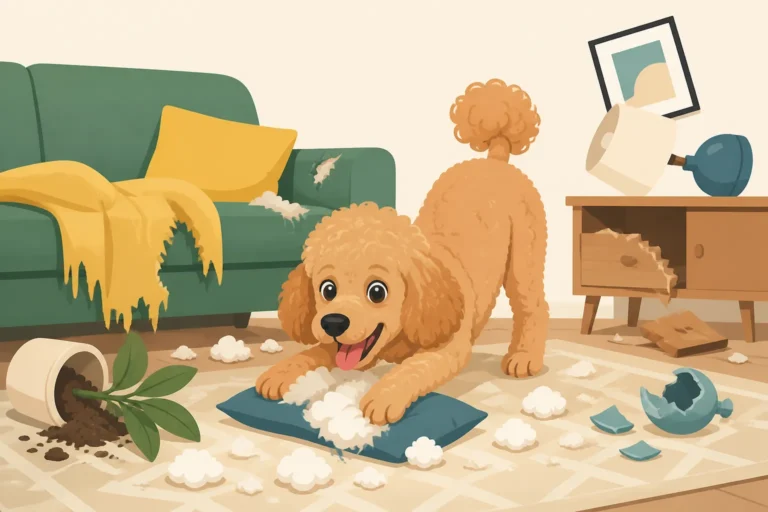
However, this brilliance comes with a flip side. A Poodle's active mind, if left unstimulated, can quickly turn to mischief. They're problem-solvers by nature, and if you don't give them appropriate problems to solve, they'll invent their own. This might look like counter-surfing, figuring out how to open cabinets, excessive barking, or even developing separation anxiety. They need mental challenges as much as they need physical activity, otherwise, that clever brain becomes a tool for destruction. It's not out of malice, but pure, unadulterated boredom.
Energy Levels Across Poodle Sizes
It’s a common misconception that smaller dogs are inherently lazier. While a Toy Poodle won't need to run five miles a day like a Standard, they still possess a surprising amount of vigor. The energy levels definitely scale with size, but the need for engagement doesn't disappear.
A Standard Poodle is a large, athletic dog bred for retrieving in water. They have stamina, speed, and a robust physique that demands vigorous exercise. Think long walks, runs, swimming, and active play. Miniature Poodles, while smaller, still have plenty of get-up-and-go. They love to play, go for brisk walks, and participate in agility or other dog sports. Toy Poodles, the smallest of the bunch, might seem like they only need a quick trot around the block, but don't be fooled. They love to run, play fetch, and have zoomies just as much as their larger cousins, albeit in a smaller package. They might not need the sheer distance, but they need the intensity and variety.
The Importance of a Routine
Dogs, Poodles included, thrive on predictability. A consistent daily routine provides a sense of security and helps manage their expectations. When they know when to expect meals, walks, training sessions, and downtime, they are generally calmer and less anxious. This isn't to say you can't be flexible; life happens, and Poodles are adaptable. But a general framework helps immensely.
Imagine a Poodle who wakes up wondering if today will be a day of exciting adventures or endless waiting. This uncertainty can lead to stress, barking, or pacing. Now imagine a Poodle who knows that after breakfast comes the morning walk, then some puzzle time, a nap, an afternoon play session, and evening cuddles. This structure helps them regulate their energy and settle more easily. Consistency in their schedule, whether it's for feeding, exercise, or training, acts as a bedrock for their overall well-being.
Physical Exercise: Keeping the Poodle Body Agile
Poodles are athletes. Even the tiniest Toy Poodle carries the genetic blueprint of a working retriever. Ensuring they get adequate physical exercise is fundamental not just for their physical health but also for their mental equilibrium. A tired Poodle is a good Poodle, as the saying goes, and with these guys, it’s especially true.
Tailoring Exercise to Poodle Size
The "right" amount of exercise isn't a one-size-fits-all answer. It's crucial to understand what each Poodle size truly needs to avoid over-exercising a small puppy or under-exercising a robust adult.
Standard Poodles: These magnificent dogs need substantial daily activity. We're talking at least 60-90 minutes of vigorous exercise, often broken into two or three sessions. This could include long, brisk walks, jogging alongside you (once they're fully grown and cleared by a vet), swimming, or extended games of fetch in a secure area. Daily Exercise for a Standard Poodle dives deeper into how much they truly require. They are built for endurance and speed, and denying them this outlet will often manifest as restlessness, destructive behavior, or excessive "demand" barking for attention. Hiking is also a fantastic option for a Standard, allowing them to use their bodies and sniff to their heart's content.
Miniature Poodles: Don't let their middle-child status fool you; Miniatures are still highly energetic. They generally need 45-60 minutes of active exercise daily. This could be a good long walk, playing fetch in the yard, or a trip to a dog park if they are well-socialized and enjoy it. They excel at dog sports like agility and flyball, which provide both physical exertion and mental challenge. Their smaller size makes them a bit more adaptable to urban living than a Standard, but they still need more than just a quick potty break.
Toy Poodles: It's easy to underestimate a Toy Poodle's exercise needs because they are so small and seemingly delicate. However, a healthy Toy Poodle is a spry and energetic companion who benefits from 30-45 minutes of daily activity. This can be split into a couple of shorter walks, indoor play sessions, or supervised outdoor time in a secure yard. Daily Exercise for a Toy Poodle covers how to keep these little dynamos moving. They might not cover vast distances, but they still need to run, chase, and explore. Keep in mind their delicate bones and small stature; high jumps or rough play with very large dogs should be avoided to protect their joints and fragile windpipes.
Varied Activities to Prevent Boredom
Just like humans, Poodles can get bored with the same old routine. Walking the same block every single day might check the "physical exercise" box, but it does little for their intelligent minds. Variety is truly the spice of life for a Poodle.
Think beyond just walks. Incorporate different types of outings: a sniffari in a new park, a swim at a dog-friendly lake, a visit to a pet store (if they're well-behaved and enjoy it), or a trip to a quiet hiking trail. Off-leash time in a safe, fenced area, where allowed, is invaluable for Poodles to truly stretch their legs and satisfy their instinct to run. Engage them with interactive games like hide-and-seek with toys or treats in the house or yard. For the water-loving Poodle, a kiddie pool in the summer or a trip to a dog-friendly beach can be pure joy. Trying out dog sports like agility, rally, or even scent work can provide an amazing outlet for both their physical prowess and their sharp minds.
Safe Play and Preventing Injury
While it's important to provide ample exercise, it's equally important to ensure that exercise is safe and appropriate for your Poodle's age, size, and health. Poodles are generally robust, but certain considerations are crucial.
For puppies, over-exercising can damage developing joints. Avoid forced long runs or high jumps until their growth plates have closed, usually around 12-18 months for Standards and slightly earlier for Miniatures and Toys. Consult your vet for guidance. For all Poodles, ensure play surfaces are safe and not too hard or slippery. Rough play with much larger dogs can be risky for smaller Poodles, leading to accidental injuries. Always use appropriate leashes and harnesses; for Toy Poodles especially, a harness can protect their delicate tracheas from strain. After any intense exercise, check their paws for cuts or abrasions and ensure they have access to fresh water to rehydrate. Always be mindful of weather conditions – Poodles can overheat in hot weather, especially those with thicker coats, and get chilled easily in cold, wet conditions if closely clipped.
Mental Stimulation: Engaging That Clever Poodle Brain
Physical exercise alone is rarely enough for a Poodle. Their exceptional intelligence means their brains need a workout just as much as their bodies. Neglecting mental stimulation is a common reason Poodles develop problematic behaviors. You might find yourself with a Poodle who seems restless even after a long walk, simply because their mind hasn't been engaged. What a Poodle Does When Its Brain Is Idle can be truly surprising and not in a good way!
Structured Training Sessions
Training isn't just for puppies learning "sit" and "stay"; it's a lifelong endeavor for a Poodle and one of the best forms of mental enrichment. Short, consistent training sessions (5-10 minutes, several times a day) are far more effective than one long, tedious session. Poodles thrive on learning and enjoy having a "job" to do.
Think beyond basic obedience. Teach them fun tricks like "spin," "bow," "weave through your legs," or "fetch a specific toy." These activities strengthen your bond, build confidence, and challenge their intellect. Consider enrolling in advanced obedience classes, rally, or even trick training. These structured environments provide new challenges and help refine their skills. Always use positive reinforcement methods; Poodles are highly sensitive and respond best to encouragement and rewards, not harsh corrections. They love to please and will quickly shut down if they feel unfairly treated or confused.
Puzzle Toys and Interactive Feeders
One of the easiest ways to inject mental stimulation into your Poodle's day is by making them "work" for their meals or treats. Ditching the plain bowl for a puzzle feeder or interactive toy can turn mealtime into a brain game, slowing down eating and engaging their minds.
There's a vast array of options available:
- Kongs: Stuff a Kong with kibble, wet food, or peanut butter and freeze it for a long-lasting challenge.
- Snuffle Mats: These fabric mats hide kibble or treats, forcing your Poodle to sniff and forage. You can find great options on Chewy for different sizes and challenge levels.
- Dispensing Balls: Balls with holes that release kibble as your Poodle rolls them around, like those available on Amazon.
- Advanced Puzzle Toys: Many brands offer multi-step puzzles where your Poodle has to lift lids, slide panels, or push levers to access treats. Start with easier ones and gradually increase the difficulty.
These toys prevent gulping food, which can be particularly beneficial for Standard Poodles at risk for bloat, and provide a constructive outlet for their problem-solving skills. They are also perfect for those times when you can't actively engage with your Poodle, keeping them occupied and out of trouble.
The Power of Scent Work and Games
A dog's primary sense is smell, and Poodles are no exception. Engaging their powerful noses through scent work is an incredibly enriching and tiring activity for them, often more mentally exhausting than a long walk. Nose Work as Exercise for a Poodle is something every Poodle owner should explore.
You can start simple at home:
- Hide and Seek (Treats/Toys): Hide treats or their favorite toys around the house or yard and encourage your Poodle to find them. Start with easy spots and gradually make them more challenging.
- Cup Game: Place a treat under one of three cups, shuffle them around, and let your Poodle pick which cup hides the prize.
- "Find It" Games: Teach a cue like "find it" and hide a specific toy, gradually increasing the distance and hiding spots.
For more advanced scent work, consider enrolling in a K9 Nose Work class or joining a local scent detection club. These activities tap into their natural instincts and provide immense satisfaction for a Poodle. It's a fantastic way to bond and provide enrichment, especially on days when weather prevents extensive outdoor exercise. Even a quick 10-minute scent game can leave a Poodle happily tired.
Socialization and Enrichment: Nurturing the Poodle Spirit
Poodles are inherently social and sensitive creatures. While they might have a reserved streak with strangers, they deeply crave connection and positive interactions. Providing consistent socialization and varied enrichment experiences is vital for their emotional well-being and helps them develop into well-adjusted, confident companions.
Controlled Social Interactions
Early and ongoing socialization is key for Poodles. They can sometimes be a bit wary of new people or dogs, so positive experiences are crucial. Socializing a Poodle Before It Turns Wary emphasizes the importance of these early interactions.
For puppies, this means carefully supervised playdates with vaccinated, friendly dogs, exposure to a variety of calm people, and short, positive visits to safe public spaces. For adult Poodles, continue to seek out opportunities for healthy social interaction. This might be walks in dog-friendly parks, trips to a local coffee shop patio, or joining a dog walking group. Always prioritize quality over quantity. A few positive interactions with well-behaved dogs or people are far better than a chaotic free-for-all that could create fear or anxiety. Observe your Poodle's body language closely; if they seem overwhelmed or uncomfortable, it's time to create distance and ensure they feel safe. Reading a Poodle's Body Language can help you understand their cues.
Exposure to New Environments and Sounds
The world is full of new sights, sounds, and smells, and exposing your Poodle to a variety of these experiences helps build their resilience and confidence. This doesn't mean overwhelming them, but rather gradual, positive exposure.
Take them for car rides to different neighborhoods. Walk them past schools when children are playing (at a safe distance), construction sites, or busy markets. Let them experience different surfaces like grass, concrete, gravel, and sand. If your Poodle is comfortable, consider visiting pet-friendly stores where they can practice good manners amidst distractions. The goal isn't to make them fearless of everything, but to help them understand that new things aren't necessarily scary and that you are their consistent, reliable guide. Positive reinforcement during these exposures, with lots of treats and praise, will create happy associations.
The Value of One-on-One Bonding Time
Despite their intelligence and energy, Poodles are deeply affectionate and form strong bonds with their families. Dedicated one-on-one time, free from distractions, is essential for nurturing this connection. This isn't just for their benefit; it's a wonderfully calming and rewarding experience for you too.
This bonding time can take many forms:
- Cuddle Sessions: Poodles love to snuggle. Whether it's on the sofa during a quiet evening or first thing in the morning, these moments reinforce your bond.
- Grooming: As we'll discuss, grooming can be a fantastic bonding experience if approached positively.
- Quiet Play: Gentle tug-of-war or soft fetch in the living room.
- Just Being Together: Simply sitting near you while you read or work, with the occasional pet or kind word, can be enough for a Poodle who thrives on companionship.
Remember, Poodles are often called "Velcro dogs" for a reason; they love to be close. Providing dedicated attention helps meet their emotional needs and reduces the likelihood of separation anxiety or attention-seeking behaviors.
Grooming as a Daily Ritual and Connection
While grooming often falls under "care," for a Poodle, it's undeniably a form of daily work that engages both their body and mind. It's not just about aesthetics; it's about health, comfort, and an incredible opportunity for bonding. Ignoring daily grooming needs for a Poodle is like trying to ignore their need for walks – it simply won't work without consequences.
Daily Brushing for Coat Health and Bonding
A Poodle's curly, continuously growing coat is a marvel, but it's also a magnet for mats and tangles. Daily brushing isn't just recommended; for most Poodles, it's mandatory to prevent painful matting that can lead to skin issues. The Poodle Coat and Why It Never Stops Growing means constant vigilance.
Learning to properly "line brush" down to the skin is crucial. This technique ensures you're getting through all the layers of the coat, not just skimming the surface. A good slicker brush and a metal comb (often called a Greyhound comb) are your essential tools. Regular brushing removes loose hair, prevents mats, stimulates blood flow to the skin, and helps distribute natural oils.
Beyond the practical benefits, daily brushing offers a fantastic opportunity for quiet, positive interaction. It's a time for gentle touch, soft words, and building trust. Make it a relaxing ritual, maybe while watching TV or listening to music. Use treats and praise to create a positive association, especially for puppies or Poodles new to the routine. Brushing a Poodle to the Skin explains the technique in detail and how to make it a pleasant experience.
Desensitization and Positive Grooming Experiences
Many Poodles dislike parts of the grooming process, especially the clippers, dryer, or having their faces/feet shaved. It's vital to start early with positive desensitization to make these experiences less stressful.
- Introduce Tools Gradually: Let your Poodle sniff and investigate brushes, combs, and even clippers (unturned on) from a young age.
- Positive Association: Pair the sight and sound of grooming tools with high-value treats and praise. Turn clippers on briefly at a distance, then slowly move closer, always associating the sound with something good.
- Short Sessions: Keep grooming sessions short and positive, especially when introducing new steps. Stop before your Poodle gets too stressed or antsy.
- Practice Handling: Regularly handle your Poodle's paws, ears, tail, and face outside of grooming sessions so they become comfortable with being touched in sensitive areas.
This proactive approach makes future grooming appointments, whether at home or with a professional, much more pleasant for everyone involved. If you're struggling, a professional groomer can also offer tips or specialized services to help your Poodle become more comfortable. Remember, a Poodle's comfort during grooming is paramount for their overall well-being. Choosing a Clip for a Pet Poodle might even help you find a low-maintenance style that simplifies daily care.
Checking Ears, Eyes, and Nails
Daily grooming isn't just about the coat; it's also about a quick health check of other important areas. This routine vigilance can help you spot potential problems early.
- Ears: Poodles have drop ears, which can trap moisture and hair, making them prone to ear infections. A quick daily check for redness, odor, or discharge is important. Cleaning them gently with a vet-approved cleaner and ensuring they are dry after baths or swimming is crucial.
- Eyes: Check for any redness, discharge, or irritation. Poodles, especially lighter-colored ones, can get tear staining. Wiping the area gently with a damp cloth or vet-approved wipe can help keep it clean.
- Nails: Poodle nails grow continuously and can become uncomfortably long if not trimmed or ground regularly. Overly long nails can affect their gait and even cause pain. While you might not trim them daily, a quick visual check can help you decide when they're due for a trim. If you're doing it yourself, introduce the clippers or grinder slowly and positively.
Integrating these quick checks into your daily routine ensures you're on top of your Poodle's health and hygiene, catching small issues before they become bigger problems.
Addressing Common Challenges: When Daily Work Falls Short
Even with the best intentions, Poodle owners sometimes face challenges in meeting their dog's extensive physical and mental needs. Life gets in the way, and sometimes, a Poodle's unique temperament can make things feel harder. But don't despair; understanding these common hurdles is the first step to overcoming them.
Boredom-Induced Behaviors
As we've mentioned, a bored Poodle is a Poodle in search of a job, and that job might be one you definitely don't approve of. Common boredom-induced behaviors include:
- Destructive Chewing: Chewing on furniture, shoes, or anything they can get their paws on. They're trying to relieve stress or simply entertain themselves.
- Excessive Barking: Barking at shadows, every passerby, or just for attention. This is often a sign of unmet mental needs.
- Pacing or Restlessness: Unable to settle down, constantly moving around the house.
- Digging: If they have yard access, they might start digging craters out of sheer boredom.
- Nipping or Mouthiness: Especially in younger Poodles, this can be an attempt to get attention or engage in play.
If you're seeing these behaviors, the first step is always to re-evaluate their daily schedule. Are they getting enough physical exercise and mental stimulation? Are you providing varied activities? Is their training consistent? Often, upping the ante on enrichment, even with short, frequent bursts, can make a world of difference. Consider rotating puzzle toys so they don't get bored with the same ones, or try a new type of scent game.
Managing High Energy in a Small Space
Not everyone has a sprawling backyard, and many Poodle owners live in apartments or smaller homes. This doesn't mean you can't have a happy, well-exercised Poodle, but it does mean you need to be more intentional about how you meet their needs.
The key here is quality over quantity, especially for physical exercise. Instead of just a longer walk, focus on active walks. Incorporate bursts of jogging, retrieve games in a park, or varied routes that offer new smells and sights. Urban agility, where you encourage your Poodle to jump on low walls or weave through poles, can add a fun, physical element to city walks.
For mental stimulation, small spaces are actually fantastic. Puzzle toys, snuffle mats (which can be found on Amazon), and indoor training sessions don't require much room. Scent work, where you hide treats around your living room, is perfect for apartment living. Even practicing a new trick can burn significant mental energy. Regular trips to a dog park or a friend's fenced yard can provide essential opportunities for off-leash running, but always ensure these environments are safe and your Poodle is comfortable.
Adapting for the Aging Poodle
As Poodles age, their physical and sometimes mental needs shift. They might not be able to go for the long runs they once enjoyed, or their enthusiasm for complex puzzles might wane. Caring for an Aging Poodle is a gentle transition.
- Adjust Exercise: Replace long, strenuous walks with shorter, more frequent, gentle strolls. Swimming can be excellent for older Poodles as it's low-impact on their joints. Consider joint supplements or pain management if recommended by your vet.
- Simplify Mental Games: Stick to easier puzzle toys, shorter training sessions with familiar cues, and less physically demanding scent games. Keep their minds engaged but don't overtax them.
- Comfort is Key: Provide comfortable, orthopedic beds. Ensure their access to food, water, and potty areas is easy and doesn't require navigating stairs if they have mobility issues.
- Routine for Cognitive Decline: For Poodles experiencing cognitive decline, a consistent routine becomes even more important. It helps them feel secure and minimizes confusion. Gentle, familiar interactions, like quiet cuddle time, become precious.
The goal is to keep your senior Poodle comfortable, engaged, and feeling loved, adapting their "daily work" to their changing abilities.
Crafting Your Poodle's Ideal Daily Schedule
Putting all these pieces together can feel a bit like orchestrating a symphony, but with a Poodle, a well-tuned schedule leads to harmony in your home. The key is to find a rhythm that works for both you and your Poodle, blending consistency with enough variety to keep things interesting.
Sample Daily Routines by Poodle Size
Here's a generalized idea of what a good daily flow might look like. Remember, these are starting points – every Poodle is an individual!
Toy Poodle Sample Schedule:
| Time | Activity | Purpose |
|---|---|---|
| 7:00 AM | Wake, potty break | First relief of the day |
| 7:15 AM | Breakfast (in puzzle feeder/snuffle mat) | Mental stimulation, slow eating |
| 7:45 AM | Short walk (15-20 min) | Potty, sniff, stretch legs |
| 8:15 AM | Quiet play/cuddle time | Bonding, gentle interaction |
| 9:00 AM | Nap/independent chew toy | Rest, self-entertainment |
| 12:00 PM | Potty break, quick indoor game/training | Midday relief, brain boost |
| 1:00 PM | Lunch (if needed, small portion) | Energy for afternoon |
| 1:30 PM | Nap/quiet time | Recharge |
| 4:00 PM | Potty break, longer walk (20-25 min) | Exploration, exercise |
| 4:45 PM | Interactive play/scent game | Physical & mental exertion |
| 5:30 PM | Dinner (in puzzle feeder) | Mental engagement, feeding |
| 6:30 PM | Evening cuddle/brushing (5-10 min) | Bonding, coat care |
| 8:00 PM | Last potty break | Prepare for overnight |
| 9:00 PM | Bedtime | Rest |
Standard Poodle Sample Schedule:
| Time | Activity | Purpose |
|---|---|---|
| 6:30 AM | Wake, substantial potty break | Morning relief |
| 6:45 AM | Brisk walk/jog (30-45 min) | High energy burn, exploration |
| 7:30 AM | Breakfast (in slow feeder/Kong) | Mental work, prevent gulping |
| 8:00 AM | Quiet time/chew toy/bone | Settle, independent activity |
| 9:00 AM | Nap/rest | Recovery |
| 12:00 PM | Potty break, short training session (10 min) | Midday relief, brain engagement |
| 1:00 PM | Supervised yard time/chew | Outdoor enrichment, safe play |
| 3:00 PM | Nap/rest | Recharge |
| 5:00 PM | Vigorous play/long walk/dog park (45-60 min) | Major energy outlet, social |
| 6:00 PM | Dinner (in puzzle feeder/snuffle mat) | Mental stimulation, feeding |
| 7:00 PM | Grooming (15-20 min), cuddle time | Coat care, bonding |
| 9:00 PM | Last potty break | Prepare for overnight |
| 10:00 PM | Bedtime | Rest |
Miniature Poodles generally fall somewhere between these two, needing consistent walks (30-45 mins morning/evening) combined with daily mental games and short training sessions.
Flexibility and Consistency
While a routine is beneficial, it's also important to be flexible. Life happens! There will be days when a long walk isn't possible, or a training session gets cut short. The key is to make up for it in other ways. If you miss a long walk, compensate with extra mental games or a longer sniffari walk the next day. A Poodle's happiness comes from consistently met needs, not rigid adherence to a clock.
That said, try to keep core elements like meal times and main exercise outings fairly consistent. This helps regulate their digestion, sleep patterns, and overall anticipation. Your Poodle will quickly learn the rhythm of your household, making them a more settled and cooperative companion.
Resources for Continued Enrichment
The world of dog enrichment is constantly expanding! Don't feel like you have to invent new games every day. There are fantastic resources out there:
- Online Retailers: Websites like Chewy and Amazon offer an incredible selection of puzzle toys, snuffle mats, and interactive feeders to keep things fresh. Look for highly-rated items suitable for your Poodle's size and chewing style.
- Dog Training Books/Online Courses: Many excellent resources can teach you new tricks, advanced obedience, or how to get started in dog sports.
- Local Clubs: Search for local dog obedience, agility, rally, or scent work clubs. These offer structured classes, expert guidance, and a community of like-minded individuals.
- Fresh Food Subscription Services: If you're looking to upgrade mealtime, services like Ollie provide nutritious, portioned fresh food that can be used in puzzle feeders or as high-value training treats.
By continually exploring new activities and tools, you can keep your Poodle's daily work engaging, challenging, and endlessly rewarding for both of you. Remember, a stimulated Poodle is a happy Poodle, and that makes for a happy home.
Disclaimer
This article is for general informational purposes only and does not constitute professional advice. Laws, prices and regulations vary by location and change over time. Consult a qualified professional for guidance on your specific situation.