Why a Poodle’s Tear Stains Turn Red
It’s a sight that can truly test your patience, especially if you have a beautiful white or cream-colored Poodle: those reddish-brown streaks under their eyes that seem to appear out of nowhere. You clean them, you try every trick in the book, and still, they persist, often looking worse than before. This common issue, while usually harmless, can be a real cosmetic concern and sometimes a symptom of an underlying problem. This guide will delve into why those tear stains turn red, what causes them, and how you can effectively manage and prevent them to keep your Poodle’s face looking bright and healthy.
Understanding Poodle Tear Stains and Their Color Shift
Let’s be honest, those tear stains aren't just an aesthetic annoyance; they can be a source of constant worry for Poodle parents. You want your dog to look their best, and those rusty streaks can really detract from their otherwise pristine appearance. But what exactly causes this discoloration, and why do they turn that distinct reddish-brown hue? It’s more than just simple dirt or dried tears.
The Science Behind Tear Stains Porphyrins
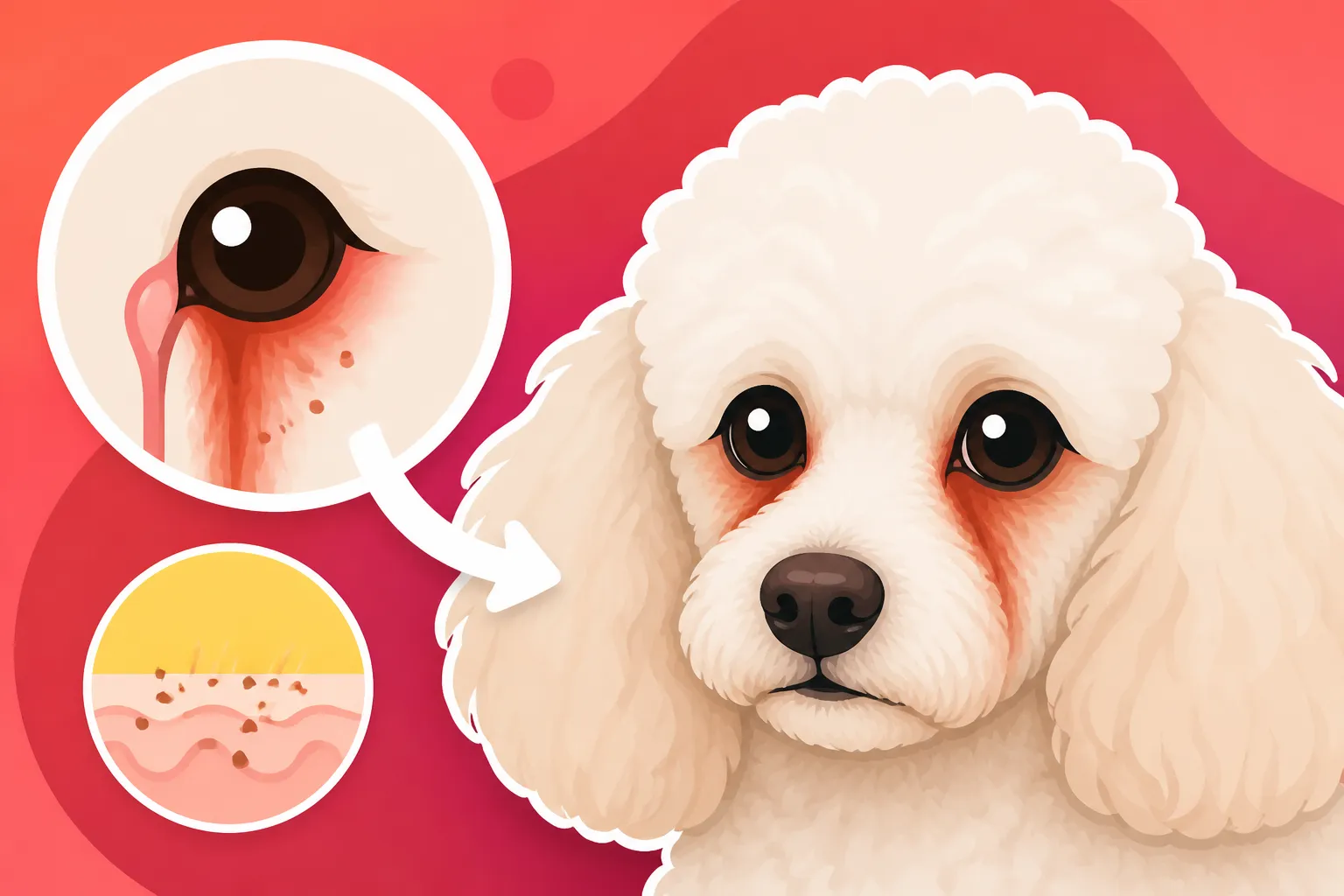
The reddish-brown color you see in your Poodle's tear stains isn't just random; it's due to a fascinating biological process involving compounds called porphyrins. Porphyrins are iron-containing molecules that are a byproduct of normal red blood cell breakdown in the body. They are typically excreted through bile in feces. However, in dogs, porphyrins can also be excreted through tears, saliva, and urine, particularly in smaller amounts. When these colorless porphyrins are exposed to sunlight or air for an extended period, they oxidize, which is a chemical reaction that causes them to change color. This oxidation is what gives them that tell-tale reddish or rust-like appearance.
It's not just tears, either. You might notice similar reddish stains on your Poodle’s beard from saliva if they have a habit of licking their paws or if they drool. The process is the same – porphyrins in the saliva oxidize when exposed to oxygen and light. This means that even if you keep their eyes perfectly clean, if there’s excessive moisture around their mouth or paws, those areas can also develop similar reddish discoloration. This phenomenon is quite natural, but certain factors can amplify the amount of porphyrins excreted or allow them to accumulate more readily.
Why Some Poodles Are More Prone
You might have noticed that Poodles, especially the Toy and Miniature varieties, seem to be more susceptible to tear staining than many other breeds. There are a few key reasons for this, often rooted in their unique anatomy and genetics. Firstly, Poodles often have large, expressive eyes and a tendency for shallow eye orbits, which can lead to slightly protruding eyeballs. This configuration, combined with their dense, continually growing hair, means that hair around the eyes can easily wick tears away from the tear duct opening and onto the facial fur. Once the tears are on the fur, the porphyrins within them are exposed to air and light, initiating that dreaded reddish discoloration.
Secondly, many Poodles have genetic predispositions to conditions that increase tear production or impede tear drainage. For example, some Poodles might have very fine hairs around their eyes that act like wicks, constantly drawing moisture out. Others may have slightly abnormal tear ducts or shallow eye sockets that make proper tear drainage less efficient. It’s not necessarily a fault with your Poodle; it’s just how their beautiful eyes are structured. While Standard Poodles can also experience tear staining, it's often less noticeable due to their larger size and sometimes less pronounced tear flow relative to their facial structure. Understanding these predispositions helps manage expectations and approach solutions with a more informed perspective. This is also why understanding general Poodle health, like Why a Poodle's Eyes Weep, is so crucial.
Common Causes of Red Tear Stains
While porphyrins are the reason for the red color, they aren't the cause of the excessive tearing that leads to the stains. That's a crucial distinction. When your Poodle is consistently weeping or producing more tears than normal, that's when you start seeing those pronounced red streaks. Pinpointing the root cause is the first step toward effective management. It's often not just one thing but a combination of factors.
Eye Irritation and Blocked Tear Ducts
One of the most straightforward reasons for excessive tearing, a condition known as epiphora, is simple irritation. Think about how your own eyes water when a speck of dust gets in them. For a Poodle, especially with their long, curly hair, irritation can be a constant battle.
- Ingrown Eyelashes (Distichiasis/Ectopic Cilia): Sometimes, eyelashes grow in abnormal directions, rubbing against the cornea or conjunctiva. This can cause persistent irritation and tear production. It's not something you can usually spot with the naked eye, and it requires a veterinary examination to diagnose.
- Hair in the Eyes: Poodles have luscious coats, but those beautiful curls around their face can also be a culprit. If the hair isn't regularly trimmed, it can grow long enough to poke into the eye, acting as a constant irritant. Even clipped hair, if not groomed carefully, can irritate the delicate eye area. This is why regular grooming, including Trimming the Hair Around a Poodle's Eyes, is so vital.
- Environmental Irritants: Just like us, Poodles can react to things in their environment. Dust, pollen, smoke, or even strong household cleaning products can cause their eyes to water excessively. If you notice your Poodle's eyes watering more after a walk on a windy day, or if you've recently cleaned with strong chemicals, these could be factors.
- Blocked Tear Ducts: The lacrimal ducts are tiny tubes that drain tears from the eye into the nasal cavity. If these ducts become blocked or narrowed, tears can't drain properly and instead spill over onto the face. Blockages can be due to inflammation, debris, or even congenital defects. A vet can often test for this by applying a special dye to the eye and checking if it comes out of the nostril. If the dye doesn't pass, the duct may be blocked.
Allergies and Dietary Factors
Just like people, Poodles can suffer from allergies, and these often manifest in ways that impact tear production. It's a frustrating cycle where your Poodle is uncomfortable, and the resulting tears contribute to staining.
- Food Allergies: This is a surprisingly common cause of excessive tearing and other skin issues in Poodles. Ingredients like certain proteins (chicken, beef, dairy) or grains (corn, wheat, soy) can trigger an allergic response. Beyond watery eyes, you might also notice your Poodle scratching excessively, developing skin rashes, or having digestive upset. If you suspect food allergies, an elimination diet can be very helpful, as described in Elimination Diets for an Itchy Poodle. This involves feeding a novel protein and carbohydrate source for several weeks and carefully reintroducing ingredients to pinpoint the culprit.
- Environmental Allergies: Pollen, dust mites, molds, and even certain grasses can cause allergic reactions in Poodles. These often lead to itchy, watery eyes, along with sneezing, paw licking, and skin irritation. These are often seasonal, but dust mites and molds can be year-round issues. Keeping your home clean and using air purifiers can sometimes help. For more general information on how these impact your furry friend, check out Poodle Allergies and Skin Reactions and Environmental Allergies in a Poodle.
- Dietary Deficiencies or Excesses: While less common than allergies, some theories suggest that certain dietary imbalances, particularly mineral deficiencies, could contribute to tear staining. Some owners report improvement with supplements, but it’s always best to consult with your vet before making significant changes to your Poodle’s diet or adding supplements. A well-balanced, high-quality dog food is usually the best starting point.
Bacterial or Yeast Infections
The constant moisture from excessive tearing creates a perfect breeding ground for bacteria and yeast, particularly Malassezia. These microorganisms thrive in warm, damp environments, and the area under your Poodle’s eyes fits the bill perfectly.
- Yeast (Malassezia) Infections: When you see those stains looking particularly dark, almost blackish-brown, and perhaps notice a distinct, slightly sweet or musty odor, yeast is a strong possibility. Malassezia yeast is naturally present on dog skin, but an overgrowth can cause irritation, itching, and contribute to the staining. This overgrowth is often secondary to the underlying epiphora or allergies. The yeast itself can also cause irritation, leading to even more tearing, creating a vicious cycle.
- Bacterial Infections: Less commonly, bacterial infections can also take hold in the perpetually damp skin folds under the eyes. These might appear as crusty, inflamed areas. If left untreated, they can become quite uncomfortable for your Poodle and may even spread. Both yeast and bacterial infections typically require veterinary diagnosis and specific treatments, such as topical antifungal or antibacterial wipes, creams, or oral medications. When dealing with diagnostic tests and potential medications, having pet insurance like Healthy Paws can be a real blessing, helping to cover unexpected costs.
Addressing and Preventing Red Tear Stains
Dealing with tear stains can feel like an endless battle, but with consistency and the right approach, you can significantly reduce their appearance and keep your Poodle comfortable. Remember, patience is key, and some Poodles may always have a tendency towards staining dueishing to their genetics, but improvement is always possible.
Daily Cleaning and Grooming Routines
Regular, consistent cleaning is perhaps the most critical step in managing tear stains. The goal is to prevent tears from sitting on the fur and oxidizing.
- Gentle Daily Wiping: This should be a non-negotiable part of your Poodle's daily routine, especially for lighter-colored dogs. Use a soft, damp cloth, a cotton ball with warm water, or a veterinary-approved eye wipe specifically designed for pets. Gently wipe the area under the eyes at least once, ideally twice a day. The key is to remove the moisture and any accumulated debris before the porphyrins have a chance to oxidize.
- Pro Tip: After wiping with a damp cloth, gently dry the area with a separate clean, dry cloth or a cotton pad. Reducing moisture is crucial.
- Regular Grooming and Hair Trimming: Your Poodle’s groomer is your best friend in this battle! Schedule regular face trims to keep the hair around their eyes short and tidy. This prevents hair from wicking tears onto the face or poking into the eye, which can cause irritation. Some owners learn to do "face, feet, and tail" trims at home between professional grooming appointments to maintain the area around the eyes. If you’re unsure, ask your groomer to show you how to safely trim this delicate area. A well-maintained coat, as discussed in Tear Staining Around a Poodle's Eyes, makes a huge difference.
- Stain-Removing Products (Use with Caution): There are many over-the-counter products marketed to remove tear stains. These can range from topical wipes and solutions to oral supplements.
- Topical solutions: Many contain mild astringents or cleansing agents. Always read labels carefully and ensure they are safe for use around the eyes. Some contain hydrogen peroxide or bleaching agents which can irritate sensitive skin or even damage the eye if used improperly. Stick to products specifically formulated for pet eye use.
- Oral supplements: Some oral supplements claim to reduce tear staining from the inside out. Be extremely cautious with these. Many that were once popular contained antibiotics (like tylosin), which can lead to antibiotic resistance and are now largely discouraged by veterinarians for cosmetic purposes. If considering any oral supplement, consult your vet first.
Veterinary Consultation and Treatment Options
If diligent cleaning and grooming aren't enough, or if the staining is severe, inflamed, or accompanied by other symptoms like squinting, pawing at the face, or discharge, a vet visit is absolutely essential. Don't try to self-diagnose serious eye issues.
- Diagnosing Underlying Conditions: Your veterinarian will conduct a thorough eye exam. This might include checking for:
- Blocked tear ducts: A fluorescein dye test can determine if tears are draining properly. If blocked, the vet might attempt to flush the tear ducts.
- Eyelash abnormalities: They will carefully examine the eyelids for ingrown or abnormally growing eyelashes (distichiasis or ectopic cilia) that are irritating the eye. These might require minor surgical correction.
- Eye infections: A sample might be taken to identify bacterial or yeast infections, leading to targeted antibiotic or antifungal treatments.
- Allergies: Your vet can help you investigate potential allergies through elimination diets or allergy testing.
- Treating Infections and Inflammation: If an infection is present, your vet will prescribe appropriate medication. This could be topical eye drops or ointments for the eyes themselves, or medicated wipes/creams for the stained skin beneath the eyes. Anti-inflammatory medications might be prescribed if there's significant irritation or swelling. Remember, catching these issues early can prevent more severe problems, and your pet insurance provider, such as Healthy Paws, can be invaluable for covering the costs of diagnostics and prescribed medications.
- Addressing Pain and Discomfort: Sometimes, severe tear staining indicates underlying discomfort. Your vet can provide pain relief or anti-inflammatory medications to ease your Poodle's suffering while the root cause is being treated. It's crucial to address any pain, as chronic discomfort can impact your Poodle's overall well-being. Keeping up with regular general health checks, including things like Dental Care for a Small Poodle and examinations for issues like Ear Infections Under a Poodle's Drop Ears, can also help ensure overall health isn't contributing to tear-related problems.
Environmental and Dietary Adjustments
Sometimes, the solution lies outside of direct eye care and within your Poodle's daily environment and diet. A holistic approach can often yield the best results.
- Water Quality: Some owners report that switching their Poodle to filtered or distilled water helps reduce tear staining. The theory is that minerals and impurities in tap water, particularly iron, can contribute to porphyrin levels or interact with tears to worsen staining. While not scientifically proven, it's a relatively easy and harmless change to try.
- Food Bowl Material: Using stainless steel, ceramic, or glass food and water bowls instead of plastic can also make a difference. Plastic bowls can harbor bacteria and microscopic scratches, which might contribute to irritation or infection, indirectly affecting eye health. Regular washing of all bowls is crucial, regardless of material.
- Hypoallergenic Diets: As mentioned, food allergies are a common culprit. If you suspect allergies, transitioning to a high-quality, hypoallergenic dog food can be transformative. Look for foods with novel proteins (like duck, venison, or lamb) and limited, easily digestible ingredients. Always introduce new foods gradually over several days to avoid digestive upset. Choosing a quality diet can also impact their overall health and lifespan, a factor considered by responsible breeders who focus on What a Poodle Breeder Must Test For.
- Air Quality and Home Environment: Reducing allergens in your home can significantly benefit an allergy-prone Poodle.
- Regular Cleaning: Vacuum frequently, especially if you have carpets, to reduce dust mites. Wash pet bedding weekly in hot water.
- Air Purifiers: High-efficiency particulate air (HEPA) filters in air purifiers can help remove airborne allergens like pollen, dust, and mold spores.
- Avoid Irritants: Steer clear of strong air fresheners, scented candles, or chemical cleaners that can release irritants into the air. If you're going to use them, do so when your Poodle is not in the room and allow for plenty of ventilation.
- Considering Pet Insurance: When faced with chronic issues like persistent tear staining that might require ongoing veterinary care, diagnostics, or specialized diets, pet insurance can be a smart investment. Companies like Healthy Paws offer coverage that can help offset the costs of unexpected illnesses or accidents, ensuring you can provide the best care without financial strain. It’s particularly helpful as Poodles age, as their health needs can become more complex, tying into aspects of Caring for an Aging Poodle.
Here’s a quick overview to help you navigate the common causes and solutions for red tear stains in your beloved Poodle:
| Cause | Why It Leads to Red Stains | What to Look For | Potential Solutions |
|---|---|---|---|
| Porphyrin Oxidation | Iron in tears turns red when exposed to air/light | Always present if tears sit on fur | Consistent daily cleaning and drying of the area. |
| Eye Irritation | Excess tearing (epiphora) from physical contact | Squinting, pawing, redness, hair in eye, discharge | Regular grooming, vet check for ingrown lashes/foreign objects. |
| Blocked Tear Ducts | Tears can't drain, spill onto face | Constant wetness under eye, no other signs of irritation | Vet dye test, flushing of ducts, possible surgery. |
| Allergies (Food/Environmental) | Inflammatory response leading to increased tear production | Itching, paw licking, skin issues, sneezing, GI upset | Elimination diet, environmental allergen control, vet-prescribed meds. |
| Bacterial/Yeast Infection | Microbes thrive in damp area, causing irritation & discoloration | Darker, almost black stains; odor; inflammation | Vet diagnosis and prescription of topical/oral antibiotics or antifungals. |
| Poor Water/Food Bowls | Impurities in water or bacteria on plastic bowls | Stains persist despite other efforts | Switch to filtered water, stainless steel/ceramic bowls, regular cleaning. |
Remember, managing tear stains is an ongoing process. With a combination of diligent daily care, environmental adjustments, and professional veterinary guidance when needed, you can help your Poodle live comfortably with a bright, stain-free face.
Disclaimer
The information provided in this article is for general informational purposes only and is not a substitute for professional veterinary advice. Always consult with a qualified veterinarian for any health concerns or before making any decisions related to your Poodle's care.