Full Thyroid Panels Poodle Breeders Order
Many Poodle owners and prospective breeders find themselves overwhelmed by the sheer volume of health tests recommended for the breed. Among these, thyroid testing often brings a mix of confusion and concern, especially when you hear about "full thyroid panels." It's easy to feel lost trying to understand what these tests involve, why they're so crucial, and what breeders are really looking for. This guide will walk you through the specifics of full thyroid panels that responsible Poodle breeders rely on, clarifying their importance for the health of our beloved Poodles.
Why Thyroid Health Matters So Much in Poodles
Poodles, across all three sizes, are known for their elegance, intelligence, and generally robust health when bred responsibly. However, like many purebred dogs, they do have certain predispositions to specific health conditions. One area that deserves significant attention is thyroid health, particularly hypothyroidism, which is an underactive thyroid gland. It's not just about a dog feeling a bit sluggish; thyroid dysfunction can quietly undermine a Poodle's overall well-being, affecting everything from their coat and skin to their metabolism and even their temperament.
The tricky thing about hypothyroidism is how subtly it can manifest. Owners might notice a gradual change in their Poodle, perhaps a slight decrease in energy, a coat that's not quite as luxurious, or a tendency to gain weight despite no change in diet. These signs can easily be attributed to aging, a change in seasons, or simply a "lazy phase," making early diagnosis a real challenge. For breeders, understanding the genetic component and screening their breeding stock becomes paramount to prevent passing on a predisposition to future generations.
The Hidden Impact of Hypothyroidism
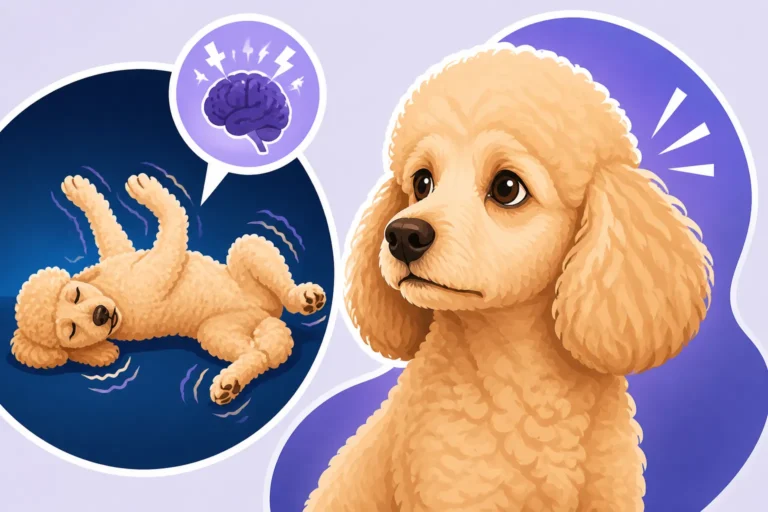
Imagine your Poodle, usually full of boundless energy and eager to engage, suddenly seems less interested in walks, takes longer naps, and generally lacks their usual spark. These are often the first, insidious signs of hypothyroidism. It’s not a dramatic collapse but rather a slow decline in vitality that can be heartbreaking to watch unfold. Beyond lethargy, you might see changes in their weight, often an unexplained gain, even if their diet and exercise routine haven't shifted. This can lead to obesity, which itself brings a cascade of other health problems, from joint strain to an increased risk of heart issues.
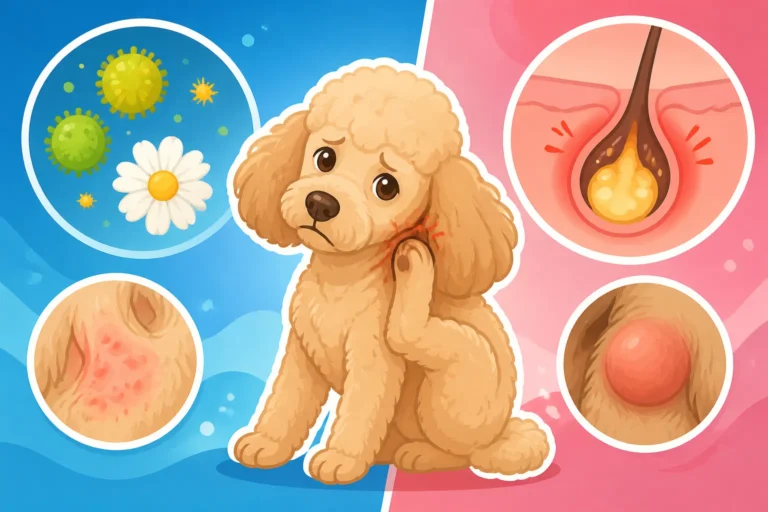
The thyroid gland plays a vital role in regulating a dog's metabolism, and when it's underactive, every system in the body can be affected. Many Poodle owners worry about their Poodle's coat, and rightly so, as it's one of their defining features. Hypothyroidism often leads to a dry, brittle coat, thinning hair, or even symmetrical hair loss, especially on the flanks and tail. The skin underneath might become flaky, thickened, or prone to secondary infections, often mistaken for allergies. This can be particularly frustrating, as owners might spend a lot on specialized shampoos or diet changes, not realizing the root cause is internal. It's a testament to how complex a Poodle's health can be, where symptoms in one area point to an entirely different underlying issue. For more on this, you might find our article on Hypothyroid Symptoms in a Poodle quite insightful.
Poodles and Autoimmune Tendencies
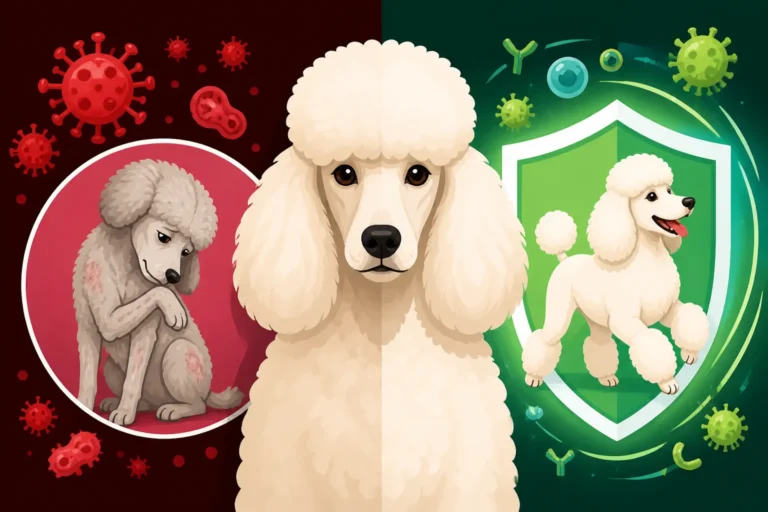
One of the reasons Poodles are particularly prone to hypothyroidism is their genetic predisposition to autoimmune diseases. In many cases, hypothyroidism in Poodles isn't just a gland that "stops working"; it's often immune-mediated thyroiditis. This means the dog's own immune system mistakenly attacks and destroys the thyroid gland over time. This is a common thread among Poodles, who seem to have a higher incidence of several autoimmune conditions, which can lead to complex health management for owners. In fact, many Standard Poodles, for example, carry two autoimmune diseases, making careful breeding and screening even more critical.
This autoimmune link highlights why thorough testing is so vital for breeders. A Poodle might not be clinically hypothyroid yet, but if they have elevated thyroid antibodies, it indicates their immune system is already targeting their thyroid gland. This Poodle is at a much higher risk of developing full-blown hypothyroidism later in life and, crucially, could pass on this genetic predisposition to its offspring. Responsible breeders are keenly aware of this and strive to identify carriers to make informed decisions for their breeding programs, prioritizing the long-term health and well-being of the breed. It’s a proactive approach that ensures a healthier future for these intelligent and sensitive companions, and it's a good argument for comprehensive pet insurance like Healthy Paws.
Understanding the Full Thyroid Panel
When we talk about "full thyroid panels" in Poodles, we're really talking about moving beyond just a single measure of thyroid hormones. A basic thyroid test might give you a snapshot, but it often misses the full picture, especially when dealing with a breed like the Poodle, which has unique genetic predispositions. A comprehensive panel delves much deeper, providing a much clearer and more accurate assessment of a Poodle's thyroid function and potential underlying issues. This detailed approach is what breeders and veterinarians recommend to truly understand a Poodle's thyroid health.
Many owners, understandably, assume a routine blood test at the vet will cover all bases. However, standard vet panels might only include total T4 (TT4), which can be influenced by many non-thyroidal factors like illness, certain medications, or even stress. While TT4 is a starting point, it's not sufficient to diagnose or rule out autoimmune thyroiditis, which is the predominant cause of hypothyroidism in Poodles. A full panel gives you the nuanced data needed to identify problems early, sometimes even before clinical symptoms appear, which is incredibly valuable for both individual pet care and responsible breeding.
Beyond a Basic T4 Test
A basic total T4 (TT4) test is a good initial screening tool, but it's like looking at a single puzzle piece and trying to understand the whole image. The TT4 measures both the free (active) and bound (inactive) thyroid hormone in the blood. Unfortunately, things like concurrent illnesses, certain medications (such as corticosteroids, phenobarbital, or even some NSAIDs), or even physiological changes due to age or stress can artificially lower TT4 levels, leading to a misdiagnosis of hypothyroidism when the Poodle is actually euthyroid (has normal thyroid function). This can cause undue stress and lead to unnecessary lifelong medication.
To get a more accurate picture, veterinarians and breeders rely on additional tests. Free T4 (fT4) is often included in a more comprehensive panel, and it measures only the unbound, biologically active thyroid hormone. This is a much better indicator of actual thyroid function, as it's less affected by non-thyroidal factors. But even fT4 isn't the whole story. The real game-changer for Poodles lies in assessing the immune system's involvement, which the basic T4 test completely overlooks. Without a full panel, especially one that includes autoantibody testing, you could easily miss the early stages of autoimmune thyroiditis, potentially setting a Poodle up for future health struggles or unknowingly propagating a genetic issue.
Key Markers in a Comprehensive Panel
A truly comprehensive thyroid panel for a Poodle typically includes several key markers to provide a holistic view of thyroid function and identify any underlying autoimmune activity. These usually include:
- Total T4 (TT4): As mentioned, this is the overall measure of circulating thyroid hormone. It's useful as a baseline but needs to be interpreted in conjunction with other values.
- Free T4 (fT4): This measures the metabolically active, unbound form of T4. It's generally a more reliable indicator of thyroid function than TT4, as it's less affected by external factors.
- Total T3 (TT3) and Free T3 (fT3): T3 is the most potent thyroid hormone. While T4 is often converted to T3 in peripheral tissues, directly measuring T3 levels can provide additional insight, though it's less frequently used as a primary diagnostic tool for hypothyroidism in dogs compared to T4.
- Thyroglobulin Autoantibodies (TgAA): This is the crucial test for identifying autoimmune thyroiditis, which is rampant in Poodles. Thyroglobulin is a protein produced by the thyroid gland. If a Poodle's immune system is attacking its own thyroid, it will produce antibodies against thyroglobulin. Elevated TgAA levels indicate active immune-mediated destruction of the thyroid gland, even if the Poodle is not yet clinically hypothyroid. This is invaluable information for breeders, as it flags dogs that are predisposed to developing the disease and could pass that predisposition to their puppies.
- Thyroid Stimulating Hormone (TSH): Produced by the pituitary gland, TSH stimulates the thyroid to produce T4 and T3. In primary hypothyroidism, the thyroid gland isn't responding, so the pituitary tries harder, leading to elevated TSH levels. This can be a strong indicator when combined with low T4/fT4.
Here’s a quick overview of what these different components reveal:
| Test Marker | What It Measures | Why It's Important for Poodles |
|---|---|---|
| Total T4 (TT4) | All T4 hormone (bound and free) | Initial screening, can be influenced by non-thyroidal illness/meds. |
| Free T4 (fT4) | Active, unbound T4 hormone | More accurate indicator of actual thyroid function, less external influence. |
| Thyroglobulin Autoantibodies (TgAA) | Antibodies against thyroid protein | Crucial for Poodles – identifies autoimmune thyroiditis (predisposition). |
| TSH | Thyroid Stimulating Hormone from pituitary | Elevated levels suggest primary hypothyroidism when T4/fT4 are low. |
| Total T3 (TT3) / Free T3 (fT3) | All T3 hormone / Active, unbound T3 hormone | Additional insight, but T4/fT4 and TgAA are primary diagnostic tools. |
These comprehensive panels, sometimes performed by specialized veterinary laboratories like Michigan State University's Animal Health Diagnostic Laboratory or Cornell University's Animal Health Diagnostic Center, give breeders and owners the clearest picture possible. This level of detail allows for proper diagnosis, treatment planning, and informed breeding decisions.
Interpreting the Results
Reading a full thyroid panel isn't always straightforward, and it's definitely something best done in close consultation with your veterinarian, preferably one experienced in canine endocrinology or Poodle health. It’s not just about whether a number is high or low; it’s about how all the values interact and what they collectively tell you about your Poodle’s thyroid status. For example, a low TT4 alone doesn't necessarily mean hypothyroidism if the fT4 and TSH are within normal ranges, especially if other factors like medication are present.
However, if your Poodle has low fT4, high TSH, and potentially elevated TgAA, that’s a strong indication of primary hypothyroidism. The presence of elevated TgAA, even with otherwise normal thyroid hormone levels, is a huge red flag for breeders. It signals that the Poodle is genetically predisposed to autoimmune thyroiditis and is likely to develop clinical hypothyroidism later in life. This Poodle should typically be removed from a breeding program to avoid passing on this genetic vulnerability. This is where a robust health insurance plan, like those offered by providers such as Healthy Paws, can be incredibly valuable, potentially covering diagnostics and long-term medication costs if a Poodle is eventually diagnosed. Early identification through these panels allows for proactive health management and responsible breeding, helping to reduce the incidence of Thyroid Disease in Poodles across the breed.
When and How Breeders Use Thyroid Panels
For any responsible Poodle breeder, health testing isn't just a suggestion; it's a fundamental commitment to the future of the breed. Thyroid panels are an indispensable part of this commitment, particularly because of the Poodle's well-documented predisposition to autoimmune thyroiditis. Breeders aren't just looking to rule out active disease in their breeding dogs; they're diligently screening for any signs of genetic predisposition that could be passed down to puppies. This proactive approach aims to minimize the incidence of inherited health conditions, ensuring healthier and happier lives for Poodles for generations to come.
The timing and frequency of these tests are also carefully considered. Thyroid levels can fluctuate, and certain life stages or environmental factors might temporarily influence results. Therefore, breeders often follow specific guidelines and retest their dogs periodically throughout their breeding careers to monitor for any changes. This diligence is what sets responsible breeders apart, demonstrating their dedication to the welfare of their Poodles and their commitment to transparency with prospective puppy owners.
Screening Breeding Stock Responsibly
Responsible Poodle breeders integrate full thyroid panels into their standard health screening protocols for all potential breeding dogs. This usually happens before a dog is ever considered for breeding, and often, repeat testing occurs every year or two during their breeding years. The goal is multi-faceted: first, to ensure the breeding dog itself is healthy and euthyroid (has normal thyroid function); and second, and perhaps even more critically, to identify dogs that may be subclinically affected or carry the genetic predisposition for autoimmune thyroiditis.
A Poodle with persistently elevated TgAA levels, even if its T4 and TSH are normal, is generally considered "affected" by autoimmune thyroiditis and should ideally not be bred. While they might never show clinical signs of hypothyroidism, their immune system is actively attacking their thyroid, and they are genetically programmed to pass this predisposition to their offspring. This is a tough decision for a breeder, especially if the dog has other desirable traits, but it's a necessary one for the betterment of the breed. Breeders understand that even if a Poodle does not currently have clinical symptoms, their genetic profile is what truly matters when it comes to inherited conditions. Our article, What a Poodle Breeder Must Test For, goes into more detail about the full spectrum of health screenings.
The Role of OFA and Other Registries
The Orthopedic Foundation for Animals (OFA) is a well-respected organization that provides health testing information and maintains a public database for various canine health conditions, including thyroid disease. Responsible Poodle breeders utilize OFA's services to get their Poodles' thyroid panels officially evaluated and registered. When a breeder submits a full thyroid panel (including TT4, fT4, and TgAA) to OFA, the results are certified and made publicly accessible.
OFA assigns classifications based on the TgAA results:
- Normal: Negative for TgAA.
- Equivocal: Borderline positive for TgAA.
- Positive: Positive for TgAA.
For a Poodle to receive an OFA "Normal" thyroid certification, its TgAA must be negative. Poodles with equivocal or positive TgAA are considered affected and typically not recommended for breeding by ethical breeders. This registry allows prospective puppy buyers to verify the health clearances of a Poodle's parents, providing transparency and confidence in their choice of breeder. It’s a crucial system for monitoring and improving the health of purebred dogs. You can actually look up specific Poodle lines and see their OFA results, which is a powerful tool for informed decision-making.
Making Informed Breeding Decisions
The information gleaned from comprehensive thyroid panels empowers Poodle breeders to make truly informed and ethical breeding decisions. It's not just about physical appearance or conformation; it's about safeguarding the long-term health and vitality of the entire breed. A breeder might have a Poodle with an exceptional pedigree and temperament, but if a full thyroid panel reveals an underlying autoimmune predisposition, that dog should be responsibly retired from breeding. This is where the commitment to health overrides all other considerations.
Breeders might also use thyroid panel results to guide their choices of breeding partners. If one parent has a history of thyroid issues or even a low-grade TgAA, they might seek out a mate from lines with consistently clear thyroid panels over multiple generations. This careful selection helps to dilute potential genetic weaknesses and strengthens the overall health of the offspring. This is a meticulous process, but it's essential for anyone who cares deeply about Poodle welfare. It’s a continuous effort to breed away from inherited diseases, contributing positively to the breed's future. When considering a puppy, asking a breeder about their Genetic Panels for the Three Poodle Sizes and specifically about their thyroid screening protocols is absolutely essential. For owners, knowing that your Poodle comes from health-tested parents provides valuable peace of mind and underlines the importance of a good pet insurance plan from a provider like Healthy Paws.
Supporting a Poodle with Thyroid Issues
Even with the most rigorous breeding practices, genetic predispositions can sometimes surface, or conditions like hypothyroidism can develop later in a Poodle’s life due to other factors. It’s important for Poodle owners to be aware of the signs and understand that a diagnosis of hypothyroidism isn’t the end of the world. With proper veterinary care and lifelong medication, Poodles with thyroid issues can lead full, happy, and active lives. The key is early detection and consistent management.
It can be unsettling to receive a diagnosis for a chronic condition, but armed with knowledge, you can become your Poodle's best advocate. Understanding the symptoms, knowing when to consult your vet, and committing to the treatment plan will ensure your Poodle maintains a good quality of life. This section will help you understand what to watch for and how to provide the best support for a Poodle dealing with thyroid challenges. Our article Reading Pain in a Sensitive Poodle can also offer useful tips on how to interpret subtle changes in your Poodle's behavior that might indicate an underlying issue.
Early Signs and Veterinary Consultation
Recognizing the early signs of hypothyroidism in your Poodle is the first step toward effective management. As we touched on earlier, these symptoms can be subtle and easily overlooked. Keep a close eye on changes in your Poodle's energy levels – are they suddenly less keen on walks or playtime? Are they sleeping more than usual? Unexplained weight gain, despite no change in diet or exercise, is another common red flag. Their beautiful coat might also tell a story: look for dryness, dullness, thinning hair, particularly on the body or tail, or a tendency for their skin to become flaky or develop infections. Some Poodles might even develop a "tragic" facial expression due to thickening of the skin. If you observe any of these changes, even subtle ones, it’s crucial to schedule a visit with your veterinarian.
When you go to the vet, be prepared to discuss all the symptoms you’ve noticed, even those that seem minor. Your vet will likely perform a thorough physical exam and recommend a diagnostic workup, which should include a full thyroid panel. Don't hesitate to ask for a comprehensive panel that includes TgAA, especially given the Poodle's predisposition to autoimmune thyroiditis. Early and accurate diagnosis is essential, as prompt treatment can prevent the condition from worsening and reverse many of the symptoms. For a more detailed look at what to expect, refer to our article on Hypothyroid Symptoms in a Poodle.
Management and Long-Term Outlook
Once a Poodle is diagnosed with hypothyroidism, the good news is that it is typically very manageable with daily medication. The standard treatment involves lifelong supplementation with synthetic thyroid hormone, usually levothyroxine (L-thyroxine). This medication is given orally, typically once or twice a day, and is relatively inexpensive. Your veterinarian will determine the appropriate starting dose based on your Poodle's weight and the severity of their condition.
The most important aspect of management is consistency. It's vital to administer the medication exactly as prescribed and not to miss doses. After starting treatment, your vet will schedule follow-up blood tests, usually within 4-8 weeks, to check your Poodle's thyroid levels and adjust the dosage if necessary. Once stable, your Poodle will typically need annual or bi-annual blood checks to ensure the medication dose remains optimal. With proper medication, most Poodles show remarkable improvement within a few weeks, regaining their energy, improving their coat quality, and stabilizing their weight. It's a testament to modern veterinary medicine that a condition that once severely impacted a Poodle's quality of life can now be so effectively controlled. Keeping up with these ongoing vet visits and potential medication costs is where pet insurance, like a plan from Healthy Paws, can really provide peace of mind, helping to cushion the financial impact of chronic conditions. Our guide on Caring for an Aging Poodle also touches on managing long-term health issues as Poodles get older.
The Role of Diet and Supplements
While medication is the cornerstone of treating hypothyroidism in Poodles, diet and certain supplements can play a supportive role, though they should never replace prescribed thyroid hormone. A well-balanced, high-quality dog food is always important for overall health. For Poodles with hypothyroidism, maintaining an appropriate weight is crucial, as the condition can predispose them to obesity. Your vet might recommend a specific diet formulation or advise on portion control to help manage their weight effectively. Avoid overfeeding and limit high-calorie treats.
Some owners explore supplements, but it’s absolutely critical to discuss any proposed supplements with your veterinarian first. Certain ingredients, like kelp or other iodine-rich products, can actually interfere with thyroid function or medication absorption in some cases. While some argue for selenium or other antioxidants, their direct benefit for canine hypothyroidism beyond medication is not well-established. The best approach is to focus on a high-quality diet, consistent medication, and regular veterinary check-ups. Remember, the goal is to provide comprehensive care that allows your Poodle to thrive, and that often means sticking to evidence-based treatments while being mindful of supportive measures. For more on overall Poodle health considerations, you might want to read about Poodle Lifespan Across the Three Sizes.
Disclaimer
The information provided in this article is for educational and informational purposes only and does not constitute veterinary advice. Always consult with a qualified veterinarian for any health concerns or before making any decisions about your Poodle's medical care.