Play Between a Standard Poodle and a Large Breed
It’s a common scenario for many Poodle owners: your elegant, athletic Standard Poodle wants to play, but their potential playmate is a much larger, perhaps more boisterous, breed. You might worry about mismatched play styles, accidental injuries, or whether your sensitive Poodle will be overwhelmed. This guide is here to alleviate those concerns by helping you understand the dynamics of play between Standard Poodles and other large dogs, ensuring safe, enjoyable interactions for everyone involved.
Understanding Standard Poodle Play Styles
Standard Poodles are undeniably magnificent creatures, known for their grace, intelligence, and often, their sensitivity. When it comes to playtime, these characteristics profoundly shape their preferences and reactions.
Poodle's Natural Athleticism and Sensitivity
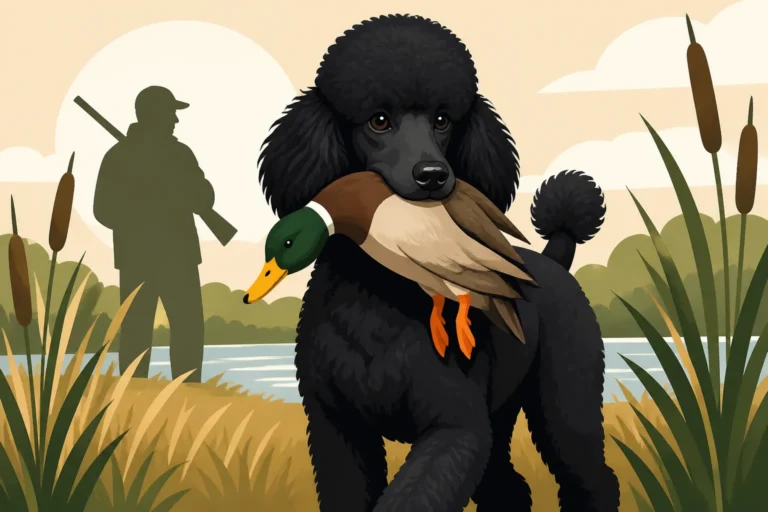
These aren't just pretty faces, folks. Standard Poodles were originally water retrievers, bred for rigorous work, which means they possess incredible stamina, agility, and a deep-seated love for movement. They absolutely adore a good chase, a game of fetch that goes on and on, or even navigating an agility course with graceful leaps. Their physical prowess is undeniable; they can outrun many dogs and pivot on a dime. Poodle Energy by Size often surprises new owners with how much vigor these dogs possess.
However, beneath that curly, athletic exterior lies a profoundly intelligent and often exquisitely sensitive soul. This isn't a breed that shrugs off harsh corrections or thrives on relentless, heavy-handed wrestling. While they can certainly enjoy a spirited romp, their sensitivity means they are keenly attuned to social cues and can become quickly overwhelmed or shut down by play that feels too rough, too intense, or too one-sided. Imagine a ballet dancer trying to participate in a rugby scrum – that's often how a sensitive Poodle might feel if play partners aren't equally refined in their approach. They want a partner who can match their energy but also respect their boundaries, offering a playful nip that doesn't bruise, or a chase that ends in a mutual pause, not an aggressive tackle.
The Nuances of Poodle Communication
A Standard Poodle's communication is a masterclass in subtlety. They won't always bark or growl overtly the moment they're uncomfortable; instead, they might offer a series of quieter signals that are easy to miss if you're not paying close attention. A slight turn of the head, a quick lip lick, a brief freeze in their movement, or even just turning their back can be a Poodle's way of saying, 'Please, that's enough.' If these subtle warnings are ignored, they might escalate to an 'air snap' – a quick, non-contact snap of the jaws – or a low, rumbling growl, before resorting to more assertive measures. Remember, their Poodle Temperament and Sensitivity means they can be easily upset.
What's fascinating about Poodles is their intelligence allows them to understand complex social dynamics, but their sensitivity means they can become stressed if they feel their signals are consistently misinterpreted or disregarded. They thrive on reciprocal play, a 'give and take' where both dogs initiate, chase, and allow themselves to be chased, and where breaks happen naturally. They're not looking for a perpetual wrestling match; they want interaction that involves wit, speed, and shared enjoyment, not just one dog dominating the other. This is why really honing your ability to understand Reading a Poodle's Body Language is so paramount for any Poodle owner, especially when they're engaging with other, potentially less nuanced, breeds.
Assessing the Other Large Breed's Play Style
It's not just about understanding your Poodle; it's equally important to accurately assess the play style of the other large breed involved. Every dog, regardless of size, brings their own personality and genetic predispositions to playtime.
Identifying the Play Personality
Every dog is an individual, of course, but breed tendencies do offer clues. Think about the archetypes: a bouncy Labrador might love an endless game of fetch or a good splash in water, while a Rottweiler might prefer more grounded, physical wrestling and leaning. A majestic Great Dane, despite its colossal size, might be surprisingly gentle and reserved in play, whereas a high-energy Border Collie might be constantly trying to 'herd' and control the play dynamics.
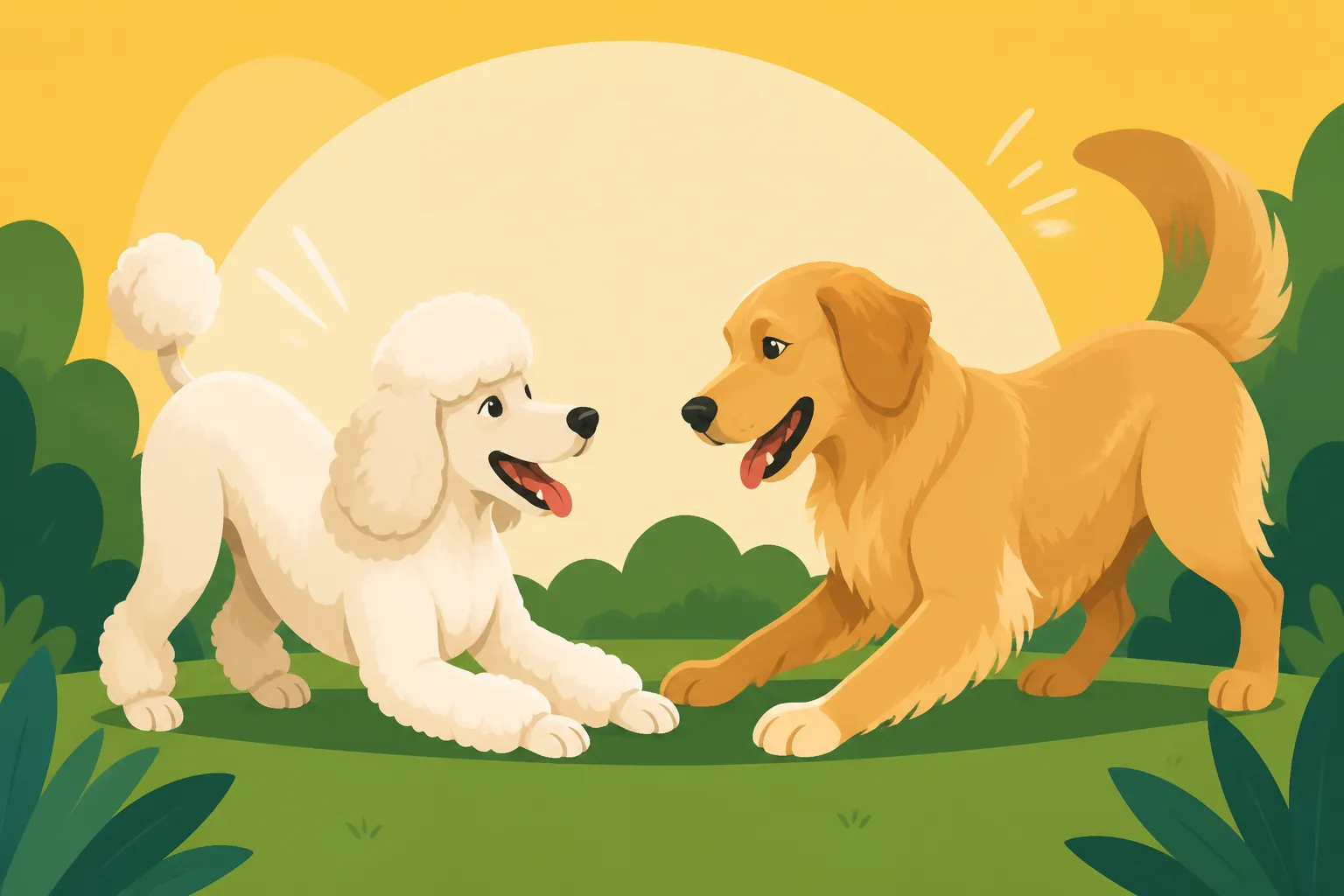
When your Poodle meets another large breed, observe critically. Does the other dog initiate play with a clear 'play bow' and loose, wiggly body language? Or does it approach with a stiff posture, a direct stare, or an immediate lunge? A good playmate will engage, disengage, and re-engage, demonstrating a flexible play style. They'll respond to your Poodle's subtle cues and not push past clear signals of discomfort. If the other dog shows relentless pursuit, attempts to pin the Poodle down for extended periods, or ignores obvious attempts by your Poodle to create distance, it's a strong indication that this pairing might not be a happy or safe one. You're looking for mutual respect and a willingness to adapt, not a canine bully. Early Socializing a Poodle Before It Turns Wary can help your Poodle develop confidence in assessing other dogs.
Size and Energy Mismatch, Even Among Large Breeds
The term 'large breed' covers a huge spectrum, and the nuances within that category are vital. A 55-pound female Standard Poodle, sleek and agile, will experience play very differently with a dense, 90-pound Mastiff, who might have a much heavier build and a more robust play style, compared to a similarly sized but perhaps less robust Labrador. It's not just about weight, but body density, bone structure, and sheer physical presence.
Beyond the physical, there's the energy match. Your Standard Poodle likely has significant energy reserves – enough for a long hike or an extended run. Their The Poodle's Retrieving Instinct means they often love chase games. Do they want a playmate who can keep up with their bursts of speed and agility, or one who prefers a more languid, wrestling-based game? A Poodle might find a constantly 'in your face' wrestler overwhelming, just as a slower, heavier breed might find a Poodle's endless circling and chasing frustrating. Mismatched energy levels can lead to one dog getting over-stimulated and the other becoming stressed or bored. You need to consider if their preferred paces align or if one dog is constantly trying to dominate or escape. If your Poodle is consistently bored or stressed after interactions, it might lead to behaviors discussed in What an Unexercised Poodle Does to the House.
Strategies for Safe and Enjoyable Play
Setting up successful playdates between your Standard Poodle and other large breeds involves more than just letting them loose together. It requires careful planning, active supervision, and clear boundaries.
Creating a Controlled Environment
A safe play environment isn't just a suggestion; it's a non-negotiable foundation for successful inter-dog play, particularly when different play styles meet. The ideal scenario is a large, securely fenced area – think a spacious backyard, a private dog park rental, or a friend's well-contained property. This ample space allows both dogs to perform 'zoomies,' engage in chase games, and, crucially, to create distance from each other if one feels overwhelmed. Avoid small, confined spaces like living rooms or narrow hallways, as these can quickly lead to feelings of being trapped or cornered, especially for a sensitive Poodle who values personal space.
Before play begins, thoroughly inspect the area for any potential hazards: sharp garden tools, toxic plants, gaps in fencing, or anything that could cause injury or allow for an escape. For initial introductions or if you're supervising a new play partnership, consider having a long line (you can find durable options on Amazon, which also has a great selection of durable chew toys for solo breaks) attached to one or both dogs. This allows you to gently intervene or guide them without physically grabbing them, giving you a safety net. And let's be blunt: active supervision means being fully present, not scrolling on your phone. You are the ultimate safeguard, and your attention is their protection.
Active Supervision and Intervention
Supervision means more than just being in the same yard; it means being an astute observer of every wag, every ear twitch, every subtle shift in posture. Your Poodle's body language is your primary indicator. Are their ears relaxed, or are they pinned back? Is their tail wagging freely, or is it stiff and low? Are they making direct eye contact with the other dog, or are they frequently breaking eye contact and looking to you? Signs like lip licking, yawning (out of context), blinking rapidly, turning their head away, freezing, or attempting to get behind you are all clear indicators that your Poodle is uncomfortable and needs a break.
If you notice the play escalating to a point where one dog is no longer enjoying it, or if it becomes overly physical and unbalanced – for example, one dog constantly pinning the other without release, or one dog doing all the chasing – it's your cue to step in. A calm, clear verbal interrupter like 'Enough!' or 'Break!' followed by physically separating the dogs for a short 'time-out' can work wonders. This isn't punishment; it's teaching them that play has boundaries and breaks. A good break might involve a short leashed walk around the perimeter of the yard for each dog individually, or even a brief return indoors to grab a drink of water and cool down. Resetting their emotional state is key. If your Poodle tends to get wound up easily, incorporating short training drills during play breaks can help them transition from high arousal to a more focused, calmer state. This also helps with Training a Poodle That Outthinks You to channel that intelligence.
Teaching Play Etiquette and Boundaries
You are the orchestrator of good manners in your dog's social life. It's critical to teach both dogs, and especially reinforce with your Poodle, that disengagement is always an option and a welcome part of polite play. Actively reward moments when dogs voluntarily take a break, offer a play bow that's reciprocated, or respond positively to your interventions. If you identify a consistent behavior from the other large breed that your Poodle finds overwhelming – perhaps a tendency to jump excessively or to initiate play with too much force – you must manage these interactions. This could involve interrupting the behavior immediately with a 'No reward' marker and redirection, or even limiting future play with that particular dog if the behavior persists despite your efforts.
For example, if the other dog tends to be a relentless chaser, practice calling your Poodle away for a reward frequently, strengthening their Building Reliable Recall in a Standard Poodle and giving them an 'out.' Positive reinforcement techniques are invaluable here. Resources from reputable trainers, such as those found on BAXTER & Bella's online platform, can provide structured programs to teach impulse control, proper greetings, and how to read and respond to dog body language, all of which contribute to safer, more enjoyable play. Consistency is your friend in shaping these positive play habits.
When to Step In or Seek Professional Help
Knowing when to simply manage play and when to completely halt it, or even seek expert advice, is crucial for your Poodle's well-being and safety.
Recognizing Unsafe Play
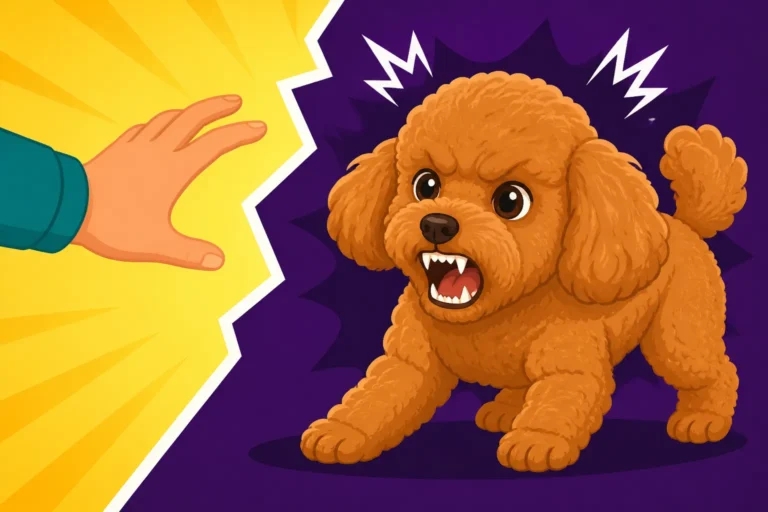
The line between boisterous, healthy play and potentially dangerous, aggressive interaction can be fine, but there are distinct indicators. True aggression is not just roughhousing; it involves clear intent to harm or dominate. Look for a stiff, rigid body posture, a tail tucked tight or held high and stiff (not wagging loosely), sustained direct eye contact with a hard stare, or raised hackles that remain upright throughout the interaction, not just during an exciting chase. Vocalizations can also be key: a playful growl is often accompanied by loose body language and an open, 'smiling' mouth, whereas an aggressive snarl will reveal teeth, be accompanied by a wrinkled muzzle, and sound much lower and more menacing.
Unreciprocated pinning – where one dog is held down by the neck or body for an extended period without a clear release cue from the other – is a major red flag. Similarly, if one dog is constantly trying to escape or hide, and the other is relentlessly pursuing them, that's not play. Any injury, no matter how minor – a scratch, a small puncture, or even just persistent yelping that sounds like genuine distress – means the interaction has crossed a boundary. Trust your gut. If you feel a knot in your stomach, or find yourself holding your breath, chances are the play is no longer safe or enjoyable for at least one of the dogs. This is where understanding Telling Poodle Fear From Poodle Refusal becomes critical, as a Poodle’s fear might manifest in subtle ways before escalating.
The Importance of Breaks and De-escalation
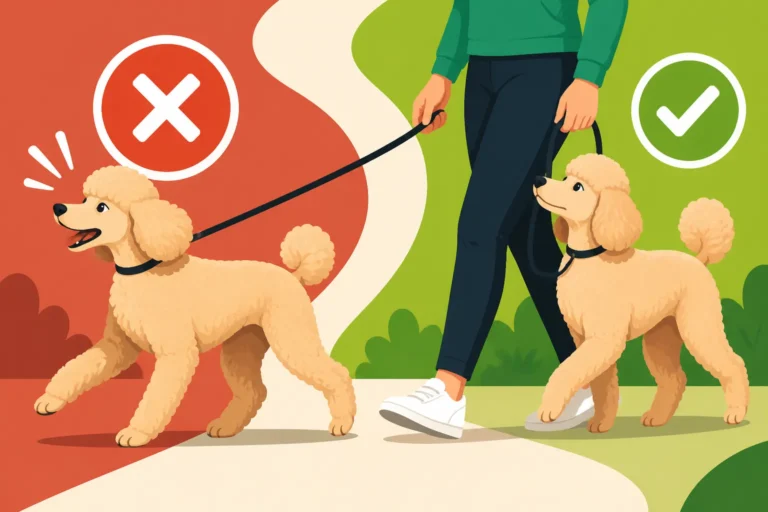
Even the best-intentioned play can sometimes get out of hand, especially with high-energy breeds. Over-arousal is a common precursor to squabbles or fights. If you notice the dogs are becoming overly frenetic, panting excessively (more than typical for exercise), ignoring your cues, or if the intensity of their play is steadily increasing without natural breaks, it’s time for you to initiate one. Don't wait for a negative interaction. A proactive break can prevent a problem. Gently call the dogs apart – having a strong Leash Manners for a Standard Poodle foundation is invaluable here – and lead them to separate, calming activities.
This might involve a short leashed walk, a few minutes alone in a crate with a chew toy, or simply giving them water in different parts of the yard. The goal is to lower their arousal levels before resuming play, or, if they're too revved up, to end the play session for the day. Teaching dogs that play can be paused and resumed on command helps them learn self-regulation, which is a vital life skill for any social dog. Without these structured breaks, play can spiral into a chaotic, potentially dangerous situation where dogs lose their ability to communicate effectively and resort to less desirable behaviors.
When Professional Guidance is Needed
There are times when even the most diligent owner needs an expert eye. If you consistently observe problematic play patterns, or if your Poodle exhibits clear signs of stress, anxiety, or even fear during or after interactions with certain large breeds – perhaps they start avoiding play altogether, become reactive on leash after a bad experience, or show signs of withdrawal – it's time to seek professional help. A certified professional dog trainer (CPDT-KA) or a veterinary behaviorist (DACVB) can provide invaluable insights. They can watch your dogs interact, interpret their nuanced body language, and help you understand the dynamics you might be missing. They can also provide a tailored behavior modification plan. For example, if one dog consistently engages in resource guarding of toys during play, a professional can guide you on safe counter-conditioning techniques. Don't fall into the trap of thinking you can 'fix' everything yourself, especially when safety is concerned. Early intervention by a knowledgeable professional can prevent minor issues from escalating into serious behavioral problems, saving both you and your Poodle a lot of stress and potential injury. Always look for trainers who use force-free, positive reinforcement methods, as a sensitive Poodle will absolutely shut down if corrected harshly, as discussed in Finding a Trainer Who Uses No Force on a Poodle. Sometimes, a deep dive into When a Poodle's Growl Needs a Behaviorist is warranted.
Here's a quick reference for distinguishing healthy from unhealthy play:
| Play Behavior | Healthy Play (Green Flags) | Unhealthy Play (Red Flags) |
|---|---|---|
| Body Language | Loose, bouncy movements; play bows; relaxed mouths; wagging tails (loose) | Stiff body; tucked tail; direct hard stares; raised hackles (persistent) |
| Vocalizations | Playful growls; happy barks; minimal yelps | Fearful yelps; aggressive growls; continuous, loud barking |
| Engagement | Reciprocal chasing; equal turns in wrestling; breaks taken voluntarily | One dog consistently chasing/pinning; difficulty disengaging; relentless pursuit |
| Responses to Cues | Responds to "break" or recall cues; disengages when signaled | Ignores commands; fixated on other dog; escalating intensity |
| Post-Play Mood | Relaxed, happy, tired | Stressed, anxious, withdrawn, or overly agitated |
Disclaimer
This article is for general informational purposes only and does not constitute professional advice. Laws, prices and regulations vary by location and change over time. Consult a qualified professional for guidance on your specific situation.