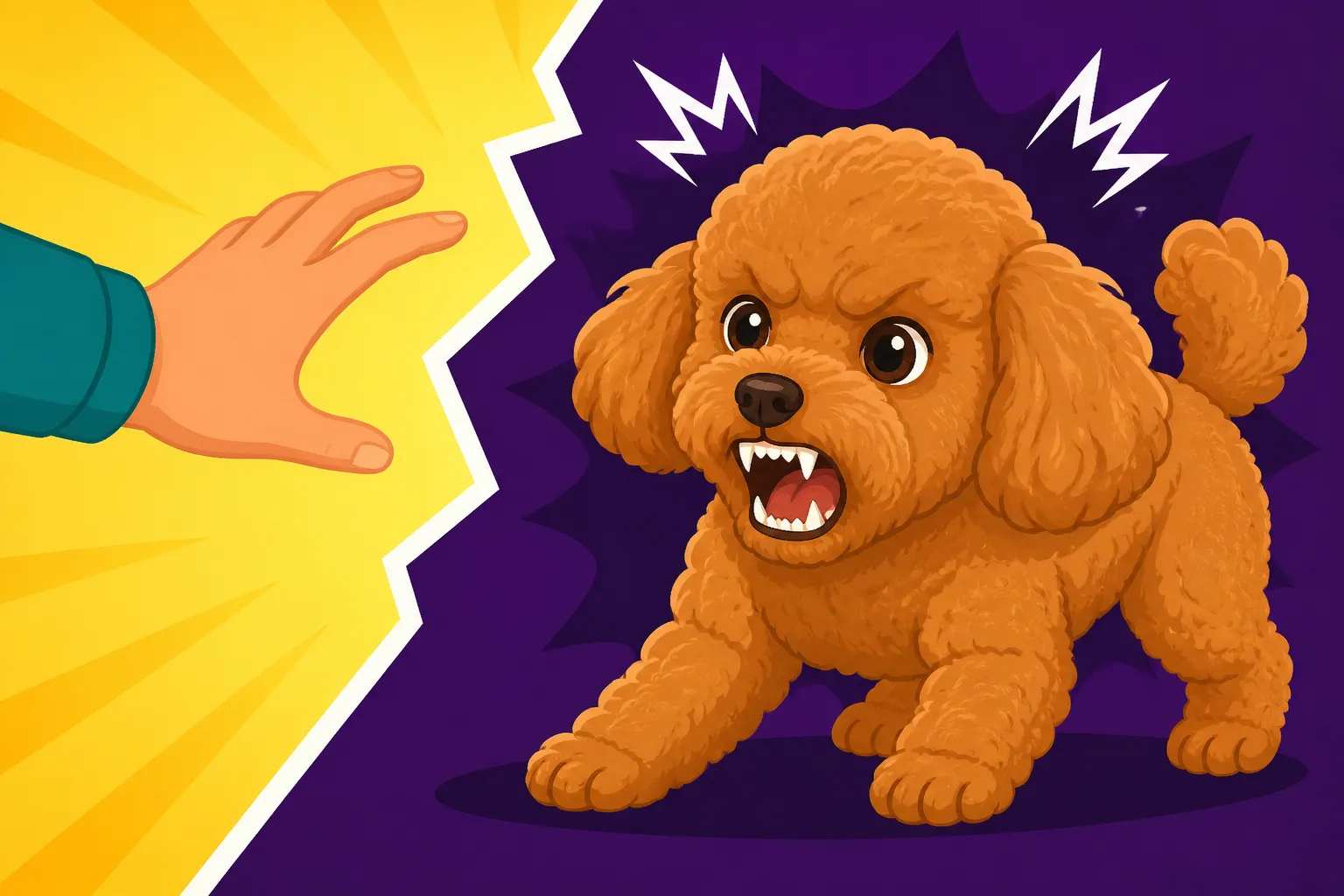
Why a Toy Poodle Snaps When Startled
It can be incredibly disheartening, and frankly, a little alarming, when your sweet Toy Poodle suddenly snaps at you or someone else, seemingly out of nowhere. Many owners feel confused or even guilty, wondering if their beloved companion is becoming aggressive, when often, these reactions stem from a place of fear, vulnerability, or even discomfort. This guide is here to unravel the common reasons why a Toy Poodle might snap when startled, and more importantly, to equip you with actionable strategies to understand, prevent, and manage this behavior, fostering a calmer, more confident relationship with your pint-sized friend.
Understanding the Toy Poodle's Delicate Nature and Small Size
It's easy to forget that while a Toy Poodle might act like a big dog trapped in a tiny body, their physical reality is quite different. Their small stature, while endearing, often means they perceive the world around them as a much larger, potentially more threatening place. This inherent vulnerability plays a huge role in how they react to unexpected stimuli.
The Startle Reflex in a Tiny Package
Imagine living in a world where everything towers over you, and sudden movements or loud noises feel amplified to an alarming degree. That's often the reality for a Toy Poodle. Their tiny bodies offer less physical presence and perceived defense, which can make their natural startle reflex much more pronounced. When a larger dog might flinch or simply back away, a Toy Poodle's instinct might be to react more sharply, employing the only defense mechanism readily available to them: a quick snap. This isn't aggression for aggression's sake; it's a deeply ingrained self-preservation response.
Think about a common household scenario: you're walking across the living room, and your Toy Poodle is napping peacefully on their bed, tucked away. Suddenly, you trip, or a book falls from a shelf with a loud thump. A Standard Poodle might lift its head, perhaps even bark once. But for a Toy Poodle, that sudden noise or vibration could feel like a literal earthquake, triggering an immediate, sharp response before their brain even fully processes what happened. They don't have the size to stand their ground or the time to plan an escape, so the snap becomes their immediate, albeit fleeting, shield.
Sensory Overload and Fear Response
Toy Poodles, like all poodles, are renowned for their intelligence and sensitivity. This heightened awareness can, at times, be a double-edged sword. While it makes them incredibly attuned to their owners and eager to learn, it also means they can be more susceptible to sensory overload. A busy, noisy household, a crowded park, or even an overly boisterous greeting from a well-meaning stranger can quickly push them past their comfort threshold. When overwhelmed, their fear response kicks in, and sometimes, that manifests as a defensive snap.
Consider a situation where a child, full of innocent enthusiasm, approaches a resting Toy Poodle with wide, excited eyes and reaches out quickly. The child's movement, combined with their close proximity, can be perceived as an impending threat by the dog. The Toy Poodle hasn't had time to process the intent; they've only registered the sudden, imposing presence. Their sensitive nature means they might interpret this as an invasion of their personal space, and rather than run, especially if they feel cornered or caught off guard, a quick snap communicates "stop" in the most immediate way they know how. It’s a desperate attempt to create distance and assert control in a moment where they feel they have none. Learning to read their subtle Reading a Poodle's Body Language is crucial to prevent these situations.
Common Triggers for Startle Snapping in Toy Poodles
Identifying the specific situations that lead to a startle snap is the first step toward preventing them. It’s not always obvious, as what might seem innocuous to us can be genuinely frightening to a tiny dog. Many common triggers are related to touch, sudden environmental changes, or even underlying physical issues.
Unexpected Touch and Handling
This is arguably one of the most frequent culprits behind a Toy Poodle's defensive snap. Because of their size, people often feel inclined to pick them up, pat them, or cuddle them without much preamble. While this is often done with love, it can be deeply unsettling for a small dog who wasn't expecting it. A hand reaching down from above, a sudden lift, or an unexpected poke can make them feel vulnerable and trapped.
Imagine your Toy Poodle is snoozing soundly on the sofa next to you, perfectly content. Suddenly, a friend, without thinking, reaches over and gives their hindquarters an affectionate pat. From the Poodle's perspective, this was a sudden, unannounced invasion of their personal space by a giant hand. Their immediate, instinctual reaction isn't to analyze intent; it's to defend. A snap, a growl, or a quick nip is their way of saying, "Hey, that startled me! Give me a warning next time!" It's crucial to teach everyone in the household, especially children, how to approach and Teaching Children to Handle a Toy Poodle gently and predictably. Even during routine grooming, teaching your Poodle to accept touch is vital.
Sudden Noises and Movements
The world is a loud place, and for a small dog with excellent hearing, common household noises can be startling. A dropped utensil in the kitchen, a loud television commercial, a car backfiring outside, or even someone quickly standing up from a chair can trigger a rapid, defensive reaction. These abrupt sounds and movements can be genuinely frightening, leading to a reflexive snap.
Think about the sound of a vacuum cleaner firing up unexpectedly, or a pot clattering to the floor. For us, it's an annoyance; for a Toy Poodle, it can be a terrifying, sudden assault on their senses. They might jump, yelp, or, if someone is too close when the sound occurs, lash out as a defense mechanism. It's not that they're "aggressive" toward the sound itself, but the unexpected jolt can make them instantly reactive to anything or anyone in their immediate vicinity. A Poodle's sensitive nature often means they can also be prone to stress or Sound Work for a Noise-Sensitive Poodle which can exacerbate these reactions.
Underlying Pain or Discomfort
Perhaps the most overlooked reason for sudden snapping is pain. A dog that is hurting, whether from an acute injury or a chronic condition, is far more likely to react defensively when startled or touched. What might normally be a mild startle becomes an unbearable invasion when every joint aches, or a tooth is throbbing. Because Toy Poodles are so small, they can suffer from various conditions that might not be immediately obvious, such as issues with Toy Poodle Kneecaps and Windpipes or other skeletal discomforts.
Consider an older Toy Poodle who has developed arthritis or a younger one with a painful dental issue. If you accidentally bump into them, or if a child inadvertently steps on their paw, their immediate reaction might be a quick snap, not because they mean to be aggressive, but because the sudden pain is overwhelming. They might even snap if touched in an area that isn't visibly injured but is causing discomfort, such as an ear infection that's brewing. Ear Infections Under a Poodle's Drop Ears can be notoriously painful due to the hair and moisture retention. If your Toy Poodle has suddenly started snapping when startled, especially if it's a new behavior, a visit to the veterinarian is always the first and most crucial step to rule out any medical causes.
| Trigger Type | Common Scenario | Poodle's Perspective | Recommended Action |
|---|---|---|---|
| Unexpected Touch | Child grabs from behind, adult reaches quickly | Startled, feels trapped, needs to defend personal space | Teach "gentle hands" and always give a verbal warning before touching. Create a safe retreat space. |
| Sudden Noise | Dropped item, loud bang, vacuum starts | Loud, overwhelming, feels like a threat | Desensitize to common household sounds gradually. Provide a secure den for retreat. |
| Sudden Movement | Person stands quickly, fast approaching figure | Perceived as a charge, no time to escape | Approach slowly, announce presence, avoid fast movements around resting Poodle. |
| Underlying Pain | Accidental bump on sore area, being picked up | Pain amplified, defense mechanism to stop discomfort | Vet check for medical issues first. Gentle handling, avoid painful areas. |
| Sensory Overload | Busy party, crowded environment, multiple inputs | Overwhelmed, anxious, can't process information | Provide quiet escape, limit exposure to high-stress situations, teach "go to place" cue. |
Strategies to Prevent Startle Snapping and Build Confidence
The good news is that much can be done to help a Toy Poodle overcome their tendency to snap when startled. It requires patience, consistency, and a deep understanding of their unique needs. The goal isn't to "punish" them out of snapping, but to build their confidence and teach them more appropriate ways to communicate discomfort.
Creating a Safe and Predictable Environment
A stable, predictable environment is paramount for any dog, but especially for a sensitive Toy Poodle. Knowing what to expect and having a designated safe space can dramatically reduce their overall anxiety and, consequently, their startle reflex. Establish routines for feeding, walks, and playtime. This consistency helps them feel secure in their daily life.
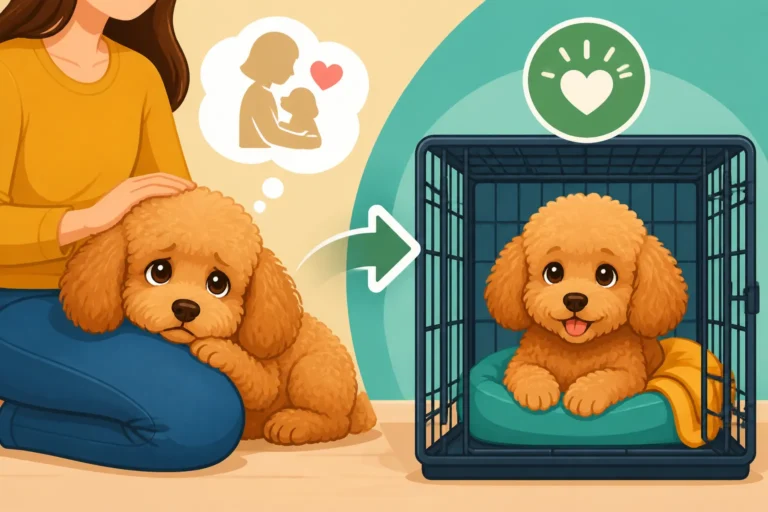
Designate a "safe zone" or "den" for your Poodle where they can retreat and not be disturbed. This could be a crate covered with a blanket, a cozy bed in a quiet corner, or even a specific dog bed that everyone in the household respects as their private space. Teach children and guests that when the Poodle is in their safe zone, they are not to be approached or touched. This gives your dog agency and control over their interactions, which is vital for building trust. Utilizing a sturdy, appropriately sized crate can be incredibly beneficial for this, as discussed in Crate Training a Poodle That Wants Company. Having this personal sanctuary can often prevent an overwhelmed Poodle from feeling cornered and resorting to a snap.
Positive Reinforcement and Desensitization
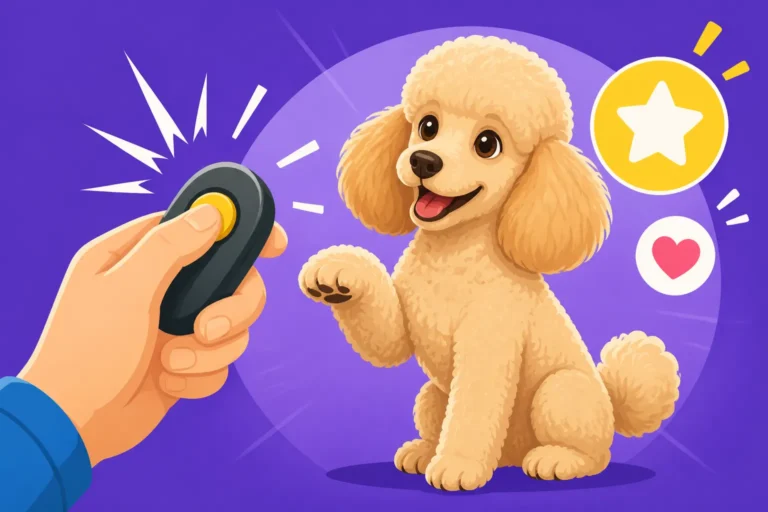
Positive reinforcement is the cornerstone of effective training for sensitive breeds like Poodles. Instead of scolding a snap, which only increases fear and diminishes trust – and could lead to your Poodle suppressing a warning growl, going straight to a bite – focus on rewarding calm behavior and gradually desensitizing them to potential triggers. Use high-value treats that your Toy Poodle absolutely adores. Treats Small Enough for a Toy Poodle are perfect for frequent rewards without overfeeding.
Start by identifying a mild version of a trigger. For example, if your Poodle snaps when touched unexpectedly, begin by gently touching them in a non-sensitive area (like their shoulder) while saying a calm, verbal cue like "touch." Immediately follow with a treat and praise. Repeat this many times, gradually increasing the duration and variety of gentle touches, always pairing it with a positive word and a reward. Slowly, you can work your way up to touching slightly more sensitive areas or introducing very soft, quiet sounds while they are distracted with a treat. The key is gradual exposure, ensuring they never feel overwhelmed, and always ending on a positive note. This process helps them associate potentially startling stimuli with good things, rather than fear.
Training for Calmness and Predictable Interactions
Consistent training, even beyond basic obedience, is invaluable for a Toy Poodle prone to startling. Teaching specific cues that promote calm and predictability can go a long way in managing their reactions. For example, a "settle" cue can encourage them to relax in their designated space, while a "touch" or "gentle" cue can pre-empt an unexpected interaction.
Online training platforms can be incredibly helpful resources here. For instance, BAXTER & Bella offers comprehensive online puppy and dog training programs that emphasize positive reinforcement and confidence-building. Their step-by-step guidance can help owners navigate tricky behaviors like startle reactions by providing a structured approach to desensitization and teaching alternative behaviors. You can also find a vast array of enrichment toys on Amazon, such as puzzle feeders, which can help redirect nervous energy and provide mental stimulation, contributing to overall calmness. Remember, a mentally stimulated Poodle is often a less anxious Poodle. Investing time in their training early on, as highlighted in Socializing a Poodle Before It Turns Wary, is crucial for building a resilient, well-adjusted companion.
When to Seek Professional Help
While many cases of startle snapping can be managed at home with patience and consistent positive reinforcement, there are times when professional intervention is not just helpful, but necessary. Recognizing when to call in the experts can prevent the behavior from escalating and ensure your Toy Poodle receives the most appropriate support.
Recognizing Escalating Behavior
If your Toy Poodle's snapping is becoming more frequent, more intense, or progressing from a quick "air snap" to actually making contact, it's a clear sign that the behavior is escalating beyond what you can comfortably manage alone. This is particularly true if the snapping is starting to generalize – meaning it's happening in new situations or toward different people or animals, not just when truly startled.
Another red flag is if your Poodle begins to guard resources more aggressively, or if they are showing other signs of fear-based aggression, such as lunging, growling that doesn't resolve, or showing intense body stiffness. While a growl is a warning, if it’s consistently ignored and followed by a snap, the dog is learning their warnings aren’t enough. If you find yourself constantly walking on eggshells around your Poodle, or if you're worried about accidental bites, it's definitely time to seek professional guidance. Suppressing these natural warning signs, as discussed in When a Poodle's Growl Needs a Behaviorist, can be detrimental in the long run.
Consulting a Vet for Medical Causes
As mentioned earlier, pain and discomfort are major drivers of sudden behavioral changes, including snapping. Before you even consider behavioral modification, a thorough veterinary check-up is absolutely essential. Your vet can rule out underlying medical conditions that might be causing your Poodle pain, discomfort, or even neurological issues that could affect their reactions.
A full physical examination, blood work, and possibly even imaging (like X-rays for potential joint issues) can uncover problems you might not even realize exist. Conditions such as dental disease, ear infections, orthopedic issues, or even more complex ailments like Poodle Addison's Mistaken for Sulking (though less common for sudden snapping, chronic illness can increase irritability) can make a dog more reactive. Addressing any medical problems first might completely resolve the snapping behavior, or at least significantly reduce it, making subsequent behavioral training much more effective. Never assume it's "just bad behavior" without a vet's clearance.
Working with a Certified Professional Dog Trainer or Behaviorist
If medical issues have been ruled out, or if the snapping persists despite your best efforts at home, consulting a certified professional dog trainer or a veterinary behaviorist is the next crucial step. These professionals have the expertise to assess your Poodle's individual situation, identify specific triggers and motivations behind the snapping, and develop a tailored behavior modification plan.
Look for trainers who use positive reinforcement methods exclusively and have experience with fear-based reactivity or small dog behavior. A qualified professional can teach you advanced techniques for desensitization, counter-conditioning, and management strategies. They can also help you understand your Poodle's body language more deeply, enabling you to recognize subtle signs of stress before a snap occurs. For severe cases, a veterinary behaviorist can even prescribe medication to help manage anxiety while you implement behavioral changes, providing a comprehensive approach to Rebuilding Trust With a Frightened Poodle and helping them become a confident, happy companion.
Disclaimer
This article is for general informational purposes only and does not constitute professional advice. Laws, prices and regulations vary by location and change over time. Consult a qualified professional for guidance on your specific situation.