Straightening a Poodle Coat for Clipping
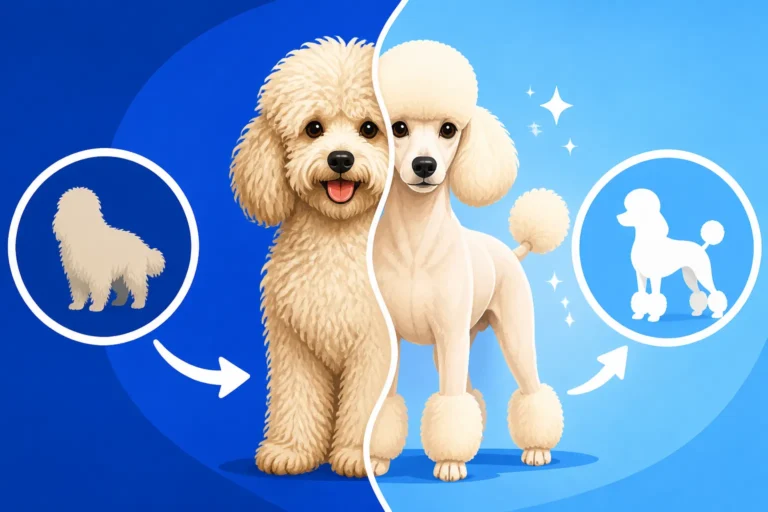
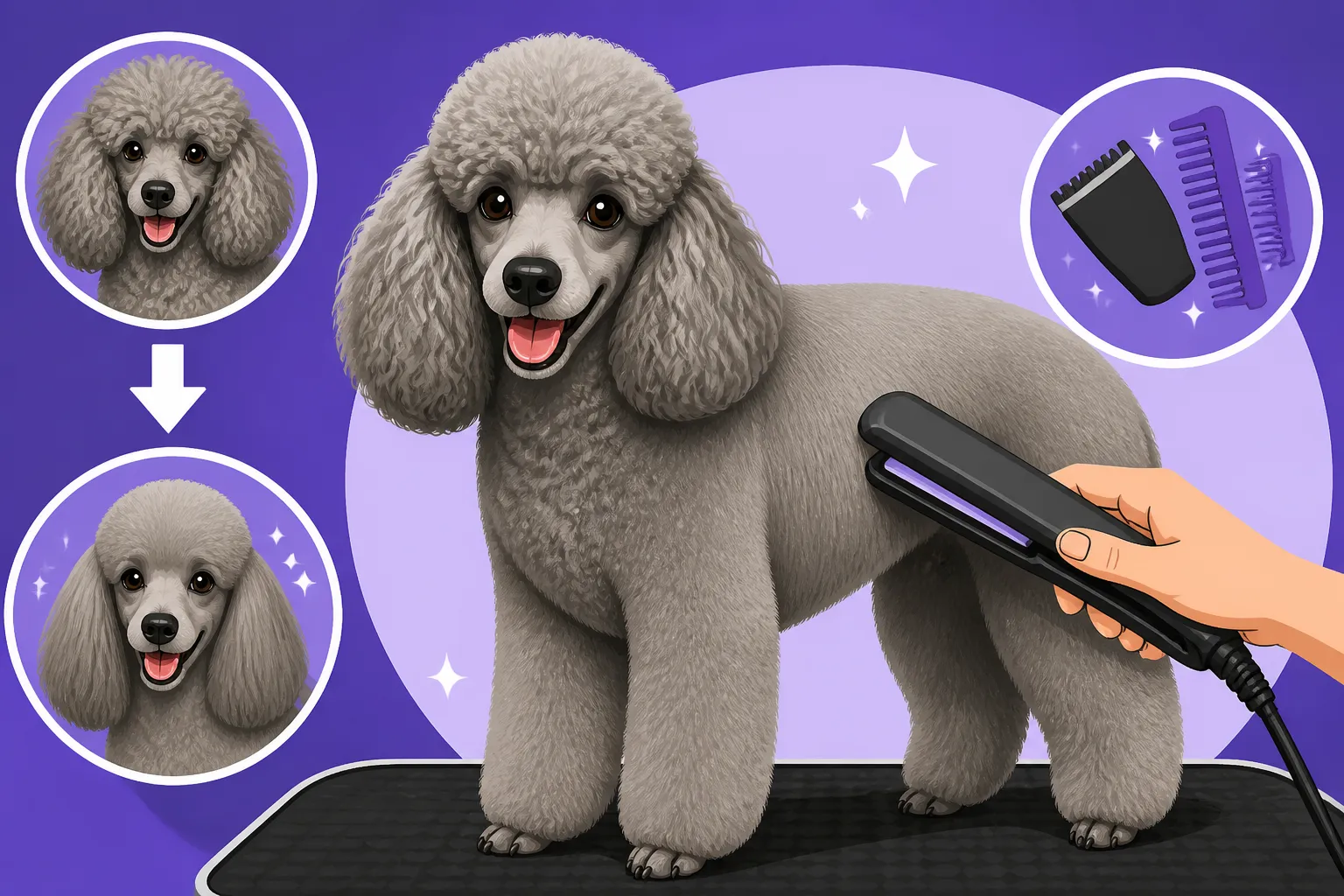
One of the most common frustrations Poodle owners face when trying to clip their beloved dogs at home, or even when preparing for a professional groomer, is getting that beautiful, curly coat perfectly straight. Without a straight coat, your clippers can snag, leave unsightly tracks, and result in an uneven, choppy finish that's far from the pristine look you envision. This guide will walk you through the essential steps and techniques to achieve a silky, straight Poodle coat, making clipping a much smoother and more satisfying experience for both you and your furry companion.
Why a Straight Coat Is Non-Negotiable for a Clean Clip
You might wonder why all this fuss about a perfectly straight coat before clipping. After all, it's just hair, right? Well, with a Poodle's unique, continuously growing hair, it's a whole different ballgame compared to a dog with a shedding undercoat. Trying to clip a coat that isn't completely straight is like trying to cut a perfectly straight line on a piece of crinkled paper – it's going to look messy, no matter how sharp your scissors or clippers are.
Avoiding Clipper Tracks and Uneven Lengths
Imagine running clippers over a coat where the curls are still bunched up. The blades can't possibly cut every hair at the same length. What happens is that some hairs are compressed and cut short, while others slip past the blade entirely, resulting in those frustrating "clipper tracks" – lines or uneven patches that stick out like a sore thumb. A truly straight coat ensures that each hair stands independently and uniformly, allowing the clipper blade to glide smoothly and cut every strand at the intended length. This is crucial for any clip, from a simple The Sporting Poodle Clip for a Busy House to something more intricate.
Even if you're aiming for a longer, fluffier look, a straight coat provides a consistent foundation. Think of it like building a house: you need a level base for everything else to stand true. Without it, you'll find yourself going over the same areas repeatedly, trying to "fix" the unevenness, which often leads to cutting even shorter than you planned and adding unnecessary stress for your Poodle.
Preventing Snags and Discomfort for Your Poodle
Beyond aesthetics, a straight coat is a matter of comfort for your Poodle. When hair isn't straight, it often means it's matted or tangled, even if subtly. Running clippers through even minor tangles can pull at the skin, causing pain and creating a negative association with grooming. A Poodle's sensitive skin can easily become irritated, leading to clipper burn or a reluctance to cooperate next time. Getting a Poodle Puppy Used to Being Handled from a young age is vital, but so is making the experience pleasant.
Furthermore, clipper blades heat up with friction, and a snagging, resistant coat can cause them to overheat faster. Hot blades can burn your Poodle's skin, making the whole experience traumatic. A properly prepared, straight coat allows the clippers to glide through efficiently, reducing friction, keeping blades cooler, and ensuring a much more pleasant, quicker grooming session for your Poodle. It's about respecting their comfort and making grooming a routine rather than a dreaded event.
The Art of Bathing for a Straight Poodle Coat
The journey to a perfectly straight Poodle coat begins not with the clippers, but in the tub. The bathing process is foundational; it’s where you truly cleanse and prepare the hair for straightening. Skipping steps here or rushing through it will undermine all your efforts later on. Remember, a clean slate is key.
Choosing the Right Shampoo and Conditioner
Not all shampoos and conditioners are created equal for a Poodle's unique coat. You need products specifically designed to cleanse thoroughly without stripping natural oils, and most importantly, to help relax and smooth the hair shaft. Look for shampoos that are clarifying but gentle, or those formulated for curly or long-haired breeds, as these often contain ingredients that aid in detangling and softening. Avoid harsh, detergent-heavy products that can dry out the coat and make it brittle or prone to static.
After shampooing, a rich, moisturizing conditioner is absolutely essential. This isn't just about making the coat feel soft; it's about weighing down the hair shaft slightly and smoothing the cuticle. When the cuticle is smooth, the hair reflects light better and lies straighter. Leave the conditioner on for the recommended time, or even a little longer if your Poodle's coat is particularly thick or prone to matting. Work it through every strand, making sure to focus on areas like the legs, ears, and tail where hair can be denser and more prone to tangles. This is also where you might be doing some Detangling Spray for a Matted Poodle if you notice any spots. You can find excellent options for Poodle-specific shampoos and conditioners on reputable pet supply sites like Chewy.
Thorough Rinsing and Initial Detangling
This step is critical and often overlooked. Any residue left in the coat from shampoo or conditioner will make the hair feel sticky, heavy, and impossible to straighten properly. It can also irritate your Poodle's skin and dull the coat over time. Rinse, rinse, and then rinse again! Use lukewarm water and ensure you get under the legs, on the belly, and behind the ears. Squeeze the water gently from the coat as you rinse to help dislodge any remaining product. You want the water running off your Poodle to be completely clear and suds-free.
While the conditioner is still in the coat, or immediately after a thorough rinse, gently start the detangling process. Use a wide-toothed comb or a slicker brush designed for Poodles. Work in small sections, starting from the ends and moving towards the skin. The conditioner helps the comb glide through, making this much easier and less painful for your Poodle. If you encounter a knot, don't yank! Apply a little more conditioner or a detangling spray and gently work it out with your fingers first, then the comb. Getting rid of all tangles now is paramount for successful drying and clipping later. This initial detangling is a crucial part of Brushing a Poodle to the Skin.
Mastering the Drying Process for Perfect Straightness
Once your Poodle is thoroughly bathed and rinsed, the drying process becomes the single most important step in achieving a perfectly straight coat for clipping. This is where the magic truly happens, transforming those beautiful Poodle curls into sleek, manageable strands. Don't underestimate the power of proper technique and the right tools here.
The Power of the High-Velocity Dryer
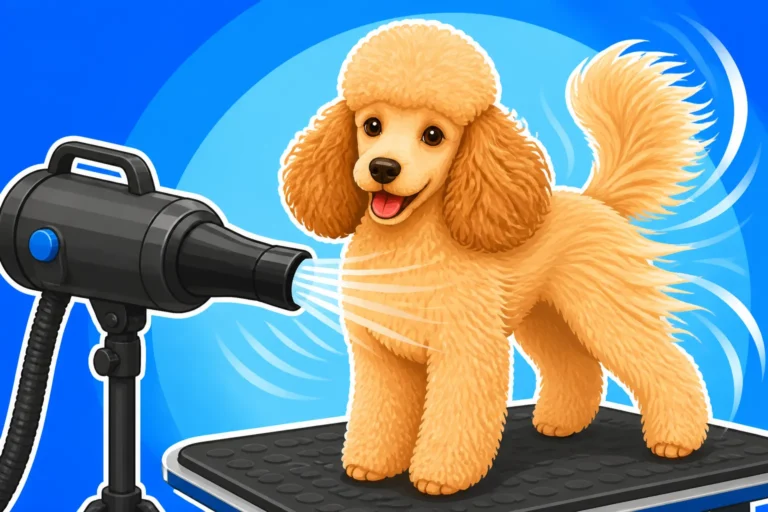
If you don't already own one, a high-velocity dryer is an absolute game-changer for Poodle grooming. Forget your human hairdryer; it simply won't cut through the dense Poodle coat effectively, and the heat can be damaging. A high-velocity dryer, sometimes called a force dryer, uses powerful airflow, not extreme heat, to literally blast water out of the coat. This process not only dries much faster but also helps to straighten the hair as it's being dried. For first-time users, these can be a little intimidating, but the results are unparalleled.
Start by towel-drying your Poodle as much as possible to remove excess water. Then, direct the stream of air from the high-velocity dryer close to the skin, moving it constantly to prevent discomfort or skin irritation. Hold the nozzle relatively close but ensure you're always moving. As you dry, use your free hand or a slicker brush to gently pull the hair straight. This dual action of powerful airflow and gentle tension is what elongates the curls and makes the coat lay flat. Focus on drying small sections completely before moving on to the next, paying close attention to thick areas like the mane, tail, and legs. Why Air Drying Ruins a Poodle's Coat is a common misconception; it allows curls to reform and mats to develop.
Line Brushing While Drying
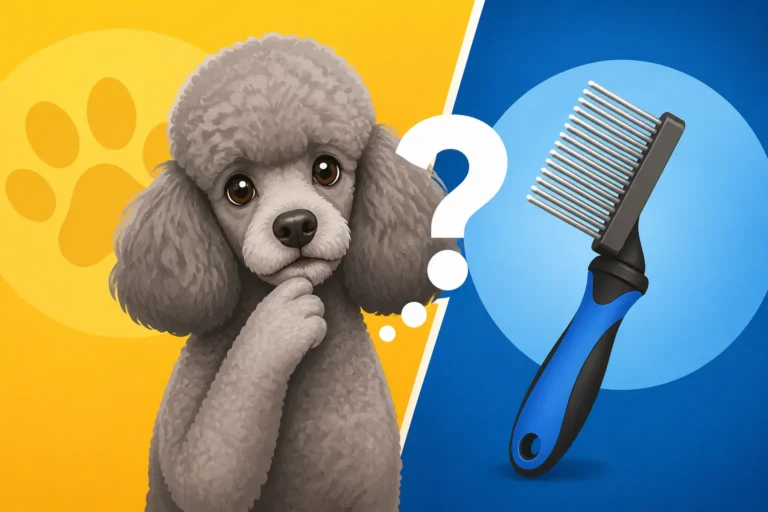
Line brushing is a technique that goes hand-in-hand with high-velocity drying to achieve that coveted straight finish. It ensures that every single hair is completely dry and perfectly straight down to the skin. After initial blast-drying with the high-velocity dryer, switch to a lower setting or a smaller nozzle if your dryer has one, and grab your slicker brush and a greyhound comb.
Work in small sections, much like you would when line brushing for mats. Use the slicker brush to pull a small section of hair up and out, while simultaneously directing the dryer's airflow onto that section, moving from the skin out to the tips. Once that section feels completely dry and straight, follow through with your metal comb to ensure there are no remaining tangles or damp spots. If the comb glides smoothly through from root to tip, you've done it right. If it snags, go back with the slicker brush and dryer. Repeat this process methodically over your entire Poodle's body, working against the grain of the hair to lift it, and then smoothing it down. This meticulous method ensures uniformity across the coat, preparing it flawlessly for the clippers. This is truly How to Line Brush a Poodle Properly.
| Drying Tool/Technique | Purpose for Straightening Coat | Benefits | Potential Drawbacks |
|---|---|---|---|
| High-Velocity Dryer | Blasts water out, stretches curls | Fast drying, major straightening power, reduces mats | Can be noisy, requires training for dog, potential for clipper burn if misused |
| Towel Drying | Removes initial excess water | Speeds up subsequent drying, less water dripping | Doesn't straighten, can create static if rubbed too vigorously |
| Slicker Brush | Applies tension to hair while drying | Aids in pulling hair straight, removes minor tangles | Can be harsh if not used correctly, easily causes brush burn |
| Greyhound Comb | Checks for tangles and dryness | Confirms thorough detangling and drying, ensures straightness | Can pull hair if tangles remain, must be used gently |
| Line Brushing | Ensures every hair is dried straight | Prevents missed spots, achieves ultimate straightness | Time-consuming, requires patience and technique |
Troubleshooting and Maintaining Straightness Between Grooms
Even with the best techniques, you might encounter challenges, or need to maintain that pristine straightness between full grooming sessions. The Poodle coat is dynamic, constantly growing and prone to changes, so a proactive approach is always best.
Dealing with Stubborn Curls and Matting
Sometimes, despite your best efforts, certain areas of the Poodle's coat might resist straightening, or you might find new mats forming between grooms. The key here is prevention and immediate action. If you notice a stubborn curl springing back, often in areas like the ears, tail, or behind the legs, don't be afraid to lightly re-mist the section with water (or a conditioning spray) and re-dry it with your high-velocity dryer and brush. Sometimes a second pass with more focused attention is all it takes.
Matting is the ultimate enemy of a straight clip. If you encounter a mat during or after drying, do not try to clip over it. Clippers will snag, pull, and potentially injure your Poodle. Instead, refer to resources like Finding Poodle Mats Before the Groomer Does or Whether a Matted Poodle Can Be Saved. If it's a small, surface mat, you might be able to gently work it out with a detangling spray and a comb, but if it's tight or close to the skin, it's safer to carefully cut it out with blunt-nosed scissors, cutting away from the skin. For significant matting, a professional groomer is often the safest and kindest option, even if it means a full shave down to start fresh. Products like detangling sprays or conditioning treatments from brands like Amazon Basics or specialty grooming suppliers can also help manage minor tangles before they become full-blown mats.
Managing Coat Change in Adolescent Poodles
Poodles go through a significant "coat change" typically between 9 and 18 months of age, where their soft puppy coat is replaced by their adult, denser, and coarser coat. This period is notorious for matting because the two types of hair intertwine. During this time, maintaining a straight, tangle-free coat becomes an almost daily battle. You'll likely need to increase your brushing frequency, perhaps even to once a day, using both a slicker brush and a metal comb to line brush thoroughly.
Be extra patient and gentle during this phase. What normally takes 30 minutes could take an hour. It's not uncommon for owners to opt for a shorter, more manageable clip during coat change simply to cope with the increased grooming demands. Resources like Getting Through a Poodle's Coat Change can offer more detailed strategies. Consistent bathing and drying with straightening techniques, even if you're not planning a full clip, will help prevent the coat from becoming a matted mess, making eventual clipping much easier. Keep a high-quality conditioning spray on hand, available from places like Chewy, to aid in detangling and keeping the coat supple, which can reduce static and make brushing more effective.
Tips for Longer-Lasting Straightness
Once you've achieved that beautifully straight Poodle coat, you want it to last as long as possible before the curls start springing back. Regular, consistent maintenance is the key.
- Daily Brushing: Even if you've just clipped your Poodle, a quick daily line brush will prevent new tangles from forming and encourage the hair to stay straight. This is especially true for longer clips.
- Avoid Wetness: Try to keep your Poodle dry between baths. If they get wet from rain or a puddle, immediately towel dry and then use a cool, gentle setting on your high-velocity dryer to straighten out any curls that have popped up.
- Protective Gear: For longer coats, consider light sweaters or coats that can protect the hair from friction and tangles, particularly in high-rub areas like armpits or where a harness sits.
- Conditioning Sprays: A light leave-in conditioning spray can help maintain the smoothness and straightness of the hair between full baths. Spritz lightly and brush through.
- Proper Restraint: When your Poodle is lounging, ensure they're on a clean, smooth surface. Rough bedding can create friction and tangles.
- Regular Trims: Even if you're not doing a full clip, keeping up with Face, Feet and Tail Trimming on a Poodle between main grooming sessions can help maintain overall tidiness and prevent small mats in high-friction areas.
By diligently following these bathing, drying, and maintenance steps, you'll be well on your way to mastering the art of the perfectly straight Poodle coat, ensuring every clip is a joy, not a chore.
Disclaimer
This article is for general informational purposes only and does not constitute professional advice. Laws, prices and regulations vary by location and change over time. Consult a qualified professional for guidance on your specific situation.