Which Century the Miniature Poodle Appeared
Many Poodle enthusiasts adore these clever, curly companions, but sometimes the historical journey of how we ended up with the three distinct sizes – Standard, Miniature, and Toy – can feel a little murky. This guide is dedicated to shedding light on the fascinating timeline of the Miniature Poodle, specifically when this elegant and intelligent variety first carved out its unique place in the Poodle family tree, and the compelling reasons behind its creation.
The Genesis of the Poodle: A Hunter's Best Friend
Before we can talk about the Miniature Poodle, we absolutely have to rewind to its origins. The Poodle didn't start life as a pampered lapdog or a circus performer, though it excelled at both later on. Its roots are firmly planted in the role of a rugged, intelligent waterfowl retriever in Germany, with its name "Pudel" in German meaning "to splash in the water." This gave us the English "Poodle." Imagine a dog plunging into icy lakes, fearlessly retrieving ducks for hunters. That was the original Standard Poodle.
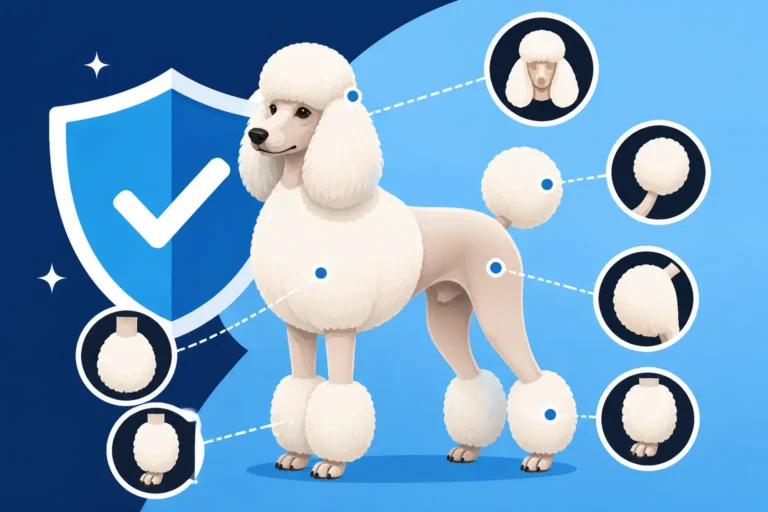
This working heritage explains so much about the Poodle's build and incredible intelligence. They needed to be strong swimmers, with a dense, curly coat that protected them from the elements. Their keen minds were essential for understanding complex commands and navigating challenging terrains. The classic Poodle clip, which often looks so decorative today, was actually a practical working design. Hunters would shave the dog's hindquarters and legs for buoyancy and unrestricted movement in the water, but leave strategic "puffs" of hair over joints and vital organs to protect against the cold. It was a functional, not just fashionable, cut. If you're curious about this, read up on Why the Poodle Clip Was a Working Design.
Over time, these capable hunting dogs began to capture the hearts of nobility and wealthy families across Europe. Their intelligence and striking appearance made them adaptable companions, even if their primary hunting role diminished for some. But as lifestyles changed, particularly with increasing urbanization and the rise of companion animals, there came a desire for a smaller version of this magnificent breed. The majestic Standard Poodle, while wonderful, wasn't always practical for carriage rides or smaller estates.
The Eighteenth Century: The Miniature Poodle Takes the Stage
So, when did the Miniature Poodle officially make its debut? While the deliberate breeding down of Poodles began earlier, with some records hinting at smaller Poodles existing in the 17th century, the Miniature Poodle as a distinct and recognized size truly began to solidify and gain prominence in the 18th century. This era marked a significant shift in canine companionship, moving away from purely utilitarian roles towards dogs as pets and status symbols.
Breeders, seeing the demand for a smaller, more manageable Poodle, began to selectively breed the smaller individuals from Standard Poodle litters. This wasn't about creating unhealthy runts; it was a careful, generation-spanning process to consistently produce dogs that retained the Poodle's hallmark intelligence, elegant conformation, and magnificent coat, but in a more compact package. They weren't just shrinking the existing Poodle; they were refining a new size variety that still adhered to the breed standard in every way except height.
The Miniature Poodle's emergence wasn't a sudden event, but a gradual evolution driven by changing human preferences and living conditions. They quickly found favor in more modest homes, with artisans and merchants, and even within the existing aristocracy who appreciated a dog that could fit comfortably into more confined living spaces or travel more easily. This development paved the way for the eventual recognition of three distinct Poodle sizes, which we now know as Standard, Miniature, and Toy. You can delve into how these sizes came to be separated by reading Standard, Miniature and Toy Poodles.
The Allure and Evolution of the Miniature Poodle
The rise of the Miniature Poodle was no accident; it fulfilled a specific need. Their size, generally between 10 and 15 inches at the shoulder, made them incredibly versatile. They were small enough to be portable and live comfortably in urban environments, yet substantial enough to still be robust and active, capable of participating in dog sports or long walks. They retained the Standard Poodle's legendary intelligence, making them highly trainable for tricks, obedience, and even performing in circuses – a popular entertainment of the time.
This adaptability meant the Miniature Poodle quickly found a niche as both a charming companion and a talented entertainer. They were intelligent enough to learn complex routines and sensitive enough to respond well to gentle training methods. Their elegant appearance also made them fashionable pets, often seen accompanying ladies of leisure or gracing artistic portraits.
It's important to understand the distinctions between the Poodle varieties, as the Miniature Poodle was itself further refined to create the even smaller Toy Poodle later on. The Toy Poodle is typically under 10 inches at the shoulder, and its creation involved even more intensive selective breeding from Miniature lines. If you're curious about that particular journey, you can read When the Toy Poodle Appeared. Each size, while sharing the same core Poodle characteristics, has developed slightly different nuances in terms of health predispositions and practical considerations for ownership. For example, Miniature Poodle Diseases Standards Rarely Get highlights some of these differences.
| Poodle Size | Approximate Height (at shoulder) | Primary Historical Role | Century of Prominence |
|---|---|---|---|
| Standard | 15 inches and up | Water Retriever, Hunter | 16th century onwards |
| Miniature | 10-15 inches | Companion, Performer | 18th century onwards |
| Toy | Under 10 inches | Lapdog, Companion | 19th century onwards |
Modern Miniatures and Their Enduring Appeal
Today, the Miniature Poodle remains one of the most beloved varieties, cherished for its perfect balance of size, intelligence, and classic Poodle charm. They are small enough to cuddle on the sofa, yet have the stamina for energetic games and adventures. Their sharp minds make them eager students in obedience classes, agility, or rally, and they thrive on mental stimulation. If you're looking for ways to keep a smart Poodle busy, there are plenty of puzzle toys and training aids available from pet supply retailers like Chewy.
Responsible breeding continues to be paramount in maintaining the health and integrity of the Miniature Poodle. Reputable breeders meticulously screen their dogs for genetic conditions that can affect Poodles, such as progressive retinal atrophy (PRA), Luxating Patella, and certain cardiac issues. Understanding What a Poodle Breeder Must Test For is crucial for anyone looking to add a healthy Miniature Poodle to their family.
When welcoming a Miniature Poodle into your home, you'll want to be prepared with all the essentials. From a comfy bed and a sturdy leash to appropriate grooming tools for their beautiful, non-shedding coat, you can find a wide array of products on platforms like Chewy. Ensuring your Miniature Poodle has a balanced diet is also key to their long-term health, and Chewy offers a diverse selection of high-quality dog foods tailored to different sizes and life stages.
The Miniature Poodle's journey from the larger working dog to the refined companion we know today is a testament to dedicated breeding and adapting to human lifestyles. They continue to be wonderful pets for individuals and families, offering all the intelligence and elegance of their Standard ancestors in a perfectly proportioned package.
Disclaimer
This article is for general informational purposes only and does not constitute professional advice. Laws, prices and regulations vary by location and change over time. Consult a qualified professional for guidance on your specific situation.