When a Standard Poodle Changes Kibble
Figuring out the right time to change your Standard Poodle's kibble can be a real head-scratcher. Whether they're growing out of puppyhood, slowing down with age, or showing signs of a sensitive tummy, knowing when and how to transition their food is crucial for their health and happiness. This guide will walk you through the key moments and considerations for making those important dietary switches, ensuring your Poodle thrives.
Transitioning From Puppy to Adult Food
One of the most significant kibble changes your Standard Poodle will experience is moving from a puppy formula to an adult one. This isn't just about switching bags; it's about matching their nutritional intake to their changing body and energy needs. Getting this timing right is vital for their long-term joint and skeletal health, especially for a large, fast-growing breed like a Standard Poodle.
When Growth Plates Close
The most critical factor in switching from puppy to adult food is the closure of your Standard Poodle's growth plates. These are areas of cartilage near the ends of bones that allow for growth. For larger breeds like Standard Poodles, these plates typically don't fully close until they are between 12 to 18 months old, sometimes even a little later for very large individuals. Feeding a puppy formula for too long can lead to excessive growth, which puts undue stress on developing joints and can contribute to orthopedic issues like hip or elbow dysplasia later in life. Conversely, switching too early can deprive them of the concentrated nutrients needed for proper development. It's a delicate balance, and patience is key.
During this extended growth period, your Standard Poodle puppy needs a diet formulated to support slower, more controlled growth, often labeled "large breed puppy formula." These diets typically have a carefully controlled calcium-to-phosphorus ratio and moderate energy density to prevent rapid growth spurts. Discussing your Poodle's specific growth trajectory with your veterinarian can help pinpoint the ideal time based on their individual development. You can learn more about specific dietary needs for this period in Large Breed Formula for a Standard Poodle Puppy.
Signs Your Poodle is Ready
Beyond age and growth plate closure, your Standard Poodle might give you other subtle cues that they're ready for adult food. One of the most obvious indicators is a noticeable slowing in their rapid growth. The gangly, awkward puppy stage starts to subside, and they begin to fill out more, achieving a more adult physique. You might also observe a decrease in their overall energy levels, particularly if they were previously very high-strung and constantly on the go; adult dogs typically have a more stable, albeit still active, energy output.
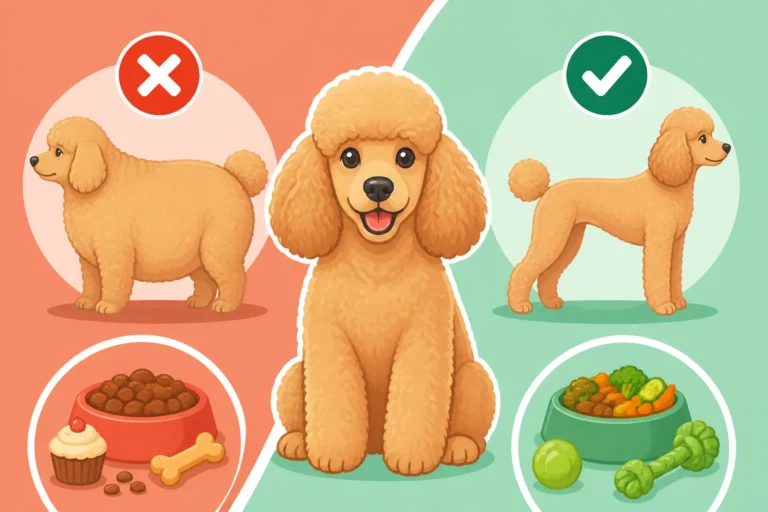
Another sign can be their body condition. A Standard Poodle puppy on an appropriate large breed puppy food should maintain a lean physique. If you notice they are starting to look a bit "chunky" or are gaining weight too easily, even with regular exercise, it could be that the higher calorie density of puppy food is no longer appropriate. Their metabolism is shifting, and maintaining a healthy weight becomes easier with an adult maintenance formula. This helps protect their joints and prevents obesity, which can lead to a host of other health problems.
Choosing the Right Adult Formula
Once you've decided it's time to transition, selecting the right adult formula is the next important step. For Standard Poodles, a high-quality adult maintenance formula that supports large breeds is often a good starting point. Look for ingredients that list a quality protein source (like chicken, lamb, or fish) as the first ingredient, followed by complex carbohydrates and healthy fats. Avoid excessive fillers and artificial additives that offer little nutritional value.
Consider your Poodle's activity level. A highly active Standard Poodle involved in dog sports or long daily hikes might benefit from a slightly higher protein or fat content than a more sedentary companion. Conversely, if your Poodle is prone to weight gain, a formula designed for weight management or with lower calorie density might be a better choice. Many reputable brands offer specific lines tailored to different activity levels and breed sizes. Don't be afraid to read labels and compare nutrient profiles. If you're looking for where to find a good selection, many owners browse sites like Chewy for various brands and detailed ingredient lists to make an informed decision. The goal is to provide balanced nutrition without over-fueling their now-slower metabolism. Find out more about timing this shift in The Age a Poodle Changes to Adult Food.
Navigating Senior Poodle Dietary Needs
As your Standard Poodle enters their golden years, typically around 7-8 years old, their nutritional requirements will shift again. Just like humans, aging dogs experience changes in metabolism, activity levels, and physical health, all of which necessitate a careful re-evaluation of their diet. Ignoring these changes can exacerbate age-related issues and impact their quality of life.
Recognizing the Signs of Aging
Observing your senior Standard Poodle for signs of aging is the first step in adapting their diet. You might notice they're sleeping more, are less enthusiastic about their usual long walks, or perhaps their play sessions are shorter and less intense. Their metabolism generally slows down, meaning they burn fewer calories. If their diet remains the same, this often leads to unwanted weight gain, which can worsen joint pain from conditions like arthritis.
Beyond energy levels, look for changes in their coat quality, a duller eye, or a decrease in muscle mass, particularly over their hips and spine. Dental issues, such as plaque buildup, bad breath, or even missing teeth, are also common. These physical changes directly influence their ability to chew and digest food comfortably. If your Poodle seems stiff after resting or struggles to get up, a diet with joint-supporting ingredients could make a world of difference. Understanding these subtle shifts helps you advocate for their comfort and health. For broader care tips, check out Caring for an Aging Poodle.
Lower Calorie, Joint Support Formulas
Once you identify the signs of aging, transitioning to a senior-specific formula is often beneficial. These diets are typically formulated with lower calorie counts to prevent weight gain, as their energy output decreases. However, "lower calorie" doesn't mean "less nutritious." Instead, they often feature higher levels of fiber to promote satiety and healthy digestion, and adjusted protein levels to support muscle mass without over-stressing kidneys.
Crucially, senior formulas often include ingredients aimed at supporting aging joints. Look for glucosamine and chondroitin, which are natural components of cartilage and can help maintain joint health and mobility. Omega-3 fatty acids, like EPA and DHA from fish oil, are also excellent additions as they have anti-inflammatory properties that can ease the discomfort of arthritis. Some senior diets also include antioxidants to support immune health and cognitive function, which can be helpful as Poodles can experience Cognitive Decline in an Old Poodle. When selecting such a diet, always check the nutrient analysis to ensure it aligns with your Poodle's specific needs, and don't hesitate to consult your vet.
Addressing Dental Health in Older Poodles
Dental health becomes a significant concern for many older Poodles, and their diet needs to reflect this reality. Years of chewing can lead to plaque and tartar buildup, which can cause gingivitis, periodontal disease, and painful tooth loss. If your senior Poodle has sensitive gums or missing teeth, crunchy kibble might become too uncomfortable to eat, leading to a decreased appetite or even avoiding food altogether.
In such cases, you might need to moisten their kibble with warm water or low-sodium broth to soften it, making it easier to chew. Some owners opt for smaller kibble pieces if chewing is a struggle, or even switch to a canned or fresh food diet that is naturally softer. Services like Ollie, which deliver fresh, human-grade food, can be a great option for Poodles with significant dental issues, as the softer texture is much easier on their mouths. Regular dental check-ups and cleanings with your vet are paramount, but dietary adjustments can alleviate daily discomfort. Maintaining good oral hygiene is critical for overall health, as dental infections can impact other organs. Information on specific calorie needs can be found in Calorie Needs of a Senior Poodle.
Switching for Health Reasons or Allergies
Sometimes, a kibble change isn't about age, but about health. Standard Poodles, unfortunately, can be prone to certain health conditions that directly impact their dietary needs, such as allergies, sensitivities, or weight management issues. Recognizing these signs and making informed dietary adjustments can significantly improve their well-being.
Identifying Food Sensitivities
It can be incredibly frustrating to watch your Poodle suffer from unexplained itching, ear infections, or digestive upset, only to realize their food might be the culprit. Food sensitivities or allergies in Poodles can manifest in a variety of ways. Common signs include persistent itching, especially around the ears, paws, and rump, leading to excessive scratching, licking, and even skin infections. Digestive symptoms often include chronic diarrhea, vomiting, excessive gas, or irregular bowel movements. Sometimes, even subtle behavioral changes like lethargy or irritability can be linked to dietary discomfort.
The most reliable way to diagnose a food allergy is through an elimination diet, under veterinary supervision. This involves feeding a novel protein and carbohydrate source (one your Poodle has never eaten before) for several weeks, and strictly avoiding all other foods, treats, and even flavored medications. If symptoms improve, ingredients are then re-introduced one by one to identify the specific allergen. This process can be lengthy and challenging, but it's often the only way to get to the root of the problem. For more details on this, see Elimination Diets for an Itchy Poodle.
Prescription Diets and Vet Guidance
For specific health conditions, your veterinarian might recommend a prescription diet. These specialized foods are formulated to manage, mitigate, or even treat various medical issues. For example, if your Poodle has kidney disease, they might need a diet with restricted protein and phosphorus. For advanced gastrointestinal issues, a highly digestible, low-fat diet might be prescribed. Poodles with severe food allergies unresponsive to novel protein diets might be placed on a hydrolyzed protein diet, where the proteins are broken down into such small components that the immune system doesn't recognize them as allergens.
It’s important to understand that prescription diets are not just "fancy" dog food; they are carefully balanced therapeutic tools. They often have very precise ratios of nutrients, minerals, and calories designed to support specific organ functions or metabolic processes. Always follow your vet's recommendations precisely when using a prescription diet, as veering from it can undermine its effectiveness. These diets are typically available only through veterinary clinics or with a vet's authorization from online retailers. Whether Prescription Diets Suit a Poodle offers more insights into this topic.
Managing Weight with Diet Changes
Weight management is a perennial challenge for many Poodle owners. An overweight or obese Standard Poodle is at a higher risk for a myriad of health problems, including arthritis, diabetes, heart disease, and a decreased lifespan. Sometimes, despite adequate exercise, a Poodle simply gains weight too easily on their current food, signaling a need for a dietary change.
Switching to a "light" or "weight management" formula is often the first step. These diets are typically lower in calories and fat, but higher in fiber to help your Poodle feel full without consuming excess energy. However, simply switching food isn't always enough. Precise portion control, using a measuring cup or even a kitchen scale, becomes critical. Eliminating high-calorie treats and table scraps is also essential. For Standard Poodles, who can be quite food-motivated, incorporating mental stimulation and puzzle feeders can help them feel more satisfied with their meals while slowing down their eating. You can find excellent options for puzzle feeders on Amazon. Always consult your vet to rule out underlying medical conditions contributing to weight gain and to establish a safe weight loss plan. More on consequences of obesity can be found in Poodle Obesity and Its Consequences.
The Art of a Smooth Kibble Transition
Once you've decided it's time for a kibble change, how you go about it is just as important as what you're changing to. A sudden switch can wreak havoc on your Standard Poodle's digestive system, leading to upset stomachs, diarrhea, or even food refusal. A gradual approach is always best.
The Gradual Mixing Method
The golden rule for changing kibble is to do it slowly, over a period of 7 to 10 days. This allows your Poodle's digestive system, particularly the beneficial bacteria in their gut, to gradually adapt to the new ingredients without becoming overwhelmed. A common schedule involves mixing increasing amounts of the new food with decreasing amounts of the old food.
Here’s a typical transition schedule:
| Day | Old Food Ratio | New Food Ratio |
|---|---|---|
| 1-2 | 75% | 25% |
| 3-4 | 50% | 50% |
| 5-6 | 25% | 75% |
| 7+ | 0% | 100% |
Some Poodles with particularly sensitive stomachs might even benefit from an even slower, two-week transition. During this time, keep an eye on your Poodle's stool consistency and overall demeanor. If you notice any signs of digestive upset, slow down the process and maintain the current ratio for an extra day or two until their system adjusts. This slow and steady approach minimizes discomfort and increases the likelihood of a successful switch. You can get more details on this process in Changing a Poodle's Food Over Ten Days.
Monitoring for Digestive Upset
Throughout the transition period, vigilance is key. Your Standard Poodle can't tell you if their stomach feels a bit off, so you need to be their detective. The most common signs of digestive upset are changes in stool. Look for diarrhea, loose stools, increased frequency of bowel movements, or straining. Vomiting, gas, and a decrease in appetite are also clear indicators that the transition might be happening too quickly or that the new food simply doesn't agree with them.
If you observe any of these symptoms, don't panic. Simply revert to the previous ratio of old to new food that your Poodle tolerated well, and hold there for a few more days. You might even consider extending the overall transition period to 14 days. If symptoms persist or worsen, especially if your Poodle seems lethargic or refuses to eat for more than 24 hours, contact your veterinarian immediately. It's possible the new food isn't suitable, or there could be an underlying issue that needs medical attention.
The Importance of Consistency
Beyond the gradual mixing, consistency in feeding habits during a kibble transition cannot be overstated. Stick to your Poodle's regular feeding schedule, offering meals at the same times each day. This routine helps regulate their digestive system and provides a sense of predictability, which is especially important for sensitive dogs. Avoid introducing any other new foods, treats, or supplements during this period, as they can complicate the process and make it difficult to determine if any issues are related to the kibble change.
Maintain a calm and stable environment around meal times. Stress can sometimes exacerbate digestive issues. Ensure fresh water is always available, as proper hydration is essential, especially if loose stools occur. Remember, the goal is to make the transition as seamless and stress-free as possible for your Poodle. By being consistent and attentive, you're setting them up for success with their new diet.
Understanding Poodle-Specific Nutritional Needs
While many general dog nutrition principles apply across all breeds, Standard Poodles do have some unique considerations due to their size, activity level, and breed-specific health predispositions. Tailoring their diet to these specific needs can help prevent common issues and promote optimal health.
Standard Poodle Growth Rate Considerations
Standard Poodles are classified as large breeds, which means their growth phase is longer and more delicate than that of smaller dogs. Rapid growth in large breed puppies can put excessive strain on developing joints and bones, leading to conditions like osteochondritis dissecans (OCD) or hip and elbow dysplasia. This is why specialized large breed puppy formulas are so important; they are designed to promote a slower, more controlled rate of growth by moderating calorie and calcium levels.
It's crucial to resist the temptation to "fatten up" a growing Standard Poodle puppy or to keep them on high-calorie puppy food for too long once they've reached their near-adult size. A lean body condition during puppyhood is protective for their joints. Over-supplementing with calcium can also be detrimental, as it can disrupt the delicate balance needed for proper bone development. Always aim for a diet that supports steady, not accelerated, growth. Pay attention to how quickly your Poodle is growing; a Standard Poodle puppy should grow slowly and steadily. For more information on growth rates, refer to When a Standard Poodle Stops Growing.
Preventing Bloat Through Feeding Habits
Gastric Dilatation-Volvulus (GDV), commonly known as bloat, is a life-threatening condition that Standard Poodles are unfortunately at a higher risk of developing due to their deep-chested anatomy. While diet alone doesn't cause bloat, certain feeding habits can increase the risk. Avoiding rapid eating is paramount. Consider using a slow feeder bowl, which has obstacles that force your Poodle to eat more slowly. These are widely available and can be a game-changer. You can find a good selection of these on Amazon or Chewy.
Splitting your Poodle's daily food allowance into two or three smaller meals throughout the day, rather than one large meal, is also highly recommended. This reduces the amount of food and gas in the stomach at any one time. Avoid intense exercise an hour before and after meals, as vigorous activity with a full stomach can increase the risk of bloat. Ensure your Poodle has access to fresh water but discourage gulping large amounts immediately after eating. Contrary to popular belief, elevated feeding bowls have not been shown to reduce bloat risk and may even increase it in some cases, so feeding on the floor is generally advised. Learn about specific risk factors in Feeding Habits That Raise Poodle Bloat Risk and Slow Feeders for a Gulping Standard Poodle. Also, consider Bowl Height and a Standard Poodle's Chest for more on this topic.
Dietary Needs for an Active Poodle
Standard Poodles are intelligent and active dogs, often excelling in canine sports like agility, obedience, and even hunt tests. A Poodle with a high activity level will naturally have different caloric and nutrient needs than a more sedate companion. If your Poodle is regularly engaged in strenuous activity, their diet needs to provide sufficient energy to fuel their workouts and support muscle recovery.
Look for diets with a slightly higher protein content (typically 25-30% on a dry matter basis) to support lean muscle mass and repair. Healthy fats are also crucial for sustained energy and can be found in quality sources like chicken fat or fish oil. These provide concentrated calories without adding bulk. Carbohydrates, from sources like sweet potatoes or brown rice, offer readily available energy. For very active Poodles, some owners consider specific "sporting dog" or "performance" formulas that are designed for higher energy demands. Always ensure your Poodle is well-hydrated, especially before and after exercise, and provide any extra calories in a balanced way, avoiding empty calories that don't contribute to their overall performance and health.
Common Mistakes to Avoid When Changing Kibble
Changing your Standard Poodle's diet, even with the best intentions, can go awry if certain common pitfalls aren't avoided. Being aware of these mistakes can save you and your Poodle a lot of discomfort and frustration.
Switching Too Quickly
This is, by far, the most frequent and impactful mistake owners make. A sudden, abrupt switch from one kibble to another is a recipe for digestive disaster. Your Poodle's gastrointestinal tract houses a delicate ecosystem of bacteria, and these microbes need time to adjust to new ingredients. Bombarding their system with a completely different food overnight can lead to acute symptoms like severe diarrhea, vomiting, stomach upset, and a loss of appetite. It's not just unpleasant for your Poodle; it can also be very messy and stressful for you.
As discussed, a slow, gradual transition over 7-10 days (or even longer for sensitive individuals) is paramount. Each day, you incrementally increase the amount of new food while decreasing the old, giving their digestive enzymes and gut flora time to adapt. Rushing this process almost guarantees a setback, potentially requiring a visit to the vet and further delaying the successful transition to the new diet. Patience truly is a virtue here, and it pays off in a healthy, happy Poodle.
Ignoring Ingredient Quality
In an effort to find a different food, it's easy to get caught up in marketing buzzwords or price points and overlook the actual quality of the ingredients. Just because a food is "new" or "different" doesn't mean it's necessarily better for your Standard Poodle. Many commercial dog foods use fillers, by-products, and artificial additives that offer little nutritional value and can even trigger sensitivities in some dogs.
When selecting a new kibble, always read the ingredient list carefully. Look for a named meat protein (e.g., "chicken meal" rather than "meat meal") as the first ingredient. Ensure there's a balance of complex carbohydrates, healthy fats, and essential vitamins and minerals. Avoid foods with excessive corn, soy, or wheat if your Poodle has sensitivities. Research the brand's reputation for quality control and nutritional integrity. A higher price tag doesn't always guarantee superior quality, but very cheap foods often cut corners on ingredients. Your Poodle deserves the best fuel you can provide, so invest time in understanding what's truly in their bowl.
Not Consulting Your Veterinarian
Perhaps the biggest mistake of all is making significant dietary changes without first consulting your veterinarian. Your vet knows your Standard Poodle's complete health history, including any predispositions, current health conditions, and individual sensitivities. They can provide personalized advice based on their age, weight, activity level, and specific medical needs.
For instance, if you're considering a novel protein diet for suspected allergies, your vet can guide you through the proper elimination diet protocol. If your Poodle has a diagnosed condition like kidney disease, diabetes, or a heart condition, they will likely recommend a very specific prescription diet tailored to manage that illness, and changing it on your own could have serious health consequences. Even for routine age-based transitions, your vet can confirm that your Poodle's growth plates have closed or that their senior health warrants a specific type of food. They can also help interpret food labels and identify potential allergens or unsuitable ingredients. Think of your veterinarian as your primary resource and partner in your Poodle's nutritional journey; their expertise is invaluable.
Disclaimer
This article is for general informational purposes only and does not constitute professional advice. Laws, prices and regulations vary by location and change over time. Consult a qualified professional for guidance on your specific situation.