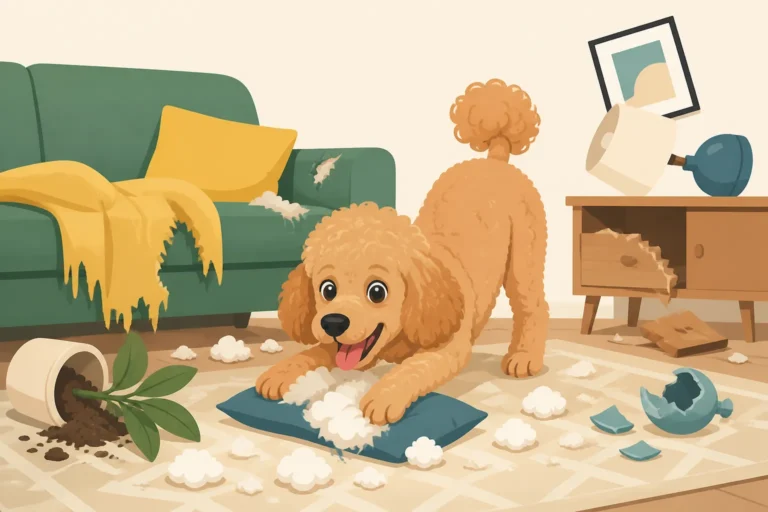
What a Counter-Surfing Poodle Must Not Reach
It's a familiar scene for so many Poodle owners, isn't it? You turn your back for just a moment, perhaps to grab a forgotten ingredient, and suddenly you hear that tell-tale clatter from the kitchen. Your clever, agile Poodle, whose intelligence you usually adore, has decided the counter is merely an elevated buffet. This can be more than just annoying; it can be incredibly dangerous. This comprehensive guide is here to help you understand why your Poodle might be tempted by forbidden heights, identify the hidden dangers lurking in your home, and equip you with the knowledge to keep your curious companion safe from ingesting items that could lead to a serious vet emergency.
The Poodle's Unyielding Drive to Counter-Surf
Let's be honest, living with a Poodle means living with a four-legged genius. They are renowned for their intellect, and while this makes them incredibly trainable and wonderful companions, it also means they are often problem-solvers of the highest order. That keen mind, combined with an agile body, makes counter-surfing less of a mischievous act and more of an intellectual challenge for them. It’s not about defiance; it’s about exploration and satisfying their innate curiosity.
Intelligence and Curiosity Fueling the Hunt
Poodles are ranked among the most intelligent dog breeds, and this comes with a natural, insatiable curiosity. They don't just see a counter; they see a landscape of potential discoveries, especially if tantalizing aromas are wafting their way. Their brains are constantly whirring, trying to figure out how things work, where things come from, and how to get to that interesting smell. If they see you place something appealing on the counter, their intelligent mind immediately processes that information, filing it away for future investigation. They're not just looking for food; they're solving a puzzle: "How do I reach that interesting thing?" Why a Poodle Invents Its Own Shortcuts is a very real concept when it comes to their problem-solving abilities around the house.
This intrinsic intelligence means that a Poodle isn't easily deterred if they've successfully "conquered" the counter once. Each successful raid reinforces the behavior, making them even more determined the next time. They remember where the good stuff is, what time of day it usually appears, and how high they need to jump or how carefully they need to balance. Their memory serves them well in their quest for counter treasures, which is why prevention is always easier than trying to correct a deeply ingrained habit. It's a testament to their smarts, even if it drives us absolutely batty.
Scent-Driven Exploration
Beyond visual cues, a Poodle's nose is an incredibly powerful tool. Even if they can't see what's on the counter, a lingering scent can be an irresistible siren call. That crumb of cheese, the scent of last night's chicken, or even the aroma of a freshly baked cookie can be enough to spur them into action. Their olfactory senses are hundreds of times more powerful than ours, allowing them to detect even faint traces of interesting smells that we wouldn't notice.
This means that even a "clean" counter can still hold enough attractive odors to pique your Poodle's interest. A Poodle might not be able to resist investigating that enticing smell, leading them to stand on their hind legs, paw at the edge, or even jump up to get a closer sniff. It’s a primal drive, and for a breed with such keen senses, it's incredibly powerful. Understanding this helps us realize that simply wiping down a counter isn't always enough; we need to eliminate the possibility of access to truly mitigate the risk.
Learned Behavior and Opportunity
No dog is born a counter-surfer; it's a behavior that develops over time, usually through accidental successes. Perhaps a plate was left too close to the edge, or a child inadvertently dropped a treat onto the counter and the Poodle, in its opportunistic brilliance, snatched it up. These small victories teach a Poodle that the counter is a place where rewards can be found. Each time they get something from the counter, they learn that the effort is worthwhile.
The environment plays a huge role here. If a Poodle is often left unsupervised in the kitchen, or if family members are inconsistent with keeping items off the counters, the behavior will become entrenched. It becomes a routine, a game they play when no one is watching. Their quick learning ability means that even a few instances of success can quickly turn into a persistent habit, demonstrating why consistency in management and training is so vital. If you've ever wondered Why a Poodle Steals From the Counter, it often boils down to this: opportunity met with Poodle ingenuity.
Common Household Toxins Beyond Just Food
While food items are often the first thing we think of when it comes to counter-surfing dangers, our homes are filled with countless other substances that can be equally, if not more, dangerous to a curious Poodle. Many of these items are easily accessible, sitting on low shelves, under sinks, or on bedside tables, and a Poodle's determination means they can often reach places we assume are safe.
Cleaning Products and Chemicals
Our everyday cleaning supplies, while essential for a tidy home, are often highly toxic to pets. Bleach, oven cleaners, drain openers, toilet bowl cleaners, and even more "natural" products like concentrated essential oils can cause severe internal and external damage. A quick lick, a splash to the skin, or direct ingestion can lead to chemical burns, respiratory distress, organ failure, or even death.
Think about where you store these items. Under the kitchen sink is a classic spot, but many Poodles are clever enough to nose open child-proof latches. Laundry detergents, especially highly concentrated pods, are also a huge risk. Their attractive packaging and squishy texture can make them seem like a toy, but ingesting even a small amount can cause severe vomiting, breathing difficulties, and chemical burns in the mouth and esophagus. Always ensure these products are stored in locked cabinets or on high shelves truly out of reach.
Medications and Supplements
This is a big one. Many human medications, even over-the-counter varieties, are extremely toxic to dogs, and Poodles are no exception. Common culprits include pain relievers like ibuprofen (Advil, Motrin) and acetaminophen (Tylenol), which can cause kidney failure and liver damage, respectively. Antidepressants, heart medications, and even vitamins and supplements formulated for humans can be dangerous, as the dosages are often far too high for a dog's smaller body.
Consider your nightstand, bathroom counter, or even your purse – these are often easy targets for an inquisitive Poodle nose. A Poodle might nudge open a pill bottle or chew through a blister pack. Even pet medications can be dangerous if ingested in excess, so storing them securely is just as important. Always keep all medications, human or pet, in secure containers far out of your Poodle's reach, ideally in a locked cabinet.
Plants and Garden Items
Many common houseplants and garden flora, while beautiful, are toxic to dogs. Lilies are notoriously dangerous, causing kidney failure in cats, but others like sago palm, azaleas, rhododendrons, and even common ivy can cause severe gastrointestinal upset, cardiac issues, or neurological problems in Poodles. A curious Poodle might chew on leaves, dig at roots, or even sample potting soil if given the chance.
Beyond plants, garden chemicals such as fertilizers, pesticides, slug bait, and rodenticides are extremely dangerous. Many of these products are formulated to be attractive to pests, which unfortunately also makes them appealing to dogs. Ingesting even a small amount of slug bait, for example, can lead to severe seizures and tremors. If you use any of these products, ensure your Poodle has absolutely no access to the treated areas or the products themselves. Always read labels carefully and keep all gardening supplies securely stored away from your Poodle's curious paws and nose.
Foods That Are Dangerous for Poodles
Ah, the tantalizing world of human food! For a Poodle, the aroma of our meals can be utterly irresistible, making them masters of begging and, yes, counter-surfing. But many delicious human treats are absolute no-gos for our canine companions. It's not just about an upset tummy; some can be fatally toxic. For a more comprehensive list, remember to check Foods That Send a Poodle to the Vet.
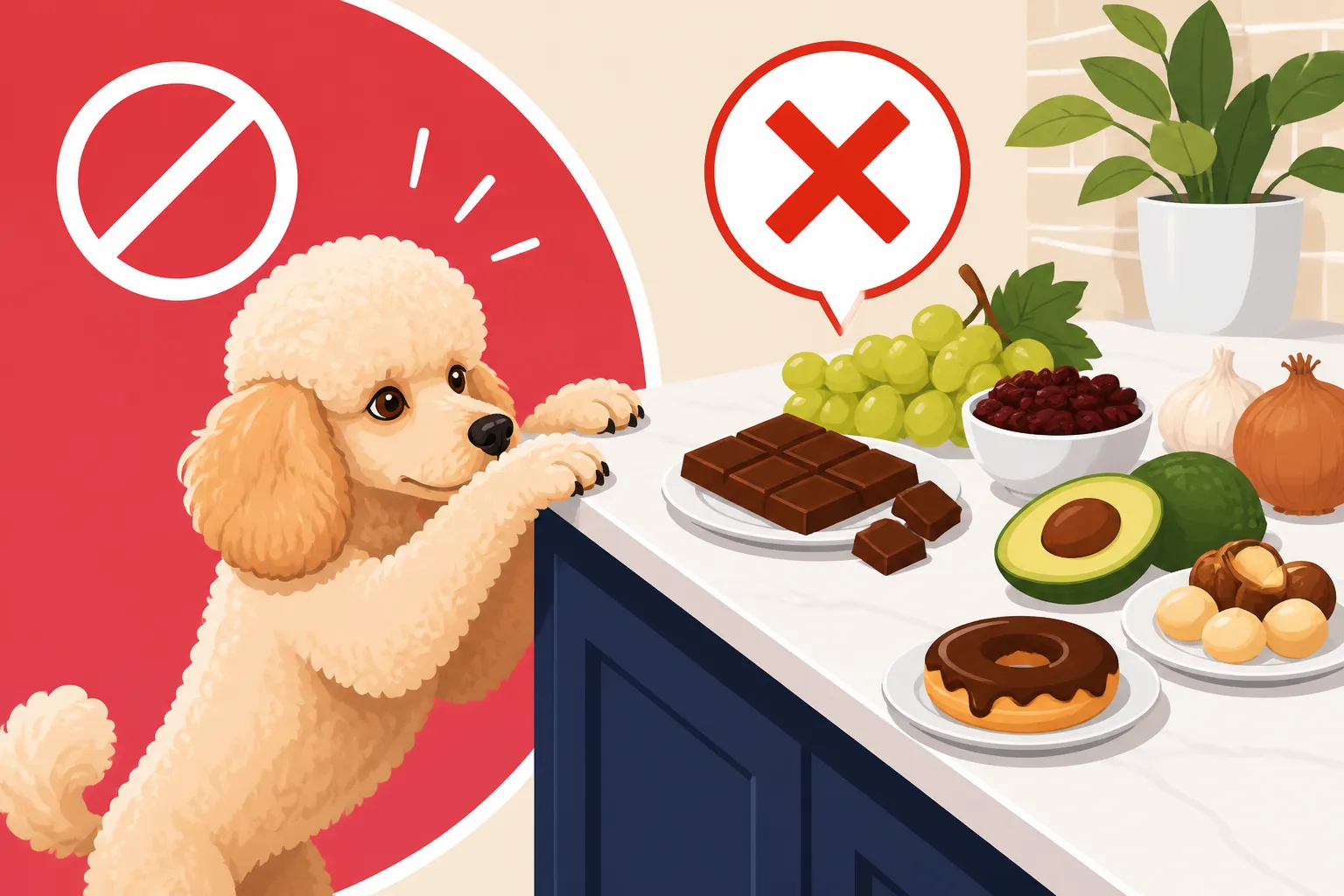
Chocolate, Xylitol, and Grapes
These are perhaps the "big three" that most dog owners know to avoid, but it bears repeating because they are so common in our homes.
- Chocolate: Contains theobromine and caffeine, both of which Poodles metabolize much slower than humans. The darker the chocolate, the higher the concentration of these toxins. Symptoms can range from vomiting, diarrhea, and increased thirst to tremors, seizures, and even death in severe cases. Even a small amount of dark chocolate can be dangerous for a Toy or Miniature Poodle due to their smaller body weight.
- Xylitol: This artificial sweetener is found in many sugar-free products like gum, candies, certain peanut butters, baked goods, and even some toothpastes. For dogs, xylitol causes a rapid release of insulin, leading to a sudden and severe drop in blood sugar (hypoglycemia), which can be life-threatening. Symptoms can include weakness, lethargy, loss of coordination, seizures, and liver failure. It's incredibly important to check the ingredient list of any human foods you might share, especially peanut butter.
- Grapes and Raisins: The exact toxic mechanism is still unknown, but even a small number of grapes or raisins can cause acute kidney failure in some dogs. Not all dogs are affected, but there's no way to predict which ones will be, so it's always best to avoid them entirely. Symptoms often include vomiting, lethargy, dehydration, and decreased appetite, potentially progressing to kidney failure.
Onion, Garlic, and Avocados
These common kitchen staples add flavor to our meals but can spell trouble for Poodles.
- Onion and Garlic: Belonging to the Allium family, these vegetables contain compounds that can damage a Poodle's red blood cells, leading to anemia. While garlic is sometimes touted for minor health benefits in tiny amounts, the risk far outweighs any potential reward, especially when concentrated powders or large quantities are involved. Symptoms can include lethargy, weakness, pale gums, rapid breathing, and reddish-brown urine. This applies to all forms: raw, cooked, powdered, or dehydrated.
- Avocado: Contains persin, a fungicidal toxin. While often associated with toxicity in birds and large animals, it can cause gastrointestinal irritation (vomiting and diarrhea) in some dogs. The larger concern with avocados, particularly for smaller Poodles, is the large pit. It poses a significant choking hazard and can cause an intestinal obstruction if swallowed. Always keep avocados and their pits well away from curious Poodles.
Cooked Bones and Fatty Foods
While not directly toxic in the same way as chocolate or xylitol, these items present significant physical dangers to your Poodle.
- Cooked Bones: Cooked bones, especially chicken, turkey, or pork bones, become brittle and can splinter easily. These sharp fragments can cause serious damage to your Poodle's mouth, throat, esophagus, stomach, or intestines. They can lead to choking, internal lacerations, or blockages requiring emergency surgery. Raw bones are generally safer, but even they carry risks of bacterial contamination or dental damage, so it's best to discuss bone feeding with your vet.
- Fatty Foods: Items like bacon grease, fat trimmings, rich sauces, and fried foods can cause severe gastrointestinal upset, including vomiting, diarrhea, and potentially a painful condition called pancreatitis. Pancreatitis is an inflammation of the pancreas that can lead to severe abdominal pain, lethargy, and dehydration, sometimes requiring hospitalization. Remember, even a small amount of a very fatty food can trigger a reaction, especially in a Poodle not used to such rich fare. Poodle Obesity and Its Consequences can also stem from consistently sneaking fatty foods or table scraps.
Here's a quick overview of some common dangerous foods:
| Food Item | Primary Danger / Toxin | Common Symptoms |
|---|---|---|
| Chocolate | Theobromine, Caffeine | Vomiting, diarrhea, tremors, seizures, heart issues |
| Xylitol | Rapid insulin release | Weakness, lethargy, low blood sugar, seizures, liver failure |
| Grapes/Raisins | Unknown | Vomiting, lethargy, kidney failure |
| Onion/Garlic | Thiosulphates | Anemia, weakness, pale gums, reddish urine |
| Avocado | Persin (fruit), Choking (pit) | Vomiting, diarrhea, intestinal obstruction (pit) |
| Cooked Bones | Splintering, Obstruction | Choking, internal cuts, blockages |
| Fatty Foods | High fat content | Vomiting, diarrhea, pancreatitis (abdominal pain) |
| Alcohol | Ethanol | Vomiting, diarrhea, tremors, respiratory depression |
| Caffeine | Methylxanthines | Hyperactivity, increased heart rate, tremors |
| Macadamia Nuts | Unknown | Weakness, tremors, vomiting, hyperthermia |
| Yeast Dough | Ethanol, gas expansion | Bloating, pain, alcohol poisoning |
Ingested Non-Food Items: The Hidden Dangers
While food-related incidents might be more common, Poodles, with their playful and curious nature, are just as likely to chew on or ingest non-food items. These can pose different, but equally serious, threats, from choking to internal damage or poisoning. Their intelligence means they can often get into places you wouldn't expect, and their mouth is how they explore the world.
Small Objects and Choking Hazards
Poodles, especially smaller Toy and Miniature Poodles, can easily choke on items that seem innocuous to us. Buttons, coins, small toys, bottle caps, or even pieces of broken plastic can become lodged in their throats, blocking their airway. Beyond choking, these items can also cause internal blockages if swallowed, leading to a gastrointestinal obstruction that often requires emergency surgery.
Consider what's at Poodle-level around your house. Children's toys with small parts are a major culprit. Think about dropping loose change on the floor or leaving small craft supplies accessible. Even seemingly harmless items like rubber bands or hair ties can be ingested and cause problems. Regular "Poodle-proofing" walks through your home, getting down to their eye level, can help you spot these hidden dangers before your Poodle does.
Strings, Fabrics, and Linear Foreign Bodies
Items like string, yarn, dental floss, ribbon, and even parts of blankets or clothing (especially socks!) can be incredibly dangerous if ingested. These are known as "linear foreign bodies." When a Poodle swallows a string-like object, one end can become anchored in the stomach or upper intestine, while the rest passes into the lower intestine. As the intestines try to move the string along, they can essentially "accordion" or bunch up along the length of the string, causing severe damage, cuts, and even perforations to the intestinal wall.
This type of foreign body often requires complex and urgent surgery to remove. It's especially common with items like dental floss that carry tempting smells. Be vigilant about keeping these items secured. If you have a Poodle that loves to chew on blankets or fabric toys, make sure they are durable and check them regularly for loose threads or tears.
Batteries and Electrical Items
In our increasingly tech-driven homes, batteries and electrical cords are everywhere, and they pose unique and severe risks to Poodles.
- Batteries: Whether they are small button batteries from remote controls or hearing aids, or larger AA/AAA batteries, they are extremely dangerous if chewed or swallowed. Batteries contain corrosive chemicals that can cause severe chemical burns to the mouth, esophagus, and stomach. Even if swallowed whole, they can cause electrical burns as they pass through the digestive tract. Symptoms can be delayed, but include drooling, vomiting, lethargy, and difficulty swallowing.
- Electrical Cords: A Poodle, particularly a curious puppy or a bored adult, might chew on electrical cords. This can lead to severe electrical burns in the mouth, fluid in the lungs, and potentially fatal electrical shock, causing cardiac arrest. Always ensure cords are secured, hidden, or protected with chew-proof coverings. If you have a Poodle that seems to need a job for its brain, remember that What a Poodle Does When Its Brain Is Idle often leads to destructive or dangerous behaviors.
Preventative Measures and Training
Knowing what's dangerous is only half the battle; the other half is actively preventing your Poodle from getting to it. This involves a combination of smart environmental management and consistent training. For a breed as intelligent as the Poodle, simply yelling "no" from across the room is rarely effective long-term. They need clear boundaries and alternative, acceptable behaviors.
Securing Your Environment (Poodle-Proofing)
The most effective way to prevent counter-surfing and ingestion of dangerous items is through proactive environmental management. This means making it impossible or very difficult for your Poodle to access temptations.
- Clear Counters: This is fundamental. Adopt the habit of never leaving food or attractive items unattended on kitchen counters, dining tables, or coffee tables. Everything should be put away immediately after use. Even crumbs can be a lure for a determined Poodle nose.
- Locked Cabinets and Childproof Latches: Install childproof latches on lower cabinets, especially those containing cleaning supplies, medications, or tempting pantry items. Poodles are clever with their paws and noses; a simple push-to-close door might not be enough. You can find excellent options on Amazon or at local hardware stores.
- Secure Trash Cans: Many Poodles consider the trash can a treasure trove. Invest in a heavy, Poodle-proof trash can with a secure lid that locks or is pedal-operated and inaccessible.
- Gate Off Problem Areas: If your Poodle's counter-surfing is primarily confined to the kitchen, consider using baby gates to block access to that room when you can't actively supervise them.
- Keep Valuables and Dangers High: Medications, toxic plants, small choking hazards, and electrical cords should be stored on high shelves, in locked drawers, or completely out of reach. Think about what a jumping Poodle can reach.
Training "Leave It" and "Off"
While physical barriers are crucial, training your Poodle with strong impulse control commands will give you an extra layer of protection, especially when you can't control every variable.
- "Leave It": This is a life-saving cue. Start by practicing with low-value items on the floor, rewarding your Poodle for disengaging and looking at you. Gradually increase the temptation and the duration they have to "leave it." This command teaches them to ignore something appealing, whether it's a dropped pill or a delicious crumb. Training a Poodle That Outthinks You means being consistent and making "leave it" a rewarding choice for them.
- "Off": This command teaches your Poodle to get all four paws off a surface, whether it's the couch, your lap, or the kitchen counter. Practice by luring them off with a treat and immediately rewarding them when they comply. Make it a positive experience, not a punishment. The goal is for them to choose to get off when cued, rather than being pushed or pulled.
Managing Mealtimes and Scraps
Mealtimes are prime opportunities for Poodles to learn counter-surfing habits if not managed carefully. The sights and smells are intense, and their hopeful eyes can be hard to resist.
- No Table Scraps: This is a hard rule, but vital. Feeding table scraps directly from the table or counter teaches your Poodle that human food is available there. It reinforces begging and the idea that counters are sources of food. Instead, if you want to share Poodle-safe human foods, offer them in their bowl as part of their regular meal, well away from the table or counter. Many dog-specific fresh food brands like Ollie offer nutritious human-grade meals that can satisfy their palate safely.
- Poodle Away During Meal Prep: Consider putting your Poodle in a crate, a designated "place," or behind a gate in another room during meal preparation and dining. This removes the opportunity for them to practice counter-surfing or beg at the table, reducing their temptation and preventing the development of bad habits.
- Enrichment During Mealtime: Provide a distracting, long-lasting chew or a puzzle toy filled with some of their regular kibble (perhaps sourced from Chewy) to keep them happily occupied in their designated area while you eat. This makes being away from the action a positive experience.
What to Do If Your Poodle Eats Something Dangerous
Even with the best preventative measures, accidents happen. A moment of distraction, a particularly determined Poodle, or an unexpected item left within reach can lead to a scary situation. Knowing what to do in an emergency can make all the difference. Always err on the side of caution.
Recognizing Symptoms of Poisoning or Obstruction
Symptoms can vary widely depending on what your Poodle ingested, the amount, and their individual sensitivity. However, there are some common signs to watch for:
- Gastrointestinal Distress: Vomiting, diarrhea, loss of appetite, excessive drooling, abdominal pain (hunched posture, unwillingness to be touched).
- Neurological Signs: Lethargy, weakness, disorientation, tremors, seizures, uncoordinated movements.
- Behavioral Changes: Restlessness, hyperactivity, aggression, hiding, or unusual vocalizations. A Poodle, being sensitive, might hide illness or pain, so subtle changes can be significant. Why a Sensitive Poodle Hides Illness and Reading Pain in a Sensitive Poodle can offer further insight here.
- Physical Changes: Pale gums, rapid heart rate or breathing, collapse, excessive thirst or urination, difficulty breathing (coughing, gagging).
- Burns: If batteries or corrosive chemicals were ingested, you might see redness, blistering, or gray discoloration in the mouth or on the tongue.
It's crucial to understand that some symptoms, like those from xylitol poisoning, can appear very rapidly (within 15-30 minutes), while others, like kidney damage from grapes, might take days to manifest.
Immediate Steps to Take
If you suspect your Poodle has ingested something dangerous, don't panic, but act quickly.
- Identify the Substance: If possible, determine exactly what your Poodle ate, how much, and when. Save any packaging, labels, or remnants of the substance (even vomit if they've already thrown up) to show your veterinarian. This information is critical for diagnosis and treatment.
- Contact Your Veterinarian or Emergency Vet: This is the most important step. Do not wait to see if symptoms develop. Call your vet immediately. If it's after hours, call an emergency veterinary clinic. Have the information about the ingested substance ready. Do not try to induce vomiting without professional guidance. Some substances (like corrosives, sharp objects, or petroleum products) can cause more harm if vomited back up.
- Follow Veterinary Advice: Your vet will advise you on the best course of action. This might include:
- Inducing Vomiting: Only if recommended and supervised by a vet. They will tell you if it's safe and how to do it.
- Administering Activated Charcoal: This can sometimes be given by a vet to absorb toxins in the digestive tract.
- Hospitalization and Supportive Care: For severe poisonings, your Poodle may need IV fluids, medications, and close monitoring.
Remember, time is of the essence in many poisoning cases. The faster you seek professional help, the better the prognosis for your Poodle.
Preventing Future Counter-Surfing Incidents
Dealing with a Poodle who has successfully raided the counter can be frustrating and scary. The key to long-term success isn't just reacting to incidents, but consistently reinforcing good habits and minimizing opportunities for bad ones. This requires patience, consistency, and a deep understanding of your clever companion.
Consistency is Your Best Friend
Poodles thrive on routine and clear boundaries. If one day the counter is an open buffet and the next it's a no-go zone, your Poodle will be confused and more likely to test the limits. Everyone in the household, from adults to children, needs to be on the same page regarding counter-surfing rules. No exceptions, no matter how cute those Poodle eyes are. A single slip-up can quickly undo weeks of training and management.
Consistent training, like regularly practicing "leave it" and "off" in various situations, reinforces these behaviors as reliable cues. Make sure their safe chew toys and puzzle feeders (easily found on Amazon or Chewy) are always more appealing and accessible than forbidden counter items. This kind of diligent effort is crucial when you're living with a Poodle who is always thinking three steps ahead.
Management Over Punishment
Punishment, especially harsh punishment, is generally ineffective for counter-surfing and can damage the bond you have with your Poodle. They are sensitive dogs, and a harsh scolding can make them fearful or cause them to hide their activities, rather than stop them. If you've ever found yourself wondering Why Harsh Handling Breaks a Poodle, it's because their intelligent and sensitive nature responds much better to positive reinforcement.
Instead of punishment, focus on management. Make it impossible for them to get to the counter. Use gates, put food away, and ensure trash is secure. When you catch them in the act of trying to get on the counter, a firm "off" or "no" followed by redirecting them to an appropriate activity (like playing with a toy on the floor) is far more effective. Reward them generously for keeping all four paws on the floor in the kitchen, especially when you're preparing food.
Mental and Physical Enrichment
A bored Poodle is a mischievous Poodle. Their high intelligence and energy levels mean they need plenty of mental and physical stimulation to prevent them from inventing their own "fun" – which often involves exploring forbidden territories like the kitchen counter. If your Poodle isn't getting enough to do, they're more likely to seek out activities to occupy their clever minds, and counter-surfing can become one of them.
Ensure your Poodle gets adequate daily exercise for their size and age. Beyond walks, incorporate engaging activities like fetch, agility, or swimming. Crucially, provide plenty of mental stimulation. Puzzle toys, scent games (like hiding treats around the house), trick training, and obedience work can help tire out their brain, making them less inclined to get into trouble. Regularly rotating their toys and offering new challenges, perhaps a new type of treat-dispensing toy from Chewy, can keep them engaged. A Poodle that's mentally satisfied is a Poodle less likely to be scoping out the countertops.
Disclaimer
This article is for general informational purposes only and does not constitute professional advice. Laws, prices and regulations vary by location and change over time. Consult a qualified professional for guidance on your specific situation.