How Long Brushing a Standard Poodle Takes
Let's be honest, the idea of brushing a Standard Poodle can feel like signing up for a marathon, especially when you're just starting out or dealing with a coat that's decided to turn into a giant felt blanket. Many Poodle owners, myself included, have stood there with brush in hand, staring at their curly companion, wondering if it's going to take all day to get through that beautiful, dense coat. This guide is here to walk you through what truly influences the time it takes to brush your Standard Poodle, offering realistic expectations and practical tips to make the process smoother, faster, and much less daunting for both of you.
Understanding the Factors That Dictate Brushing Time
The question "How long does it take to brush a Standard Poodle?" doesn't have a single, simple answer. It's not like baking a cake where you follow a recipe and it always takes exactly an hour. Poodle grooming time is highly variable, influenced by several key factors that converge to create your unique brushing challenge. Ignoring these factors is often why new owners get so frustrated, feeling like they're doing something wrong when in reality, they just haven't accounted for the nuances of their dog's coat and their own routine.
Coat Length and Style
This is arguably the biggest determinant of how much time you'll spend brushing. A Standard Poodle in a very short "kennel clip" or "sporting clip" will require significantly less brushing time than one sporting a long, flowing "pet clip" or, heaven forbid, a full show coat.
Imagine a Poodle with a coat just an inch or two long all over. Brushing this dog might take a quick 10-15 minutes, mostly just to ensure no minor tangles are forming and to remove any loose debris. It's a quick run-through, a check-in with the coat. Now, picture a Poodle with four or five inches of coat, maybe even longer on the legs and topknot. Every single strand of that longer hair has the potential to tangle with its neighbor, creating knots and eventually mats. Each section needs careful, thorough attention, often requiring you to work in smaller sections to reach the skin. This could easily stretch your brushing session to 45 minutes or even an hour, and that's just for maintenance! The longer the hair, the more surface area there is for friction, dirt, and general Poodle exuberance to create snarls. This is why many busy owners opt for shorter, more manageable clips – it’s a direct trade-off for less time spent brushing.
Coat Condition and Matting
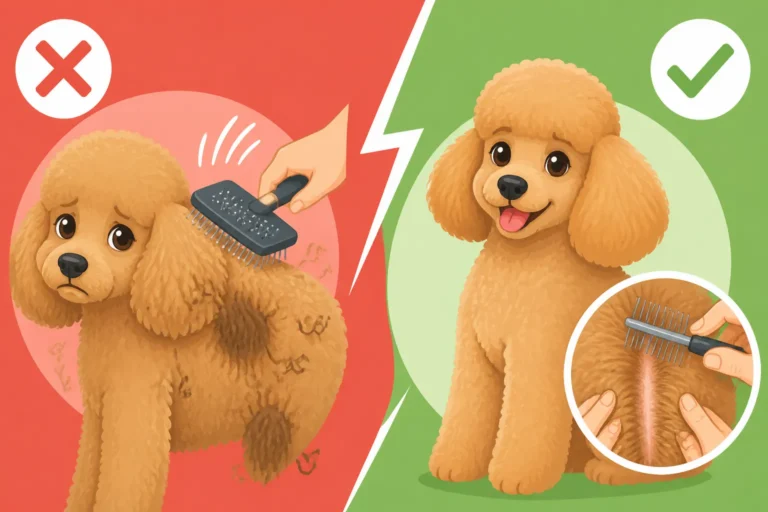
The state of your Poodle's coat before you even pick up the brush is critical. Are you starting with a relatively clean, tangle-free coat, or has it been a few days too long since the last brush, and you're already feeling those tell-tale lumps near the skin? A well-maintained coat, brushed regularly and kept free of debris, is a joy to brush. The brush glides through, you encounter minimal resistance, and the session is quick and efficient.
However, life happens. Perhaps your Poodle enjoyed a particularly muddy walk, or you had a busy week and skipped a few brushing sessions. Maybe your Poodle just went through "coat change," that adolescent period where the puppy fluff gives way to the dense adult coat, making matting incredibly prevalent. At this point, the brushing time skyrockets. You're no longer just brushing; you're detangling, gently working out knots, and carefully separating matted sections. What might have been a 20-minute session for a well-maintained coat can easily become an hour or more of meticulous, patient work when dealing with even moderate matting. Severe matting, where the coat is tightly felted against the skin, is a whole different beast. At that point, brushing isn't just time-consuming; it's often impossible and painful for the dog, requiring a professional groomer and likely a full shave down. For more on this, you might find Why a Poodle Coat Mats Instead of Shedding insightful.
Your Poodle's Temperament and Training
Just like people, every Poodle has their own personality when it comes to grooming. Some Poodles will lie patiently, enjoying the attention, perhaps even falling asleep during a long brushing session. Others might be more squirmy, restless, or simply have a lower tolerance for being handled extensively. A Poodle that has been consistently trained from a young age to accept and even enjoy grooming will make the process much faster and less stressful for everyone. They learn to stand still, tolerate the various tools, and understand that cooperative behavior leads to praise and treats. Training a Poodle to Enjoy Grooming is a great resource here.
Conversely, a Poodle that hasn't had positive grooming experiences, or one that is naturally more sensitive or anxious, can turn a simple brush-out into a wrestling match. They might sit down, pull away, try to chew the brush, or simply refuse to cooperate. This not only lengthens the brushing time significantly but also increases the risk of injury to both you and your dog. You have to work slower, take more breaks, and constantly reassure and redirect them, which all adds minutes to the clock. Patience and positive reinforcement are key, but they don't necessarily make the process quicker in the short term if you're battling a resistant Poodle.
Your Tools and Technique
The quality of your grooming tools and your brushing technique play a massive role in efficiency. Trying to brush a thick Poodle coat with a flimsy, cheap slicker brush or a comb with wide-set teeth is like trying to cut steak with a butter knife – it's going to be frustrating and ineffective. You need tools designed for dense, curly hair that can reach deep into the coat without causing discomfort. A good quality slicker brush and a sturdy metal greyhound comb are indispensable. You might want to check out options on Amazon or Chewy for a wide selection of these specialized tools.
Crucially, knowing how to brush a Poodle, specifically using the "line brushing" technique, will save you immense amounts of time and prevent matting. Line Brushing a Poodle Explained details this method, but the gist is that you work in small sections, parting the hair and brushing from the skin out, ensuring you don't just skim the top of the coat. If you're only surface brushing, you'll feel like you're brushing for ages, but mats will still form unnoticed at the base of the hair, leading to a much longer, more painful detangling session down the line. Proper technique ensures every part of the coat is reached and tangle-free, making future brushes much faster.
A Realistic Time Estimate for Different Scenarios
Now that we understand the variables, let's talk numbers. How long can you realistically expect to spend brushing your Standard Poodle? These are general estimates, of course, and your mileage may vary, but they should give you a good benchmark.
Daily Maintenance Brushing
For a Standard Poodle with a well-maintained coat, kept at a moderate length (say, 2-4 inches), a quick daily brush out should take anywhere from 15 to 30 minutes.
This isn't a full deep dive; it's more of a preventative measure. The goal here is to catch any nascent tangles before they escalate, remove loose hair, and stimulate the skin. You'd focus on "hot spots" where mats tend to form first: behind the ears, in the armpits, around the collar area, and on the lower legs and feet. This daily habit is your best defense against matting, and it truly pays dividends in reducing the time required for more extensive grooming sessions. Think of it as a quick sweep of the floor versus a deep clean – both necessary, but one takes far less effort on a daily basis. Even with a short "sporting clip," a 15-minute daily once-over can prevent issues and help your Poodle learn to love being handled.
Weekly Deep Dive Brushing
If you aim for a weekly comprehensive brushing session, perhaps because your Poodle has a slightly longer coat or you simply can't commit to daily brushing, expect to dedicate 45 minutes to 1.5 hours, sometimes even longer.
This is the session where you line brush the entire dog, section by section, from head to tail, ensuring you reach the skin in every area. You'll use both your slicker brush and your metal comb to confirm there are no tangles or mats hiding anywhere. This is a thorough job that requires patience and attention to detail. If you find significant tangles, the time will increase as you carefully work them out with detangling spray and your comb. This weekly ritual is crucial for Poodles with longer coats, as it’s the primary way to prevent the dense undercoat and curly topcoat from intertwining into an impenetrable mess. It’s also a great opportunity to check their skin for any irritations or bumps you might otherwise miss. Many owners combine this with a bath every 2-4 weeks, which can also influence coat condition and brushing ease. Bathing and Drying a Poodle provides more context on this.
Dealing with Unexpected Tangles and Mats
When you encounter unexpected tangles, burrs from an outdoor adventure, or, unfortunately, actual mats that have formed, the time investment can be considerable, ranging from 30 minutes for minor issues to several hours for extensive matting.
This is where the clock really slows down. You can't just power through a mat; you have to work meticulously, strand by strand. You'll need a good detangling spray (many brands like Cowboy Magic or Chris Christensen can be found on Amazon), a sturdy comb, and possibly a mat splitter or dematting rake. The key is to be gentle, as pulling on mats is painful for your Poodle and can quickly turn them off grooming. If you find a few small mats, you might be able to work them out in 15-30 minutes. However, if your Poodle has multiple, larger mats, especially close to the skin, you could easily spend an hour or two trying to pick them apart. There often comes a point where the time and potential discomfort for the dog mean it's more humane and efficient to get professional help. For insights into preventing this, read Finding Poodle Mats Before the Groomer Does.
Here's a quick comparison of brushing times:
| Scenario | Poodle Coat Length | Typical Time Investment | Frequency | Notes |
|---|---|---|---|---|
| Daily Maintenance | Short to Moderate | 15-30 minutes | Daily | Quick run-through, focused on high-friction areas. Prevents small tangles from growing. |
| Weekly Deep Brush | Moderate to Long | 45-90 minutes (or more) | Weekly | Thorough line brushing of the entire dog, checking all layers of the coat. Essential for longer styles. |
| Minor Detangling/Post-Adventure | Any | 30-60 minutes | As needed | Removing burrs, leaf litter, or working out small tangles discovered between regular sessions. |
| Moderate Matting | Any | 1-3+ hours (often with breaks) | Infrequent | Meticulous work with detangling spray and comb. Can be stressful for both owner and Poodle if not handled gently. Might require professional help. |
Strategies to Shorten Brushing Time (and Your Sanity)
No one wants to spend all their free time battling a tangled Poodle. Thankfully, there are proactive steps you can take to significantly reduce the time you spend brushing, making the experience more pleasant for everyone involved.
The Power of Consistency
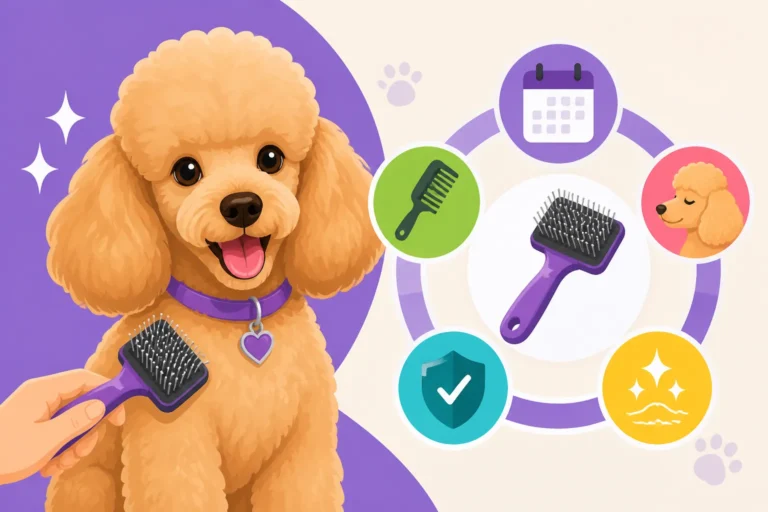
This might sound counter-intuitive, but brushing more frequently often leads to spending less time overall on brushing. A quick 15-20 minute session every single day, or at least every other day, prevents small tangles from becoming big mats. It’s the difference between doing a little bit of maintenance regularly and having to undertake a massive renovation project once a month. When you brush daily, you're merely removing loose hair and addressing tiny, fresh tangles that haven't had a chance to set in.
Think about it: five 20-minute sessions over a week (100 minutes total) are usually far less arduous and painful than one 2-hour session trying to detangle a week's worth of mats. Daily consistency also gets your Poodle used to the routine, making them more cooperative and less likely to squirm. They learn that it's just part of their day, like mealtime or a walk. How Often a Poodle Must Be Brushed delves into this in more detail.
Choosing the Right Clip
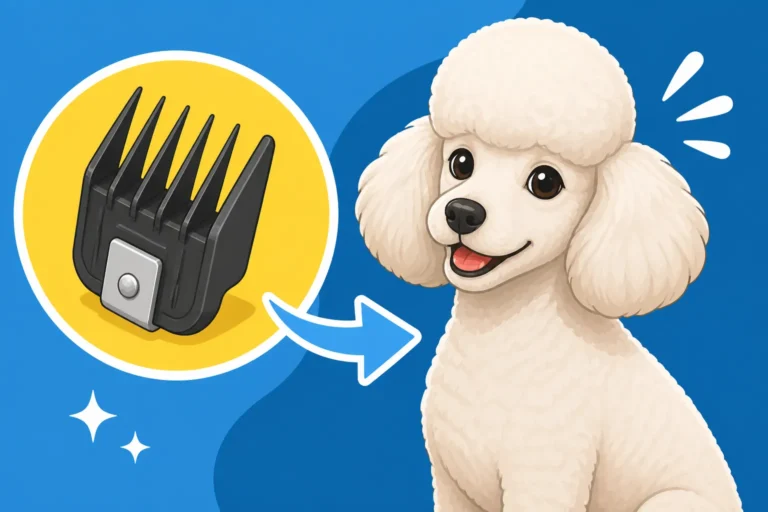
If time is your biggest concern, then honestly, consider a shorter haircut for your Poodle. While the long, flowing Poodle coats are undeniably beautiful, they are incredibly high maintenance. A practical, shorter clip, often called a "kennel clip," "sporting clip," or "lamb clip," where the hair is kept at 1-2 inches all over, can drastically cut down on brushing time.
With a shorter coat, friction points are minimized, dirt and debris are less likely to get embedded, and tangles have less hair to grab onto. What might take an hour to line brush on a long coat could take a mere 15-20 minutes on a short one. You still need to brush regularly to maintain skin health and prevent any minor matting, but the intensity and duration of each session are significantly reduced. It's about finding a balance between aesthetics and practicality that suits your lifestyle. For more options, explore Choosing a Clip for a Pet Poodle.
Investing in Quality Tools
You truly get what you pay for when it comes to Poodle grooming tools. Trying to save a few dollars on a cheap slicker brush or a flimsy comb will only lead to frustration, pain for your dog, and ultimately, wasted time. Good tools are designed to work efficiently with the Poodle coat.
- Slicker Brush: A sturdy slicker brush with pins that don't bend easily is crucial for getting through the dense Poodle coat. Look for one with a comfortable handle that fits your hand well.
- Metal Greyhound Comb: This is your mat detector. After brushing a section with the slicker, run the comb through it. If the comb glides smoothly, that section is tangle-free. If it snags, you know exactly where to go back and work. A comb with both fine and wide teeth is ideal.
- Detangling Spray: A good quality detangling spray makes working out knots much easier and reduces static electricity that can cause more tangles. It adds slip to the hair, allowing the brush or comb to pass through more smoothly. You can find excellent options for these supplies on Chewy or Amazon. Some owners even swear by certain conditioners or nourishing supplements, like those from Ollie, which they believe contribute to a healthier, more manageable coat from the inside out.
Making Grooming a Positive Experience
Your Poodle's cooperation can significantly impact brushing time. If your dog dreads grooming, they'll squirm, resist, and make every session a battle. Building positive associations is vital.
- Start Young: If you have a puppy, start handling and brushing them from day one, even if it's just for a minute or two. Make it a fun game with lots of praise and high-value treats.
- Short, Sweet Sessions: Don't try to tackle the whole dog at once if they're not used to it. Do a leg, give a treat. Do an ear, give a treat. Gradually increase the duration as their tolerance grows.
- Positive Reinforcement: Always reward calm, cooperative behavior with treats, praise, and gentle petting. If they start to get antsy, take a short break.
- Calm Environment: Groom in a quiet, familiar place where your Poodle feels secure. Play calming music, or simply ensure there are no distractions.
- Desensitization: Gradually introduce the sounds and sensations of all your grooming tools, including clippers and dryers, in a positive way. Desensitizing a Poodle to Clippers is a great guide for this. The more comfortable your Poodle is, the less time you'll spend wrestling and the more time you'll spend brushing.
When to Call in the Professionals
Despite your best efforts, there are times when trying to brush your Standard Poodle yourself can become overwhelming, ineffective, or even detrimental to your dog's well-being. Knowing when to wave the white flag and seek professional help is a sign of a responsible Poodle owner.
Recognizing When You're Overwhelmed
It's a common scenario: you've been diligently trying to keep up with brushing, but somehow, those little tangles have conspired against you and coalesced into impenetrable mats. You're trying, you're pulling gently, but your Poodle is yelping, flinching, and clearly in discomfort. Or perhaps you've spent an hour on just one leg, and the rest of the dog still looks like a sheep that's gone through a hedge backward. That's your sign.
When you feel frustrated, defeated, and your Poodle is visibly distressed, continuing to try and brush out severe matting can cause pain, skin irritation, and even damage their coat. More importantly, it can permanently sour their opinion of grooming, making future sessions even harder. It's far better to recognize this point and accept that some mats are beyond home detangling. Don't feel guilty; Poodle coats are notoriously difficult, and professional groomers have specialized tools, techniques, and experience to handle even the toughest situations. For severe matting, sometimes the kindest and quickest solution is a full shave down, which professionals are equipped to do safely.
The Benefits of a Professional Groomer
Professional groomers are Poodle coat wizards. They understand the nuances of the curly hair, the common matting points, and how to work efficiently and safely.
- Expertise and Experience: They've seen it all, from minor tangles to severe, felted coats. They know exactly which tools and products to use for specific coat conditions. They're also trained to handle dogs who might be less cooperative during grooming.
- Specialized Equipment: Grooming salons have high-velocity dryers that can blow out loose hair and help separate the coat before brushing, professional clippers with various blades, and a wide array of brushes and combs you might not have at home. This equipment is designed for efficiency and effectiveness on Poodle coats.
- Time-Saving: What might take you several frustrating hours to attempt to detangle could be resolved by a professional in a much shorter, more effective session. They can quickly assess the situation and determine the best course of action, whether it's a careful dematting or a clean shave.
- Maintaining Coat Health: Beyond just brushing, groomers can provide a full service, including bathing, conditioning, ear cleaning (important for Ear Infections Under a Poodle's Drop Ears), nail trims, and styling. Regular professional grooming (typically every 4-8 weeks, depending on coat length) can keep your Poodle's coat in optimal condition, making your in-between home brushing efforts much easier and faster. Think of it as a reset button that allows you to maintain a healthy, tangle-free coat with less effort at home. While there are costs associated, often it saves you a lot of headache and prevents larger veterinary bills down the line from severe matting-related skin issues.
So, while brushing a Standard Poodle does take time – potentially a lot of it if not managed proactively – it's a manageable part of Poodle ownership. With consistency, the right tools, a positive approach, and knowing when to seek professional help, you can keep your Poodle's coat healthy and beautiful without it consuming your life.
Disclaimer
This article is for general informational purposes only and does not constitute professional advice. Laws, prices and regulations vary by location and change over time. Consult a qualified professional for guidance on your specific situation.