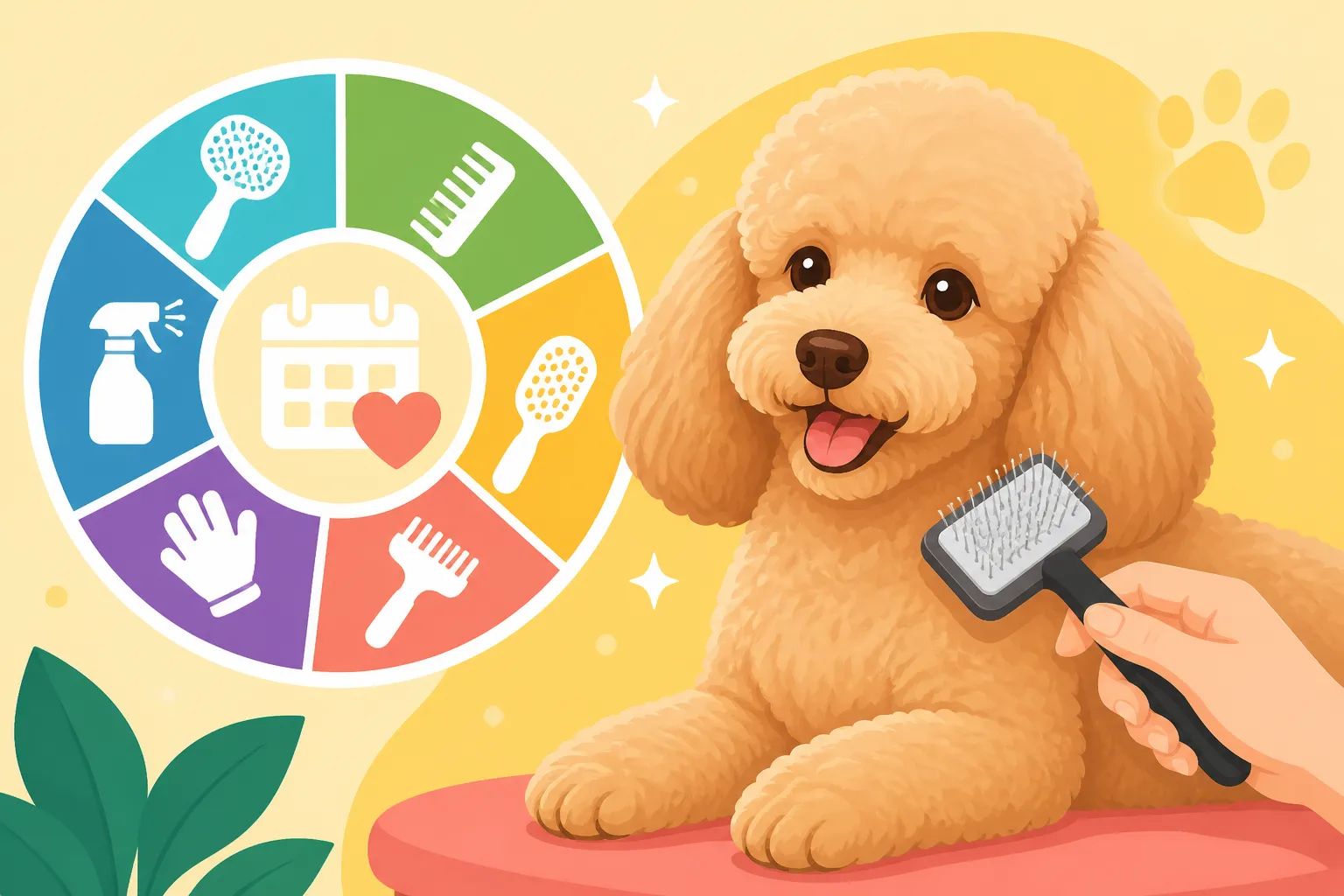
How Often a Pet Poodle Needs Brushing
Oh, the age-old question that keeps every Poodle owner up at night: "Am I brushing enough?" It's a common frustration, isn't it? You try your best, you think you're diligent, and then suddenly, there's a mat behind an ear or in an armpit that seemingly appeared out of nowhere. This guide is here to unravel the mystery of Poodle brushing frequency, helping you keep that magnificent coat healthy and mat-free without feeling like you're constantly battling a fuzzy beast.
Understanding the Poodle Coat's Unique Demands
Let's be real, the Poodle coat isn't just "hair"; it's a commitment. Unlike many other breeds with double coats or shedding cycles, the Poodle's single coat is constantly growing, much like human hair. This unique characteristic is what makes them so often touted as "hypoallergenic," but it also means they require a very specific and consistent grooming routine to prevent serious issues.
The "Hair, Not Fur" Distinction
When people say Poodles have "hair, not fur," it's not just a cute saying – it's a crucial distinction for understanding their grooming needs. "Fur" typically refers to coats that shed seasonally or in clumps, with a defined growth cycle that results in old hair falling out to make way for new. Think of a Labrador or a German Shepherd, and the tumbleweeds of hair you find around the house. Poodles don't shed in this manner. Instead, their individual hairs have a much longer growth phase and don't readily fall out.
This continuous growth means that any loose, dead hair gets trapped within the existing curls. It doesn't drop to your floor; it stays right there, intertwined with the healthy, growing hair. If this trapped hair isn't regularly brushed out, it begins to clump together, forming tangles and then, inevitably, mats. These aren't just cosmetic issues; they can pull on the skin, cause discomfort, restrict movement, and even lead to skin infections if moisture and debris get trapped underneath. Understanding this fundamental difference is the first step in mastering your Poodle's grooming needs.
The Matting Monster: How Mats Form and Why They Are a Problem
Mats are the bane of every Poodle owner's existence. They start innocently enough as small tangles, often in high-friction areas like behind the ears, under the armpits, around the collar, or where harnesses sit. These small tangles quickly tighten and grow if not addressed promptly. When dirt, debris, and moisture are added to the mix, they become dense, felt-like masses that are incredibly difficult to remove without causing pain to your dog.
Imagine trying to brush out dreadlocks that are attached to your skin – that's what a Poodle feels like when severely matted. The constant pulling of the mat on their skin can be incredibly painful, making them reluctant to be touched or groomed. Beyond the discomfort, mats create a breeding ground for bacteria and parasites. Skin trapped under a mat cannot breathe properly, leading to hotspots, fungal infections, and other skin irritations. In extreme cases, severe matting can even cut off circulation, leading to tissue damage. It’s a vicious cycle: matting causes pain, pain makes grooming difficult, and difficult grooming leads to more matting. This is why consistent, preventative brushing is not just about looks, but about your Poodle's overall health and well-being.
General Guidelines for Brushing Frequency
There's no single "magic number" for how often to brush a Poodle, but we can certainly lay down some solid guidelines. The truth is, it depends heavily on the length of their coat and their lifestyle. Being honest with yourself about your capacity for grooming is key when choosing a coat style for your Poodle.
The Short Clip Advantage
If you're a busy Poodle owner or simply prefer a low-maintenance approach, a short clip is your best friend. This often means a clip of around 1/2 inch to 1 inch all over the body, sometimes referred to as a "kennel clip" or a "sporting clip." With a coat this length, mats have very little opportunity to form, making your life, and your Poodle's, much easier. Many owners who choose this style find that brushing two to three times a week is perfectly sufficient.
Even with a short coat, regular brushing is still important. It helps distribute natural oils, removes any loose hair, dirt, and dander, and stimulates blood flow to the skin, promoting a healthy coat. Plus, it's a fantastic opportunity for bonding and a quick health check – you can feel for any bumps, cuts, or skin irritations that might otherwise go unnoticed. Don't skip brushing entirely just because the coat is short; think of it as a quick, pleasant routine rather than a chore. For more on different styles, check out The Sporting and Kennel Poodle Clips.
Long and Luscious: The Commitment of a Longer Coat
Ah, the glorious, flowing Poodle coat – often seen in show rings or on dogs with dedicated owners who love the classic Poodle look. This is where the real commitment comes in. If you want to maintain a longer coat, whether it's a puppy clip, a lamb clip, or the intricate continental cut, you are looking at daily brushing. Yes, you read that right: every single day.
Why so often? Because the longer the hair, the more surface area there is for tangles to form, and the easier it is for loose hair to become woven into the growing coat, forming mats. A skipped day or two can quickly turn into a significant matting problem, especially in critical areas. If you let a longer coat go for even a few days without brushing, you might find yourself facing a session that takes an hour or more to meticulously line brush every inch of your Poodle, from head to paw. This daily routine, while time-consuming, is essential for maintaining the health and beauty of a longer coat, and preventing pain for your beloved Poodle. For a deeper dive into the effort required, consider How Long Brushing a Standard Poodle Takes.
| Coat Length/Style | Recommended Brushing Frequency | Rationale |
|---|---|---|
| Very Short (Kennel) | 2-3 times per week | Minimal hair to mat; easy maintenance. |
| Short (Puppy/Sporting) | Every other day | Still manageable, but enough length for tangles if neglected. |
| Medium (Lamb) | Daily | Increased length means increased risk of matting, especially in friction areas. |
| Long (Show/Continental) | Daily, sometimes twice daily | Maximum matting risk; requires meticulous attention to every inch of coat. |
| During Coat Change | Daily, often twice daily | Puppy coat sheds into adult coat, creating extreme matting potential. |
Factors That Influence Brushing Frequency
While general guidelines are a great starting point, your Poodle isn't a textbook example living in a vacuum. Several real-world factors can drastically change how often you need to grab that slicker brush. Ignoring these can lead to frustration and a matted mess faster than you can say "Poodle clip."
Lifestyle and Activity Level
Your Poodle's daily adventures play a massive role in their grooming needs. Is your Poodle a couch potato who rarely ventures beyond the backyard, or are they an avid hiker, swimmer, or dog park enthusiast? An active Poodle will naturally pick up more debris, encounter more friction, and get wet more often, all of which accelerate matting.
Think about a Standard Poodle who loves to romp through tall grass in the park. Burrs, twigs, and leaves can become instantly entangled in their curls. A Toy Poodle who enjoys digging in the garden can get dirt caked into their tiny paws and leg furnishings. And then there's swimming! While many Poodles absolutely adore the water, a wet coat left to air dry is a mat-forming disaster waiting to happen. If your Poodle gets wet, whether from a swim, a bath, or a rainy walk, you must thoroughly brush and dry their coat to prevent mats from cementing in place. Swimming With a Poodle can be a blast, but it always means extra grooming afterwards. The more active and adventurous your Poodle, the more proactive you need to be with your brushing schedule. It's about adapting your routine to their life, not forcing their life to fit your grooming schedule.
Age and Coat Change
The age of your Poodle is another significant factor in brushing frequency. Poodle puppies, typically between 8 and 18 months of age, go through what's known as "coat change." This is a notorious period where their soft, fluffy puppy coat is replaced by the denser, curlier adult coat. During this transition, the puppy hair sheds out but gets caught in the incoming adult coat, leading to an almost unbelievable amount of matting.
Many new Poodle owners are caught off guard by the intensity of coat change. A puppy who was easily brushed every other day might suddenly need daily, sometimes even twice-daily, meticulous line brushing just to stay on top of the tangles. If you're going through this phase, deep breaths and patience are crucial. It's temporary, but it demands extreme diligence. Getting Through a Poodle's Coat Change is a true test of a Poodle owner's dedication. Older Poodles, particularly those with conditions that affect coat health or mobility, might also require special attention. Their skin can become more fragile, and they might not tolerate long brushing sessions as well, requiring shorter, more frequent gentle brushes.
Environmental Factors
The environment your Poodle lives in can also impact how frequently you need to brush. Humidity, for instance, can make a Poodle's coat curl tighter and become more prone to matting. If you live in a humid climate or experience damp weather, you might find mats forming more quickly than in a drier environment. Similarly, environmental allergens can cause a Poodle to scratch or rub more frequently, which can create tangles and disrupt the coat, leading to mats.
Consider also the surfaces your Poodle spends time on. A Poodle who spends a lot of time on carpets might experience more friction on their coat than one primarily on smooth floors, potentially increasing matting in their underside or hocks. Even simply being indoors during heating season can dry out a Poodle's skin and coat, making it more brittle and prone to tangles. Being aware of these subtle environmental influences can help you adjust your brushing routine proactively, preventing small issues from escalating into major grooming headaches. You might find you need extra brushing during peak allergy season, or after a particularly damp spell.
Practical Tips for Efficient Brushing Sessions
Knowing how often to brush is only half the battle; knowing how to brush effectively is just as important. A quick surface brush might make you feel productive, but it won't prevent mats. To truly penetrate the Poodle coat and keep it healthy, you need proper technique and the right tools.
The Importance of Line Brushing
If there's one technique every Poodle owner absolutely must master, it's line brushing. This isn't just running a brush over the top of the coat; it's a systematic approach to ensure you get all the way down to the skin. To line brush, you essentially part the coat in sections, much like styling human hair, and brush in horizontal "lines."
Start by placing your Poodle on a grooming table or a non-slip surface at a comfortable height for you both. Begin at the bottom of a leg or the tail. Part the hair horizontally with your free hand, exposing a small section of skin. Hold the unbrushed hair up and out of the way. Then, with your slicker brush, brush downwards through the small section of hair you've isolated, from the root all the way to the tip. Once that section is tangle-free, move your parting line up slightly, creating another small section of hair, and repeat. You work your way up the leg, then move to the body, meticulously brushing line by line until you've covered every inch of your Poodle. After using the slicker, follow up with a metal greyhound comb to ensure there are no missed tangles. If the comb snags, go back with the slicker brush until it glides through smoothly. This method is slow and thorough, but it's the only way to truly prevent mats from forming deep within the coat. For a visual guide, consider How to Line Brush a Poodle Properly.
The Right Tools for the Job
Having the right arsenal of grooming tools is non-negotiable for a Poodle owner. Skimping on quality here will only lead to frustration, pain for your dog, and ultimately, a more expensive visit to the professional groomer for a shave-down.
First, invest in a high-quality slicker brush. These brushes have fine, bent wire bristles that are excellent for penetrating the dense Poodle coat and detangling. Brands like Chris Christensen, Artero, or ActiVet are often recommended by professional groomers, though you can find decent options on Amazon or Chewy. The size of the slicker should match your Poodle – a larger brush for a Standard, a smaller one for a Toy or Miniature. Next, a sturdy metal greyhound comb with both wide and fine teeth is indispensable. This comb is your final check; if the comb can pass through the coat easily, you're golden. You'll also want a good detangling spray. These sprays can help loosen tangles and protect the hair from breakage during brushing, making the process more comfortable for your Poodle. Finally, a small pair of blunt-nosed scissors or a seam ripper can be useful for carefully cutting into (not through) stubborn mats to help loosen them before brushing, but extreme caution is advised. If you're not confident, leave mat removal to a professional.
Making Brushing a Positive Experience
No one wants to wrestle an unwilling Poodle every day. Making brushing a positive, calm experience is vital for long-term success. Start early, especially if you have a puppy. Introduce the brush slowly, letting them sniff it. Start with very short sessions – just a few strokes – and immediately follow with a high-value treat and praise. For example, a little dab of peanut butter on a Lickimat or a tiny piece of a high-quality treat like those from Ollie can work wonders. Gradually increase the duration of your sessions as your Poodle becomes more comfortable.
Consistency is key. Regular, short, positive sessions are far better than infrequent, long, and frustrating ones. Always be gentle, and if you encounter a tangle, don't yank! Use a detangling spray, work slowly from the end of the tangle, and support the skin with your hand to prevent pulling. If your Poodle shows signs of discomfort or fear, take a break. Remember, grooming is an act of care and bonding, not a punishment. With patience and positive reinforcement, your Poodle can learn to not just tolerate but even enjoy their daily grooming ritual. This positive foundation will also make trips to the professional groomer much less stressful.
Disclaimer
This article is for general informational purposes only and does not constitute professional advice. Laws, prices and regulations vary by location and change over time. Consult a qualified professional for guidance on your specific situation.