Whether a Matted Poodle Can Be Saved
It’s a heart-sinking moment when you realize your beloved Poodle's soft curls have transformed into a dense, unyielding felt. Matting isn't just a cosmetic issue; it's a painful and potentially dangerous condition that can trap moisture, hide parasites, and restrict movement. This guide is here to walk you through understanding why Poodles mat, how to assess the severity of the situation, and what steps you can take – often with professional help – to restore your Poodle’s comfort and health.
Understanding Poodle Matting: Why It Happens and What It Is
Poodles are famous for their luxurious, hypoallergenic coats, but this very feature is what makes them so prone to matting. Unlike dogs with fur that sheds, Poodles have hair that grows continuously, much like human hair. This unique texture, combined with its density and curl, creates a perfect storm for tangles that, if neglected, quickly escalate into severe mats.
The Biology of the Poodle Coat
A Poodle's coat is made up of individual strands of hair that are curly and fine. These strands don't shed out in the same way that a Labrador's fur might; instead, dead hair gets trapped within the growing coat. If this trapped hair isn't regularly brushed out, it intertwines with live hair, forming knots. These knots then snag more loose hair and foreign debris, like twigs, dirt, or even bits of food, creating an ever-growing tangle. Imagine a ball of yarn constantly being rolled through sticky burrs – that's essentially what happens to an unbrushed Poodle coat. This process is often exacerbated during specific periods, like when a Poodle puppy's soft puppy coat transitions to a denser adult coat, or in senior Poodles whose skin may become drier and more prone to irritation.
From Tangles to Terrors: Stages of Matting
Matting doesn't happen overnight; it's a progression. Initially, you might notice small tangles behind the ears, in the armpits, or where a harness rubs. These are usually easy to brush out with a good slicker brush and a comb. However, if these small tangles are ignored, they become larger, more solid knots.
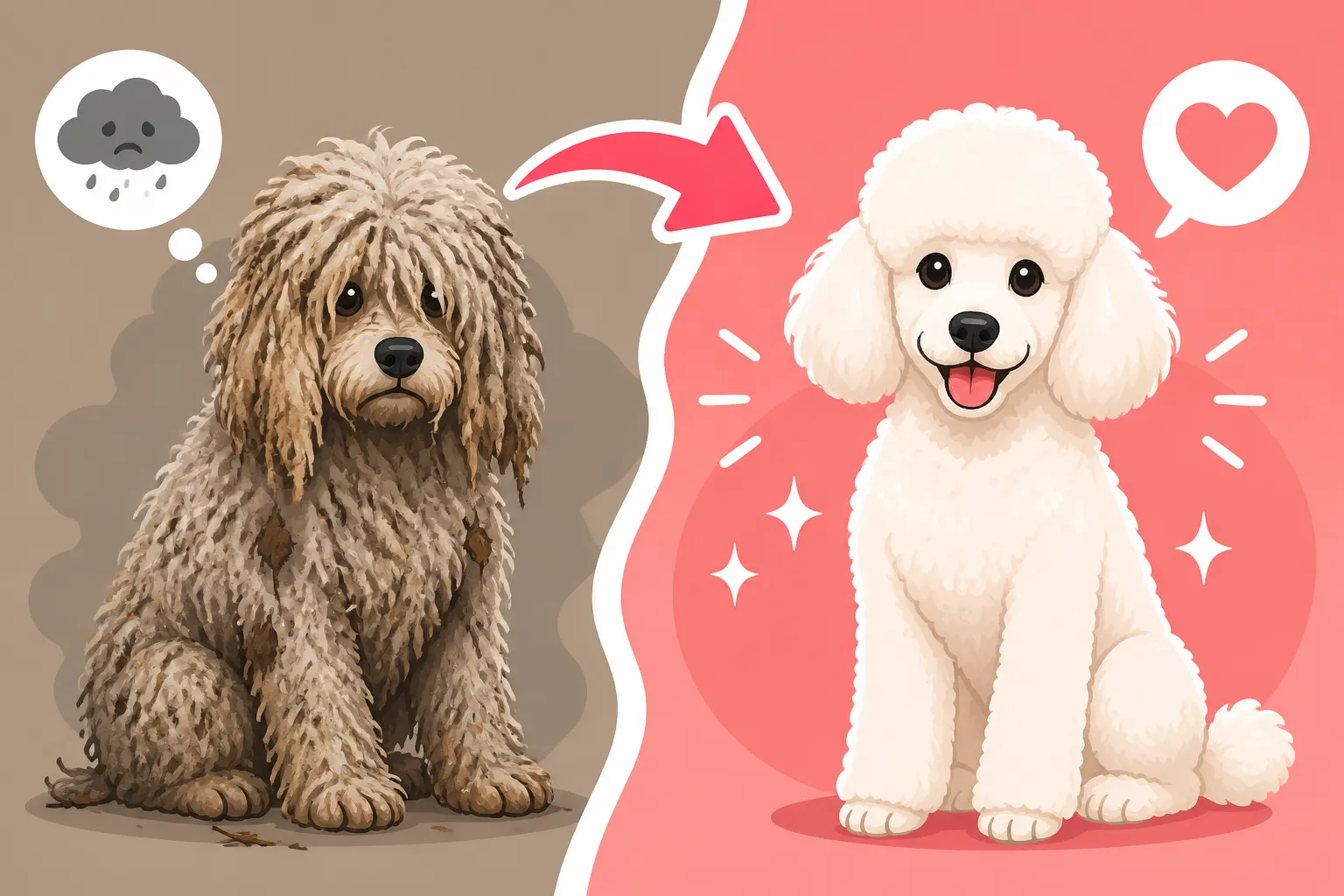
The next stage is when these knots start to connect, forming flat sheets of matted hair, often seen across the back, flanks, or around the tail. These sheets pull at the skin, causing discomfort. The most severe stage, often referred to as "felting" or "pelting," occurs when the entire coat becomes a solid, impenetrable layer, almost like a heavy blanket. This felted coat adheres tightly to the skin, making it impossible to insert a comb or even your fingers between the mat and the skin. At this point, the Poodle's skin can't breathe, leading to irritation, sores, and potential infections. It also restricts the Poodle's natural movement, turning simple actions like walking or lying down into painful chores. Why a Poodle Coat Mats Instead of Shedding delves deeper into this unique coat characteristic.
Assessing the Damage: Can This Matted Poodle Be Saved?
When you look at a severely matted Poodle, the question of whether the coat "can be saved" often means, "Can it be brushed out?" The honest, empathetic answer is usually no, not without causing immense pain and potentially traumatizing your Poodle. For severe matting, "saving" your Poodle means relieving them of the painful, unhealthy coat, which almost always involves shaving it off.
Is It Just a Few Tangles or a Felted Coat?
To figure out what's possible, you need to honestly assess the extent of the matting.
- Mild Tangles: If you can still get a comb through most of the coat, only encountering resistance in small, localized areas (like behind the ears, under the chin, or in the armpits), you might be able to work these out at home. This requires patience, a good detangling spray, and careful Line Brushing a Poodle Explained. It's a slow process, working small sections at a time, always supporting the skin at the base of the mat to minimize pulling.
- Moderate Matting: When the tangles are larger, more numerous, and starting to connect into sheets, but you can still sometimes get a comb between the mat and the skin in certain areas, you're in a tricky spot. Attempting to brush this out at home is often too painful for the dog and risks skin irritation or injury. This is the point where a professional groomer is essential, and even they may recommend a partial shave-down or a very short trim to remove the worst areas.
- Severe Matting (Felted Coat): If you cannot get a comb, or even your fingers, between the matting and the skin anywhere on the dog's body, the coat is considered "felted." It often feels like a hard shell. In this scenario, attempting to brush it out is not only incredibly painful but virtually impossible without causing severe skin damage. The Poodle will be in distress, and you could inadvertently cut or tear their delicate skin hidden beneath the dense mat. Checking a Poodle's Armpits and Ears for Mats can help you locate common problem areas.
When Shaving is the Only Humane Option
For severely matted Poodles, the most humane and often the only option is a complete shave-down. This means taking the coat down very short, often to the skin, with clippers designed to go under the mats. This decision is made not because a groomer is lazy or doesn't want to brush, but because it is the kindest path for the dog.
A matted coat creates several health risks:
- Pain and Discomfort: The constant pulling on the skin is agonizing. Mats restrict movement, making walking, running, sitting, and even lying down uncomfortable.
- Skin Infections: Trapped moisture under the mats creates a breeding ground for bacteria and yeast, leading to hot spots, dermatitis, and other painful Skin Infections Under a Matted Poodle Coat.
- Parasites: Fleas, ticks, and other parasites can hide deep within mats, making them incredibly difficult to detect and treat.
- Restricted Circulation: In extreme cases, tight mats can restrict blood flow, especially around the ears, tail, and paws.
- Hidden Injuries: Mats can conceal cuts, scrapes, or other injuries, preventing them from healing properly or being noticed by the owner.
A groomer will prioritize your Poodle's comfort and health above all else. They understand that a beautiful coat is secondary to a healthy, happy dog. Don't feel guilty if a shave-down is necessary; you are making the best choice for your Poodle's well-being.
The Grooming Process for a Matted Poodle
Once the decision is made to address severe matting, especially through shaving, it's crucial to understand what the process entails, both for your Poodle and for you. This isn't a quick fix, and it requires specialized skills.
The Groomer's Expertise: Assessment and Action
When you bring a severely matted Poodle to a professional groomer, their first step will be a thorough assessment. They'll examine the extent of the matting, feeling for density, looking for any skin issues already present, and determining the best and safest approach. They will likely explain that brushing out is not an option and that a full shave-down is required. They might also discuss the potential for uncovering skin irritation, sores, or even cuts beneath the mats. This initial conversation is vital for managing expectations and understanding the risks involved. It’s also common for groomers to charge a surcharge for matted dogs due to the extra time, specialized equipment, and increased risk involved. Why Groomers Refuse Severely Matted Poodles sometimes, is due to the sheer severity or the temperament of the dog.
The Shave-Down: A Clean Slate
The actual shave-down process is delicate and demands skill. Clippers are used with a very short blade (often a #10 or even a #30 or #40, which shaves very close to the skin) to get underneath the mats. This is not like a regular haircut. The groomer must work slowly and carefully to avoid cutting the skin, which can be thin, stretched, or irritated by the mats. The process can be stressful for the Poodle, as the clippers might pull slightly, or the sensation can be unfamiliar on tender skin.
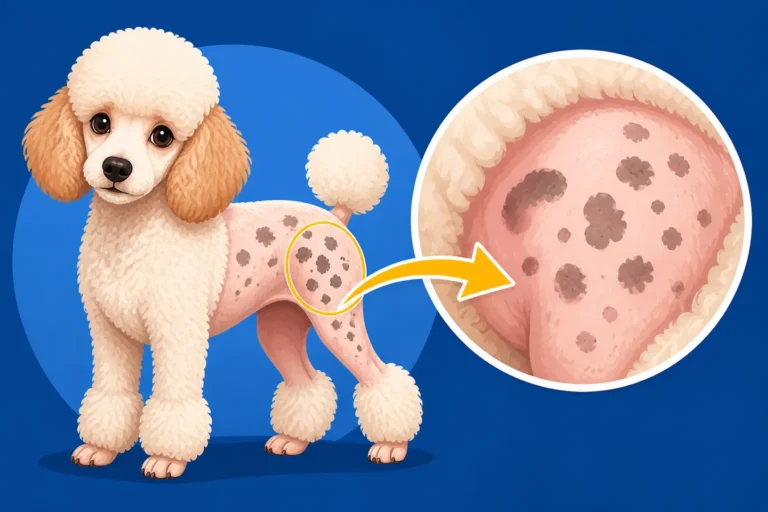
After the mats are removed, the Poodle will look drastically different, often with a very short, sparse coat, or patches of bare skin. This can be a shock for owners, but remember, it's for their Poodle's health. The relief for the dog is usually immediate and profound. Once shaved, the Poodle will receive a bath to clean the skin, remove any remaining loose hair, and soothe any irritation. Special shampoos for sensitive skin might be used.
Post-Shave Care and Skin Issues
After a severe shave-down, your Poodle's skin will be exposed to the elements, sometimes for the first time in a long time. It's crucial to provide proper post-shave care:
- Sun Protection: If your Poodle's skin is pink or light-colored, it will be highly susceptible to sunburn. Limit outdoor exposure during peak sun hours or use a dog-safe sun protective garment.
- Temperature Regulation: Without their insulating coat, your Poodle might get cold easily. Provide sweaters or coats in cooler weather and ensure they have warm bedding indoors.
- Moisturizing and Soothing: Your groomer might recommend a moisturizing spray or conditioner to help soothe the skin as it recovers. Always use products specifically formulated for dogs. You can find many great options online, like those available on Chewy or Amazon.
- Monitoring for Irritation: Keep a close eye on your Poodle's skin for any signs of redness, itching, or developing hot spots. Contact your vet if you have concerns. What a Shave Down Does to a Poodle can provide more detail on this often necessary step.
Prevention is Key: Keeping Your Poodle Mat-Free
The best way to deal with matting is to prevent it from happening in the first place. Consistent, proactive grooming is not just about aesthetics; it's a fundamental part of Poodle care and ensures their comfort and well-being.
Daily Brushing: Your First Line of Defense
Yes, daily brushing. It might sound like a lot, but for a Poodle, it's essential. This isn't just a quick run-through with a brush; it needs to be thorough. You need to brush "to the skin," meaning you should be able to get a comb all the way from the tip of the hair down to the skin without meeting resistance. The technique of Line Brushing a Poodle Explained is crucial here. You section the hair and brush in layers, ensuring you're reaching the roots where mats begin. Pay special attention to high-friction areas: behind the ears, under the chin, armpits, groin, and anywhere a collar or harness sits. Regular brushing also helps distribute natural skin oils, promoting a healthy coat. How Often a Poodle Must Be Brushed truly depends on coat length and texture, but daily is ideal for longer clips.
Here’s a quick overview of matting severity and recommended actions:
| Matting Severity | Description | Recommended Action | Owner Involvement | Professional Involvement |
|---|---|---|---|---|
| Mild Tangles | Small, easily separated knots, comb glides through most of coat. | Gentle brushing and combing, detangling spray. | High: Daily maintenance at home. | Low: Routine grooming appointment. |
| Moderate Matting | Larger, more frequent knots, forming small sheets; comb catches. | Careful sectioning and brushing only if dog tolerates without pain; otherwise, professional intervention. | Medium: Can try, but risk of pain/skin damage is high. | High: Professional de-matting or short trim/shave-down. |
| Severe Matting | Coat is a solid, felted mass; impossible to get comb to skin. | Immediate professional shave-down. No brushing possible without severe pain. | Low: Do NOT attempt to brush at home. | Essential: Full shave-down (often under sedation for severe cases). |
Choosing the Right Tools
Having the right tools makes all the difference. For Poodles, a high-quality slicker brush and a metal greyhound comb are indispensable.
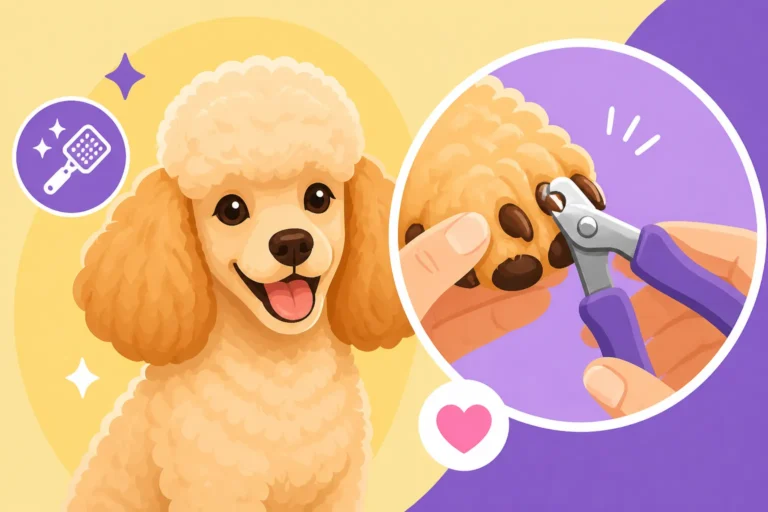
- Slicker Brush: This is your primary tool for detangling and removing loose hair. Choose one with bent wire pins that are firm but not too sharp. Brands like Chris Christensen or Artero are popular with Poodle owners and groomers, and you can often find them on Amazon or Chewy.
- Metal Greyhound Comb: After using the slicker, the comb is essential for checking your work and ensuring you've brushed all the way to the skin. It helps find any hidden tangles. Whether a Poodle Owner Needs a Greyhound Comb is a resounding yes!
- Detangling Spray: A good detangling spray can help lubricate the hair, making it easier to brush through minor tangles and preventing breakage.
- Grooming Table: While not strictly a "brushing" tool, a stable grooming table can make the entire process easier and more comfortable for both you and your Poodle, especially if you're setting up a Setting Up a Poodle Grooming Corner at Home.
Regular Professional Grooming Schedule
Even with diligent home care, regular visits to a professional groomer are non-negotiable for Poodles. Most Poodles need professional grooming every 4 to 8 weeks, depending on their coat length and lifestyle. A professional groomer can trim the coat, thoroughly bathe and dry your Poodle, and catch any small mats before they become serious problems. They have powerful high-velocity dryers that help straighten the coat, making brushing easier and ensuring a mat-free finish. Discuss with your groomer the ideal schedule and clip length for your Poodle's specific needs and your ability to maintain their coat at home. For instance, a very short "kennel clip" might allow for slightly longer intervals between grooms than a longer "teddy bear trim."
Remember, maintaining a Poodle's coat is a commitment. But it’s a commitment that prevents pain and keeps your Poodle happy and healthy, ready for all your adventures together!
Disclaimer
This article is for general informational purposes only and does not constitute professional advice. Laws, prices and regulations vary by location and change over time. Consult a qualified professional for guidance on your specific situation.