Changing a Poodle’s Food Over Ten Days
You've decided it's time to switch up your Poodle's food, maybe for better health, a change in life stage, or perhaps because their old food is no longer available. But let's be real, throwing a brand new bag of kibble into their bowl and expecting a smooth transition is just asking for trouble, and often a nasty mess on your carpet. This guide will walk you through a gentle, ten-day food transition plan designed to keep your Poodle's tummy happy and your household calm.
Why a Gentle Transition is Non-Negotiable for Your Poodle
Changing your Poodle's food might seem like a simple task, but for our furry friends, it's a significant dietary shift that their internal systems need time to adapt to. Unlike us, who might just decide to try a new restaurant without much fanfare, a dog's digestive system relies on a delicate balance of enzymes and gut flora. Introducing something entirely new too quickly can throw this balance completely off kilter, leading to some very uncomfortable, and often messy, consequences.
Understanding Your Poodle's Delicate Digestive System
Poodles, like many breeds, can have surprisingly sensitive stomachs. Their digestive tracts are home to billions of bacteria, both good and bad, that work together to break down food and absorb nutrients. When you suddenly introduce a different formula, kibble shape, or even just a new set of ingredients, you're essentially presenting these gut bacteria with an unfamiliar task. They need time to adjust their populations and produce the right enzymes to efficiently process the new food. Think of it like a tiny ecosystem inside your Poodle – a sudden environmental change can cause chaos.
This sensitivity is particularly true if you're moving from a highly processed food to a fresh food option, or vice versa. The fat content, protein sources, fiber levels, and even the preservatives (or lack thereof) can all play a role in how well your Poodle digests their meals. A healthy gut is vital for overall well-being, influencing everything from coat health to immune response, so protecting it during a food change is paramount. Why Poodle Health Splits by Size often highlights how different sizes might react to stress or change, and diet is a big one.
The Unpleasant Consequences of Hasty Food Swaps
Rushing a food change almost guarantees a rough time for both you and your Poodle. The most common issues are diarrhea, vomiting, and a general upset stomach. Imagine your Poodle waking you up in the middle of the night with an urgent need to go outside, only to have a runny mess on your rug. Or worse, finding a puddle of vomit where they were just sleeping. These are not only unpleasant but can also be distressing for your Poodle, making them feel unwell and even apprehensive about eating.
Beyond the immediate mess, rapid food changes can lead to nutrient malabsorption, as their body struggles to process the new diet. This means they might not be getting all the goodness from their new food, even if it's a superior product. In some cases, a severe upset can even trigger or exacerbate underlying sensitivities or allergies, leading to more persistent issues. We're talking about anything from increased itching to further gastrointestinal problems down the line. It's really not worth the risk for the sake of saving a few days.
The Step-by-Step 10-Day Food Transition Plan
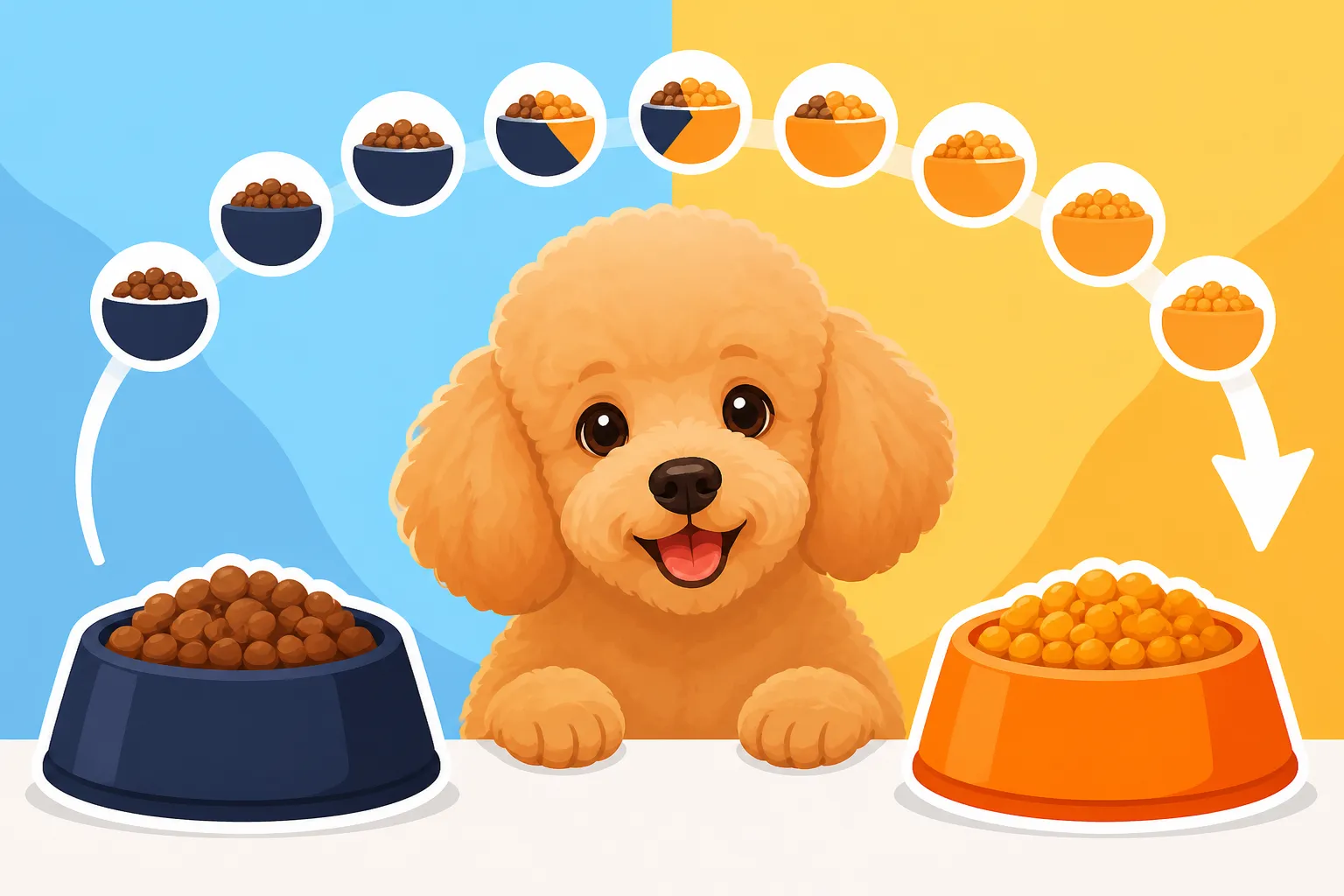
Okay, so we've established why it's important to go slow. Now, let's get into the how. A ten-day transition is generally considered the gold standard, offering enough time for most Poodles to comfortably adjust without feeling overwhelmed. This method involves gradually increasing the amount of new food while decreasing the old, allowing their digestive system to slowly acclimate.
The Gradual Introduction: Days 1-3
The first three days are all about a very gentle introduction. You're barely letting the new food peek into their bowl, just enough for their system to register it and start preparing for what's to come.
During this phase, about 75% of your Poodle's meal should still be their old, familiar food, with only 25% being the new diet. For example, if your Poodle eats one cup of food per meal, you'd feed ¾ cup of the old food and ¼ cup of the new. Mix it thoroughly so they can't easily pick out just the old kibble. Serve their meals as usual, and keep a close eye on their stool consistency, appetite, and general demeanor. Are they eating enthusiastically? Is their poop firm and well-formed? This initial phase is crucial for establishing a baseline. If you notice any soft stools or discomfort, you might consider extending this 75/25 ratio for another day or two before proceeding. Patience is key!
Increasing the New Food Ratio: Days 4-6
Once your Poodle has handled the 75/25 ratio beautifully for three full days, it’s time to bump up the new food a little more. For the next three days, you'll aim for a 50/50 split.
This means half of their meal will be their old food, and half will be the new. Following our one-cup example, that would be ½ cup of old food and ½ cup of new. Continue to mix it well. This is often the point where you might start to see subtle changes in their stool, as their system is now dealing with a more significant amount of the unfamiliar ingredients. Some Poodles might have slightly softer stools, which is okay as long as it's not full-blown diarrhea. If you notice persistent soft stools, or any vomiting, dial it back to the 75/25 ratio for a couple more days before trying the 50/50 again. Remember, every Poodle is an individual, and some may need more time at certain stages. Reading Pain in a Sensitive Poodle can give you clues if they're not feeling quite right.
Nearing Completion: Days 7-9
You're almost there! If your Poodle has sailed through the 50/50 stage with no issues, the next step is to drastically reduce the old food. For days 7 through 9, your Poodle's meal should consist of 75% new food and just 25% old food.
In our example, this means ¾ cup of the new food and ¼ cup of the old. By this point, their system should be largely adjusted to the new ingredients. They might even be showing more enthusiasm for the new food if it's particularly palatable. Continue to monitor their digestion closely. This stage confirms whether their system can handle a higher concentration of the new diet. If everything looks good – firm stools, good appetite, normal energy levels – then you're ready for the final step.
Full Transition and Ongoing Monitoring: Day 10 and Beyond
Congratulations! On day 10, your Poodle should be ready for a full transition. You can now offer 100% of the new food.
Even after the full transition, it’s important to continue monitoring your Poodle for any signs of digestive upset or other issues. Sometimes, subtle reactions might only appear once they are fully on the new diet. Pay attention to their coat condition, energy levels, and overall enthusiasm for meals. If you've switched to a specific type of food, like a fresh food diet from Ollie, you might even notice positive changes in their coat or energy fairly quickly. Feeding a Poodle by Size is important here, ensuring you're feeding the correct amount of the new food for their specific size and caloric needs.
Here's a handy table to visualize the 10-day transition:
| Day Range | Old Food Ratio | New Food Ratio | Observation Focus |
|---|---|---|---|
| Days 1-3 | 75% | 25% | Initial acceptance, any immediate upset? |
| Days 4-6 | 50% | 50% | Minor changes in stool consistency, sustained appetite |
| Days 7-9 | 25% | 75% | Confirm tolerance to new food as primary diet |
| Day 10+ | 0% | 100% | Overall well-being, long-term digestion, energy |
Troubleshooting Common Hurdles During Food Changes
Even with the best intentions and a gradual plan, changing a Poodle's food isn't always perfectly smooth sailing. Sometimes our clever Poodles throw us a curveball, whether it's turning their nose up at the new stuff or having a surprise tummy ache. Don't despair! Most issues can be resolved with a little patience and a strategic approach.
When Your Poodle Turns Up Their Nose
Ah, the picky Poodle. We've all been there. You excitedly present the new food, only for them to sniff it disdainfully and walk away as if you've insulted their very lineage. This is a common hurdle, especially if your Poodle was deeply attached to their old food or if the new food has a very different texture or scent. Don't force it. Starving them into submission is not a kind or effective long-term strategy and can create negative associations with mealtime.
First, try to make the new food more appealing. You can warm up wet food slightly to enhance its aroma. For kibble, adding a little low-sodium chicken broth (no onion or garlic!), a spoonful of plain pumpkin puree, or a drizzle of warm water can often do the trick. If you're using a fresh food service like Ollie, the enticing smell often overcomes pickiness. Sometimes, simply taking the bowl away after 15-20 minutes and offering it again at the next meal, without additional snacks, can work. If they refuse to eat for more than 24 hours, especially if they're a Toy Poodle or a puppy, it's time to worry about Hypoglycemia in a Toy Poodle Puppy and consult your vet. Don't just keep their old food around as a backup; it undermines the transition. Instead, focus on making the mixed meal more enticing.
What to Do About Unexpected Digestive Upset
Despite your careful, gradual approach, some Poodles might still experience a bit of loose stool or mild stomach upset at some point during the transition. It's usually a sign that you're pushing them a little too fast, or their system simply needs more time to adjust to a particular ingredient.
The immediate step is to go back to the previous ratio that they handled well. If they were fine at 75% old/25% new but started having issues at 50/50, revert to the 75/25 for a few extra days. You can also introduce a digestive aid, such as a probiotic supplement or a small amount of plain, cooked chicken and rice for a meal or two to settle their stomach, then reintroduce the mixed food very slowly. Always have plenty of fresh water available to prevent dehydration, which can be a concern with diarrhea. If the upset is severe (frequent vomiting, watery diarrhea, lethargy, or loss of appetite for more than a day), it's no longer just a "transition hiccup" and you need professional advice. First Signs of Addison's in a Poodle can sometimes be vague GI upset, so always be vigilant.
Knowing When to Consult Your Veterinarian
While most food transitions can be managed at home with patience, there are definitely times when it's best to call in the professionals. Your veterinarian is your best resource when you're unsure.
You should contact your vet if:
- Your Poodle experiences severe vomiting or diarrhea that doesn't resolve within 24 hours or if they are showing signs of dehydration (sunken eyes, lethargy, dry gums).
- They completely refuse to eat for more than 24 hours. This is especially critical for Toy Poodle puppies who can crash quickly.
- They show signs of discomfort, like persistent lethargy, abdominal pain, or significant changes in behavior.
- You've tried adjusting the pace, making the food more appealing, and maybe even a bland diet, but the digestive issues persist.
- You're transitioning a Poodle with known health issues, such as allergies, inflammatory bowel disease, or a history of Poodle bloat, as their dietary needs are often more complex.
- You're switching to a specialized prescription diet. In these cases, your vet will often provide specific transition guidelines.
They can offer personalized advice, recommend specific probiotics, or rule out any underlying health problems that might be complicating the food change. Many premium pet food brands, like those found on Chewy or even through direct sellers on Amazon, have nutritional experts on staff who can also provide guidance, but your vet should always be your first point of contact for health concerns.
Selecting the Perfect New Diet for Your Poodle's Needs
Choosing a new food for your Poodle isn't just about picking up the first bag you see on the shelf. It's about finding a diet that truly supports their unique health and lifestyle. With so many options out there – from traditional kibble to fresh food – it can feel overwhelming. But by considering a few key factors and leaning on expert advice, you can make an informed decision that will benefit your Poodle for years to come.
Matching Food to Your Poodle's Age, Size, and Activity Level
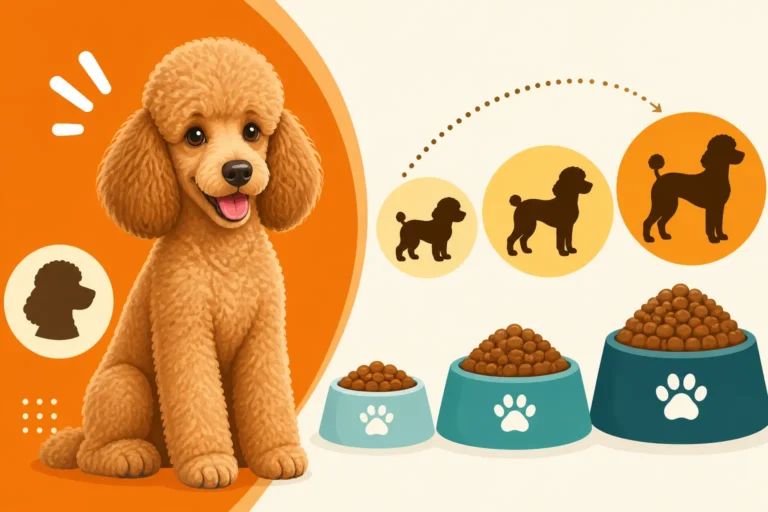
Just like people, Poodles have different nutritional needs at various life stages and depending on how much they move. A high-energy Standard Poodle puppy needs a different caloric and nutrient balance than a senior Toy Poodle who spends most of their day napping.
- Puppies: Growing Poodles require more calories, protein, and specific nutrient ratios (like calcium and phosphorus) to support their rapid development. Look for formulas specifically labeled "puppy" or "all life stages." For Standard Poodle puppies, a "large breed puppy" formula might be advisable to support slower, controlled growth and prevent skeletal issues. Why a Standard Poodle Puppy Should Grow Slowly emphasizes this.
- Adults: Once your Poodle reaches maturity (typically 1-2 years, depending on size), their growth slows, and their calorie needs generally decrease. An "adult" formula provides balanced nutrition for maintenance. Consider their activity level: an agility champion will need more energy than a couch potato.
- Seniors: Older Poodles (typically over 7-8 years, again size-dependent) may benefit from foods designed for seniors, which often have fewer calories to prevent obesity, increased fiber for digestive health, and added joint support nutrients like glucosamine. Caring for an Aging Poodle definitely includes dietary considerations.
- Size-Specific Formulas: While not always strictly necessary, some brands offer formulas tailored to "small breed" or "large breed" dogs, which can address concerns like kibble size (for Toy Poodles with tiny mouths) or joint health (for larger Standard Poodles).
Always check the feeding guidelines on the new food's packaging and adjust as needed based on your Poodle's individual metabolism and body condition.
Exploring Different Food Types: Kibble, Wet, and Fresh Options
The world of dog food has expanded dramatically, offering more choices than ever before. Each type has its own pros and cons:
- Dry Kibble: This is the most common and often most economical option. Good quality kibble is nutritionally complete and convenient to store. Look for brands with named meat sources as the first ingredient and avoid excessive fillers. You can find excellent options from reputable brands on platforms like Chewy or Amazon. Kibble Size for a Toy Poodle's Jaw is a real consideration here!
- Wet Food (Canned): Wet food is highly palatable, has a higher moisture content (great for hydration), and can be a good option for picky eaters or Poodles needing extra fluid intake. It can be more expensive and usually contains more calories per serving than kibble due to its density. Many Poodle owners mix wet food with kibble to enhance appeal.
- Fresh Food (Cooked/Raw): Services like Ollie deliver freshly cooked, human-grade meals tailored to your dog's needs. These often boast high palatability and can be excellent for dogs with sensitivities, as ingredients are minimal and transparent. Raw feeding is another option, but it requires extensive research and careful preparation to ensure nutritional completeness and safety, and should always be discussed with your vet. The benefits often reported with fresh foods include better digestion, shinier coats, and more energy, but the cost and storage requirements are higher. Fresh Food Portions Across Poodle Sizes is something to learn if you go this route.
Ultimately, the "best" food type is the one your Poodle thrives on, within your budget and lifestyle.
The Importance of High-Quality Ingredients and Vet Guidance
No matter what type of food you choose, prioritize high-quality ingredients. Look for identifiable animal protein sources (e.g., "chicken meal" rather than "meat meal"), whole grains or digestible carbohydrates (if not grain-free), and healthy fats. Avoid artificial colors, flavors, and excessive fillers. Some Poodles also have Poodle Allergies and Skin Reactions to certain ingredients, so a novel protein or limited ingredient diet might be necessary.
Before making a final decision, especially if your Poodle has any health conditions, always consult your veterinarian. They can help you evaluate ingredient lists, discuss specific dietary needs (e.g., for a Poodle with Thyroid Disease in Poodles or other medical conditions), and ensure the new food aligns with your Poodle's overall health plan. They might also suggest specific brands or types of food based on their clinical experience. Remember, your vet knows your Poodle best and can provide tailored advice that a general article simply can't.
Disclaimer
This article is for general informational purposes only and does not constitute professional advice. Laws, prices and regulations vary by location and change over time. Consult a qualified professional for guidance on your specific situation.