Brushing a Toy Poodle’s Teeth
One of the most disheartening things about loving a Toy Poodle is watching their bright, happy face dim due to dental pain, often surprisingly early in their lives. Many owners feel overwhelmed by the thought of brushing tiny teeth, or simply don't realize how critical it is until their vet delivers bad news. This guide is here to walk you through everything you need to know about brushing your Toy Poodle's teeth, from understanding why it's so important to making it a positive, routine experience for both of you.
Why Toy Poodles Face Unique Dental Challenges
It's not just your imagination or bad luck if your tiny Poodle seems to struggle with dental health more than, say, a Standard Poodle. Toy Poodles, like many small breeds, are unfortunately predisposed to a host of dental issues that can lead to significant pain, infection, and even impact their overall health if not addressed proactively. This isn't a reflection on your care; it's simply a biological reality we, as their guardians, need to understand and manage.
The Crowded Mouth Phenomenon in Small Breeds
Imagine trying to fit a full set of adult teeth into a space designed for baby teeth – that's often the reality for Toy Poodles. Their jaws are significantly smaller than their larger cousins, but they still have the same number of teeth trying to cram into that limited real estate. This crowding creates all sorts of nooks and crannies where food particles, plaque, and tartar love to hide. It's like having a house with too many furniture pieces; cleaning all the tight spots becomes a real chore. These overcrowded teeth often rotate or overlap, making it nearly impossible for the natural cleaning action of chewing to reach all surfaces. This means plaque has a field day, building up rapidly and unchecked in these hidden areas.
Furthermore, sometimes those tiny baby teeth just don't want to leave! It's common for Toy Poodles to have retained deciduous (baby) teeth even after their adult teeth start to come in. This creates a double-whammy of crowding, as both sets of teeth occupy the same limited space, accelerating plaque and tartar accumulation even further. Your vet will often check for Retained Baby Teeth in a Toy Poodle during their regular check-ups, and extraction is usually necessary to prevent future problems.
Rapid Plaque and Tartar Buildup
Because of the crowding and sometimes slightly different saliva composition in smaller breeds, plaque and tartar tend to form much more quickly on a Toy Poodle's teeth. What might take months to become problematic in a large dog can become an issue in a Toy Poodle in just weeks. Plaque is that soft, sticky film that you can feel on your own teeth after a long day without brushing. If it's not removed, it hardens into tartar (calculus), a brownish, cement-like substance that can only be removed by a professional dental cleaning under anesthesia. Once tartar forms, it provides a rough surface for even more plaque to adhere to, creating a vicious cycle.
This rapid buildup means that even if you're feeding a high-quality kibble or dental-specific treats, brushing remains the gold standard for prevention. Without consistent mechanical removal, that plaque will inevitably turn into tartar, leading to gingivitis (inflammation of the gums) and eventually periodontal disease, which is an infection of the structures supporting the teeth. Periodontal disease is excruciatingly painful and can lead to tooth loss. It can also cause bacteria to enter the bloodstream, potentially affecting vital organs like the heart, kidneys, and liver. Why Small Poodles Lose Teeth Early delves deeper into this issue.
Gathering Your Dental Arsenal: Tools for Tiny Teeth
Before you even think about tackling those tiny pearly whites, you need to have the right equipment. You wouldn't use a hammer to drive a screw, and similarly, using human toothpaste or the wrong brush can do more harm than good for your Toy Poodle. Investing in good quality, appropriate tools makes the whole process easier and more effective, ensuring your effort really pays off.
Choosing the Right Toothbrush
When it comes to brushing your Toy Poodle's teeth, size absolutely matters. Their mouths are small, and their teeth are delicate. Forget about those huge, bristly brushes made for humans; they'll be uncomfortable and ineffective. Look for brushes specifically designed for small dogs.
- Finger Brushes: These slip over your finger and have soft bristles. They're great for beginners and for getting your Poodle used to the sensation of brushing. They allow you to feel exactly where you're brushing and offer a gentle introduction. Many pet stores, including online retailers like Chewy and Amazon, offer multi-packs of these, which is handy as they can wear out.
- Small Pet Toothbrushes: These look like miniature human toothbrushes, often with two heads (one larger, one smaller) to accommodate different teeth. The bristles should be very soft to avoid irritating delicate gums.
- Ultrasonic Toothbrushes for Pets: While a bigger investment, some owners find these incredibly effective for reducing plaque and tartar with minimal brushing action. They use ultrasonic vibrations to disrupt bacterial chains. However, they still require cooperation from your Poodle to hold still.
No matter which type you choose, ensure the bristles are soft. Harsh bristles can damage enamel or irritate gums, turning a necessary routine into a dreaded event for your sensitive Poodle.
Selecting Pet-Safe Toothpaste
This is a non-negotiable: NEVER use human toothpaste on your Poodle. Human toothpaste contains fluoride, xylitol, and other ingredients that are toxic if swallowed by dogs. Your Poodle will swallow the toothpaste, so it must be safe for ingestion.
Pet toothpastes come in appealing flavors like poultry, beef, peanut butter, or even vanilla mint. These flavors are key to making the experience more pleasant for your Poodle. Think of it like a tasty treat rather than a chore. Many brands formulated for dogs also contain enzymes that help break down plaque even after brushing, offering an extra layer of protection. When you're browsing for supplies on sites like Amazon or Chewy, you'll find a wide variety of enzymatic toothpastes specifically designed for canines. Always check the ingredients list to ensure it's veterinary approved and free of harmful substances.
Other Helpful Accessories
While a brush and paste are the core essentials, a few other items can make your dental routine smoother:
- Dental Wipes: These are thin, textured wipes that you can wrap around your finger to gently rub off plaque from the tooth surfaces. They're not as effective as brushing but are excellent for quick touch-ups, especially for puppies or Poodles who are still learning to tolerate brushing. They're a great stepping stone.
- Comfortable Spot: Choose a quiet, well-lit area where both you and your Poodle can be comfortable. Some owners prefer to sit on the floor with their Poodle between their legs, others might use a grooming table or even just snuggle on the sofa. Consistency in location helps establish a routine.
- Treats: High-value treats are your secret weapon! Use them before, during, and after brushing to create positive associations. A tiny piece of cooked chicken or a favorite crunchy treat can go a long way in convincing your Poodle that dental time isn't so bad after all.
The Step-by-Step Guide to Brushing Your Toy Poodle's Teeth
Alright, you've got your tools, you're ready. Now for the actual brushing! This isn't a race; it's a gradual process, especially if your Toy Poodle isn't used to having their mouth handled. Patience and positive reinforcement are paramount. Remember that Poodles are intelligent and sensitive creatures, so a gentle approach will yield the best results. Training a Poodle to Enjoy Grooming offers broader advice on making grooming a positive experience.
Phase 1: Acclimation and Positive Association
The very first step isn't about brushing; it's about getting your Poodle comfortable with you touching their face and mouth.
- Start Slowly: Begin by simply touching your Poodle's muzzle gently, then lifting their lips for a second, and immediately rewarding with a high-value treat and praise. Do this several times a day for a few days. You want them to associate your touch with good things.
- Introduce the Toothpaste: Once they're okay with lip lifts, let them lick a tiny bit of pet toothpaste off your finger. Most Poodles love the taste! This gets them familiar with the flavor and shows them it's not scary. You can even dab a little on their gums with your finger. Again, lots of praise and treats.
- Introduce the Brush: Once they're enthusiastic about the toothpaste, let them lick a bit off the toothbrush itself. Just letting them interact with the brush in a positive way helps normalize it. Don't even try to brush yet.
This phase might take several days or even a week or two. Don't rush it. The goal is for your Poodle to be relaxed and even a little excited when you pick up the dental supplies.
Phase 2: Gentle Brushing Technique
Now you're ready to actually start brushing. Keep sessions short and positive.
- Choose Your Moment: Pick a time when your Poodle is relaxed and calm, perhaps after a nice walk or a cuddle session. Avoid times when they're over-excited or sleepy.
- Apply Toothpaste: Put a pea-sized amount of pet toothpaste on the brush.
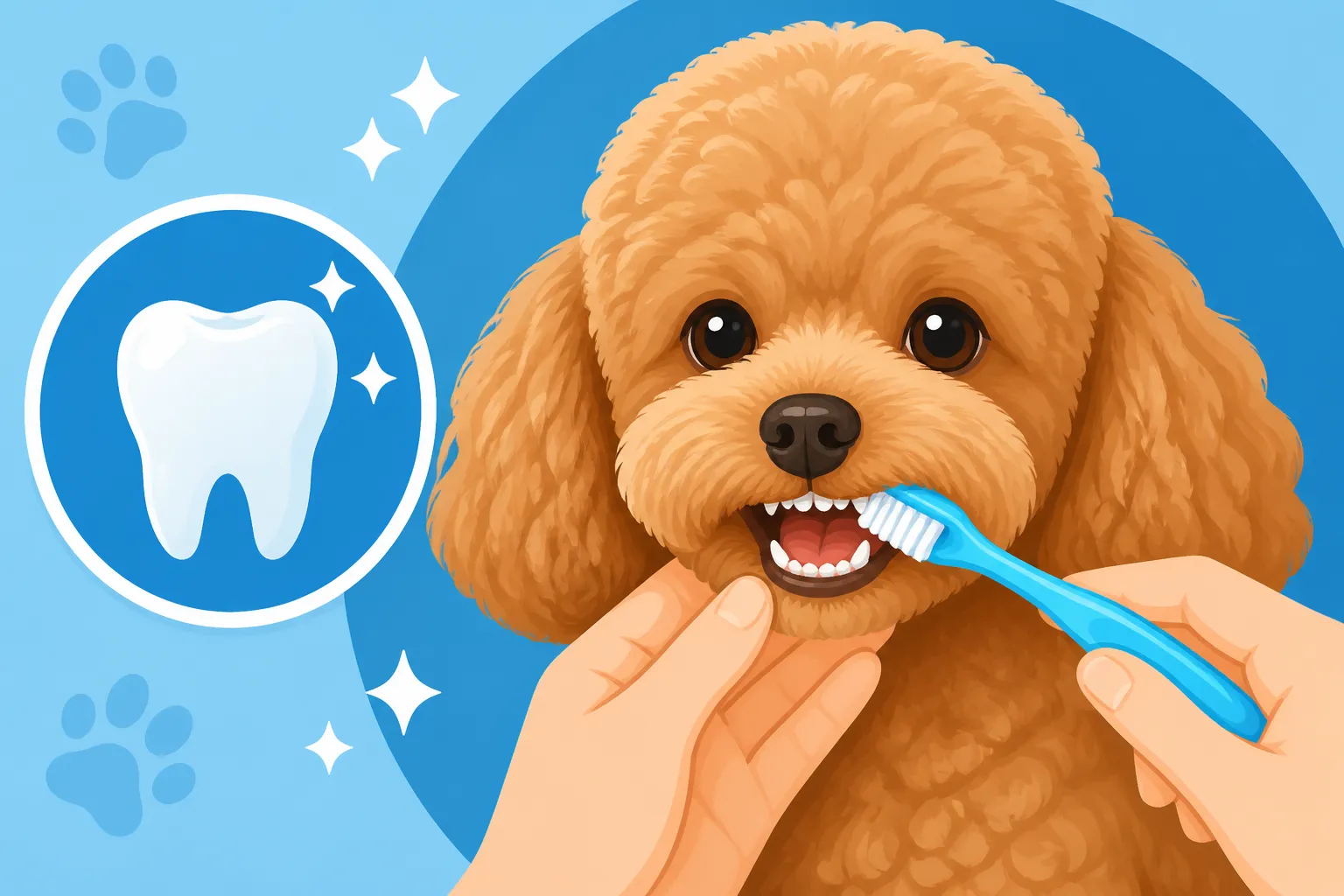
- Lift the Lip and Angle the Brush: Gently lift your Poodle's upper lip to expose the teeth and gums. Hold the brush at a 45-degree angle to the gumline, aiming the bristles where the tooth meets the gum. This is the critical area where plaque accumulates.
- Brush in Small Circles: Using very gentle, small circular motions, start with the outer surfaces of the upper teeth, focusing on the canines (the long pointy teeth) and molars (back teeth). These are the teeth that tend to accumulate the most plaque. Work your way across the outer surfaces.
- Move to Lower Teeth: Repeat the process for the outer surfaces of the lower teeth.
- Inner Surfaces (Optional but Recommended): If your Poodle tolerates it, gently open their mouth slightly to brush the inner surfaces. However, most vets agree that brushing the outer surfaces is the most important part, as these are where the majority of issues arise.
- Keep it Short: For initial sessions, aim for just 30 seconds to a minute. The goal is quality over quantity, especially at first. You can gradually increase the duration as your Poodle becomes more accustomed.
- Reward Heavily: As soon as you're done, offer enthusiastic praise, a favorite treat, and perhaps a quick play session. End on a high note!
Consistency is key. Aim to brush daily, or at least every other day. Brushing once a week is generally not enough to keep plaque at bay, especially for a Toy Poodle.
Common Brushing Challenges and Solutions
Even with the best intentions, you might encounter some bumps along the road.
- Resistance: If your Poodle resists, go back to Phase 1. Re-establish the positive associations with touching and the toothpaste. Make sure you're not forcing them. If they pull away, let them, then re-engage gently with a treat. Sometimes, using a dental wipe for a few days can help bridge the gap.
- Biting/Mouthing: If your Poodle tries to mouth or bite the brush, it could be a sign of discomfort or fear. Ensure your motions are gentle and the bristles are soft. You might try a finger brush first to maintain better control and give them something to chew on gently while you brush. If it's a persistent issue, consult your vet to rule out any underlying pain.
- Gagging: Some Poodles might gag, especially when you reach too far back in their mouth. Stay focused on the outer surfaces of the teeth and avoid pushing the brush too deeply.
- Bleeding Gums: A little pink on the brush initially might indicate mild gingivitis (inflamed gums), which is common. Consistent, gentle brushing can often resolve this. However, if bleeding is heavy or persistent, it's time for a vet visit, as it could indicate more severe periodontal disease.
Remember, every Poodle is an individual. What works for one might not work for another. Be patient, be persistent, and always prioritize positive reinforcement. This routine is an investment in their long-term health and happiness.
Beyond the Brush: Holistic Dental Care for Your Toy Poodle
While daily brushing is the absolute gold standard for maintaining your Toy Poodle's oral hygiene, it's just one part of a comprehensive dental care strategy. A holistic approach considers diet, professional cleanings, and dental aids to give your Poodle the best chance at a healthy mouth and a long, comfortable life.
The Role of Diet in Dental Health
What your Toy Poodle eats can certainly play a role in their dental health, though it won't replace brushing. Some foods are better than others at resisting plaque buildup.
- Kibble Size and Texture: For Toy Poodles, ensure their kibble is appropriately sized for their small mouths. Some specially formulated dental diets have larger, fibrous kibble that encourages more chewing action, which can help scrape plaque off the tooth surface. However, this effect is often minimal compared to brushing.
- Fresh Food Considerations: If you feed a fresh food diet, like those offered by services such as Ollie, you might wonder about its impact on teeth. While fresh food is often fantastic for overall health, it doesn't automatically mean better dental health. In fact, some soft, sticky fresh foods can sometimes adhere to teeth more, requiring diligent brushing. It's not about which diet is inherently "better" for teeth, but rather ensuring that whatever diet you choose, it's complemented by mechanical cleaning.
- Avoid Sugary or Starchy Treats: Just like with humans, sugary and highly starchy treats can contribute to plaque formation. Opt for plain, dog-safe vegetables (like small pieces of carrot or green bean) or specially formulated dental treats instead.
Dental Chews and Water Additives
These can be good supplementary tools, but it's crucial to understand their limitations. They are aids, not replacements for brushing.
- Veterinary Dental Chews: Look for chews that are specifically endorsed by veterinary dental organizations. These often have unique shapes or textures designed to mechanically scrub teeth and contain enzymes that help reduce plaque. Make sure they are appropriately sized for your Toy Poodle to prevent choking hazards. Always supervise your Poodle when they're enjoying a chew.
- Water Additives: These products contain ingredients designed to reduce bacteria in your Poodle's mouth or break down plaque. You simply add them to your Poodle's drinking water. While they can contribute to fresher breath and a marginal reduction in plaque, their effectiveness is limited compared to direct brushing. They're best used as an extra layer of defense.
When choosing any dental chew or additive, discuss it with your veterinarian to ensure it's safe and appropriate for your individual Toy Poodle.
The Importance of Professional Dental Cleanings
Even with diligent at-home care, your Toy Poodle will likely need professional dental cleanings throughout their life. These are performed by your veterinarian under general anesthesia.
- What Happens During a Professional Cleaning: The vet or veterinary technician will thoroughly examine your Poodle's mouth, probe for periodontal pockets, and then use specialized ultrasonic and hand scaling tools to remove plaque and tartar from above and below the gumline. They'll polish the teeth, just like a human dental hygienist would, to create a smooth surface that resists new plaque adhesion. X-rays are often taken to check for hidden problems like abscesses or bone loss under the gumline, as discussed in Poodle Dental Disease by Size.
- Why Anesthesia is Necessary: Anesthesia allows for a thorough and safe cleaning. Imagine trying to get a small, wiggly Poodle to hold still while sharp instruments are used in their mouth. It's simply not possible to do a proper, deep cleaning without it. Your vet will perform pre-anesthetic blood work to ensure your Poodle is a good candidate for the procedure.
- When to Schedule a Cleaning: Your vet will advise on the frequency. For many Toy Poodles, a professional cleaning might be recommended every one to two years, or even more frequently if they have severe dental issues despite at-home care. Don't wait until your Poodle is experiencing noticeable pain or has extremely foul breath – by then, the problem is usually advanced. Regular check-ups with your vet will help determine the best schedule for your individual Poodle. What a Toy Poodle Extraction Costs highlights why preventative care can save you money and your Poodle pain in the long run.
By combining consistent daily brushing with a supportive diet, appropriate dental aids, and regular professional veterinary care, you can ensure your beloved Toy Poodle enjoys the best possible dental health, allowing them to eat comfortably, play joyfully, and flash that beautiful Poodle smile for years to come.
Disclaimer
This article is for general informational purposes only and does not constitute professional advice. Laws, prices and regulations vary by location and change over time. Consult a qualified professional for guidance on your specific situation.