Solid Poodle Colors the AKC Recognizes
One of the most common questions I get from people thinking about bringing a Poodle into their lives, or even those who already have one but are curious, is all about colors. It can be incredibly confusing, especially when you start diving into breed standards and what's considered "acceptable" versus the endless rainbow of Poodle possibilities you see online. This guide is here to untangle the nuances of solid Poodle colors as officially recognized by the AKC, helping you understand why some Poodles get to strut in the show ring in certain colors, and why others, equally beautiful, are cherished pets that simply don't fit that particular mold.
Understanding "Solid" in the Poodle World
When you hear "solid Poodle color," it might seem straightforward, right? Like, it's just one color. But within the world of Poodles, especially when you're talking about breed standards and showing, "solid" has a very specific meaning that goes beyond just the primary hue. It's about consistency, depth, and the absence of certain patterns or markings. This distinction is crucial for breeders aiming for conformity and for owners who might be dreaming of the show ring, but it's also fascinating for anyone who simply loves The Poodle as a Breed and wants to understand its rich heritage.
What the Breed Standard Means by Solid
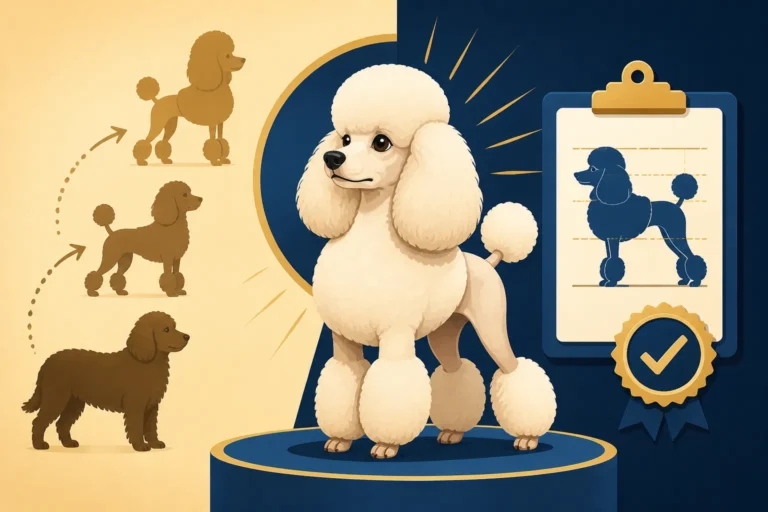
The American Kennel Club (AKC) breed standard for Poodles is very clear: "The coat is of an even and solid color at the skin." This isn't just about what you see on the surface. It means that if you were to part the hair down to the skin, the color should be uniform, without patches, spots, or distinct areas of lighter or darker hair that form a pattern. Think of it like a beautifully dyed fabric – the color saturates evenly throughout, from the surface to the threads deep within. This consistency is a hallmark of a solid Poodle.
For instance, a black Poodle should have black hair all the way to the root, not just on the tips. If a black Poodle has white hairs mixed in, or distinct white patches, it wouldn't be considered a solid black by the standard. The same applies to all the recognized solid colors. There can be slight variations in shading, especially in areas like the ears or topknot where sun exposure might lighten the coat a little, or where the hair is finer, but these should be subtle and blend seamlessly into the main color without creating a distinct pattern. The intent is to maintain the integrity of a truly uniform coat, which historically was often seen as a sign of pure breeding and quality.
Why Markings Make a Difference for Registration
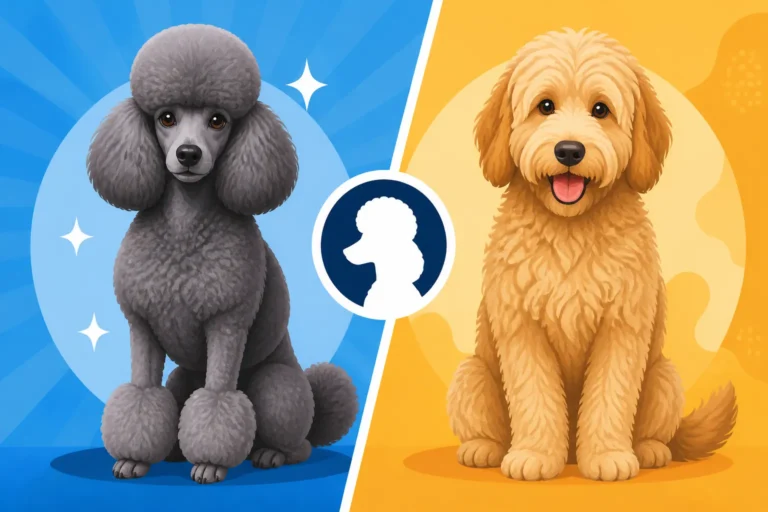
While all Poodles are Poodles, regardless of their color pattern, certain patterns are not considered "solid" by the AKC. This is where terms like "parti Poodle" and "phantom Poodle" come into play. A parti Poodle, for example, has a base color with clearly defined patches of white. If you've seen a Poodle with large, striking white areas against a black or brown coat, that's likely a parti. These Poodles are purebred and beautiful, but their markings mean they cannot compete in AKC conformation events, which judge a dog against the breed standard.
Similarly, a phantom Poodle has a specific pattern of secondary color markings, much like a Rottweiler or a Doberman, usually on its muzzle, chest, legs, and under the tail. These markings are distinct and create a recognizable pattern on a solid base color. Again, these are purebred Poodles, often cherished family members, but they fall outside the "solid color" requirement for the show ring. The AKC generally registers all purebred Poodles, but the type of registration might differ for non-standard colors or patterns, often being a "limited" registration which means their offspring cannot be registered and they cannot compete in conformation. It’s not about their health or their worth as a companion, but purely about adherence to a specific aesthetic ideal for competition.
The Importance of a Consistent Coat
Beyond the visible topcoat, the breed standard values an even color "at the skin." This consistency speaks to the genetic purity of the color. If a Poodle has patches of white or other colors close to the skin, it indicates a non-solid genetic marker. This isn't a defect, but it is a deviation from the traditional understanding of a "solid" Poodle. Imagine grooming a Poodle for a show: every hair counts, and any inconsistent patches would be immediately noticeable.
For pet owners, this distinction might not carry the same weight. Your Poodle's personality, health, and bond with your family are what truly matter. But understanding these specifics can help you decode breeder descriptions and appreciate the efforts breeders make to maintain the integrity of recognized lines. It also clarifies why certain Poodles, despite being undeniably Poodles, won't be seen on the coveted green carpet of a championship show ring. What a Parti Poodle Can Be Registered and Whether Phantom Poodles Are Purebred are great reads if you want to dive deeper into these fascinating color patterns that fall outside the "solid" definition.
The Classic Poodle Palettes: Black, White, and Brown
These are often considered the foundational colors of the Poodle breed, with a long history in both working and show lines. They exude a timeless elegance and are deeply ingrained in the Poodle's image. Many of the first Poodles recognized were likely one of these striking, uncomplicated hues.
The Depth of a True Black Poodle
A true black Poodle is a magnificent sight. The ideal black is a deep, rich, inky color, without any rusty or brown tones, even when exposed to sunlight. When you look at a truly black Poodle, especially one with a well-maintained coat, the color just absorbs the light, creating a plush, velvety appearance. Sometimes, black Poodles, especially as they age or if their coat isn't perfectly conditioned, can develop a reddish tint, particularly on areas like their ears or muzzle. This "rusting" is generally considered undesirable in the show ring, but it's a common, harmless phenomenon in many black-coated dogs.
Maintaining that deep black often involves using color-enhancing shampoos or being mindful of sun exposure. Imagine a beautiful black Standard Poodle, sleek and glossy, performing in an obedience trial. That deep, unwavering black is part of its imposing presence. For pet owners, a slightly rusted black Poodle is just as loving and wonderful; it's purely an aesthetic consideration for those focused on strict breed standards. However, if you're aiming for that pure, deep black, be prepared for some careful grooming.
White Poodles: More Than Just Absence of Color
White Poodles are iconic. Think of a perfectly coiffed show Poodle, its pristine white coat gleaming under the lights. The ideal white Poodle has a pure, chalky white coat, free from any cream or yellow shading. Achieving and maintaining this pristine white can be a significant undertaking for owners. White coats are notoriously prone to staining, particularly around the mouth, eyes, and feet. Tear stains, saliva stains, and even just dirt from playing outside can quickly turn a beautiful white coat into something less than immaculate.
Many white Poodle owners invest in special tear-stain removers, water additives, and clarifying shampoos to keep their Poodle looking its best. Dietary factors can also play a role, with some foods potentially contributing to staining. My friend Sarah, who has a gorgeous white Miniature Poodle named Pearl, swears by filtered water and a regular grooming schedule, including baths with a brightening shampoo from Chewy. She jokes that Pearl owns more beauty products than she does! While the pristine white is breathtaking, it certainly demands commitment. If you want to learn more about eye care, check out Why a Poodle's Eyes Weep.
Rich Browns and Their Shades
Brown Poodles are often underestimated in their beauty. The color ranges from a deep, rich, dark chocolate brown to a lighter cafe-au-lait shade. The ideal brown is a warm, solid color without any black hairs or light streaking. Like black Poodles, brown coats can also "rust" or lighten with sun exposure, sometimes taking on a reddish hue, which is considered a fault in the show ring. However, many brown Poodles have beautiful natural variations, from rich liver tones to lighter, almost golden-brown highlights.
What makes a good brown Poodle really stand out is the coordination of its pigment. An ideal brown Poodle will have dark liver-colored nose, eye rims, lips, and toenails, and dark amber eyes. This creates a harmonious, elegant look. A brown Poodle with black points (nose, etc.) would not be considered a true brown under the standard. These subtle distinctions are what breeders meticulously look for when evaluating a litter. For the average owner, a brown Poodle simply offers a warm, inviting aesthetic, like a cozy blanket on a chilly evening.
The Warm Hues: Apricot and Red
These vibrant colors have seen a surge in popularity, captivating Poodle lovers with their sunny dispositions and striking appearance. While they might seem similar at first glance, there are distinct differences and challenges in maintaining their unique shades.
Apricot Poodles: A Sunset Glow
Apricot Poodles embody a delightful, sunny warmth. The ideal apricot is a rich, clear, uniform color, ranging from a pale golden apricot to a deep, vibrant orange. It should not be so pale as to appear cream, nor so dark as to be mistaken for red. Think of the inside of a ripe apricot fruit, and you've got the picture! Like many Poodle colors, apricot can fade over time due to sun exposure or simply as the dog ages. This fading can be subtle, turning a vibrant apricot into a softer, creamier shade, or sometimes even a silvery tone in very old dogs.
A true apricot Poodle should have black points (nose, eye rims, lips, and toenails) and very dark eyes, which provides a lovely contrast to its warm coat. If an apricot Poodle has liver-colored points, it would typically be considered a brown Poodle with a very light, faded brown coat. The distinction can be quite fine and is often a point of discussion among Poodle enthusiasts. Apricot Poodles have a cheerful, bright appearance that makes them incredibly appealing, like a ray of sunshine on four legs. How a Poodle Puppy's Color Fades gives some great insights into how Poodle colors evolve.
The Rise of the Red Poodle
Red Poodles are a relatively newer color in the AKC ring, gaining official recognition later than some of the traditional shades. They've quickly become incredibly popular due to their striking, fiery hue. The ideal red is a deep, rich, non-fading color, often described as a vibrant mahogany or rust color. It should be distinct from apricot, carrying more depth and intensity. When done right, a red Poodle is absolutely breathtaking, like a flame embodied in a canine form.
However, true, stable red is one of the more challenging colors to achieve and maintain. Many red Poodles, despite being born a deep vibrant red, will "clear" or fade significantly over their lifetime, sometimes mellowing into a beautiful apricot or even a cream. This fading is a genetic trait, and breeders work hard to produce Poodles with stable, non-fading red coats, but it's a difficult endeavor. If you are looking at a red Poodle puppy, be prepared that its adult color might be a lighter shade of red or apricot. Whether Apricot and Red Poodles Are the Same delves into the subtle differences and shared genetics between these two warm colors.
Fading and Changing Tones in Warm Poodles
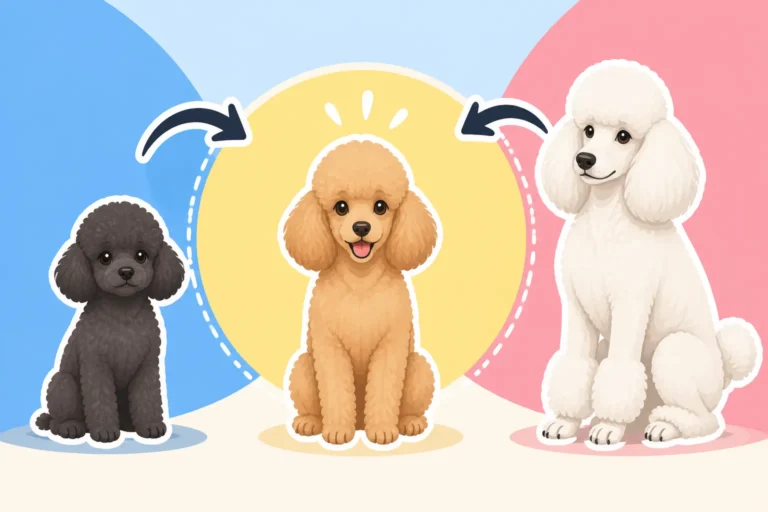
The biggest challenge with apricot and red Poodles, and to a lesser extent, brown and black, is color fading. This phenomenon, often called "clearing" or "silvering" in other colors, means the vibrant color you see in a puppy may not be the color you see in the adult dog. A bright red puppy might become a lovely apricot, or even a creamy tan by the time it's two or three years old. This can be a disappointment for owners who fall in love with a specific shade.
Factors influencing fading include genetics, sun exposure, and even diet. While some fading is natural and inevitable for Poodles with certain color genes, proper nutrition and limited direct sun exposure can sometimes help preserve the depth of the color. For those showing Poodles, genetics play an even bigger role, as a stable, non-fading color is highly prized. For pet owners, a faded red or apricot Poodle is still a wonderful companion, and their evolving color often adds to their unique charm, telling the story of their life and adventures. You can discuss specific food and grooming products with your vet or find some great options at Chewy.
The Cool and Distinguished: Silver, Blue, and Gray
These colors offer a sophisticated and often dramatic appeal, characterized by their unique clearing processes and subtle variations. They require a bit of patience as their true beauty often unfolds over time.
The Striking Transformation of a Silver Poodle
Silver Poodles are perhaps one of the most intriguing colors due to their incredible transformation. A silver Poodle is not born silver. Instead, it's born black and then gradually "clears" to silver, a process that typically begins around six to ten weeks of age and can continue until the dog is one to two years old. This clearing starts around the muzzle, eyes, and paws, gradually spreading over the entire body. The ideal silver is a clear, bright, shimmering metallic silver, without any blue or gray tones, and with black points and dark eyes.
The speed and completeness of the clearing process vary between individual Poodles. Some clear quickly and dramatically, while others take a more gradual path. This transition period, where the puppy is part black and part silver, can be quite charming and often leads to unique patterns of clearing. It's truly a marvel to watch the color shift, revealing the stunning silver beneath the initial black coat. Whether Silver Poodles Are Born Silver provides a deeper explanation of this fascinating genetic trait and what to expect when you bring home a silver Poodle puppy.
Blue Poodles: A Subtle Sophistication
Blue Poodles are often confused with silvers, but they are distinctly different, though the nuance can be hard to spot for the untrained eye. Like silvers, blue Poodles are born black, but their clearing process is much slower and less complete than that of a silver. A blue Poodle typically retains a charcoal or steely-gray tone, rather than the bright, metallic shimmer of a true silver. The ideal blue is a dark, even, slate-gray color that should not have any brown or rusty tones, and certainly not be so light as to be confused with silver.
The clearing for a blue Poodle can take up to three years, and often results in a deeper, more muted shade than silver. They maintain black points and dark eyes, just like their silver counterparts. The key difference lies in the genetic modifiers that determine the degree and speed of pigment dilution. Think of a blue Poodle as having a "diluted" black coat that remains on the darker side of the gray spectrum. It's a sophisticated and understated color, appreciated for its subtle beauty rather than dramatic contrast.
Gray Poodles: The Beautiful Blended Coat
Gray Poodles sit somewhere between blue and silver in terms of color depth, often exhibiting a true medium gray. Similar to silvers and blues, gray Poodles are typically born black and clear to their adult gray color over time. The ideal gray is an even, consistent medium tone, not too dark like blue and not as light and bright as silver. They possess black points and dark eyes, maintaining the classic Poodle elegance.
The distinction between blue, gray, and silver can be quite fine and sometimes only evident to experienced breeders or judges. Environmental factors, like sun exposure, can slightly alter the appearance of these coats, making a blue appear a bit lighter or a silver a bit duller. For most pet owners, the spectrum of cool-toned Poodles offers a wide choice of sophisticated and beautiful coats. The key takeaway is that these colors all involve a "clearing" gene that dilutes the initial black pigment, resulting in a range of stunning grays.
Why Color Matters (And Why It Doesn't for a Pet Poodle)
It's easy to get caught up in the specifics of color, especially with all the nuances in Poodles. But it's important to keep perspective on what truly matters for the life of your companion. For some, color is paramount; for others, it's merely a beautiful bonus to an already fantastic dog.
Conformation vs. Companion: What AKC Recognition Means
For Poodle enthusiasts involved in conformation showing, AKC recognition of solid colors is everything. The breed standard dictates what is considered ideal, and any deviation can result in a dog being faulted or even disqualified from the ring. This is why you primarily see Poodles in black, white, brown, apricot, red, silver, blue, and gray winning awards – these are the only solid colors recognized for full registration and show purposes. Breeders dedicate years, sometimes decades, to producing Poodles that conform to these exacting standards, including color. What a Ring Judge Checks on a Poodle goes into more detail about how Poodles are judged, and color is definitely a part of it.
Here's a quick look at the recognized solid colors:
| Color | Description | Puppy Color When Born | Key Pigment Points |
|---|---|---|---|
| Black | Deep, dense, inky black, no rusting or brown tones | Black | Black |
| White | Pure, chalky white, no cream or yellow shading | White | Black |
| Brown | Rich, warm chocolate to cafe-au-lait, no black hairs | Brown | Liver |
| Apricot | Clear golden apricot to deep orange, distinct from red | Apricot | Black |
| Red | Deep, vibrant mahogany/rust, distinct from apricot | Red | Black |
| Silver | Shimmering metallic silver, no blue/gray, clear from black | Black | Black |
| Blue | Dark, even, slate-gray, no brown/rust, slowly clears | Black | Black |
| Gray | Medium, even gray, between blue and silver, clears | Black | Black |
This chart highlights the primary characteristics and their puppy origins. It really shows the complexity of what might seem like a simple concept!
For a companion Poodle, AKC conformation recognition is largely irrelevant. Your Poodle's color doesn't impact its health, temperament, intelligence, or its capacity for love and companionship. Whether your Poodle is a solid blue, a parti-colored marvel, or a phantom pattern stunner, it's still a Poodle through and through. The joy of sharing your life with a Poodle far outweighs any color-based show ring distinctions.
Beyond the Breed Standard: The Joy of Any Poodle Color
I've had Poodles of many colors over the years, and each one has been a unique and cherished member of my family. While the breed standard is important for preserving the historical look and health of the breed, it doesn't define the essence of a Poodle as a loving pet. Many Poodles with non-standard colors or markings, such as those beautiful parti-colors or phantoms, are absolutely delightful companions. They have the same intelligence, elegance, and playful spirit that defines the breed. Poodle Intelligence and Coren's Ranking is a good read if you're curious about their smarts.
Choosing a Poodle should always prioritize health and temperament first and foremost. A reputable breeder will focus on these aspects regardless of color. If you're buying from a breeder, they should be transparent about their Poodles' genetic background and health testing, no matter the coat color. Whether you prefer the classic elegance of a black Poodle or the vibrant splash of a parti, the best Poodle for you is the one whose personality and health fit your lifestyle.
Genetic Factors and Color Inheritance
Poodle color genetics can be quite complex, involving multiple genes that interact to produce the wide array of colors and patterns we see. The "solid" colors themselves are the result of specific genetic combinations. For instance, the black, brown, and red pigment production is controlled by one primary gene (the B locus), while the dilution of black to blue, silver, or gray is controlled by other genes (like the D locus for dilution). Apricot and red are variations on the pheomelanin (red pigment) spectrum, with other genes influencing their intensity and stability.
Understanding these genetics is crucial for responsible breeders who aim to produce specific colors while maintaining genetic diversity and health. It's not just about mating two black Poodles to get black puppies; the recessive genes carried by the parents can lead to surprising colors in a litter. For example, two black Poodles carrying the recessive brown gene could produce brown puppies. This intricate dance of genes is part of what makes Poodle breeding both an art and a science, and why you see such a magnificent The Colors a Poodle Comes In. Ultimately, for us as Poodle lovers, it means a truly dazzling spectrum of furry friends to choose from, each with their own unique beauty.
Disclaimer
This article is for general informational purposes only and does not constitute professional advice. Laws, prices and regulations vary by location and change over time. Consult a qualified professional for guidance on your specific situation.