The Poodle Height Cut-Off at Fifteen Inches
It's quite common for new Poodle owners, and even some seasoned enthusiasts, to feel a bit lost in the sea of Poodle sizes. You hear terms like "Standard," "Miniature," and "Toy," but what do they actually mean when it comes to a dog's physical measurements? The exact height definitions can feel like a cryptic code, especially when you encounter Poodles that seem to fall right in the middle, leaving you wondering where your own beloved curly companion fits in. This guide is here to untangle the specifics of Poodle height classifications, with a particular focus on the significant 15-inch cut-off that helps distinguish Miniature Poodles from their larger Standard counterparts.
Understanding Poodle Varieties and Their Sizes
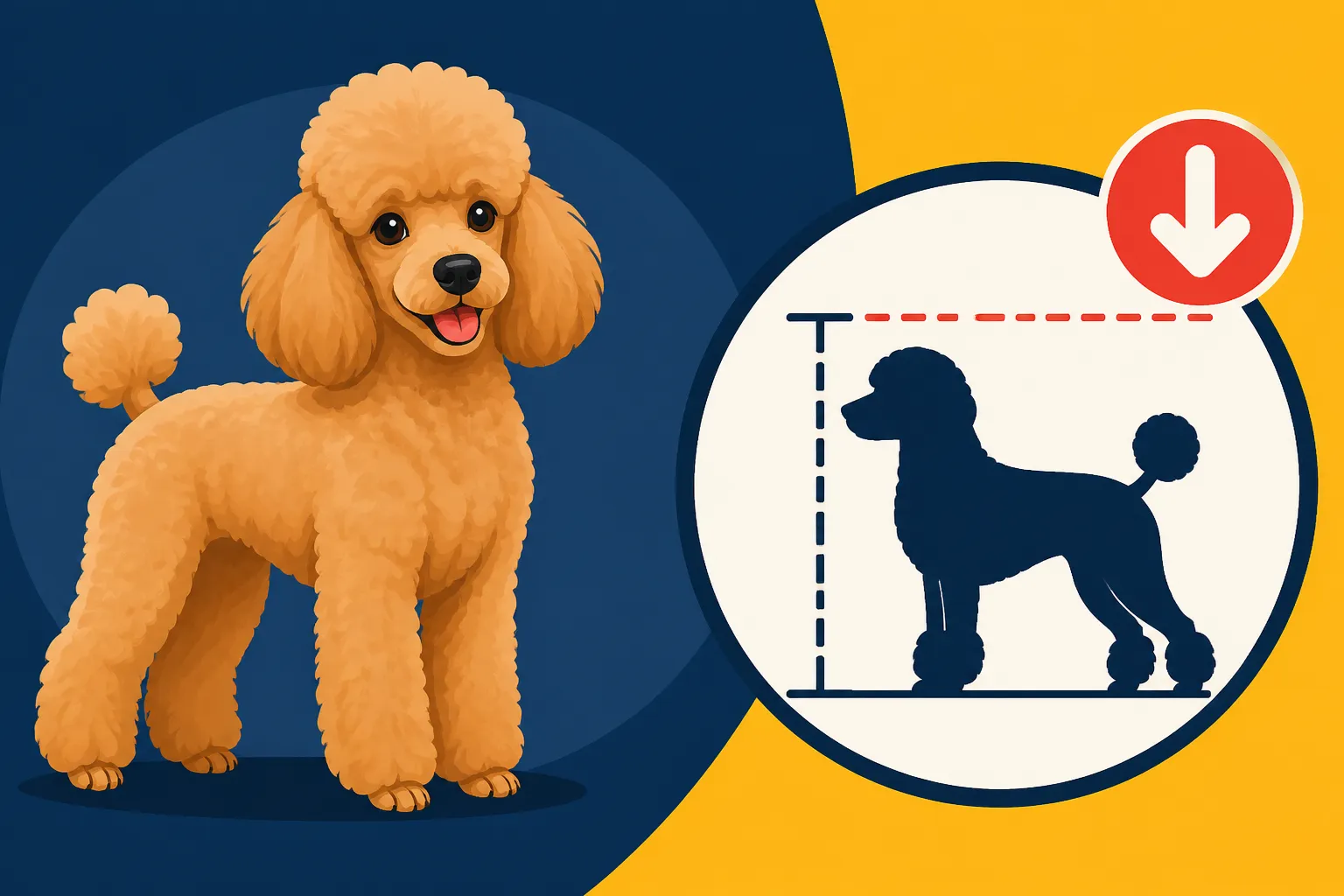
The Poodle breed, as recognized by major kennel clubs like the American Kennel Club (AKC), comes in three distinct varieties: Toy, Miniature, and Standard. These aren't separate breeds, but rather size divisions within the same breed, all sharing that iconic intelligence, athleticism, and non-shedding coat. The primary factor determining which category a Poodle belongs to is its height, specifically measured at the highest point of the shoulder blades, known as the withers, when the dog is standing squarely.
This seemingly simple measurement is crucial for breeders aiming to produce Poodles within a specific size range, for owners looking for a dog of a certain stature, and especially for those participating in conformation shows. It’s also where much of the confusion begins, particularly with Poodles whose height might straddle the line between two varieties. Adding to the mix is the "Moyen" or "Klein" Poodle, a size common in Europe that doesn't neatly fit into the US classification system, which often leaves owners scratching their heads. Understanding these distinctions is key to truly appreciating the Poodle breed.
The Standard Poodle's Defining Characteristic
The Standard Poodle is the largest of the three varieties, and its size is generally the most flexible on the upper end. According to breed standards, a Standard Poodle must be 15 inches or taller at the withers. This is a minimum requirement, not a maximum. You'll find many Standard Poodles towering well above this, often reaching 22 to 27 inches, and some even larger. The breed standard, however, often emphasizes that regardless of height, the dog should appear well-proportioned and square, meaning their body length (from breastbone to rump) should be roughly equal to their height at the withers.
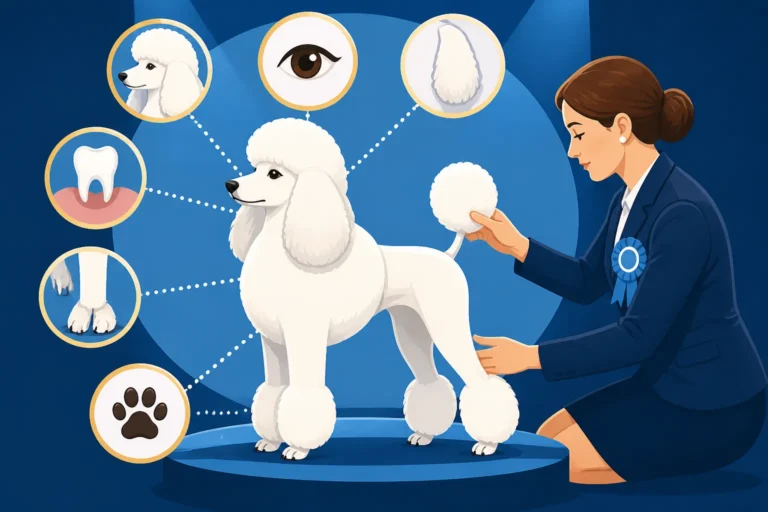
For those interested in the show ring, this 15-inch mark is an immovable boundary. A Poodle that measures even a fraction under 15 inches at the withers would be disqualified from competing as a Standard Poodle. This can be a heartbreak for breeders and owners who have poured time and resources into a dog they believed would fit the standard. For a pet owner, however, if your Poodle is 14.75 inches tall but otherwise has all the wonderful traits of a Standard, it’s still your beloved companion, just perhaps one who'd need a different career path than the show ring. Their general health profile and care needs, such as concerns about conditions like Bloat and the Deep Standard Poodle Chest, will still align with the Standard size.
The Miniature Poodle's Size Range
The Miniature Poodle occupies the middle ground in terms of size, offering a fantastic balance for many families. Their defined height range is "over 10 inches and up to (but not including) 15 inches" at the withers. This means a Miniature Poodle cannot be 10 inches or under (that's Toy territory) and cannot be 15 inches or over (that's Standard territory). A Miniature Poodle that measures exactly 15 inches would fall into the Standard category, while one at 10 inches would be a Toy. It's a precise window, and it's why breeders pay such close attention to the genetics and growth patterns of their puppies.
Predicting the adult size of a Miniature Poodle puppy can sometimes be a bit like guessing the weather. While a reputable breeder can give you a good estimate based on the parents' sizes and their previous litters, puppies can sometimes surprise you. A Poodle puppy from Miniature parents might mature on the lower end, closer to 11 inches, or push the upper limits, reaching 14.5 inches. This variability is just part of the joy of puppy growth, though it does underscore why consistent measurement is so important for those with specific goals, like showing. The "up to 15 inches" measurement dictates many things, from Professional Grooming Costs by Poodle Size to the size of crate you might purchase from retailers like Chewy.
The Toy Poodle's Petite Stature
At the most compact end of the spectrum, we have the delightful Toy Poodle. The breed standard dictates that a Toy Poodle must be "10 inches or under" at the withers. This is the smallest of the recognized varieties, bred specifically to be a companion animal, often small enough to fit comfortably in a lap or a small carrier. While their tiny size makes them incredibly charming and manageable for many living situations, it also comes with its own unique set of considerations.
You might hear terms like "teacup Poodle" in various advertisements, but it's crucial to understand that "teacup" is not an officially recognized Poodle size or variety. It's a marketing term used to describe unusually small Toy Poodles, sometimes bred to extremes that can lead to significant health issues. Sticking to the established breed standards, which define Toy Poodles as 10 inches and under, helps ensure you are getting a Poodle bred for health and temperament within its size category. Their small stature also means they have particular vulnerabilities, such as Toy Poodle Kneecaps and Windpipes and Hypoglycemia in a Toy Poodle Puppy, which owners must be vigilant about.
Why These Height Cut-Offs Matter for Poodle Owners
While the strict height guidelines might seem to only matter to breeders and show enthusiasts, they actually have significant practical implications for everyday Poodle owners. Understanding which size category your Poodle falls into can directly influence everything from their health care needs to their daily exercise requirements and even the type of supplies you need to buy.
Health Considerations by Poodle Size
It's a fascinating aspect of the Poodle breed that their size directly correlates with certain health predispositions. The adage Why Poodle Health Splits by Size is very true. For instance, the deep-chested Standard Poodle, being a larger dog, is notably more susceptible to Gastric Dilatation-Volvulus (GDV), commonly known as bloat. This is a life-threatening condition where the stomach twists, and it requires immediate veterinary intervention. Owners of Standard Poodles often proactively research Whether a Standard Poodle Should Have a Gastropexy to mitigate this risk.
On the other hand, the smaller Toy Poodles tend to face entirely different challenges. They are more prone to issues like luxating patellas (slipping kneecaps), Legg-Calve-Perthes disease (a hip joint disorder), and tracheal collapse. Their delicate bone structure also makes them more susceptible to fractures from falls or accidental treading. Understanding your Poodle's size category can help you and your veterinarian be proactive about screening for and preventing these specific health concerns. Knowing whether you have a Toy, Miniature, or Standard is the first step in tailoring their preventative care plan.
Lifestyle and Living Arrangements
The height of your Poodle also plays a huge role in how they integrate into your home and lifestyle. A Standard Poodle, for example, typically needs more space and significantly more daily exercise than a Toy Poodle. While a Toy Poodle might be perfectly content with indoor play and a few short walks around the block, a Standard Poodle thrives on vigorous activity, long walks, or even running companions. Daily Exercise for a Standard Poodle often involves substantial outdoor adventures, whereas Daily Exercise for a Toy Poodle might be met with less intensive activities.
For apartment dwellers, a Toy or Miniature Poodle might be a more suitable choice due to their smaller footprint and lower exercise demands, although any Poodle needs mental stimulation. Travel plans also become a consideration; a Toy Poodle can often fly in the cabin with you, nestled in a carrier that fits under the seat, while a Standard Poodle would likely need to travel in cargo, which comes with its own set of risks and regulations. Even simple things like fitting a dog bed or a crate into your living space are dictated by your Poodle's size, with a large Standard Poodle crate easily taking up a corner of a room, versus a small one for a Toy.
Grooming and Equipment
The stunning Poodle coat is one of its most defining features, but it's also a high-maintenance one. The larger the Poodle, the more coat there is to groom, and thus, the more time and expense involved. A Standard Poodle's full coat can take hours to bathe and dry, whether done at home or by a professional groomer. Grooming Tools a Poodle Owner Must Buy will vary slightly by size, but the volume of product and sheer effort certainly changes.
The cost of professional grooming increases proportionally with the dog's size. A groom for a Standard Poodle will almost always cost more than for a Miniature or Toy, simply because of the increased time and product required. This is a significant ongoing expense that future owners often overlook when budgeting for their Poodle. Even daily brushing, a non-negotiable part of Poodle care, takes considerably longer for a 25-inch Standard than for an 8-inch Toy. You'll also find that basic supplies like collars, harnesses, and leashes from retailers like Chewy need to be appropriately sized, as do food and water bowls.
The Unofficial 'Moyen' Poodle and Breed Standards
When discussing Poodle sizes, it's impossible to ignore the "Moyen" or "Klein" Poodle, especially if you're looking at Poodles from European lines or encountering them online. The term "Moyen" is French for "medium," and "Klein" is German for "small" or "miniature." This unofficial fourth size typically falls between 15 and 20 inches at the withers, slotting neatly between the Miniature and Standard Poodle categories as defined by some international kennel clubs, particularly in Europe.
However, in North America, the American Kennel Club (AKC) only recognizes three Poodle varieties: Toy (10 inches and under), Miniature (over 10 inches and under 15 inches), and Standard (15 inches and over). This means that a Poodle imported from Europe that is registered as a "Moyen" would technically be classified as a Standard Poodle by the AKC, as it measures over 15 inches. It's a nuance that can cause confusion for owners, as their "Moyen" might be considered a small Standard in the US, but is a distinct category elsewhere. The Moyen or Klein Poodle in Europe certainly has its place in the breed's history and current international presence.
The lack of official recognition in the US means these Poodles cannot compete in "Moyen" classes in AKC conformation events; they would enter the Standard Poodle class. This often leads to What a Poodle Between the Sizes Is Called in casual conversation, but for official purposes, the strict AKC guidelines prevail. For a pet owner, a Moyen Poodle might be a perfect fit if you want something larger than a Miniature but not quite as large as the biggest Standards. You just need to be aware of how they are categorized for registration and potential showing if that's an interest.
Navigating Breeder Claims and Puppy Predictions
For prospective Poodle owners, understanding the breed's height classifications is vital when communicating with breeders and setting expectations for a puppy. It's not uncommon for breeders to specialize in one or two sizes, and a clear understanding of the standards helps you ask informed questions and verify information.
Asking the Right Questions About Parentage
When looking for a Poodle puppy, especially if you have a specific size in mind, the best predictor of a puppy's adult height is the size of its parents. A reputable breeder should be transparent about the height of both the sire (father) and dam (mother) of the litter. Don't be shy about asking to see registration papers that list the parents' heights, or even better, meet both parents in person if possible. For example, if you're hoping for a Miniature Poodle and the parents are both on the taller end of the Miniature spectrum (say, 14 inches), your puppy is more likely to mature closer to 14 or 14.5 inches than if the parents were 11 or 12 inches.
Conversely, if you're looking for a Standard Poodle and the parents are barely 15 inches, you run a higher risk of getting a Poodle that might fall just under the 15-inch mark, making it ineligible for show. Always clarify with the breeder what the parents’ registered sizes are, and how they estimate the adult size of their puppies.
Growth Charts and Genetic Testing
Breeders often use growth charts to estimate a puppy's adult weight and height, but it's important to remember these are just estimates. Puppy growth can be quite individual, influenced by nutrition, exercise, and overall health. A genetic test can confirm breed purity and screen for various health conditions, which is invaluable, but it won't give you a precise measurement of how tall your Poodle will be down to the inch. What it will do is help a breeder make responsible pairing decisions to minimize the chances of certain inheritable conditions, which is far more important than hitting an exact height. For a comprehensive overview of health screening, consider looking at What a Poodle Breeder Must Test For.
Focusing solely on height predictions can sometimes overshadow more critical aspects like health testing and temperament. While knowing the likely size is good for planning, a healthy, well-socialized Poodle is always the priority.
The "In-Between" Poodle
It's entirely possible to end up with a Poodle that falls just between the official size categories, particularly between Miniature and Standard. For instance, a Poodle that matures at 14.75 inches would officially be a Miniature Poodle by AKC standards. One at 15.25 inches would be a Standard. These slight differences might disqualify a dog from the show ring in a specific class, but for a pet owner, it makes no difference to the love and companionship they offer.
An "in-between" Poodle can still be a perfectly healthy and happy dog. It might simply mean you need to be flexible with your expectations if you had your heart set on a specific category. Ultimately, the Poodle's wonderful temperament, intelligence, and suitability as a family member far outweigh the importance of an exact measurement.
Here's a quick reference table for Poodle height classifications:
| Poodle Variety | Height at Withers (Official) | Typical Weight Range | Key Characteristics |
|---|---|---|---|
| Toy | 10 inches and under | 4-7 pounds | Smallest size, delicate build, highly portable, well-suited for apartment living, prone to specific small-dog health issues like luxating patellas. |
| Miniature | Over 10 inches, under 15 inches | 10-15 pounds | Medium size, versatile, good for various living situations, often combines the robustness of a larger dog with the manageability of a smaller one. |
| Standard | 15 inches and over | 40-70 pounds (females), 60-80 pounds (males) | Largest size, athletic and energetic, needs ample exercise and space, generally robust, but prone to larger-dog specific issues like bloat and Addison's disease. |
Understanding these height cut-offs helps in appreciating the nuanced differences within the Poodle breed. While the 15-inch mark is a pivotal point in classification, especially for the show ring, it's just one piece of the puzzle when it comes to truly knowing and caring for your Poodle. Whether your Poodle is a dainty Toy or a majestic Standard, they all share that incredible Poodle spirit that makes them such cherished companions.
Disclaimer
This article is for general informational purposes only and does not constitute professional advice. Laws, prices and regulations vary by location and change over time. Consult a qualified professional for guidance on your specific situation.