Whether Apricot and Red Poodles Are the Same
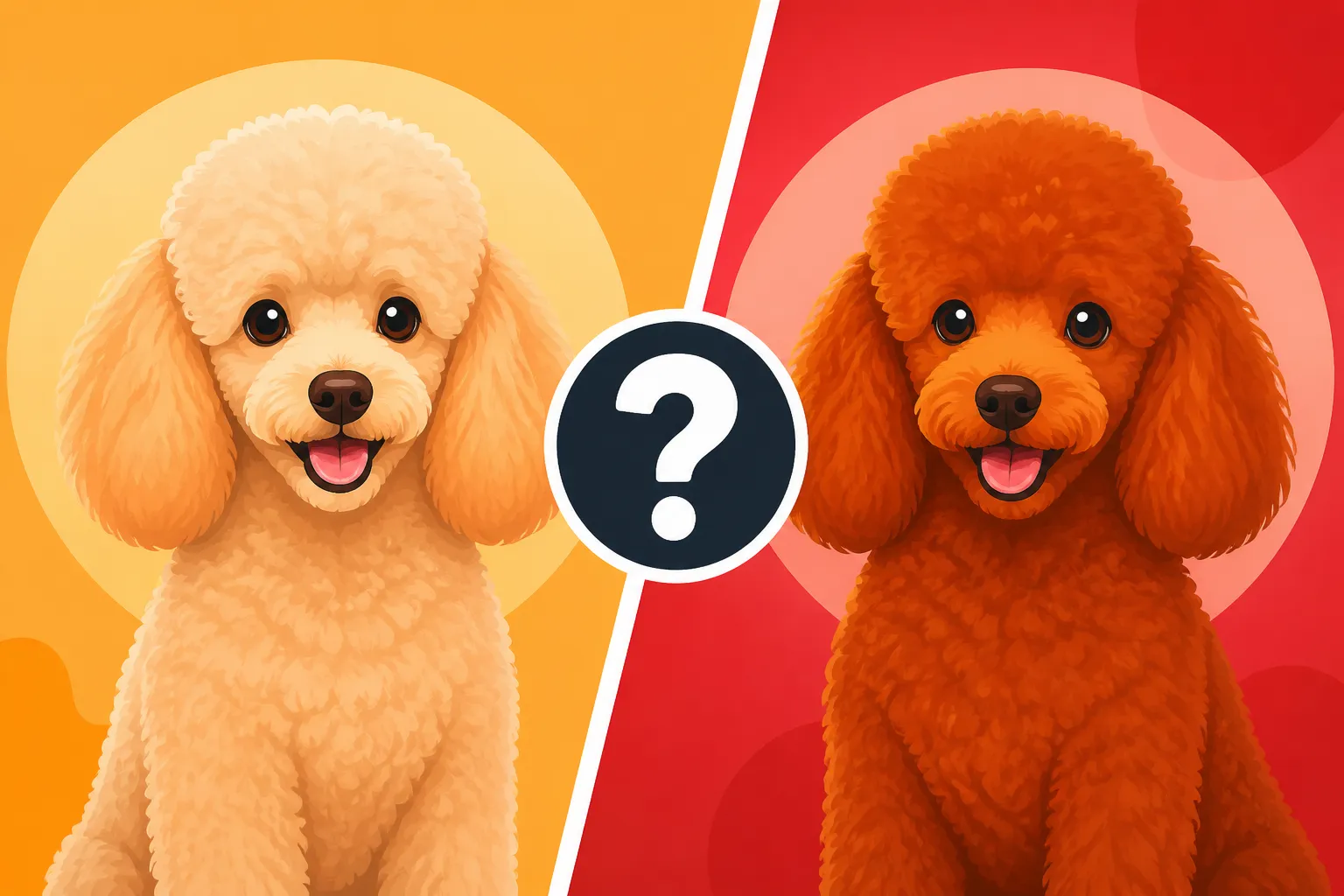
It’s a tale as old as time in the Poodle world: "Is my apricot Poodle actually red?" or "I thought I was getting a red, but it looks more apricot now!" The confusion between apricot and red Poodles is incredibly common, and honestly, it’s not hard to see why. These two stunning colors can look remarkably similar, especially when they're puppies, or if one has faded significantly. This guide is here to clear up the mystery, delving into the distinct genetic foundations, unique characteristics, and fascinating journey of both apricot and red Poodle coats, so you can appreciate the nuances of your own fluffy companion.
The Genetic Canvas: Why Apricot and Red Are Distinct
To truly understand why apricot and red Poodles are distinct colors, even when they appear similar to the untrained eye, we need to take a peek at the underlying genetics. It’s not just about what you see, but what’s happening at a cellular level, guided by specific genes. This genetic blueprint dictates the exact shade, intensity, and even the propensity for fading that your Poodle will exhibit throughout their life.
The Color Gene Locus and Its Influence
At the heart of Poodle coat color are several genetic loci, or specific locations on a chromosome, that control pigment production. For red and apricot, the 'e' locus plays a crucial role. This locus determines whether a dog can produce black pigment (eumelanin) or only red/yellow pigment (phaeomelanin). Poodles that are red or apricot are "e/e" at this locus, meaning they only produce phaeomelanin. If they had even one 'E' allele, they would be black, brown, or silver, assuming other genes were in play.
But here’s where it gets interesting: even within the e/e dogs, there's a range of intensity for phaeomelanin. This intensity is controlled by other modifier genes. Think of it like a dimmer switch for color. Some Poodles have genes that dial that red pigment all the way up, producing a vibrant, fiery red. Others have genes that keep it on a softer setting, resulting in the beautiful, warm apricot. It’s a complex interplay, and two Poodles might have identical e/e status but vastly different reds or apricots due to these other modifying genes. A responsible breeder will understand these nuances and may even utilize Genetic Panels for the Three Poodle Sizes to better predict the color outcomes of their litters.
Fading Genes and Their Impact on Poodle Coats
One of the biggest frustrations for Poodle owners, regardless of whether their dog is red or apricot, is the tendency for these colors to fade over time. This isn't just random; it's also genetically influenced. There are believed to be "fading genes" at play that diminish the intensity of phaeomelanin as the dog matures. This is particularly noticeable in lighter colors like apricot, but true reds can also "clear" or lighten significantly, sometimes to an apricot or even a creamy white shade.
It’s heartbreaking to see that vibrant puppy coat soften, but it's often an unavoidable part of Poodle genetics. Sometimes, a Poodle that was a deep, rich red as a puppy can fade to a beautiful, but unmistakably apricot, hue by the time they are two or three years old. This is why knowing How a Poodle Puppy's Color Fades is so important for setting realistic expectations. The sun can also play a role, making fading more pronounced, so while it won't prevent genetic fading, protecting your Poodle's coat from harsh sun can sometimes help maintain intensity, especially if you're out and about a lot with your Poodle or picking up supplies from a reliable online retailer like Chewy.
Unpacking the Apricot Poodle
Apricot Poodles hold a special place in many hearts, celebrated for their warm, inviting tones. But what exactly defines an apricot, and how does it tend to evolve over a Poodle's lifetime?
The Classic Apricot: Peachy and Mellow
An apricot Poodle typically sports a coat color that can be described as a pale, creamy orange, a gentle peach, or even a deep, rich butterscotch. It’s a warm color, often reminiscent of fresh apricots themselves, hence the name! Unlike some of the darker solid colors, apricot Poodles often have liver-colored noses, eye rims, and lips, though black pigment is also acceptable. This softer pigmentation often complements their coat beautifully, giving them a generally lighter overall appearance compared to their red counterparts.
When you look at an apricot, you’ll notice a softness in the color, a mellow quality that true reds typically don't possess, especially as puppies. They might have a richer hue on their ears or topknot, areas where the coat tends to hold color a bit better, but the body will generally be consistently lighter. This consistent, softer shade is a hallmark of a well-bred apricot Poodle and is distinct from a red that has severely faded, which often retains streaks or remnants of deeper color in less exposed areas. Many breeders will strive for uniformity in their apricot lines, avoiding those with too much variation that might suggest mixed genetics or a rapidly fading red.
The Dynamics of Apricot Fading
Fading is practically a rite of passage for most apricot Poodles. It's a natural process, driven by those pesky fading genes we talked about earlier. An apricot puppy might be a stunning deep peach, only to gradually lighten into a beautiful cream or even a stark white as they mature. This color change usually begins around 6-12 months of age, during what’s known as the "coat change," but it can continue subtly for the first few years.
Owners often report their once vibrant apricot Poodle becoming a creamy off-white by the time they’re three or four years old. While this can be a bit surprising if you were expecting the puppy color to hold, the resulting cream color is still gorgeous and highly prized. It’s simply a part of the apricot journey. Understanding this tendency for fading is crucial when choosing an apricot Poodle puppy. Don't fall in love with a super deep, almost red apricot puppy if you're set on that intense color forever, because chances are it won’t last. Reputable breeders will often show you pictures of the parents and older siblings so you can get a better idea of When a Poodle Puppy's Color Settles and what the adult color might look like. Caring for a fading apricot coat often means investing in good quality, color-enhancing shampoos that can be found at pet supply stores like Chewy, to help maintain its warmth.
The Fiery Allure of the Red Poodle
Red Poodles are relatively newer on the scene compared to apricots, but they’ve absolutely taken the Poodle world by storm with their undeniable vibrancy. They've sparked a lot of conversation and, yes, a fair bit of confusion!
The Deep, Rich Hue of True Red
A true red Poodle is a breathtaking sight. We're talking about a deep, rich, saturated color that calls to mind mahogany, rust, or even a fiery sunset. It's an intense hue, a vivid burst of color that stands out. Unlike apricot, true reds are genetically predisposed to produce a much higher concentration of phaeomelanin pigment, giving them that profound depth. Ideally, a red Poodle will have black points (nose, eye rims, lips), which provides a striking contrast and emphasizes the richness of their coat. Liver points can occur, but black is generally preferred in the standard for red Poodles.
The intensity of a red Poodle’s coat should be evident from a young age. A red puppy will be noticeably darker and more vibrant than an apricot puppy, even a deep apricot. When you comb through the coat, the roots should ideally be as red as the tips, though some clearing at the roots is a common sign of fading to come. A well-bred red will have this color evenly distributed across their body, without patchy lighter areas that might suggest it's actually a dark apricot. If you're comparing two Poodles, one apricot and one red, side-by-side, the red will almost always possess a greater depth and saturation of color. For owners keen on The Colors a Poodle Comes In, red is truly a showstopper when its color holds.
Red's Struggle Against Fading
Ah, the "fading red" dilemma. It's perhaps the most common source of confusion between red and apricot Poodles. While the goal with red Poodles is to breed for non-fading lines, the reality is that many reds still experience some degree of clearing or fading. This can be incredibly frustrating for owners who specifically sought out a red Poodle for its vibrant color. A stunning red puppy might mature into a Poodle that looks remarkably similar to a deep apricot, or even a lighter cream, leaving owners wondering where their "red" went.
The fading in reds can manifest in different ways. Sometimes, the overall coat lightens uniformly. Other times, it's more noticeable in areas exposed to the sun or where the coat is thinner, such as the back. The ears and topknot often retain the deepest color the longest, giving a sort of "frosted" or "tipped" effect to a faded red Poodle. This propensity for fading is why ethical breeders are so meticulous about the genetics behind their red lines, trying to reduce the influence of those clearing genes. They often track the fading patterns of their breeding stock and their offspring to try and produce reds that retain their depth. Understanding Why Poodle Colors Fade With Age is paramount if you’re looking to add a red Poodle to your family, so you can have realistic expectations about their adult coat. Good quality dog food, readily available on platforms like Chewy, can also support overall coat health, potentially contributing to better color retention, though genetics remains the primary factor.
Why the Color Distinction Matters to Owners and Breeders
The difference between apricot and red might seem purely aesthetic, but for both Poodle owners and dedicated breeders, understanding these distinctions carries significant weight. It impacts everything from initial expectations to long-term breeding strategies and even the emotional connection we have with our beloved Poodles.
Expectations vs. Reality for Pet Owners
Imagine you’ve spent months researching, found a reputable breeder, and finally brought home a tiny, fiery red Poodle puppy. You’ve envisioned years of enjoying that gorgeous, vibrant hue. Then, by the time your Poodle is a year old, their coat has softened to a shade that looks distinctly apricot, or even lighter. This can be a genuine disappointment, a clash between the expectation set by the puppy’s initial color and the reality of genetic fading. This emotional aspect is a huge reason why the distinction is so important.
Conversely, someone looking for a soft, peachy apricot might be surprised if their puppy matures into a much darker, richer shade, assuming it was a fading red. Managing these expectations upfront is key to a happy owner-Poodle relationship. It means having open conversations with breeders, looking at photos of adult siblings and parents, and understanding that Poodle coats are dynamic. You are adopting a living creature, not a static piece of art, and their coat will change, just like The Poodle Coat and Why It Never Stops Growing and evolving.
Breeder Responsibility and Genetic Testing
For ethical Poodle breeders, the distinction between apricot and red is not just important; it's fundamental to their breeding program and their commitment to the breed standard. Breeders of red Poodles are actively working to establish true, non-fading red lines. This involves carefully selecting breeding pairs, studying pedigrees, and often waiting until dogs are mature to truly assess their color stability before breeding. They might use specific genetic tests to identify dogs that carry genes for more intense red pigment versus those that lead to lighter apricot or severe fading. This diligence helps preserve the integrity of Solid Poodle Colors the AKC Recognizes and helps ensure that when someone invests in a "red" Poodle, they are getting a dog with the best possible chance of retaining that rich color.
A breeder who sells an apricot as a "light red" or a fading red as a "true red" without transparency is not only misleading buyers but also potentially setting back efforts to establish consistent color lines. Responsible breeders understand the nuances and will educate prospective owners, showing examples of both colors at various ages and explaining the genetic likelihood of fading. They’ll highlight What a Poodle Breeder Must Test For extends beyond health, sometimes including color genetics, to provide clarity and maintain the breed's standards.
Practical Tips for Identifying Apricot Versus Red
Navigating the subtle differences between apricot and red Poodles can feel like a game of "spot the difference." However, with a keen eye and a bit of knowledge, you can become much more adept at identifying these beautiful hues.
Observing the Poodle at Different Ages
One of the most crucial factors in distinguishing apricot from red is to observe the Poodle over time, or at least understand the typical progression of each color. A young puppy’s color can be incredibly deceiving. A deep apricot puppy might look almost red, and a truly red puppy will look vibrant.
Here’s a general guideline:
- Newborn to 8 Weeks: At this stage, it’s often difficult to tell for sure without knowing the parents’ genetics. Red puppies are usually born with a darker, more intense pigment, sometimes appearing almost brownish-red, while apricots are lighter, often a clear, soft peach.
- 8 Weeks to 6 Months (Puppy Coat): This is where some initial fading might start, especially for apricots. Reds should still hold a strong, deep hue. If a "red" puppy is already lightening considerably, it might be a dark apricot.
- 6 Months to 2 Years (Coat Change/Adolescence): This is the prime time for significant color changes. Many reds will show their true fading tendencies, often lightening to apricot or even cream. Apricots will typically continue to clear, possibly reaching a very pale cream or off-white. This period is critical for understanding the adult color.
- 2 Years and Beyond (Adult Coat): By two to three years, the adult color should be mostly settled, although subtle fading can continue with age and sun exposure. A true, non-fading red will still be deep and rich, while an apricot will be a lighter, softer shade of peach or cream. If you're unsure about a Poodle's color, especially in an adult, look for consistency. A truly deep red will have color saturation down to the roots in most areas, whereas a faded red or an apricot will often have lighter roots or more sun-bleached tips.
Consulting with Experts and Pedigree Research
If you’re seriously considering a Poodle and want to be absolutely sure about its color, especially a red, don't hesitate to consult with experts. Experienced Poodle breeders, particularly those specializing in solid colors, have a wealth of knowledge. They can often look at a puppy or an adult and give you a very educated guess about its likely adult color and fading potential. They've seen hundreds, if not thousands, of Poodle coats evolve.
Beyond visual assessment, pedigree research is invaluable. A reputable breeder will be transparent about the lineage of their puppies, sharing information about the parents, grandparents, and even great-grandparents. By looking at the colors in the pedigree, you can get a better sense of what genetic predispositions are present for fading or for maintaining intense color. If a puppy comes from a line where both parents and many ancestors were known to be true, non-fading reds, your chances of getting a dog that holds its red color are significantly higher. Conversely, if a "red" puppy has many apricot or cream ancestors, the likelihood of it fading is much greater. This due diligence is part of Which Tests a Standard Poodle Breeder Runs and their commitment to the breed.
Remember, the goal isn't just to label a color correctly, but to understand the genetic journey of your Poodle’s coat. Whether your Poodle ends up a vibrant red, a mellow apricot, or a beautiful cream, they will still be an intelligent, loving companion.
| Feature | Apricot Poodle | Red Poodle |
|---|---|---|
| Primary Hue | Pale orange, peach, creamy gold, butterscotch | Deep, rich mahogany, rust, fiery copper, vivid sunset |
| Color Intensity | Generally softer, lighter from puppyhood onwards | Starts very intense, aims for saturation throughout |
| Fading Tendency | High, often clears to cream or light apricot | Moderate to high, can fade to apricot or cream, but quality reds resist more |
| Preferred Points | Liver (brown) nose, eye rims, lips, but black acceptable | Black nose, eye rims, lips, paw pads preferred for contrast |
| Historical Presence | More established and longer recognized in breed | More recent development, gained popularity in recent decades |
| Genetic Basis | E/e with modifier genes for lighter phaeomelanin | E/e with modifier genes for highly concentrated phaeomelanin |
Disclaimer
This article is for general informational purposes only and does not constitute professional advice. Laws, prices and regulations vary by location and change over time. Consult a qualified professional for guidance on your specific situation.