Why Poodle Colors Fade With Age
One of the delights of bringing home a Poodle puppy is their stunning, vibrant coat color, whether it's a deep black, rich brown, vivid apricot, or brilliant red. But then, as the weeks and months turn into years, you might start noticing subtle changes—that deep hue seems a little softer, a bit lighter, or perhaps even takes on a completely new shade. It can be a bit disheartening when you expected that gorgeous, unyielding color for life. This comprehensive guide is here to unravel the mysteries behind why Poodle colors fade with age, covering both the natural genetic processes and the environmental factors you can influence to help maintain their coat's beauty for as long as possible.
The Genetic Blueprint: Understanding Poodle Color Fading
It's easy to assume a Poodle's color is set in stone from birth, but genetics play a fascinating and often surprising role in how their coat evolves over their lifetime. Many of these changes are perfectly normal and inherent to the breed's genetic makeup.
The "Fading Gene" and Progressive Greying
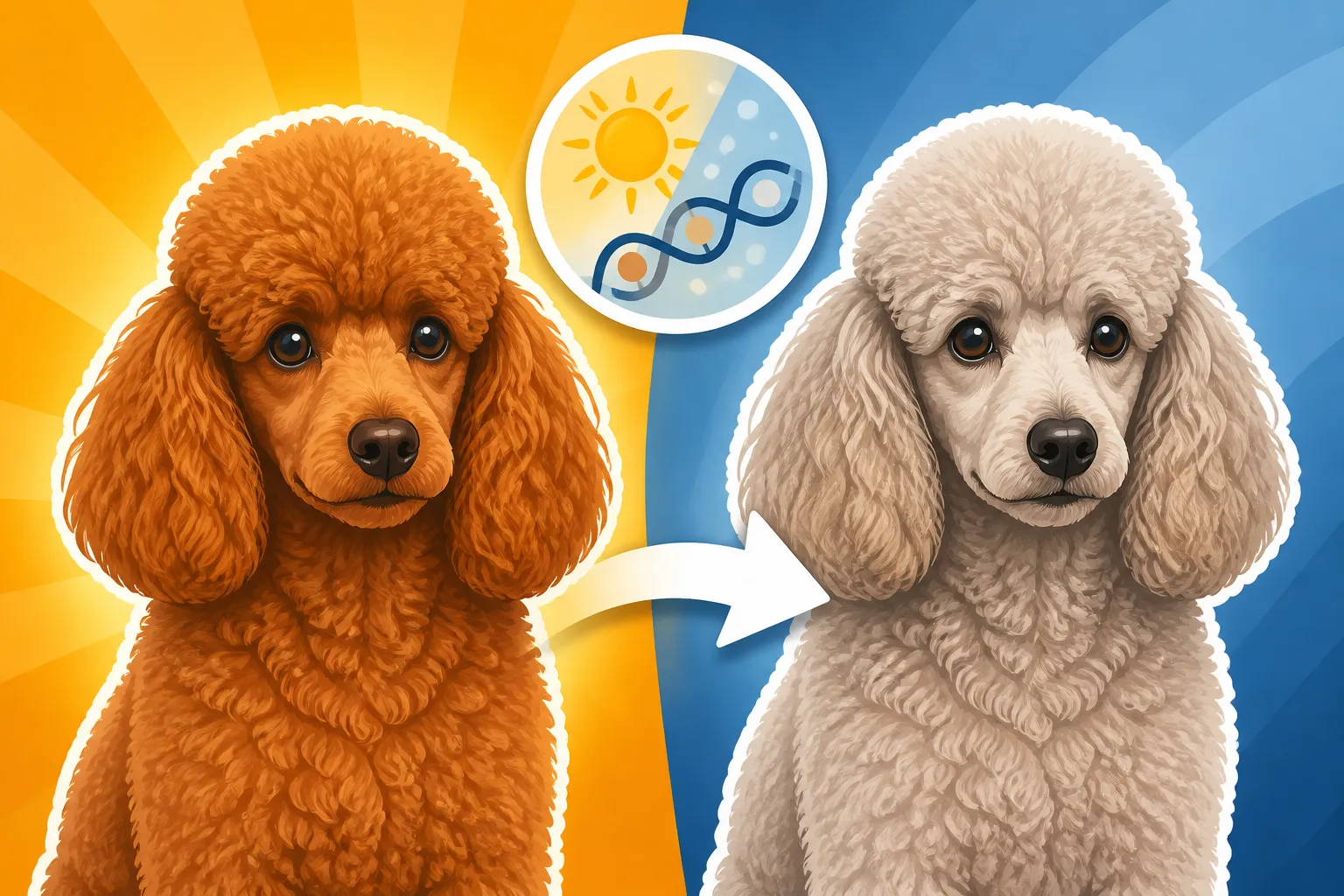
The most common reason for a Poodle's coat to lighten over time is the presence of a specific gene, often referred to as the "fading gene" or the "greying gene" (G locus). Poodles carrying this gene are born with a rich, deep color, but as they mature, the pigment production in their hair follicles gradually slows down or changes, leading to a lighter adult coat. It’s not actually true grey hair in the sense of old age, but a dilution of their base color.
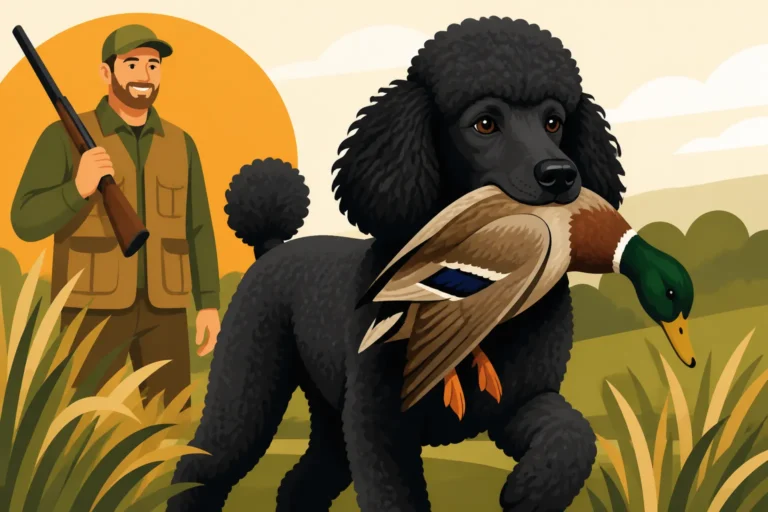
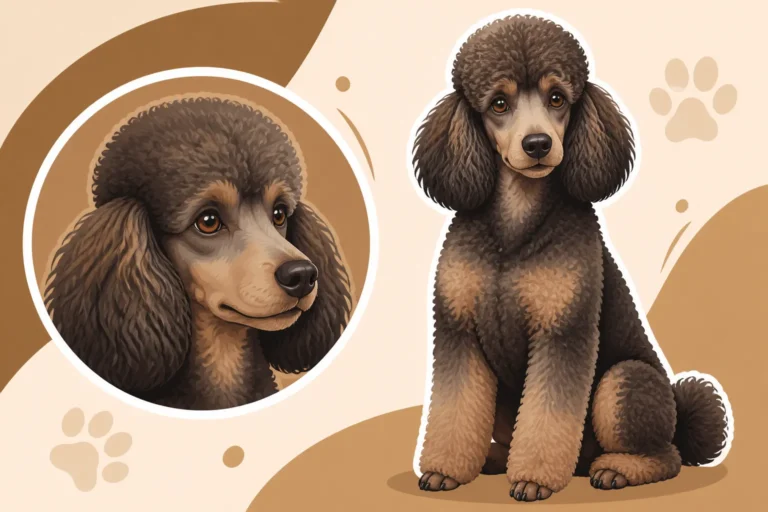
For instance, a Poodle puppy born jet black might mature into a striking blue or even a silver. Browns can soften to a beautiful café-au-lait, and vibrant apricots sometimes become creamy or champagne colored. This progressive lightening typically begins around six months to a year of age and can continue subtly for a few years, eventually settling into their permanent adult shade. It’s a genetic lottery, really, and even experienced breeders can't always predict the final outcome with absolute certainty. If you've ever wondered How a Black Poodle Puppy Turns Blue, this fading gene is often the answer.
It's important to understand that this genetic fading is not a health issue; it's simply a characteristic of the Poodle breed. Many owners find the evolving shades incredibly beautiful and unique, transforming their Poodle's appearance as they grow. The key is to be aware that it can happen, so you're not caught off guard when your puppy's deep coat starts to soften. The exact timing and degree of fading can vary greatly from one Poodle to another, even within the same litter, making each dog truly one-of-a-kind. Knowing When a Poodle Puppy's Color Settles can help manage expectations.
Clear Versus Shaded Coats and What to Expect
Poodle colors are categorized in various ways, and understanding the difference between "clear" and "shaded" coats can help shed light on why some colors appear more prone to fading than others. "Clear" colors, like a true, unadulterated black or white, theoretically have a more stable pigment profile. However, even these can be affected by the fading gene, leading to the aforementioned blues and silvers from a black base.
"Shaded" colors, such as apricot, red, and cream, often have a more complex genetic basis for their pigment. These colors are frequently expressed on a base that inherently has less dense pigment, making them more susceptible to environmental factors or even subtle genetic modifiers that lead to lightening. A stunning red puppy might mature into a lovely apricot or even a lighter cream, a change that can be quite pronounced but is still within the normal spectrum of Poodle color evolution. The vast spectrum of The Ten Solid Poodle Colors each have their own potential for subtle shifts.
Breeders work diligently to understand the genetics behind their lines, often testing for the fading gene, but nature always has its surprises. While some breeders aim for "holding" colors that retain their intensity, the reality is that many Poodles carry the genes for some degree of lightening. It's less about a flaw and more about the diverse genetic tapestry of the breed. For those interested in the genetics, the recent rise of red Poodles as a sought-after shade also brings with it discussions around color stability.
Environmental Factors That Influence Coat Color
Beyond genetics, several external factors can contribute to your Poodle's coat color appearing to fade or become dull. These are often things you can influence with good care and attention, helping to preserve the vibrancy of their fur.
Sun Exposure and Its Impact on Pigment
Just like our own hair can lighten in the summer sun, your Poodle's coat is susceptible to the sun's powerful UV rays. Prolonged exposure to sunlight can break down the melanin pigments in your Poodle's hair shafts, leading to a lightening or "bleaching" effect. This is particularly noticeable in darker colored Poodles, such as blacks and browns, where the sun can turn their rich coats into a rusty red or a lighter, duller brown.
It’s not just about aesthetics; excessive sun exposure can also damage the hair itself, making it brittle and less healthy. While we all want our Poodles to enjoy the outdoors, being mindful of peak sun hours and providing shade can make a real difference. For Poodles with very short clips, a light, UV-protective dog shirt can be a fantastic idea, especially during long outdoor adventures. This is especially true for Sun Exposure on a Closely Shaved Poodle where the skin is also more vulnerable.
Think about it: spending hours outside on a sunny day without protection isn't just bad for your skin; it's impacting your Poodle's coat too. If you live in a sunny climate or your Poodle spends a lot of time outdoors, consider applying a dog-safe sunscreen to areas with thinner hair, like the tips of their ears, and always ensure they have access to shaded areas. Regular grooming also helps remove sun-damaged hair, allowing new, hopefully richer-colored hair to grow in.
Diet, Nutrition, and Coat Health
A healthy, vibrant coat starts from the inside out, and your Poodle's diet plays a crucial role. While nutrition won't change a genetically destined fade, a poor diet can certainly make a coat appear dull, lackluster, and less intensely colored, mimicking fading. Think of it like this: if your Poodle isn't getting all the building blocks for healthy hair, the hair it does grow won't be as robust or richly pigmented.
Key nutrients for a healthy coat include high-quality proteins, essential fatty acids (especially Omega-3 and Omega-6), and certain vitamins and minerals like copper, zinc, and B vitamins. Deficiencies in these areas can lead to a dry, brittle coat that appears faded or even changes texture. For example, a lack of copper can sometimes be associated with a loss of coat pigment in some dogs.
Choosing a high-quality dog food that is complete and balanced for your Poodle's life stage is paramount. If you're concerned about coat health, discuss supplements like fish oil with your veterinarian. You can find a vast selection of quality dog foods and supplements on reputable pet supply sites. Check out options on sites like Chewy for ingredients that support skin and coat. Remember, a shiny, healthy coat, even if it's a lighter shade due to genetics, always looks better than a dull, faded one struggling with poor nutrition. For some Poodles, a Whether Prescription Diets Suit a Poodle might be beneficial, or you might look into Fresh Food Portions Across Poodle Sizes for customized nutrition.
Shampoos, Conditioners, and Topical Products
Believe it or not, the products you use during bath time can also contribute to the perception of a faded coat. Harsh shampoos, especially those not formulated for dogs, can strip the natural oils from your Poodle's coat, leaving it dry and dull. Some human shampoos or even certain dog shampoos contain bleaching agents, even mild ones, that can subtly lighten the hair over time, particularly if used frequently.
For white Poodles, "bluing" shampoos are popular. These shampoos contain optical brighteners that make the white coat appear whiter by canceling out yellow tones, but they don't actually change the hair pigment. Using them too often or leaving them on too long, however, can sometimes impart a purple tint or dry out the coat. For darker Poodles, you want to avoid anything that could strip color.
Instead, opt for gentle, pH-balanced dog shampoos and conditioners designed to nourish the coat. There are even color-enhancing shampoos specifically formulated for black or brown coats that can help maintain vibrancy by depositing subtle dyes or enhancing shine. Always rinse thoroughly to ensure no residue is left behind, as residue can dull the coat. You can find a great selection of these gentle products on Chewy, making it easy to care for your Poodle's specific coat needs. Ensuring proper Shampoo That Suits a Curly Poodle Coat and remembering to completely rinse out Rinsing Product Out of a Poodle Coat are crucial steps.
The Aging Process and Coat Changes
Beyond genetics and environment, time itself brings inevitable changes to your Poodle's coat. Just like humans, dogs experience signs of aging, and their fur is one of the most visible indicators.
Natural Greying Around the Muzzle and Eyes
Perhaps the most universally observed sign of aging in dogs is the appearance of grey hair, often starting around the muzzle, chin, and eyes. This is a completely natural process, separate from the "fading gene" discussed earlier. All Poodles, regardless of their original color, will likely develop these distinguished grey hairs as they move into their senior years. It's a hallmark of a life well-lived and a sign of their wisdom and experience.
This greying is typically gradual, beginning as a few stray silver strands that eventually fill in to create a charming frosted appearance. It's often one of the first things owners notice that truly makes their vibrant, energetic Poodle puppy seem like a dignified adult. While it's a sign of advancing age, it doesn't diminish their beauty or vitality in any way. It's simply part of the natural progression of life with your beloved companion. Some Poodles even experience When a Poodle's Topknot Starts Thinning With Age, further highlighting the passage of time.
It's important to differentiate this natural greying from the progressive lightening seen in younger Poodles due to the fading gene. The greying of old age is universal across most dog breeds and typically concentrated on the face and sometimes the paws, whereas genetic fading affects the entire body coat in a more uniform manner. Embracing these silver strands is part of Caring for an Aging Poodle and celebrating their journey.
Hormonal Shifts and Health Conditions Affecting Coat Color
While not as common as genetic fading or sun exposure, certain health conditions and hormonal imbalances can sometimes manifest with changes in coat color or quality. For instance, thyroid disease (hypothyroidism) can sometimes lead to a dull, dry, and brittle coat that may appear lighter in color, or even have patches of hair loss. Addison's disease, another autoimmune condition common in Standard Poodles, can also affect coat quality, although color change is less typical than other symptoms.
Any significant change in your Poodle's coat color or texture that seems sudden, uneven, or is accompanied by other symptoms like lethargy, skin problems, or appetite changes, warrants a visit to your veterinarian. These could be subtle indicators of an underlying health issue that needs attention. Addressing the root cause can often improve coat health and, in some cases, restore a more vibrant appearance.
It's always best to rule out any medical conditions if you're noticing significant, unexplained changes. Your vet can perform diagnostic tests to check for hormonal imbalances or other health problems. For example, a Thyroid Disease in Poodles diagnosis can significantly impact coat health, while Addison's Disease in Standard Poodles might present with a range of symptoms including subtle coat changes. A healthy body often produces a healthy, vibrant coat, regardless of genetic predispositions to fade.
Managing and Embracing Your Poodle's Evolving Color
So, you've learned about the genetics, the environmental factors, and the natural aging process. Now, what can you do to support your Poodle's coat and, perhaps more importantly, embrace its unique beauty through all its transformations?
Regular Grooming to Maintain Coat Vibrancy
Regular, consistent grooming is perhaps one of the most impactful things you can do to keep your Poodle's coat looking its best, regardless of its underlying color. A clean, well-conditioned, and tangle-free coat always appears more vibrant and healthy than a matted, dull one. Regular brushing stimulates the skin, distributes natural oils, and removes loose hair, allowing the coat to breathe and reflect light better.
Bathing with appropriate shampoos and conditioners, followed by thorough drying, removes dirt, debris, and environmental pollutants that can dull the coat's appearance. While grooming won't change a genetically faded color, it will ensure that the color your Poodle does have is showcased in its best light. A shiny, healthy apricot might be lighter than you expected, but it will still be beautiful if properly cared for. How Often a Poodle Must Be Brushed is a critical factor in maintaining coat health.
Professional grooming every 4-6 weeks is essential for Poodles, but daily or every-other-day brushing at home is equally important to prevent mats and keep the coat in top condition. Mats can not only be uncomfortable but also hide the true beauty of your Poodle's color. Make sure you're using the right tools—a good slicker brush and a metal comb are non-negotiables. Quality brushes and combs are essentials you can easily stock up on from Chewy. Regular Bathing Frequency for a Poodle also plays a role in removing environmental residues that can dull the coat.
Celebrating Your Poodle's Unique Shade
Ultimately, a Poodle's coat color, whether it's a deep, rich hue or a softer, faded shade, is just one aspect of their incredible charm. What truly matters is the happy, healthy, and well-loved dog underneath that beautiful fur. Many Poodle owners come to adore the unique variations in their dog's coat, seeing it as part of their individual character and story.
Think of it as a dynamic canvas. Your Poodle's coat will change, evolve, and tell tales of their life. From the deep, intense color of puppyhood to the progressive lightening of adolescence, and finally to the distinguished greying of their senior years, each stage is a testament to their journey with you. There's a certain beauty in watching your Poodle mature and seeing these transformations unfold.
Instead of focusing on what color they should be, embrace the color they are. A faded apricot Poodle is just as intelligent, loving, and graceful as a vibrant red one. What matters most is their health, happiness, and the bond you share. Celebrate their unique shade, give them the best care you can, and enjoy every moment with your Poodle, in all their wonderfully evolving glory.
| Factor | Description | Impact on Color | Preventative/Supportive Action |
|---|---|---|---|
| Genetic Fading | Inherited gene causing progressive lightening of original coat color. | Black to blue/silver; brown to cafe-au-lait; apricot/red to cream. | None (genetic); embrace the new shade. |
| Sun Exposure | UV rays break down melanin in hair shafts. | Dark coats (black, brown) turn rusty or duller; lighter coats can also dull. | Limit peak sun exposure, provide shade, use dog-safe sunscreen/clothing. |
| Poor Nutrition | Lack of essential vitamins, minerals, and fatty acids for coat health. | Coat appears dull, brittle, less vibrant; can mimic fading. | Feed high-quality, balanced diet; consider vet-approved supplements. |
| Harsh Products | Shampoos/conditioners stripping natural oils or containing bleaching agents. | Coat becomes dry, dull; some products can subtly lighten hair over time. | Use gentle, pH-balanced dog shampoos/conditioners; rinse thoroughly. |
| Aging (Greying) | Natural loss of pigment around muzzle, eyes as dog ages. | Localized grey/white hairs, primarily on the face. | None (natural aging); part of their charm. |
| Health Issues | Underlying conditions (e.g., thyroid) affecting coat quality and pigment. | Dull, dry, brittle coat; potential for patchy lightening or hair loss. | Consult vet for diagnosis and treatment; address underlying condition. |
Disclaimer
This article is for general informational purposes only and does not constitute professional advice. Laws, prices and regulations vary by location and change over time. Consult a qualified professional for guidance on your specific situation.