Why a Poodle Leans on You
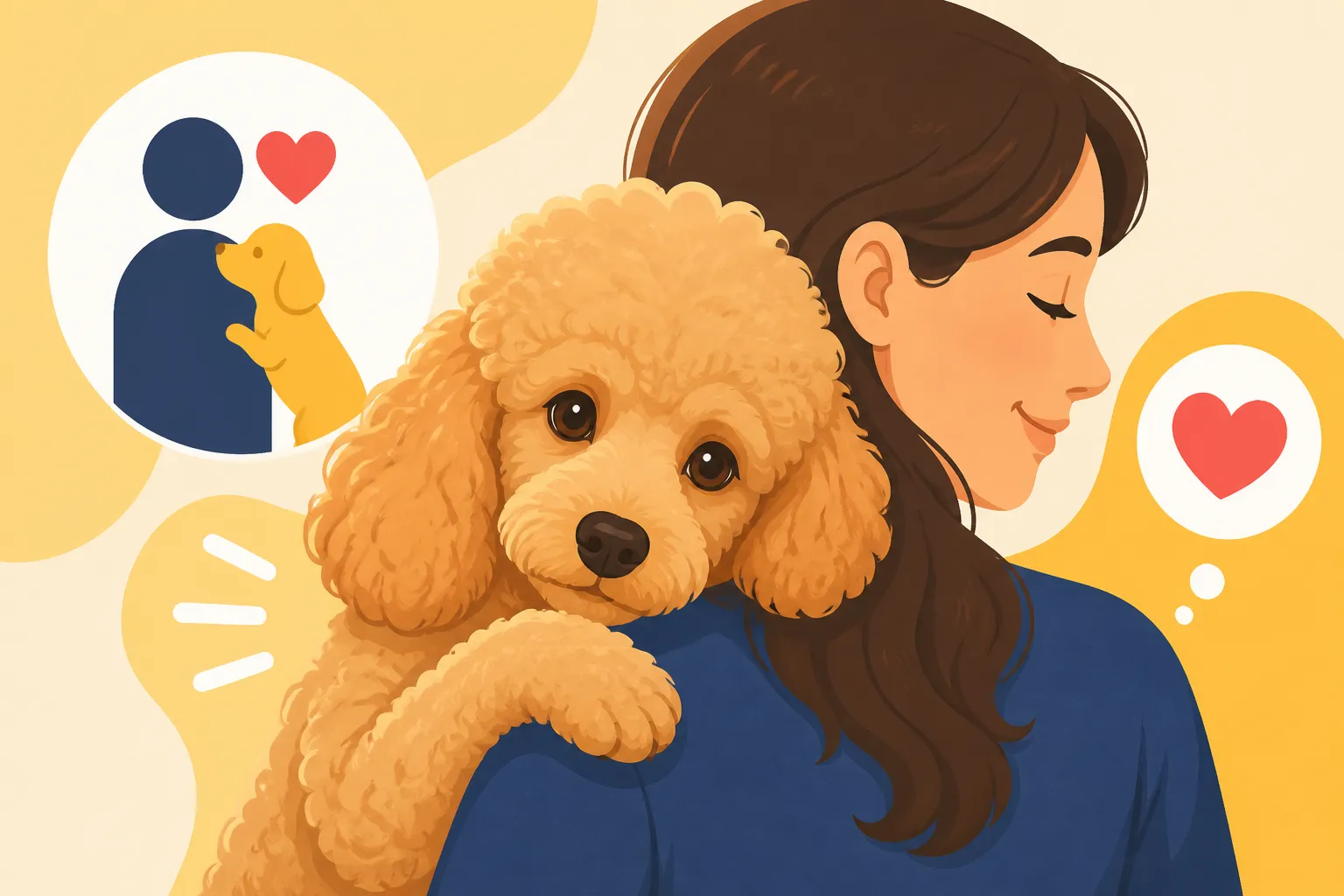
It's a common, endearing Poodle quirk: you're standing, sitting, or even just walking by, and suddenly, your Poodle is there, gently pressing their weight into your leg or hip, perhaps even resting their head against you. This leaning behavior, while sweet, can sometimes leave owners wondering about its true meaning. This guide will delve into the various reasons why your Poodle leans on you, exploring both their natural disposition and what they might be trying to communicate.
The Poodle's Innate Affection and Sensitivity
Poodles, regardless of their size, are renowned for their intelligence, elegance, and surprisingly, their deep emotional connection to their human companions. This isn't just about being a "velcro dog"; it's rooted in their history and inherent temperament. When a Poodle leans, it's rarely accidental; it's a deliberate act, a subtle communication from a breed known for its profound sensitivity.
A Breed Built for Connection
Think about the Poodle's origins. While often associated with French aristocracy and elaborate clips, the Poodle was originally a working water retriever, a job that required a close bond and strong communication with their handler. They weren't bred to be aloof; quite the opposite. This genetic predisposition for partnership and reliance on human guidance has translated into a deeply affectionate nature. They thrive on interaction and being an integral part of the family unit. A Poodle's devotion is intense, and they often form incredibly strong bonds with one or two primary caregivers. This desire for closeness often manifests physically, and leaning is just one way they express that need to be near you, to literally feel your presence. It's a testament to how profoundly they see themselves as part of your world.
Reading a Poodle's Body Language
Poodles are masters of subtle communication. Their intelligent eyes, expressive ears, and the way they carry themselves all speak volumes. Leaning is a very direct form of body language, a physical invitation for connection. It's different from nudging or pawing for attention; leaning is a more sustained, grounded expression. If your Poodle leans into you while looking up with soft eyes, or sighs contentedly, it's a clear sign of comfort and affection. It's their way of saying, "I'm here, I trust you, and I want to be close." Understanding Reading a Poodle's Body Language can help you interpret these nuanced signals, differentiating a casual lean from one that might carry a deeper message. They are highly attuned to your emotions and often mirror them, so your calm acceptance of their lean can be incredibly reassuring to them.
Understanding the "Why" Behind the Lean
While affection is often the primary driver, a Poodle's lean can also be a multifaceted message, expressing various needs, emotions, and even quiet declarations. It’s worth paying attention to the context and what else might be happening around them.
Seeking Comfort and Security
Imagine a bustling park or a busy household with guests. In such situations, your Poodle might lean into you, pressing their side firmly against your leg. This isn't just a desire for affection; it's a plea for reassurance. Your body acts as a physical shield, a solid anchor in a potentially overwhelming environment. They are seeking comfort and security, literally drawing strength from your presence. It's their way of grounding themselves, finding their safe space right next to you. This is especially true for Toy Poodles, who might feel dwarfed by the world around them. Even a confident Standard Poodle might seek this comfort in a new or noisy situation. You might notice them do this more often when they're tired, or if there's a loud noise like thunder or fireworks, trying to feel your steady heartbeat and strong presence.
Communicating Needs
Sometimes, a lean is a Poodle's polite, non-verbal way of asking for something. It's more subtle than a bark or a nudge. For instance, if you're engrossed in a book and your Poodle leans against you, then nudges your hand gently, they might be hinting that it's time for a walk, a meal, or some playtime. Perhaps they've been eyeing their favorite toy from Chewy and are hoping you'll engage in a game of fetch. Or maybe their water bowl is empty, and they're using their quiet presence to prompt you. This is especially common with highly intelligent Poodles who quickly learn that leaning often results in a positive interaction. They are not demanding; they are simply communicating their desire to you in a way that feels natural and polite to them. If you suspect your Poodle is trying to tell you something, pause and observe: are they looking at the door? Their food bowl? Their leash?
Marking Their Territory Gently
While not as overt as scent marking, a Poodle's lean can also be a subtle way of "claiming" you. It's a quiet declaration of ownership, especially when other people or pets are around. They're establishing their connection to you in a non-aggressive, yet firm, manner. It's like saying, "This human is mine, and I'm very comfortable right here." This behavior often solidifies the bond between Poodle and owner, reinforcing the idea that you are their person. If you have multiple pets, you might notice your Poodle doing this more when another dog approaches you, or if a new visitor is giving you attention. It’s less about guarding and more about affirming their privileged position in your affections, a gentle reminder that they are devoted to you. This is why Why a Poodle Shadows Its Owner often goes hand-in-hand with leaning behavior, as they want to be close to you at all times.
When Leaning Might Indicate More
While typically an act of affection, sometimes a persistent or sudden change in leaning behavior can signal something deeper, warranting closer observation or even a veterinary check-up. Poodles are masters at masking discomfort, so subtle cues are important.
Signs of Discomfort or Pain
A Poodle who is suddenly leaning more than usual, or leaning heavily in a way that seems uncomfortable, might be trying to tell you they don't feel well. They might lean into you for support if they are experiencing pain, especially in their joints or limbs. An older Poodle, for example, might lean more if they are dealing with arthritis or general aches. Watch for other accompanying signs: limping, reluctance to move, whining, panting, or a change in appetite. If the lean is coupled with any of these, it's a good idea to consult your vet. They are relying on you to recognize these subtle hints, as they often don't cry out loudly when in pain. Understanding Reading Pain in a Sensitive Poodle is crucial for any Poodle owner, as their stoicism can sometimes hide serious issues.
| Leaning Behavior | Common Interpretation | Potential Deeper Meaning (Observe for other signs) |
|---|---|---|
| Gentle, relaxed lean | Affection, comfort, bonding | Seeking support if unsteady or weak |
| Persistent, heavy lean | Strong desire for connection, security | Pain, discomfort, or general malaise |
| Leaning against furniture/walls | Support, trying to rest | Dizziness, balance issues, weakness |
| Leaning then moving away quickly | Testing boundaries, playful invitation | Sudden pain upon pressure, anxiety |
| Increased leaning with agitation | Anxiety, fear, overstimulation | Neurological issue, acute stress reaction |
Anxiety and Insecurity
Poodles are sensitive souls, and like many intelligent breeds, they can be prone to anxiety. A nervous or insecure Poodle might lean on you as a coping mechanism, using your body as a comforting anchor. This is particularly true if they suffer from separation anxiety when you're preparing to leave, or if they are in an unfamiliar environment. They might exhibit other signs of anxiety too, such as pacing, panting, lip-licking, or being overly vigilant. Your steady presence and physical touch can be incredibly soothing for them. If your Poodle’s leaning seems driven by anxiety, you might explore ways to build their confidence, perhaps with puzzle toys from Chewy or engaging them in mental stimulation games that tire their clever brains. Separation Anxiety in a Velcro Poodle covers how their deep attachment can sometimes manifest as distress.
How to Respond to Your Leaning Poodle
Responding to your Poodle's lean is about understanding their intent and fostering a healthy, balanced relationship. It's a dance between acceptance and, when necessary, gentle guidance.
Reinforcing Positive Connection
Most often, your Poodle is simply showing you love and seeking connection. In these moments, embrace it! A gentle stroke, a soft word, or a moment of quiet petting reinforces that their affection is welcome and reciprocated. This strengthens your bond and builds trust. Your Poodle understands that their lean communicates their feelings and that you are responsive to them. It deepens their sense of security and belonging. This consistent positive reinforcement will make them feel cherished and understood, and they will continue to see you as their safe harbor. Remember, a Poodle thrives on interaction and being a part of your daily life; ignoring their overtures can make them feel disconnected.
Setting Gentle Boundaries
While their affection is wonderful, there might be times when continuous leaning is inconvenient or potentially unsafe, like if you're carrying something hot or navigating a crowded space. In these instances, it’s perfectly acceptable to gently redirect your Poodle. You can softly move them away, offering a verbal cue like "off" or "space," and then immediately reward them when they comply, even if it's just for a second of stepping away. You could then invite them to sit or lie down beside you. The goal isn't to discourage their affection, but to teach them appropriate times and places for leaning. Consistency is key, and Poodles, being so intelligent, pick up on cues quickly. They will learn that while you love their closeness, there are moments for a little more personal space.
Providing Alternative Comforts
If your Poodle’s leaning is sometimes driven by anxiety or a need for security, providing them with alternative comfort measures can be really helpful. A soft, supportive bed in a quiet corner can be their sanctuary. Consider a calming pheromone diffuser or a snugly blanket that smells like you. For Poodles prone to anxiety, a weighted thunder shirt can provide a sense of security similar to a hug. Engaging their minds with enrichment toys, perhaps a KONG filled with treats, can also distract and calm them. Products available on platforms like Chewy offer a wide range of options, from interactive feeders to calming supplements, that can help address underlying anxiety or simply give your Poodle a cozy alternative when you can't be their literal leaning post. A mentally and physically tired Poodle is generally a calmer, more secure Poodle. What a Poodle Does When Its Brain Is Idle explores just how crucial mental stimulation is for these clever dogs.
Disclaimer
This article is for general informational purposes only and does not constitute professional advice. Laws, prices and regulations vary by location and change over time. Consult a qualified professional for guidance on your specific situation.