When a Toy Poodle’s Kneecap Needs Surgery
It's incredibly distressing to watch your energetic Toy Poodle suddenly skip, hold up a leg, or even yelp in pain because of what seems like a "trick knee." This common issue, formally known as luxating patella, can range from a mild, infrequent hop to a severely debilitating condition that impacts their daily life and joy. This guide will walk you through understanding when your precious Toy Poodle's kneecap troubles might truly necessitate surgical intervention, what the procedure entails, and how to navigate their recovery, empowering you to make the most informed decisions for their long-term comfort and happiness.
Understanding Luxating Patella in Toy Poodles
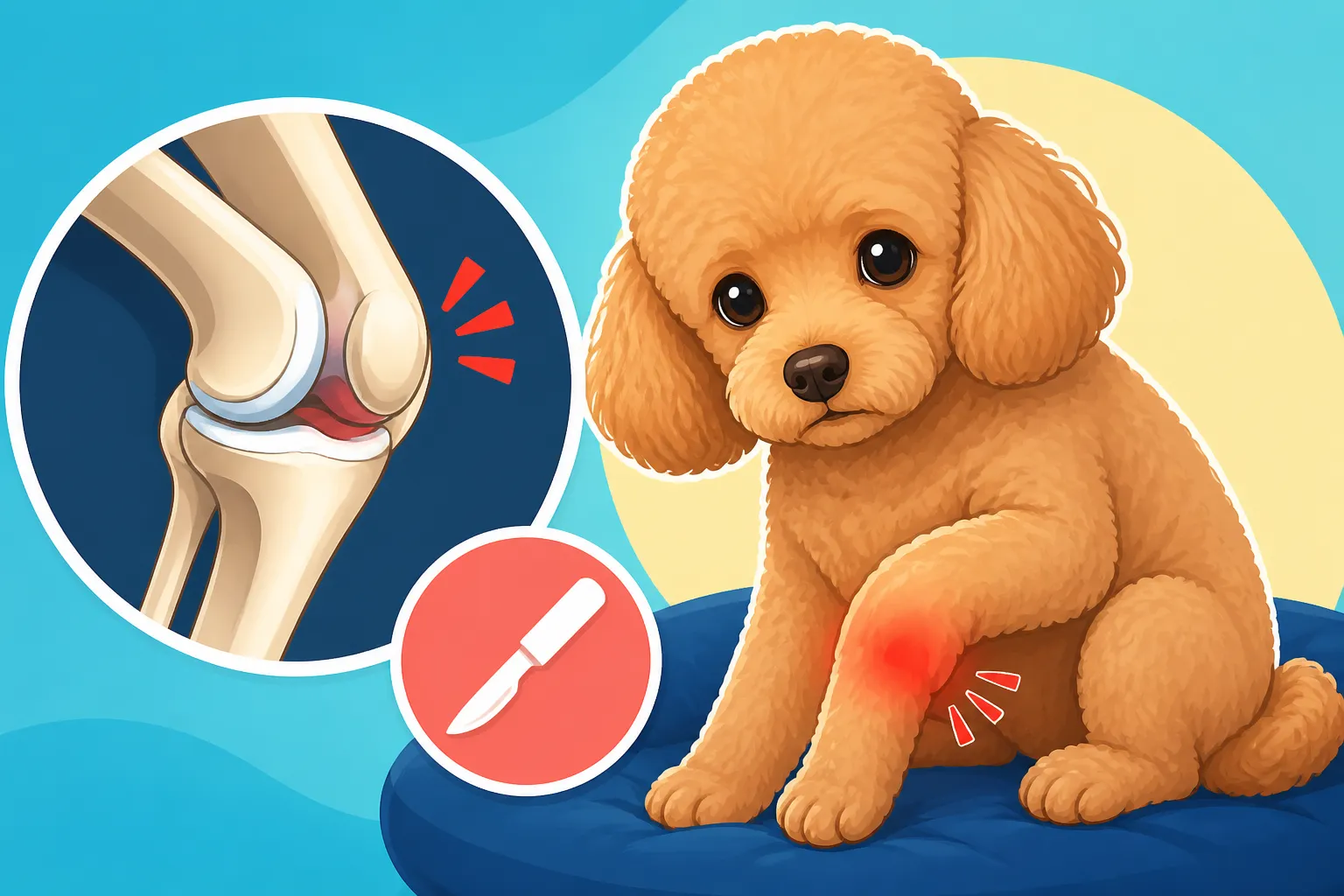
Luxating patella is a fancy term for a kneecap (patella) that slips out of its normal groove (trochlear groove) in the thigh bone (femur). While it can occur in any dog breed, it's particularly prevalent in smaller breeds like our beloved Toy Poodles, often due to a genetic predisposition. The constant slipping and popping can be painful and lead to further joint damage over time.
What is a Luxating Patella?
Imagine your kneecap as a small, oval-shaped bone sitting snugly in a dedicated track at the end of your thigh bone. When your knee bends and straightens, the kneecap glides smoothly up and down this track. In a Toy Poodle with luxating patella, this track, called the trochlear groove, is often too shallow, or the alignment of the bones in the leg isn't quite right. This allows the patella to dislocate, or "luxate," either to the inside (medial luxation, which is most common in small breeds) or, less frequently, to the outside (lateral luxation) of the joint.
When the kneecap slips out, it can cause immediate pain and discomfort, often seen as a sudden skip or a moment where your Poodle carries their leg for a few steps before it pops back into place. Over time, this repeated movement can wear away the cartilage, leading to inflammation, chronic pain, and the early onset of arthritis in the joint. It's a progressive condition, meaning it tends to worsen without intervention, and it's something breeders should screen for diligently, as discussed in our article about What a Poodle Breeder Must Test For.
Grading the Severity of Patellar Luxation
Veterinarians classify luxating patella into four distinct grades, which help determine the severity of the condition and the most appropriate course of action. You might remember our deep dive into the broader topic of Luxating Patella in Toy and Miniature Poodles, where we touched upon these grades. Understanding the specific Grades of Patellar Luxation in a Toy Poodle is absolutely key to discussing treatment options with your vet.
-
Grade 1: This is the mildest form. The kneecap can be manually luxated (slipped out of place) by your vet, but it spontaneously returns to its normal position. Your Poodle might show minimal or no lameness, perhaps an occasional skip that you barely notice. They might carry their leg for a step or two, but it's not a consistent issue. At this stage, many owners might not even realize there's a problem unless a vet performs a thorough orthopedic exam.
-
Grade 2: With Grade 2 luxation, the kneecap spontaneously luxates (slips out) fairly often, but it can also return to its normal position on its own or with gentle manipulation. You'll likely see more frequent skipping, intermittent lameness, and your Poodle might shake their leg or hold it up for a longer period before walking normally again. They might be reluctant to jump on furniture or climb stairs. This is where owners typically become very aware something is off, as it impacts their Poodle's daily activities.
-
Grade 3: At this stage, the kneecap is luxated most of the time. It can be manually returned to its normal position, but it will luxate again almost immediately. Your Toy Poodle will experience persistent lameness, a crouching gait, and difficulty extending their knee. They might walk with a bow-legged appearance if it's a medial luxation, or knock-kneed if it's lateral. The constant displacement causes significant discomfort and can lead to muscle atrophy and severe arthritis.
-
Grade 4: This is the most severe grade. The kneecap is permanently luxated and cannot be manually returned to its normal position. The trochlear groove is often completely flat or even convex. Poodles with Grade 4 luxation often have severe functional impairment, significant pain, and abnormal bone development. They may walk with a severely crouched gait, using only their hips and ankles, or may struggle to walk at all. This condition drastically impacts their quality of life.
Recognizing the Signs Your Toy Poodle Needs Help
As Poodle owners, we're constantly attuned to our furry companions' quirks and habits. When it comes to something as fundamental as movement, any change can be a huge red flag. Because Poodles are inherently sensitive creatures, as we've explored in Reading Pain in a Sensitive Poodle, they might try to hide their discomfort until it becomes undeniable.
Common Clinical Symptoms
Observing your Toy Poodle's gait and behavior is often the first step in identifying a luxating patella. The symptoms can vary depending on the severity and how long the condition has been present.
- Intermittent Lameness or Skipping: This is the classic sign. Your Poodle will be walking normally, then suddenly lift one hind leg for a few steps, often shaking it, before putting it back down and continuing as if nothing happened. This "skipping" is the kneecap slipping out and then popping back in. It might happen more frequently after activity or when they first wake up.
- Holding the Leg Up: Instead of just a skip, your Poodle might hold the affected leg completely off the ground for several steps or even minutes. They might stand with one leg flexed awkwardly.
- Yelping or Whimpering: While not always present, a sudden yelp or whimper can indicate acute pain when the kneecap luxates or grinds against the bone.
- Reluctance to Jump, Run, or Play: If your usually playful Toy Poodle suddenly avoids jumping on the sofa, struggles with stairs, or shows less enthusiasm for walks and games, their joints could be the culprit. They might hesitate before putting weight on the affected leg.
- Abnormal Stance or Gait: In more severe cases (Grade 3 or 4), you might notice a persistent crouch, a bow-legged appearance (knees point outwards), or a "bunny hopping" gait where both hind legs move together. This is their body trying to compensate for the unstable knee.
- Swelling or Tenderness Around the Knee: While not always visible externally, sometimes inflammation can cause subtle swelling. Your Poodle might react negatively if you try to touch or manipulate their knee.
It's important to remember that these symptoms can fluctuate. Your Poodle might have good days and bad days, which can make it hard to pinpoint the problem immediately. This condition is distinct from other unique challenges for tiny breeds, like issues with Toy Poodle Kneecaps and Windpipes, which might present with similar general mobility issues but stem from different anatomical problems.
When to Consult Your Veterinarian
If you notice any of the symptoms above, even if they're mild or intermittent, it's absolutely crucial to schedule an appointment with your veterinarian as soon as possible. Early diagnosis and intervention can significantly improve the long-term prognosis for your Toy Poodle. Don't wait until your Poodle is in constant, debilitating pain.
When you go to the vet, be prepared to describe your observations in detail: when the skipping started, how often it happens, what activities seem to trigger it, and if you've noticed any other changes in behavior. Your vet will perform a thorough physical and orthopedic examination. This will involve palpating (feeling) the kneecap and manipulating the leg to see if the patella can be luxated. Often, they can feel the kneecap popping in and out of the groove.
To confirm the diagnosis and assess the severity, your vet will usually recommend X-rays of the affected limb and possibly the hips. X-rays help visualize the bony structures, assess the depth of the trochlear groove, evaluate the alignment of the tibia (shin bone) relative to the femur, and check for any signs of arthritis or other abnormalities. In some cases, especially if surgery is being considered, your vet might refer you to an orthopedic specialist for a more in-depth evaluation. Remember, compared to larger breeds, Toy Poodle Diseases Standards Rarely Get often involve delicate orthopedic issues like this, making a specialist consultation particularly valuable.
Navigating Surgical vs. Non-Surgical Paths
Once luxating patella has been diagnosed, the next step is to discuss treatment options with your veterinarian. This can feel overwhelming, but understanding the pros and cons of both conservative and surgical approaches will help you make the best decision for your individual Poodle.
Non-Surgical Management
For very mild cases of luxating patella (typically Grade 1, sometimes Grade 2 with minimal symptoms), conservative or non-surgical management might be considered. The goal here is to minimize discomfort, prevent progression, and support overall joint health. It's important to understand that non-surgical options do not "fix" the anatomical problem; they only manage the symptoms and try to slow down joint degeneration.
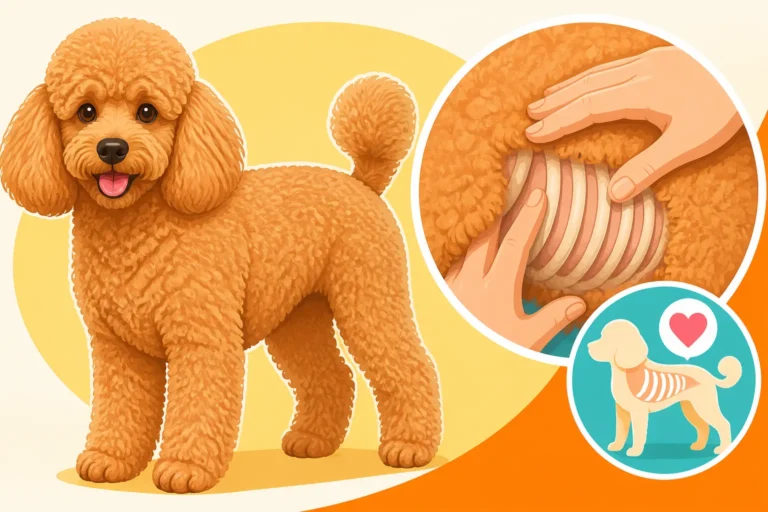
- Weight Management: This is paramount. Every extra pound your Toy Poodle carries puts additional stress on their joints, exacerbating the problem. Maintaining an ideal body weight, as discussed in Poodle Obesity and Its Consequences, is vital for all joint health, but especially for conditions like luxating patella. Your vet can help you determine the ideal weight for your Poodle and recommend a suitable diet.
- Joint Supplements: Supplements containing glucosamine, chondroitin, MSM, and omega-3 fatty acids can help support cartilage health, reduce inflammation, and improve joint lubrication. Brands like Dasuquin, Cosequin, or various fish oil supplements are commonly recommended. While they won't correct the anatomical defect, they can provide comfort and potentially slow down the development of arthritis.
- Anti-Inflammatory and Pain Medication: During flare-ups or periods of increased discomfort, your vet might prescribe non-steroidal anti-inflammatory drugs (NSAIDs) to manage pain and reduce inflammation. These are usually used on an as-needed basis or for short courses.
- Physical Therapy/Rehabilitation: Gentle, controlled exercise and stretching can help strengthen the muscles around the knee, improving stability. However, this must be done under the guidance of a qualified veterinary physical therapist, as inappropriate exercises can cause further harm.
- Restricted Activity: During periods of acute lameness, limiting strenuous activity, jumping, and rough play can give the knee a chance to recover. Short, controlled leash walks are usually okay, but avoid activities that encourage slipping or twisting of the knee.
When Surgery Becomes Necessary
The decision for surgery is a significant one, but for many Toy Poodles with luxating patella, it offers the best chance for a pain-free, active life. Surgery is typically recommended for:
- Grade 2 luxation with consistent lameness or pain: If your Poodle's skipping is frequent, causes them clear discomfort, or significantly impacts their quality of life despite conservative management, surgery is often the next step.
- Grade 3 and 4 luxation: These severe grades almost always require surgical correction due to the constant pain, significant lameness, and long-term joint damage they cause.
- Concomitant orthopedic issues: Sometimes luxating patella occurs alongside other problems like hip dysplasia. Addressing the patella can improve overall limb function.
- Progression of the disease: If a milder luxation worsens over time, surgery becomes more critical.
The primary goal of surgery is to stabilize the kneecap within its groove and correct any underlying bony abnormalities that contribute to the luxation. Several techniques can be used, often in combination:
- Trochlear Wedge or Block Recession: This involves deepening the trochlear groove in the femur so the kneecap has a more secure track to glide in. A small wedge or block of bone and cartilage is removed, the underlying bone is deepened, and then the wedge/block is replaced, sitting lower.
- Tibial Crest Transposition: The tibial crest is a bony prominence on the tibia where the patellar ligament attaches. If this attachment point is misaligned, it pulls the kneecap out of position. This procedure involves cutting the tibial crest, moving it to the correct alignment, and then reattaching it with pins.
- Lateral Imbrication: This technique tightens the joint capsule on the outside of the knee to physically pull the kneecap into better alignment and prevent it from slipping inwards. It's often used in conjunction with other procedures.
When facing the decision, the financial aspect is often a major concern, as explored in our article on Knee Surgery Prices for a Toy Poodle. This is where pet insurance can be a lifesaver. Companies like Healthy Paws are well-regarded for their comprehensive coverage, and having a policy in place before any symptoms appear can make a world of difference when unexpected medical expenses arise.
The Surgical Procedure and Recovery
Understanding what to expect before, during, and after surgery can help ease your anxieties. Your veterinary surgeon, who is ideally an orthopedic specialist, will explain the specific procedures planned for your Poodle.
On the day of surgery, your Poodle will be admitted to the veterinary hospital. They will undergo pre-anesthetic blood work to ensure they are healthy enough for anesthesia and pain management. The surgery itself can take a few hours, depending on the complexity and the number of procedures needed.
Immediately after surgery, your Poodle will be closely monitored for pain and complications. They will receive pain medication to keep them comfortable. Most Poodles stay overnight for observation, sometimes for a couple of days, particularly for more extensive procedures.
At-home recovery is critical and demands strict adherence to your vet's instructions:
- Strict Confinement: Your Poodle will need to be confined to a small, secure area (like a crate or a small room) to prevent jumping, running, or twisting motions that could damage the repair. This confinement usually lasts for several weeks.
- Pain Management: You'll be sent home with a regimen of pain medications and possibly anti-inflammatory drugs. It's vital to administer these exactly as prescribed, even if your Poodle seems to be feeling better. Remember, Poodles can be incredibly stoic and may hide their discomfort.
- Leash Walks Only: For bathroom breaks, your Poodle must be on a leash, walking slowly and deliberately. No off-leash running or exuberant play.
- Incision Care: You'll need to monitor the incision site for any signs of redness, swelling, discharge, or opening. An Elizabethan collar (e-collar or "cone of shame") will likely be necessary to prevent your Poodle from licking or chewing the incision, which could lead to infection.
- Ice/Heat Therapy: Your vet might recommend applying ice packs to the surgical site during the initial recovery phase to reduce swelling, and later, warm compresses to improve circulation.
The recovery period can be anywhere from 6 to 12 weeks, with gradual increases in activity. This is a marathon, not a sprint. Be patient and consistent with your Poodle's care.
Life After Luxating Patella Surgery
Undergoing surgery for a luxating patella is a significant commitment, but the payoff can be immense: a happier, more comfortable Poodle. However, the journey doesn't end when they leave the operating room. Post-operative care and long-term management are crucial for a successful outcome.
Post-Operative Care and Rehabilitation
The weeks and months following surgery are just as important as the surgery itself. Rehabilitation helps your Toy Poodle regain strength, flexibility, and proper limb function.
- Controlled Exercise: Your vet or a certified veterinary rehabilitation therapist will provide a structured exercise plan. Initially, this might involve very gentle passive range of motion exercises (carefully bending and straightening the knee) performed while your Poodle is resting. As they progress, short, slow leash walks on even surfaces will be introduced, gradually increasing in duration. The key is controlled, deliberate movement – no sudden twists, jumps, or runs.
- Physical Therapy: Specialized physical therapy can include underwater treadmill sessions, therapeutic exercises, and massage to strengthen supporting muscles, improve balance, and reduce stiffness. This can significantly speed up recovery and ensure optimal function.
- Pain Management Continued: While the acute pain resolves, some Poodles may still benefit from intermittent pain relief, especially during rehabilitation. Closely follow your vet's recommendations.
- Regular Vet Check-ups: You'll have several follow-up appointments with your vet or orthopedic surgeon to monitor healing, check the stability of the kneecap, and remove sutures. X-rays may be taken to assess bone healing if pins were used. These check-ups are essential to ensure the recovery is on track.
It’s crucial to prevent your Poodle from overdoing it, even if they seem to feel better quickly. Poodles are smart and eager to please, but their enthusiasm can lead them to push past their physical limits before they are fully healed. For those considering puppy insurance, looking into Insuring a Poodle Before Any Diagnosis is a smart move that could help with unexpected costs like this, including rehabilitation.
Long-Term Outlook and Potential Complications
The prognosis for Toy Poodles undergoing luxating patella surgery is generally excellent, especially for Grades 2 and 3. Most dogs recover fully and return to normal activity with little to no lameness. Success rates are high, often cited at 90% or more, particularly when surgery is performed by an experienced orthopedic surgeon.
However, it's important to be aware of potential complications and long-term considerations:
- Re-luxation: While rare, the kneecap can sometimes re-luxate after surgery. This is more common in very severe cases (Grade 4) or if the post-operative restrictions aren't strictly followed. Sometimes, a second surgery might be needed.
- Arthritis: Even with successful surgery, the knee joint may still be prone to developing some degree of arthritis over time, especially if there was already significant cartilage damage before the procedure. Continued joint supplements and weight management can help mitigate this.
- Implant Issues: If pins or screws were used, they can sometimes cause irritation or shift, requiring removal in a second, minor procedure.
- Infection: As with any surgery, there's a small risk of infection at the surgical site.
- Leg length discrepancy: In rare cases, especially with extensive bone reshaping in young, growing puppies, there can be slight differences in leg length.
Your Poodle will likely enjoy a much better quality of life post-surgery. Even so, regular check-ups with your vet will be important throughout their life, particularly as they age. Our article, Caring for an Aging Poodle, provides valuable insights into managing age-related changes, including potential arthritis.
Financial Considerations and Support
The cost of luxating patella surgery can be substantial, varying widely depending on your geographic location, the specific procedures required, and the veterinary clinic or specialist involved. This can be a source of considerable stress for many owners, and it’s why careful budgeting is so important for Poodle ownership.
A detailed cost breakdown often includes:
- Pre-surgical diagnostics: X-rays, blood work, specialist consultations.
- Anesthesia and surgical fees: Including surgeon's fees, operating room time, and monitoring.
- Hospitalization: Overnight stays for recovery.
- Medications: Pain relief, anti-inflammatories, antibiotics.
- Post-operative care: Follow-up appointments, recheck X-rays, e-collar.
- Rehabilitation: Physical therapy sessions.
While these costs can seem daunting, there are ways to prepare and manage them. Pet insurance is often the most effective tool. A robust policy from a provider like Healthy Paws, obtained before any signs of luxating patella appear, can cover a significant portion of these expenses. Remember, most insurance policies consider pre-existing conditions, so it's wise to enroll your Poodle while they are young and healthy.
If pet insurance isn't an option or doesn't cover all costs, consider setting aside a dedicated emergency fund for your Poodle's health. Some veterinary clinics also offer payment plans, or you might look into veterinary financing options such as CareCredit. Don't hesitate to discuss your financial concerns openly with your vet; they may be able to suggest options or resources. Understanding the true commitment to a Poodle's health is a part of The First Year With a Poodle and extends throughout their lifespan.
Disclaimer
This article is intended for informational purposes only and does not constitute veterinary advice. Always consult with a qualified veterinarian for any health concerns or before making any decisions about your Poodle's medical care.