How Often a Plucked Poodle Ear Still Infects
It's a familiar, frustrating story for so many Poodle parents: you've been diligent, you've plucked those ear canals just like you're supposed to, and yet, your beloved Poodle is still shaking their head, scratching, and developing another ear infection. It feels like a never-ending cycle, doesn't it? This guide is here to shed light on why even a carefully plucked Poodle ear can still fall victim to infection and, more importantly, what holistic steps you can take to finally break free from this painful loop for your furry friend.
The Persistent Battle Against Poodle Ear Infections
Poodle ears, with their beautiful, velvety drop-ear conformation, are unfortunately a design flaw when it comes to preventing infections. They are like cozy, warm, and humid caves for all sorts of unwelcome guests. Owners often feel like they're fighting a losing battle, diligently following advice to pluck the hair from the ear canal, only to be met with the same old symptoms. It's incredibly disheartening when you're doing "everything right" and still facing veterinarian visits and rounds of medication.
Why Poodle Ears Are Prone to Trouble
The unique anatomy of a Poodle's ear is the primary reason they are such fertile ground for infection. Unlike breeds with upright ears or those with less hair in the canal, Poodles have a perfect storm of factors. Their long, floppy ears cover the opening of the ear canal, effectively sealing it off from fresh air. This creates a perpetually warm, dark, and humid environment, which is exactly what yeast and bacteria thrive on. Imagine wearing a continuous earmuff – that's essentially what a Poodle's ear does.
Add to this the characteristic dense hair growth deep within the ear canal. This hair acts like a sponge, trapping moisture from baths, swims, or even just humidity in the air. It also collects ear wax, debris, and dead skin cells, preventing them from naturally migrating out of the ear. This trapped material, combined with the lack of airflow, leads to a buildup that quickly becomes a banquet for opportunistic microbes. Even if you pluck regularly, if these other environmental factors aren't addressed, you're leaving the door open for trouble.
The Role of Ear Hair Plucking
Ear hair plucking, or epilation, is a widely recommended practice for Poodles and other breeds with hairy ear canals. The rationale is sound: by removing the excess hair, you improve air circulation within the ear, reduce the amount of material available for trapping moisture and debris, and make it easier for ear cleaners to reach the canal walls. Many groomers and veterinarians advocate for it, and indeed, for many Poodles, it can significantly reduce the frequency of infections. You can read more about the practicalities of the process in Plucking Hair From a Poodle's Ear Canal.
However, plucking isn't a magic bullet, and it’s not without its potential downsides. If done improperly or too aggressively, plucking can actually irritate the delicate skin lining the ear canal. This irritation can cause micro-abrasions or inflammation, turning the protective skin barrier into an entry point for bacteria and yeast, rather than preventing them. It’s a fine balance. Some Poodles also find the plucking process quite painful or uncomfortable, leading to stress and resistance, which can complicate future ear care. It's crucial to ensure that if you're plucking, it's done gently and correctly, or by a professional who understands the nuances of Poodle ear care.
Beyond Plucking: Other Factors Contributing to Ear Infections
When ear infections become a chronic issue despite diligent plucking, it's a clear signal that something else is at play. Plucking is merely one tool in the ear health arsenal, and often, the root cause lies in other factors that create an underlying susceptibility. Ignoring these can mean an endless cycle of treatments without ever truly resolving the problem.
The Impact of Allergies and Diet
One of the most significant, yet often overlooked, contributors to recurrent ear infections in Poodles is allergies. Just like people, Poodles can suffer from environmental allergies (atopy) to things like pollen, dust mites, or molds, or from food allergies to certain proteins (like chicken or beef) or grains. When a Poodle's immune system reacts to an allergen, it often manifests as inflammation and itchiness. This inflammation frequently affects the skin, and the ears are a common target. The skin inside the ear canal becomes red, swollen, and itchy, creating an ideal, compromised environment where yeast and bacteria can easily take hold and proliferate. It's a bit like having a constantly irritated internal ear that's just waiting for an infection to bloom.
If your Poodle experiences frequent ear infections alongside other symptoms like itchy skin, paw licking, or digestive upset, allergies should be high on your list of suspects. Diagnosing allergies can involve careful elimination diets (for food sensitivities) or veterinary testing (for environmental allergies). Managing them often requires a multi-faceted approach, including diet changes, antihistamines, steroids, or newer allergy medications. Addressing the underlying allergy is often the key to breaking the cycle of recurrent ear infections. For a deeper dive into how these sensitivities affect your dog, explore Poodle Allergies and Skin Reactions or Environmental Allergies in a Poodle. The cost of diagnosing and treating these persistent allergy-related ear issues can add up quickly, which is where a robust pet insurance plan like Healthy Paws can be incredibly beneficial, helping to cover unexpected vet bills for diagnostics and medications.
Moisture, Cleaning, and Environment
Beyond allergies, moisture management and proper cleaning techniques are absolutely critical for Poodle ear health. Water trapped in the ear canal after a bath, a swim, or even a walk in the rain is a prime culprit for creating that damp, warm environment where infections flourish. Even if the hair is plucked, a wet ear canal is an open invitation for yeast to bloom. Thoroughly drying your Poodle's ears after any exposure to water is non-negotiable. This means using cotton balls, gentle towels, and potentially a pet-specific ear drying solution. However, avoid sticking anything deep into the ear canal, as this can push debris further in or damage delicate structures.
Routine cleaning with a vet-approved ear cleaner is also vital, but there's a delicate balance. The goal is to remove excess wax and debris without causing irritation. Over-cleaning or using harsh, alcohol-based cleaners can strip the ear canal of its natural protective oils, leading to dryness and irritation, which paradoxically can make it more susceptible to infection. Your veterinarian can recommend a gentle, pH-balanced ear cleaner suitable for your Poodle's specific needs. For more detailed guidance, refer to Cleaning a Poodle's Ears After a Bath. Environmental factors, such as high humidity in your home or exposure to dusty environments, can also contribute to ear irritation and the buildup of allergens, making consistent preventative care all the more important.
Underlying Health Conditions
Sometimes, recurrent ear infections are not just a local problem but a symptom of a deeper, systemic health issue. Certain underlying medical conditions can compromise a Poodle's immune system or affect the health of their skin, making them more vulnerable to chronic infections, including those in the ears.
For instance, hypothyroidism (underactive thyroid) is a condition that can affect Poodles, particularly Standard Poodles, and it can manifest with various skin and coat problems, including recurrent infections. A Poodle with an unregulated thyroid condition might have poor coat quality, hair loss, and compromised skin barrier function, which extends to the ear canals. Similarly, certain autoimmune diseases can affect skin health, creating an environment ripe for opportunistic infections. For more information on this specific condition, you can refer to Thyroid Disease in Poodles.
If your Poodle's ear infections are persistent and don't respond well to typical treatments, or if they are accompanied by other symptoms like lethargy, weight changes, or changes in coat, it's absolutely crucial to consult your veterinarian for a thorough diagnostic workup. This might involve blood tests to check thyroid function, investigate immune markers, or look for other systemic issues. Treating the underlying health condition is paramount to resolving the chronic ear problems. Again, the costs associated with these in-depth diagnostics and long-term medication can be substantial, and having pet insurance like Healthy Paws can provide significant financial relief, ensuring your Poodle gets the comprehensive care they need without you having to worry about every single bill.
Strategies for Minimizing Recurrent Ear Infections
Dealing with chronic ear infections is exhausting for both you and your Poodle. The good news is that by adopting a comprehensive, multi-pronged strategy that goes beyond just plucking, you can significantly reduce the frequency and severity of these frustrating episodes. It's about proactive care, vigilant observation, and a strong partnership with your veterinarian.
A Proactive Ear Care Routine
Establishing a consistent and gentle ear care routine is paramount. It’s not just about cleaning when there’s a problem, but preventing one from starting. Here’s how you can create an effective routine:
- Regular, Gentle Cleaning: Work with your vet to choose an appropriate, non-irritating ear cleaner. Many excellent veterinary brands are available. For most Poodles, cleaning once a week or every two weeks is a good starting point, but your vet might recommend more or less frequent cleaning based on your Poodle's individual needs. Apply the cleaner as directed, massage the base of the ear to break up debris, and then wipe the accessible parts of the ear with cotton balls. Never use cotton swabs deep inside the canal.
- Thorough Drying: This cannot be stressed enough. After baths, swimming, or even a very wet walk, ensure your Poodle’s ears are completely dry. Use soft towels and cotton balls to absorb moisture from the outer ear and accessible parts of the canal. A low-heat hairdryer can be used cautiously at a safe distance, making sure not to burn the delicate skin.
- Daily Checks: Make it a habit to lift your Poodle's ears daily. Look for any redness, swelling, discharge (especially brown, yellow, or greenish), or an unusual odor. Poodles are sensitive, and they might try to hide their discomfort. Early detection is key to preventing a full-blown infection. For more on subtle signs, check out Reading Pain in a Sensitive Poodle.
- Mindful Hair Management: Discuss with your groomer or vet whether plucking is the best option for your individual Poodle. Some Poodles benefit more from very careful trimming of the hair around the ear canal opening to improve airflow, rather than full plucking, especially if their skin is sensitive. The goal is clear airflow, not necessarily a hairless canal. You can also explore Why Poodle Ears Grow Hair Inside for more understanding.
Here’s a quick checklist to help you stay on top of your Poodle’s ear health:
| Factor | Weekly Check-in | Action Steps |
|---|---|---|
| Ear Canal Cleanliness | Is there visible wax, debris, or discharge? | Gentle cleaning with vet-approved solution. |
| Odor | Any sweet, yeasty, or foul smell? | If present, schedule vet visit; continue gentle cleaning. |
| Redness/Swelling | Are the ear flaps or canal entrance inflamed? | Avoid further irritation; contact vet promptly. |
| Poodle Behavior | Head shaking, scratching, sensitivity when touched? | These are signs of discomfort – consult your vet. |
| Hair Growth | Is hair beginning to block the canal opening again? | Consult groomer or gently trim/pluck as advised by vet. |
| Moisture Check | Ensure ears are dry, especially after water exposure. | Use cotton balls and drying solution; air dry thoroughly. |
When to Consult Your Veterinarian
Even with the most meticulous home care, Poodles can still develop ear infections. The moment you notice any signs of discomfort – head shaking, scratching, rubbing their ears, a strong odor, redness, or discharge – it's time to call your veterinarian. Don't try to self-diagnose or treat with over-the-counter remedies, as this can often make things worse or delay proper treatment.
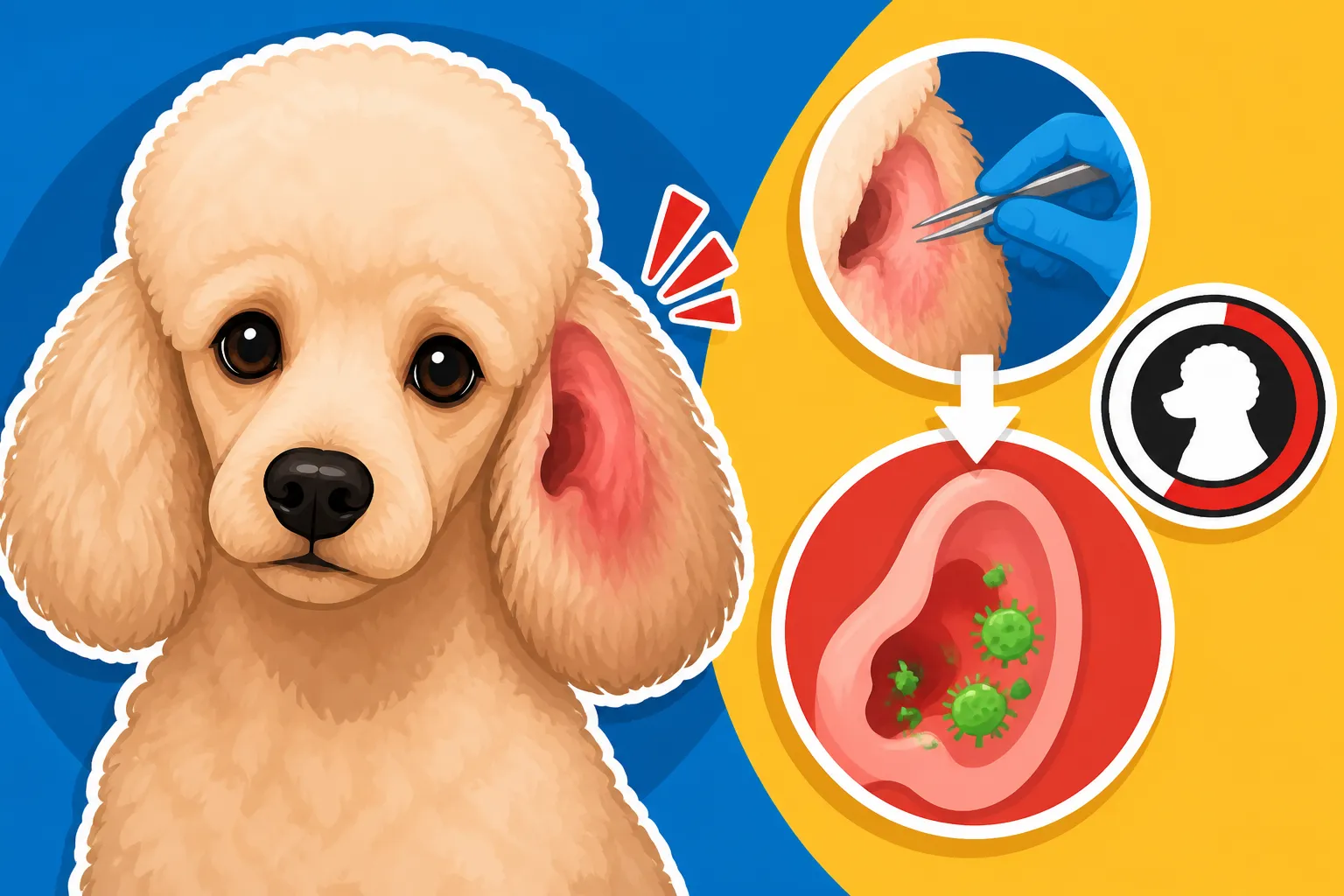
Your vet will perform an otoscopic examination to look deep into the ear canal, assessing the eardrum and the severity of the infection. They will often take a swab for cytology, which involves looking at a sample under a microscope. This is crucial because it helps them identify whether the infection is caused by yeast, bacteria, or a combination of both, and sometimes even ear mites. Different types of infections require different medications. A yeast infection, for instance, will require antifungal medication, while a bacterial infection will need antibiotics. For recurrent or severe cases, your vet might recommend a culture and sensitivity test, which identifies the specific bacteria present and determines which antibiotics will be most effective. This avoids the frustration of using an antibiotic that simply isn't working.
It's common for owners to feel frustrated when their Poodle seems to be on a continuous cycle of antibiotics for ear infections. This is precisely why proper diagnosis is paramount. If a particular Poodle's ear continues to be a problem, it might be due to resistance, or an allergy or other underlying condition wasn't fully addressed. You can find more comprehensive information on diagnosing these issues in Ear Infections Under a Poodle's Drop Ears. These diagnostic tests and medications can incur significant costs, so having a good pet insurance plan from a provider like Healthy Paws can truly alleviate the financial stress, allowing you to focus on your Poodle's recovery rather than the bill.
Managing Long-Term Ear Health
For Poodles prone to chronic ear infections, long-term management is about ongoing vigilance and adapting your approach as needed. It's a journey, not a destination, and some Poodles, despite everyone's best efforts, may always require a little extra ear attention.
- Dietary Adjustments: If allergies are suspected, working with your vet on an elimination diet or a prescription hypoallergenic food can make a dramatic difference. Many Poodles thrive on diets specifically formulated to minimize allergic reactions, which in turn reduces inflammation in their ears and other areas.
- Environmental Control: While you can't control everything, minimizing exposure to known environmental allergens (dust, pollen) in your home can help. Regular vacuuming with a HEPA filter, frequent washing of pet bedding, and using air purifiers can all contribute.
- Professional Grooming Partnership: Develop a strong relationship with a professional groomer who understands Poodle ears. They can provide expert advice on ear hair management (whether to pluck, trim, or use a combination) and perform it safely without irritation. They can also help keep the hair around the ear canal short to maintain airflow.
- Maintenance Medications: For some Poodles with severe, chronic issues, your vet might recommend a very low-dose, regular maintenance ear treatment to keep yeast and bacteria at bay. This isn't ideal for every dog but can be a lifesaver for those with extreme susceptibility.
- Proactive Insurance: Knowing that ear problems can be chronic and expensive, having pet insurance that covers recurring conditions is a huge peace of mind. Healthy Paws, for example, is a reliable option for covering the ongoing vet visits, diagnostics, and medications associated with managing conditions like chronic ear infections and their underlying causes. This forward-thinking approach can save you significant stress and ensure your Poodle always gets the best possible care.
Ultimately, while plucking ear hair is a valid and often helpful step, it's just one part of a holistic approach to Poodle ear health. By understanding the combination of anatomy, moisture, allergies, and potential underlying health issues, you can work effectively with your veterinarian to give your Poodle the best chance at healthy, infection-free ears.
Disclaimer
This article is for general informational purposes only and does not constitute professional advice. Laws, prices and regulations vary by location and change over time. Consult a qualified professional for guidance on your specific situation.