Whether a Poodle’s Itch Is Allergy or Adenitis
Few things are as frustrating as watching your beloved Poodle constantly scratch, chew, or rub their skin raw. You try everything – diet changes, special shampoos, even different groomers – but the itch persists, leaving you wondering if it's just allergies or something more complex and concerning. This guide aims to help you understand the subtle, and sometimes not-so-subtle, differences between common Poodle allergies and the often-misunderstood autoimmune disease, Sebaceous Adenitis, so you can better advocate for your furry friend with your vet.
Understanding the Poodle's Sensitive Skin and Coat
Poodles, for all their elegance and intelligence, are a breed renowned for sensitive skin and a coat that demands meticulous attention. This isn't just about looking pretty; it's fundamental to their health. The very characteristics that make their coat so iconic also make them predisposed to a host of dermatological challenges, which can be incredibly frustrating for owners trying to discern the root cause of their Poodle's discomfort.
The Poodle's Unique Coat Structure
Unlike many dog breeds that have fur, Poodles boast a dense, curly, continuously growing coat of hair. This beautiful, low-shedding characteristic is often lauded, especially by those with allergies, but it comes with its own set of responsibilities. This tight curl and continuous growth mean that dead hair doesn't fall out easily; instead, it gets trapped within the active coat, forming tangles and, if neglected, painful mats right down to the skin.
These mats aren't just cosmetic issues; they create a perfect microclimate for skin problems. Trapped moisture, dirt, and debris can lead to skin irritation, bacterial or yeast infections, and make it incredibly difficult for air to circulate, exacerbating any existing skin condition. Imagine wearing a heavy, matted wool sweater in humid weather – it's much the same for your Poodle's skin underneath that beautiful coiffure. This dense coat can also act as a clever disguise, hiding early signs of irritation or hair loss until a problem becomes quite advanced, making it harder for you to spot issues until your Poodle is truly miserable. Proper grooming, including daily line brushing to the skin and regular professional clips, is your first line of defense in monitoring and maintaining skin health.
Why Poodles Are Prone to Skin Conditions
Beyond the coat structure, Poodles, particularly Standard Poodles, carry a genetic predisposition to certain autoimmune conditions and various types of allergies. It's a double-edged sword: their robust immune systems, while generally good, can sometimes go awry and mistakenly attack their own body, leading to conditions like Sebaceous Adenitis or Addison's Disease. We've talked extensively about conditions like Addison's Disease in Standard Poodles and why it's often called "the great pretender" because its symptoms mimic so many other ailments. Skin issues can be just as deceptive.
Environmental factors, diet, and even stress can trigger or worsen these underlying sensitivities. Living in areas with high pollen counts, exposure to common household chemicals, or even certain ingredients in their food can turn a mild sensitivity into a full-blown itchy nightmare. Owners often find themselves on a long, arduous journey of elimination diets, special shampoos, and medication trials, trying desperately to find relief for their scratching companions. It’s a disheartening situation, seeing your vibrant Poodle constantly uncomfortable, and the quest for answers can feel endless. Knowing that your Poodle is genetically wired to be more susceptible doesn't make it easier, but it does help explain why you might be facing these particular challenges.
Differentiating Poodle Allergies from Sebaceous Adenitis
When your Poodle starts itching, the first thought for most owners is "allergies." And often, you'd be right. But Poodles throw a curveball with Sebaceous Adenitis (SA), an autoimmune condition that frequently mimics allergic reactions, making accurate diagnosis a real puzzle even for experienced veterinarians. Understanding the nuances of each condition is vital.
Recognizing Allergy Symptoms in Poodles
Poodle allergies are incredibly common and can manifest in various ways, often making your dog quite miserable. Typically, you'll observe generalized itching, which means your Poodle is itchy all over, not just in one spot. This might present as excessive scratching, licking, or chewing, especially on their paws – a common giveaway for environmental allergies. You might notice them rubbing their face on the carpet or furniture, shaking their head a lot, or scooting their rear.
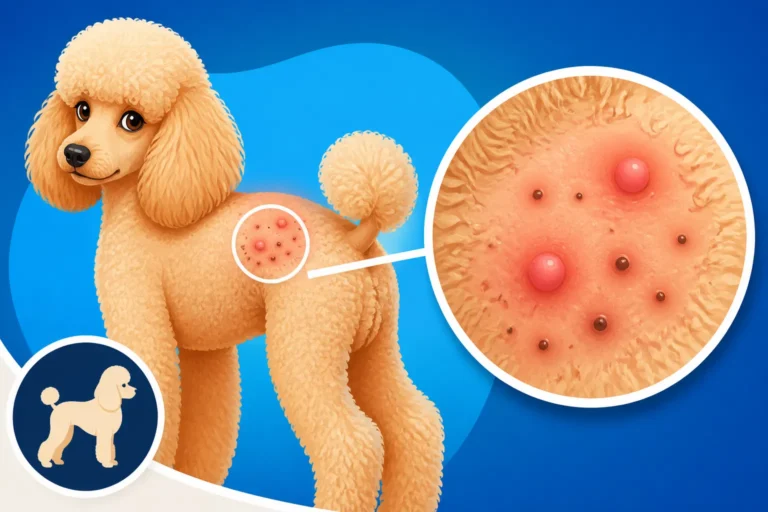
The skin itself can appear red, inflamed, or bumpy. Chronic licking can lead to secondary skin infections (pyoderma), characterized by red pustules, scabs, and a foul odor, often requiring antibiotics. Persistent paw licking and head shaking can also lead to chronic ear infections, a hallmark symptom of allergies in Poodles with their floppy, hairy ears. We often see Poodles struggling with Poodle Allergies and Skin Reactions in our community, illustrating just how prevalent these issues are.
Allergies in Poodles broadly fall into three categories:
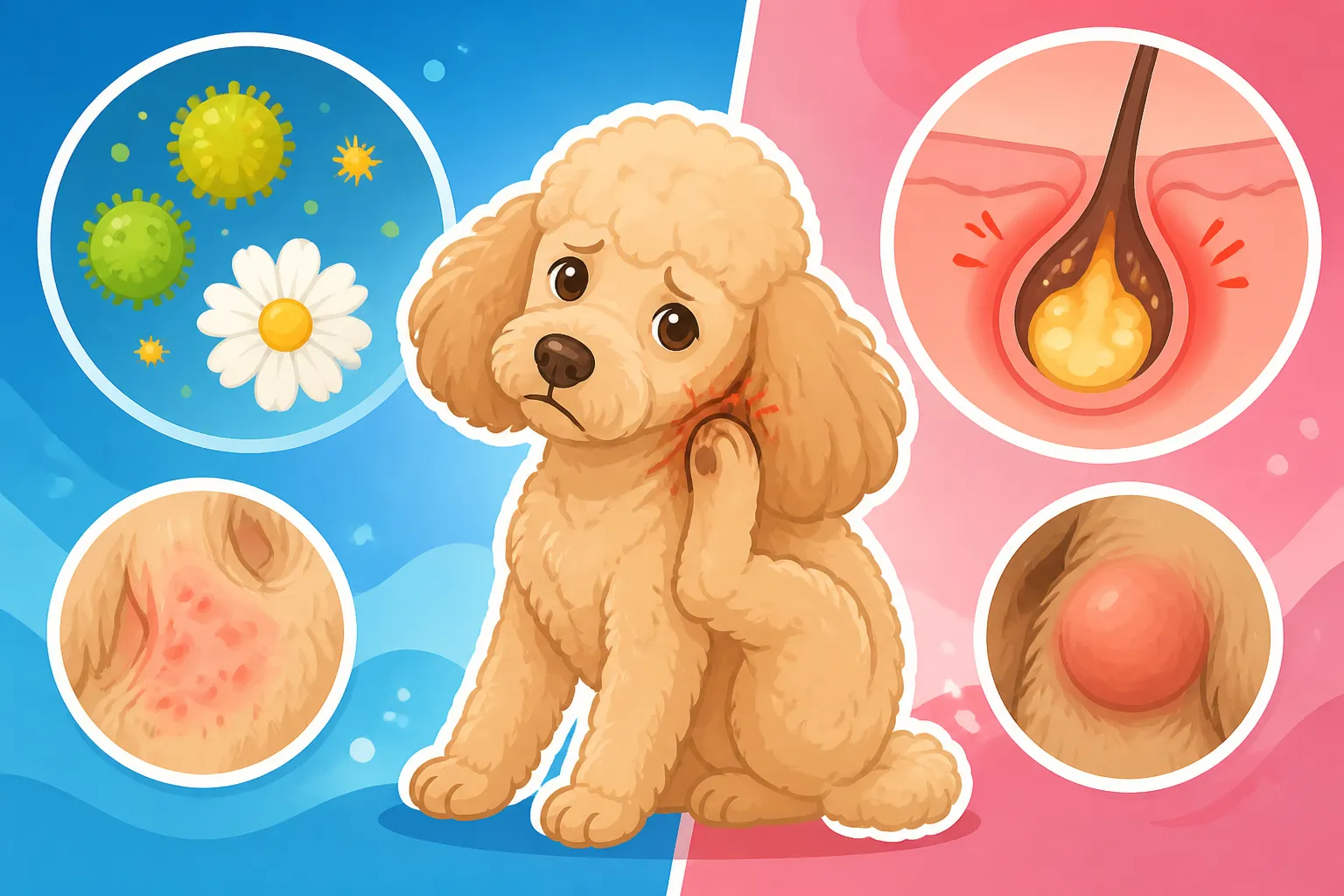
- Environmental Allergies (Atopy): These are by far the most common, triggered by airborne allergens like pollen, dust mites, mold spores, and grasses. Symptoms are often seasonal but can become year-round depending on the specific allergens and your Poodle's environment. The itching is typically generalized, and Poodles will often chew their paws, rub their faces, and suffer from recurrent ear infections.
- Food Allergies: Less common than environmental allergies, but still a significant concern. Symptoms can include itching (often around the face, ears, and paws), gastrointestinal upset (vomiting, diarrhea), and sometimes recurrent ear or skin infections. Diagnosing food allergies usually involves a strict elimination diet, where your Poodle eats a novel protein and carbohydrate source for several weeks, then specific ingredients are reintroduced one by one. This process requires incredible patience and commitment.
- Contact Allergies: These are relatively rare and occur when a Poodle's skin comes into direct contact with an irritating substance, such as certain chemicals in carpets, shampoos, or plants. The itching and rash would be localized to the area of contact. For instance, if your Poodle walks through a patch of irritating weeds, their paws and belly might break out.
When dealing with chronic allergies, the cumulative vet visits, medication, and specialized food can add up quickly. This is where pet insurance, like a comprehensive plan from Healthy Paws, can really make a difference, helping to cover the ongoing costs of diagnostics, prescriptions, and specialist consultations, ensuring you can pursue the best possible care without constant financial worry.
Unpacking Sebaceous Adenitis in Poodles
Sebaceous Adenitis (SA) is a different beast entirely. It's an immune-mediated inflammatory disease that targets and eventually destroys the sebaceous glands in the skin. These glands are responsible for producing sebum, an oily substance that lubricates the skin and hair, keeping it healthy and protected. When these glands are damaged, the skin and coat become incredibly dry and unhealthy.
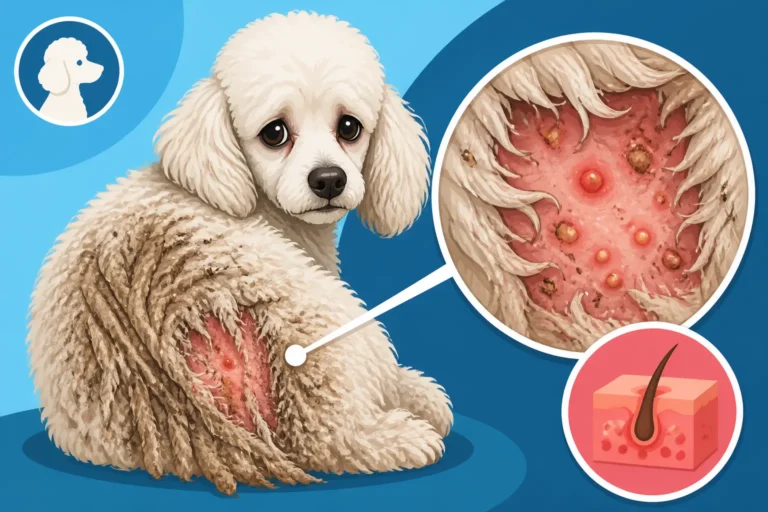
SA often starts subtly, making it easy to mistake for dry skin or allergies. Initial symptoms might include a dull, brittle coat, especially on the back, ears, and tail. As it progresses, you'll typically notice significant scaling and flaking, often described as "dandruff" that adheres to the hair shaft. Hair loss is a prominent feature, often appearing in symmetrical patches, particularly along the topline, head, and ears. The coat might feel greasy in some areas and extremely dry in others. Some Poodles develop a strong, unpleasant odor due to secondary bacterial or yeast infections thriving on the compromised skin barrier. For a deeper dive into its presentation, you might want to read about How Adenitis Shows Up on a Poodle's Back.
While some Poodles with SA may scratch, the itching is often less intense and generalized than with allergies, and more localized to the areas of dry, flaky skin. It's a more systemic skin breakdown rather than a hypersensitivity reaction. SA is particularly prevalent in Standard Poodles, highlighting a breed-specific genetic vulnerability to this debilitating condition. This genetic predisposition is something reputable breeders test for, and it's a key reason why understanding What a Poodle Breeder Must Test For is so important when bringing home a puppy.
Key Differences and Overlapping Signs
While both conditions involve skin issues and can cause discomfort, their underlying mechanisms and typical presentations differ. Allergies are an overreaction to external triggers, leading to inflammation and generalized itching. SA is an autoimmune attack on the sebaceous glands, leading to dryness, scaling, and hair loss.
Here's a quick comparison to help you distinguish between the two:
| Feature | Poodle Allergies (Atopy/Food) | Sebaceous Adenitis (SA) |
|---|---|---|
| Primary Issue | Hypersensitivity reaction to allergens | Autoimmune destruction of sebaceous glands |
| Main Symptom | Intense, generalized itching, licking, chewing | Dry, flaky skin; dull, brittle coat; symmetrical hair loss |
| Skin Appearance | Red, inflamed, bumpy, sometimes secondary infections | Silvery scales, adherent dandruff, patchy hair loss, sometimes greasy feel |
| Hair Loss | patchy due to self-trauma (scratching, licking) | Symmetrical, often starting on topline, head, ears, and tail. |
| Odor | Often present with secondary infections (yeast, bacteria) | Often strong, musty odor due to compromised skin barrier |
| Ear Issues | Very common (recurrent ear infections) | Possible, but not a primary or defining symptom; usually secondary to skin issues. |
| Paw Licking | Very common, often a key indicator of allergies | Less common as a primary symptom; if present, usually due to overall discomfort |
| Progression | Can be seasonal or year-round, waxing and waning | Progressive, often starting subtly and worsening over time |
| Diagnosis | Elimination diet, allergy testing, response to antihistamines | Definitive diagnosis requires a skin biopsy |
It's important to note that these conditions can sometimes overlap. A Poodle with SA, whose skin barrier is already compromised, might become more susceptible to secondary bacterial or yeast infections, which can then trigger allergic-like itching. Conversely, chronic allergic inflammation could potentially exacerbate any underlying autoimmune tendencies. This complexity is precisely why a proper veterinary diagnosis is non-negotiable. It's a journey, and sometimes you're dealing with multiple factors simultaneously, which is a major part of the challenge when managing a Poodle's health.
The Diagnostic Journey and Management Strategies
When your Poodle is persistently itchy, stressed, and uncomfortable, getting to the bottom of it becomes your top priority. The diagnostic journey can be lengthy and, frankly, expensive, but it's the only way to get your beloved companion the right treatment and relief.
Consulting Your Veterinarian for a Poodle's Skin Issues
The moment you notice persistent itching, skin redness, or changes in your Poodle's coat, a visit to your veterinarian is crucial. Don't wait; early intervention can make a significant difference in both diagnosis and management. Your vet will start with a thorough physical examination, looking closely at the skin, coat, ears, and paws. They'll ask you a lot of questions about your Poodle's history – when the itching started, what makes it worse or better, their diet, living environment, and any previous treatments.
To rule out common culprits, your vet might perform some initial diagnostic tests:
- Skin Scrapes: To check for external parasites like mites (e.g., Demodex or Sarcoptes). These are quick, relatively inexpensive tests that can rule out some very itchy conditions.
- Cytology: This involves taking a swab or impression from the skin and examining it under a microscope to identify yeast or bacterial infections, which often occur secondary to allergies or SA.
- Blood Tests: These can help assess overall health, rule out other systemic diseases, and sometimes indicate inflammation or immune system activity. For more specialized allergy testing, blood or intradermal tests can identify specific environmental allergens.
For a definitive diagnosis of Sebaceous Adenitis, a skin biopsy is usually required. This involves surgically removing a small piece of skin, typically under sedation or general anesthesia, and sending it to a veterinary pathologist for microscopic examination. The pathologist can then confirm the destruction of the sebaceous glands, distinguishing SA from other conditions that might present similarly. This crucial step is often the only way to truly differentiate SA from severe allergies or other dermatological problems. Given the cost of specialized testing and potential long-term care, many Poodle owners find that pet insurance, such as plans offered by Healthy Paws, provides invaluable peace of mind, allowing them to pursue every diagnostic avenue without financial hesitation.
Managing Poodle Allergies
Managing allergies in Poodles is often a lifelong commitment aimed at controlling symptoms and improving quality of life. There's no single cure, but a multi-modal approach usually yields the best results.
- Medications:
- Antihistamines: For mild cases, over-the-counter antihistamines (like diphenhydramine or cetirizine) can sometimes provide relief, but they are often insufficient for severe allergies.
- Corticosteroids: These are powerful anti-inflammatory drugs (e.g., prednisone) that can quickly reduce itching and inflammation. However, long-term use has significant side effects, so they are typically used for acute flare-ups or at the lowest effective dose.
- Immunosuppressants: Medications like cyclosporine can modulate the immune response, reducing allergic reactions.
- Targeted Therapies: Newer medications like Apoquel (oral tablet) and Cytopoint (injectable) specifically target the itch pathway, offering effective relief with fewer side effects than steroids, and have revolutionized allergy management for many Poodles.
- Environmental Control: Reducing exposure to identified allergens is key. This might involve frequent vacuuming, using air purifiers, washing bedding regularly, or avoiding walks during peak pollen times. Regular bathing with hypoallergenic shampoos can also help wash allergens off the coat.
- Dietary Management: For diagnosed food allergies, a strict hydrolyzed protein or novel protein diet is essential. This usually means carefully selected prescription diets or home-cooked meals under veterinary guidance. Even for environmental allergies, a high-quality diet rich in Omega-3 fatty acids can support skin barrier health.
- Allergen-Specific Immunotherapy (ASIT): After identifying specific environmental allergens through testing, your vet might recommend ASIT, often called "allergy shots" or oral drops. This involves administering small, increasing doses of the allergens over time to desensitize the immune system. It's a long-term treatment but can offer significant and lasting relief for many Poodles.
Living with Sebaceous Adenitis
Living with Sebaceous Adenitis requires an even more dedicated and consistent home care routine, as it is a progressive, incurable condition. The goal is to manage the symptoms, restore skin health, and prevent secondary infections.
- Rehydrating Oil Soaks: This is often the cornerstone of SA treatment. Applying a mixture of therapeutic oils (like mineral oil or specific veterinary formulations) to the coat for several hours before bathing helps to rehydrate the skin and loosen scales. You can find detailed guidance on Oil Soaks for a Poodle With Adenitis, which are essential for replenishing lost oils.
- Specialized Shampoos and Conditioners: Following an oil soak, therapeutic shampoos (e.g., keratolytic shampoos to remove scales, antibacterial/antifungal shampoos for secondary infections) and deeply moisturizing conditioners are used. This process is time-consuming but critical for skin and coat health.
- Topical Treatments: Sprays, mousses, or spot-on treatments containing corticosteroids or moisturizers can be used on localized dry or inflamed areas.
- Oral Supplements: Omega-3 fatty acids, like those found in fish oil, are often recommended to support skin barrier function and reduce inflammation.
- Oral Medications: In more severe or refractory cases, veterinarians might prescribe medications like cyclosporine (the same medication sometimes used for allergies) to modulate the immune response and reduce the inflammatory destruction of the sebaceous glands. Other immune-modulating drugs may also be considered.
- Regular Grooming: While professional grooming is usually required for Poodles, those with SA need extra gentle handling. Brushing should be done carefully to avoid further irritating the fragile skin. Keeping the coat in a shorter, easily managed clip can make the bathing and treatment process much simpler and less painful for your Poodle.
The management of SA is truly a partnership between you and your vet. It demands patience, consistency, and a deep commitment to your Poodle's well-being. It's easy to feel overwhelmed, but remember that many Poodles with SA can live full, comfortable lives with dedicated care.
When to Suspect Something More Serious
While allergies and Sebaceous Adenitis are distinct, the line between them can feel blurry, and sometimes, what presents as skin issues can be a red flag for something more significant. Knowing when to escalate your concerns is critical for your Poodle's health.
Red Flags Beyond Simple Allergies
Most Poodle owners become quite attuned to their dog's normal behaviors, and persistent itching or skin changes are definitely unsettling. However, certain signs warrant immediate and serious attention beyond the usual allergy management. If you notice any of the following, don't hesitate to contact your vet, or even an emergency veterinary clinic:
- Sudden, Severe Flare-ups: While allergies can wax and wane, a sudden and dramatic worsening of skin inflammation, intense itching, or the rapid development of painful sores could indicate a severe secondary infection, an acute allergic reaction, or a sudden flare of an underlying autoimmune condition.
- Systemic Illness: Skin issues that are accompanied by other signs of illness, such as lethargy, loss of appetite, vomiting, diarrhea, unexplained weight loss, or a fever, suggest a more widespread problem. This could be an advanced infection, a systemic autoimmune disease affecting multiple organs, or another severe medical condition. Poodles are known for their stoicism, and it can be hard to tell when they're truly in pain, but learning to read Reading Pain in a Sensitive Poodle is incredibly helpful.
- Rapid Hair Loss or Unusual Patterns: While both allergies and SA can cause hair loss, rapid, unexplained, or very unusual patterns of hair loss that don't fit the typical descriptions of either condition should be investigated thoroughly. This could sometimes point to hormonal imbalances or other, less common, dermatological diseases.
- Deep Skin Lesions or Ulcerations: Any deep wounds, ulcers, or areas where the skin appears to be breaking down, particularly if they are painful or oozing, require prompt veterinary care. These can be indicative of severe infections, aggressive autoimmune responses, or even certain types of skin cancers.
- Lack of Response to Treatment: If your Poodle has been on appropriate allergy or SA management protocols for a reasonable period, and there's no improvement, or even a worsening of symptoms, it's a clear signal that the initial diagnosis might be incomplete or incorrect, or that there's another underlying issue at play. This is when your vet might recommend a specialist, such as a veterinary dermatologist.
It's truly easy to feel overwhelmed when faced with persistent skin issues in your Poodle, especially when conditions like Sebaceous Adenitis demand such comprehensive care. The journey to diagnosis and ongoing management requires patience, diligence, and often a significant investment of time and resources.
The Emotional Toll on Poodle Owners
Let's be real: dealing with a chronically itchy or unhealthy-skinned Poodle is mentally and emotionally exhausting. You love your dog, you want them to be comfortable, and seeing them scratch themselves raw or look visibly unwell can weigh heavily on your heart. The endless vet visits, the trial and error with medications, the specialized grooming routines, and the financial strain – it all adds up. It's completely normal to feel frustrated, helpless, or even guilty, wondering if you're doing enough or if you've missed something.
Many Poodle owners share this struggle. It's a common thread in our community, particularly given the breed's predispositions. You are not alone in feeling this way. What's important is to remember that you are doing your best, and your dedication speaks volumes about your love for your Poodle. Keep communicating openly and honestly with your veterinarian, asking questions, and seeking clarification. Don't be afraid to ask for a referral to a veterinary dermatologist if your primary vet feels the case is complex, or if you feel you need a specialist's perspective. There are excellent professionals out there who dedicate their careers to solving these very puzzles. Persistence pays off, and with the right diagnosis and consistent management, your Poodle can find significant relief and comfort.
Disclaimer
This article is intended for informational purposes only and is not a substitute for professional veterinary advice, diagnosis, or treatment. Always seek the advice of your veterinarian or other qualified animal health provider with any questions you may have regarding a medical condition.