When to Spay a Female Standard Poodle
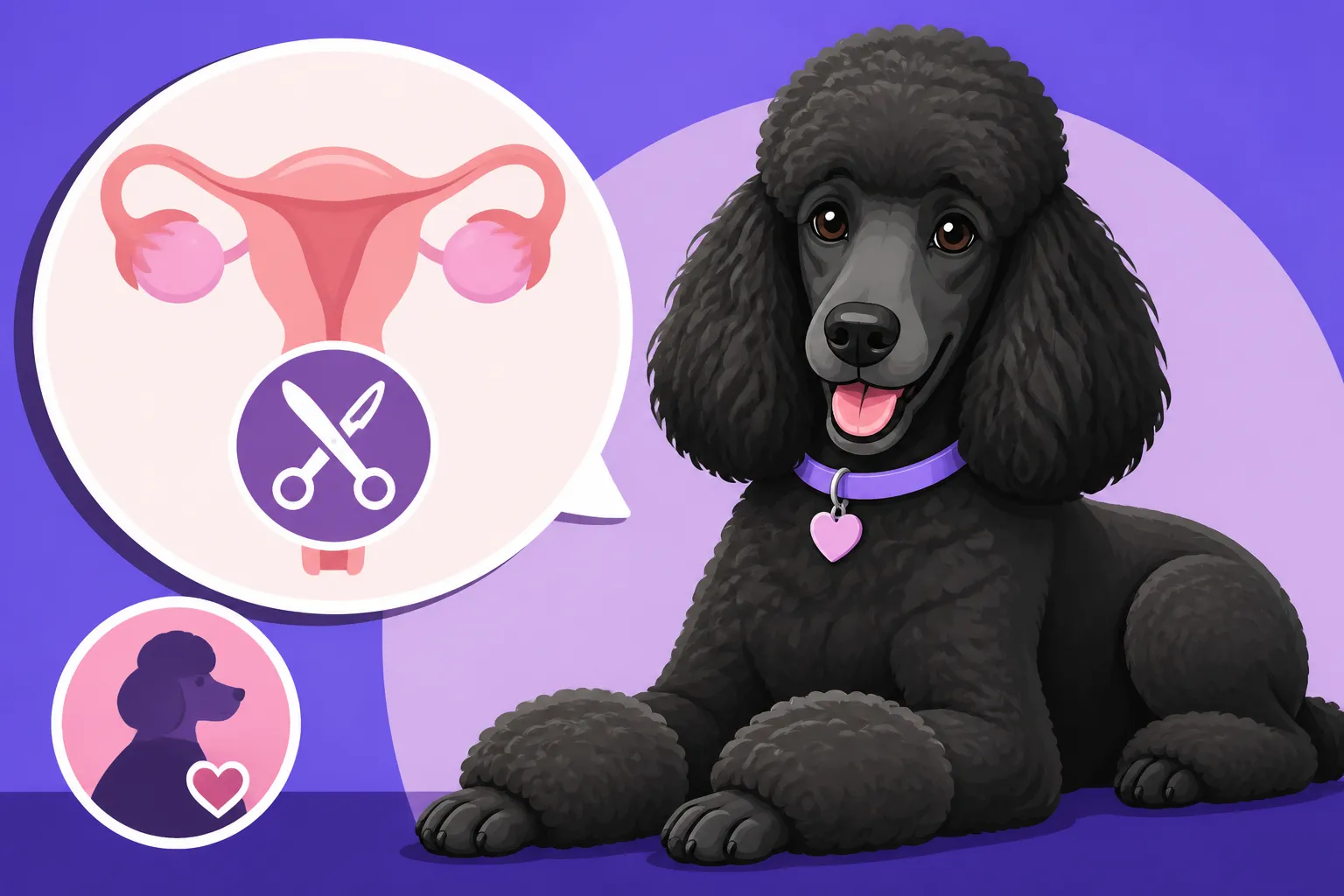
Navigating the question of when to spay your beloved female Standard Poodle can feel like walking through a minefield of conflicting advice. You hear whispers of "do it early!" from some, while others vehemently argue for waiting. It’s enough to make any conscientious Poodle parent's head spin, especially when all you want is to make the best, most informed decision for your girl's long-term health and happiness. This guide is here to cut through the noise, offering a deep dive into the factors that should influence your choice, from traditional recommendations to the latest research, so you can confidently discuss the best path forward with your veterinarian.
Understanding the Traditional View vs. New Research
For decades, the prevailing wisdom in the veterinary community was to spay female dogs around six months of age, before their first heat cycle. This recommendation largely stemmed from the belief that early spaying drastically reduced the risk of mammary cancer and eliminated the risk of pyometra, a life-threatening uterine infection. And let’s be honest, avoiding the mess and inconvenience of a heat cycle was a definite bonus for many families.
However, as our understanding of canine physiology has evolved, new research has challenged this blanket recommendation, especially for larger breeds like the Standard Poodle. We're learning that while early spaying does offer significant benefits, it also carries potential risks that might not have been fully appreciated in the past. It’s no longer a simple "one size fits all" answer, and that can be incredibly frustrating when you're just looking for a clear direction. Many vets are now advocating for a more nuanced approach, considering the individual dog's breed, size, and even activity level. This shift means that what might be right for a tiny Chihuahua isn't necessarily the best choice for your magnificent Standard Poodle.
When you're trying to figure out the right time, it’s worth thinking about the natural growth trajectory of a Standard Poodle. These dogs continue to develop physically well past six months of age, with their bones, joints, and even hormonal systems still maturing. Interrupting this natural process too early can, in some cases, have unforeseen consequences down the line. It's a complex puzzle, and understanding the full picture is key to advocating for your Poodle.
The Impact of Spaying on Standard Poodle Health
The decision of when to spay your female Standard Poodle is a delicate balance, weighing the known benefits against potential health risks. It’s not just about preventing puppies; it’s about influencing her entire physiological landscape.
Benefits of Spaying
Let's start with the undeniably good news. Spaying completely eliminates the risk of pyometra, a severe and often fatal uterine infection that becomes more common as intact females age. Pyometra is an emergency that requires immediate veterinary intervention, often surgery, and it's a huge relief to know your dog will never face it. Beyond that, spaying significantly reduces the risk of mammary tumors, especially if performed before her first or second heat cycle. Mammary tumors in dogs can be aggressive, and while not all are cancerous, removing them can be invasive and costly.
Another clear benefit is the prevention of unwanted pregnancies. Responsible pet ownership means controlling the pet population, and spaying plays a crucial role. You also won't have to deal with the messy, inconvenient, and sometimes stressful heat cycles, which typically occur twice a year. An intact female in heat can attract male dogs from surprisingly far distances, adding a layer of management and stress for owners. If you're considering the broader financial picture, companies like Healthy Paws can offer great peace of mind, but preventing major health crises like pyometra through spaying is always the first line of defense.
Potential Health Risks of Early Spaying
This is where the newer research really comes into play and can cause some anxiety for Poodle owners. Waiting until after a Standard Poodle has matured or gone through one or two heat cycles is now being considered by many vets. One of the main concerns with early spaying (before full skeletal maturity) in larger breeds is an increased risk of orthopedic issues. Studies have linked early desexing to a higher incidence of cranial cruciate ligament tears (a common knee injury), and some evidence suggests it can exacerbate conditions like Poodle Hip Dysplasia by Size. This is particularly pertinent for Standard Poodles, who are substantial dogs with significant joint loads. Their growth plates typically close later than smaller breeds, sometimes not until 18-24 months of age. Spaying before these plates are fully closed can affect bone growth, potentially leading to dogs with slightly longer limbs and altered joint angles, which some hypothesize contributes to orthopedic problems.
Another consideration is the impact on specific cancer risks. While early spaying reduces mammary cancer risk, some studies suggest it might slightly increase the risk of certain other cancers, such as osteosarcoma (bone cancer) or hemangiosarcoma (a cancer of blood vessel lining) in certain breeds. These are typically aggressive cancers that no owner wants to contemplate. Urinary incontinence can also be a long-term complication in some spayed females, where a lack of hormones can lead to weakened bladder control, especially as they age. While often manageable with medication, it's certainly not something you want your girl to experience.
Finally, there's the hormonal aspect. Hormones play a vital role in the development of the immune system and overall endocrine balance. There's ongoing research into whether early spaying can affect a dog's immune response or increase the likelihood of endocrine disorders like Thyroid Disease in Poodles. It’s important to note that these risks are not universal or guaranteed, but they are factors that now warrant careful consideration, moving us away from the automatic "spay at six months" approach. This is why a detailed conversation with your vet, taking into account your specific Poodle's genetics and lineage (which you might know from asking your breeder about What a Poodle Breeder Must Test For), is so important.
Considering a Standard Poodle's Lifestyle and Maturity
Beyond the clinical health impacts, your Standard Poodle's individual characteristics and your family's lifestyle should play a significant role in the spaying decision. It's not just a medical procedure; it's a life event that affects her entire being.
Physical and Behavioral Maturity
Standard Poodles are not just miniature versions of larger breeds; they have their own unique developmental timeline. Physically, they can take a good 18 to 24 months to reach full skeletal maturity. This means their bones, joints, and ligaments are still developing and strengthening well into their second year. Spaying too early might interfere with the natural closure of growth plates, potentially leading to those aforementioned orthopedic concerns. If your Standard Poodle is destined for agility, performance sports, or simply enjoys robust activity, ensuring optimal joint development is paramount.
Behaviorally, while Poodles are known for their intelligence and often mature quickly in terms of training, their emotional and social maturity can also benefit from letting natural hormonal development run its course. Some anecdotal evidence suggests that dogs spayed later might have slightly more robust temperaments, though this area is less scientifically clear and varies greatly by individual dog. For a breed as sensitive and intelligent as the Poodle, you want to support every aspect of their natural development.
Lifestyle Factors and Practicalities
Your home environment and daily routine are also critical components of this decision. If you have an intact male dog in the house, or if you frequently visit places where intact males are present, managing an unspayed female Poodle during her heat cycles requires meticulous planning. This means strict leash control, avoiding dog parks, and potentially even boarding or separating dogs within the home for weeks at a time. A heat cycle usually lasts about three weeks, but the "attraction" phase can start even before visible signs and linger after. This can be a huge commitment, and for some families, the logistical challenges are simply too much, making earlier spaying a more practical choice.
On the flip side, if your Poodle is primarily an indoor companion, rarely interacts with intact males, and you are prepared to manage the minimal mess and careful supervision required during a heat, then waiting for full maturity becomes a much more feasible option. Some owners even appreciate the experience of witnessing a natural heat cycle as part of understanding their dog's full biological journey. The key is honesty about your capacity to manage the practicalities. If you're a family that travels a lot, or if your Poodle spends time at daycare, an unspayed female can present challenges to those arrangements, as many facilities will not accept intact females in heat.
It’s also crucial to remember that spaying, regardless of timing, impacts a dog’s metabolism. Spayed dogs often have a slower metabolism and an increased appetite, making them more prone to weight gain. This means you’ll need to be extra vigilant about Poodle Obesity and Its Consequences post-spay, regardless of when you choose to do it.
Making an Informed Decision with Your Vet
The overwhelming takeaway from all this discussion is that there isn't a universally "perfect" time to spay a female Standard Poodle. What's best for one dog may not be best for another, and navigating this complex decision truly requires a partnership with your trusted veterinarian.
Discussing the Pros and Cons for Your Specific Poodle
When you sit down with your vet, come prepared with questions and be open about your lifestyle. Your vet knows your Poodle’s health history, lineage (if you’ve provided that information, especially regarding things like Poodle Lifespan Across the Three Sizes), and can assess her current physical development. This is not the time for a quick chat at the end of a vaccine appointment. Ask about their updated recommendations for Standard Poodles specifically. Inquire about how delaying spaying might affect her risk for various conditions versus the risks associated with early spaying.
It's helpful to consider these questions:
- What is the specific risk of mammary cancer if we wait until after one or two heat cycles?
- What are the orthopedic risks for my Poodle if we spay her early, given her current growth rate?
- Are there any breed-specific predispositions in Standard Poodles that tilt the balance one way or another for spaying timing? (For example, are there concerns about Bloat and the Deep Standard Poodle Chest being impacted by spay timing? Current research generally doesn't link them directly, but it's a good question to ask.)
- What are the signs of pyometra I should watch for if we delay spaying?
- How would my pet insurance, such as a plan from Healthy Paws, view a pre-existing condition if we waited and something developed?
A good vet will walk you through the specifics for your Poodle, helping you weigh the pros and cons in the context of her genetic background, current health, and expected activities. They might even suggest a "window" of time rather than a precise date, perhaps recommending spaying between her first and second heat cycle, or after 18 months of age, once growth plates are more likely to be closed.
Alternative Approaches and Monitoring
If, after consulting with your vet, you decide to delay spaying until your Standard Poodle is more physically mature, you'll need to be diligent about managing her heat cycles. This means constant supervision, secure containment, and understanding the signs of estrus. A female Poodle in heat can be very persuasive, and even the most well-behaved dog can become a canine Houdini when hormones are raging. It's not a decision to take lightly, and it demands a commitment to responsible management.
Regardless of your timing decision, remember that routine veterinary care remains paramount throughout your Poodle's life. Regular check-ups, appropriate vaccinations (following a Poodle Vaccination and Preventive Schedule), and prompt attention to any health concerns will contribute significantly to her overall well-being. And as your Poodle ages, these decisions will continue to influence her health and Caring for an Aging Poodle. Whether you choose early or later spaying, it’s a commitment to lifelong care and a testament to the deep bond you share with your wonderful Poodle.
Spaying Timeline Comparison Table for Standard Poodles
To help visualize the considerations, here's a general comparison of common spaying timelines for female Standard Poodles. Remember, this is a simplified overview, and your vet's advice for your specific dog is paramount.
| Factor | Spay Before First Heat (approx. 6-12 months) | Spay After One or More Heats (approx. 18-24 months or later) |
|---|---|---|
| Mammary Cancer Risk | Significantly reduced (nearly zero if before first heat) | Reduced, but slightly higher than pre-first heat, decreases with each subsequent heat cycle |
| Pyometra Risk | Eliminated | Eliminated once spayed; present during intact period |
| Orthopedic Issues | Potentially increased risk (e.g., CCL tears, hip dysplasia) due to growth plate effects | Potentially lower risk as growth plates are more likely closed |
| Urinary Incontinence | Potentially slightly higher risk | Potentially slightly lower risk |
| Behavioral Maturity | May not reach full hormonal maturity | Allows for full hormonal and potentially behavioral maturity |
| Management of Heat | Not required | Required during intact periods (approx. 2-3 weeks, twice a year) |
| Cost of Surgery | Generally standard; potentially lower due to smaller size | Generally standard; may be slightly higher if dog is larger |
| Recovery | Usually straightforward, often faster for younger dogs | Usually straightforward, may vary with age and overall health |
Disclaimer
The information provided in this article is for general educational purposes only and is not a substitute for professional veterinary advice. Always consult with a qualified veterinarian regarding any health concerns or before making any decisions about your pet's medical care, including spaying timing. Individual circumstances and health conditions can vary significantly.