Flea Products Safe for a Toy Poodle
Bringing a Toy Poodle into your home is an absolute joy, but it also comes with a unique set of responsibilities, especially when it comes to their delicate health. One of the most common and persistent headaches for any dog owner is fleas, and for Toy Poodle parents, the concern is amplified. You’re dealing with a tiny, sensitive system, and finding flea products that are truly safe and effective without causing a nasty reaction can feel like walking a tightrope. This guide is here to cut through the confusion and help you navigate the world of flea prevention for your precious pint-sized Poodle.
The Unique Challenges of Flea Prevention for Toy Poodles
It’s not just paranoia; there are genuine reasons why flea prevention and treatment for a Toy Poodle demand extra caution and attention. What might be perfectly safe for a Standard Poodle or even a Miniature Poodle can be a completely different story for their smaller counterparts.
Why Size and Sensitivity Matter
Toy Poodles, by their very nature, are tiny. This small stature means they have a much lower body weight, which directly impacts how they metabolize and react to medications and chemicals. A dose of active ingredient that a larger dog shrugs off can be an overdose for a dog weighing only a few pounds. Their internal organs, like the liver and kidneys, are also smaller and less developed in puppies or more fragile in seniors, making them less efficient at processing and eliminating substances. This is why when you're thinking about a Toy Poodle Puppy Prices, you're not just buying a dog, you're signing up for a commitment to mindful care.
Beyond their physical size, Toy Poodles are often more sensitive overall. This can manifest in various ways, from a more reactive digestive system to delicate skin. Some Toy Poodles can have issues like Hypoglycemia in a Toy Poodle Puppy, which means their bodies are already working hard to maintain balance. Introducing a potent chemical, even a seemingly harmless one, can throw their system into a tailspin. We've heard countless stories from owners whose tiny Poodles experienced lethargy, vomiting, or skin irritation from flea products that larger dogs in the same household used without a hitch. It's a stark reminder that one size does not fit all, especially in the world of canine medications.
Common Misconceptions About Flea Products and Small Dogs
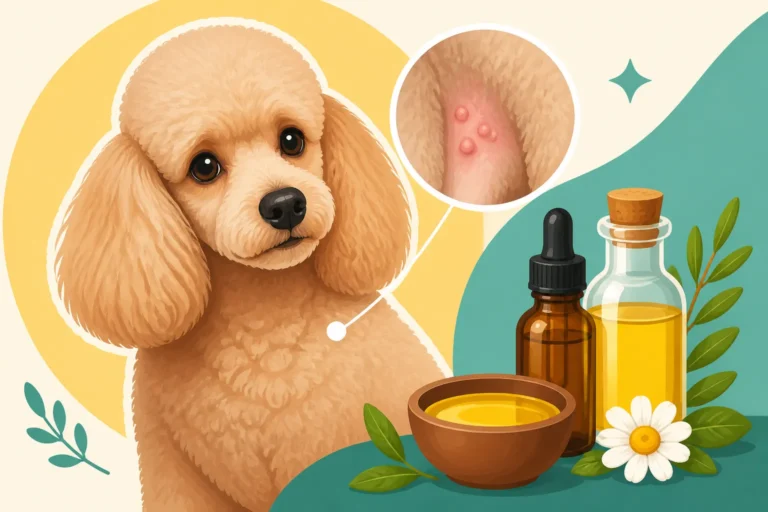
One of the biggest misconceptions we encounter is the idea that "natural" automatically means "safe." While many natural remedies sound appealing, they aren't always regulated, tested for efficacy or safety, or dosed appropriately for miniature breeds. Essential oils, for instance, can be highly toxic to dogs, especially small ones, if ingested or applied incorrectly. A casual spray of diluted tea tree oil that might repel fleas on a larger dog could cause neurological symptoms in a sensitive Toy Poodle.
Another common pitfall is assuming that simply applying less of a standard-sized product will work for a Toy Poodle. This is incredibly dangerous. Medications are formulated with specific concentrations, and trying to eyeball a smaller dose can lead to ineffective treatment (meaning the fleas persist) or, worse, an accidental overdose due to uneven distribution of active ingredients. This is also why many dog owners often find themselves asking, Whether a Toy Poodle Is Safe at the Dog Park, not just because of size differences with other dogs, but also because of the potential for exposure to various environmental factors and treatments on other pets. Always follow the manufacturer's weight guidelines exactly or consult your vet for precise dosing. Never guess.
Exploring Safe Flea Product Categories for Your Toy Poodle
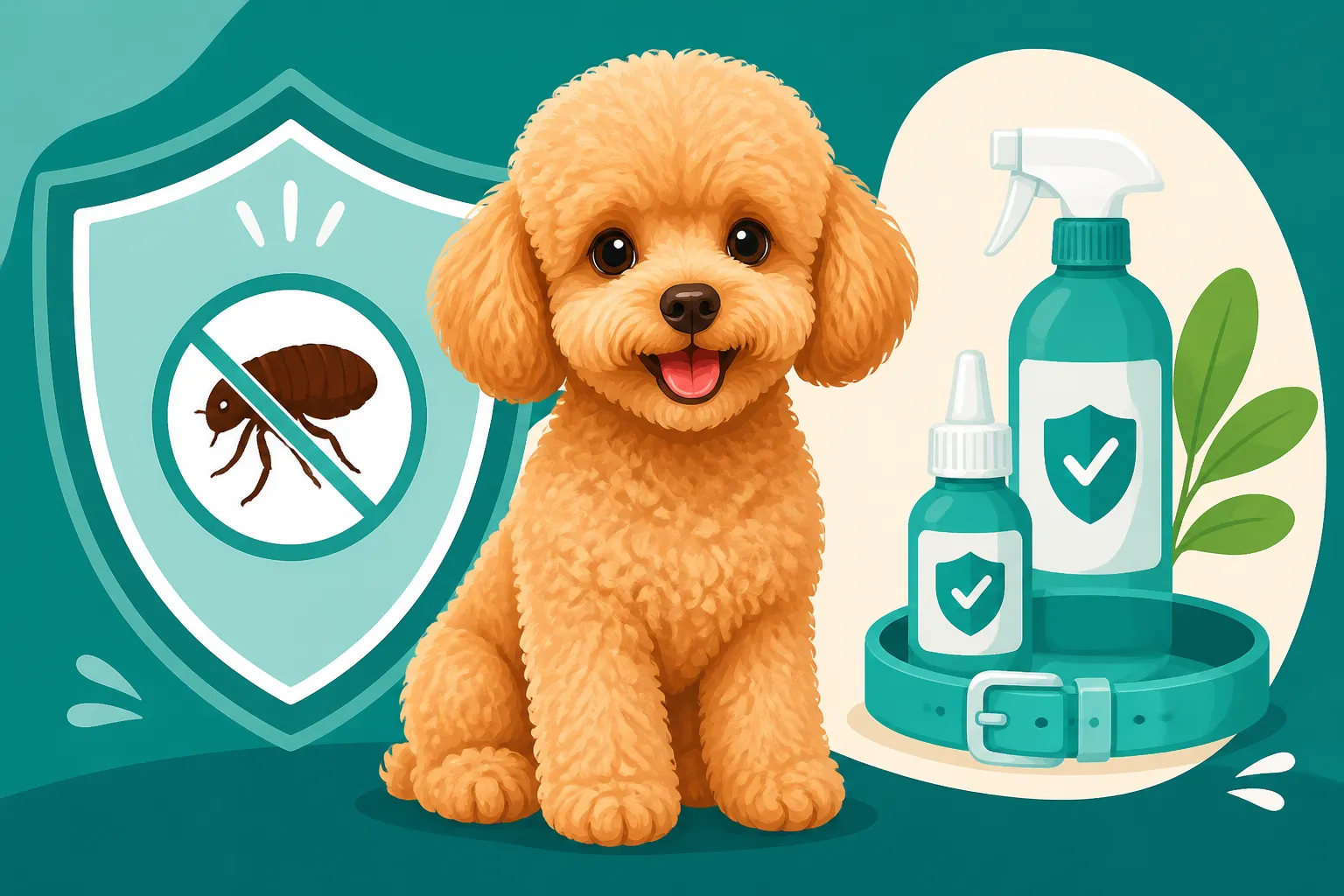
Thankfully, the veterinary world has come a long way, and there are now many excellent, vet-approved options specifically formulated and rigorously tested for small dogs. The key is knowing what’s out there and how to choose wisely for your individual Poodle.
Topical Spot-Ons and Their Specifics
Topical spot-on treatments are a popular choice for many dog owners. These typically involve applying a small vial of liquid directly to your dog's skin, usually between the shoulder blades. The active ingredients then spread across the skin, killing fleas and sometimes ticks on contact or as they bite. For Toy Poodles, the crucial factor here is ensuring you use a product specifically labeled for their weight range. Brands like Advantage II, Frontline Plus, and K9 Advantix II offer formulations for very small dogs, often starting at 5 lbs or less.
When using topical spot-ons, it’s vital to apply the product to an area where your Poodle cannot lick it off, which is why the shoulder blades are ideal. Given their flexible Poodle bodies, some clever pups can still manage a lick if not properly distracted for a few minutes. Always ensure your Toy Poodle is completely dry before application, and avoid bathing for a couple of days post-application to allow the product to fully absorb and spread. While generally safe when used correctly, some dogs may experience localized skin irritation, redness, or temporary hair loss at the application site. If you notice your Poodle persistently scratching or showing discomfort, it’s always best to contact your vet. Poodle Allergies and Skin Reactions can be triggered by many things, and flea products are no exception.
Oral Medications: A Modern Approach
Oral flea medications have become increasingly popular, and for good reason. They work from the inside out, meaning there's no sticky residue on the coat, no waiting period after a bath, and no concern about licking the product off. These medications typically come in chewable tablets that your dog takes with food, and the active ingredient circulates in their bloodstream. When a flea bites, it ingests the medication and dies. Popular oral options include Bravecto, NexGard, and Credelio. Again, these come in precise weight-based dosages, with options for the smallest Toy Poodles.
Oral medications can be particularly appealing if you have young children who frequently cuddle your Poodle, or if your Poodle enjoys swimming, as water exposure doesn't reduce their efficacy. While generally well-tolerated, some dogs might experience mild gastrointestinal upset, such as vomiting or diarrhea, after taking an oral flea preventative. This is often temporary and can sometimes be mitigated by giving the medication with a meal. However, if symptoms persist or are severe, a call to your vet is necessary. It’s also important to consider if your Toy Poodle has any underlying health conditions, such as kidney or liver issues, as these might influence the vet's recommendation for oral medications. This is part of the comprehensive Poodle Vaccination and Preventive Schedule that your vet should discuss with you.
Collars, Shampoos, and Natural Remedies: Proceed with Caution
When it comes to flea collars, especially for Toy Poodles, it's a mixed bag. Older, cheaper flea collars often relied on harsh chemicals that could cause skin irritation or even systemic toxicity, particularly in small, sensitive dogs. However, newer generation collars, like the Seresto collar, utilize different technology, slowly releasing active ingredients into the skin's lipid layer. These can be effective and safer, but it's still crucial to monitor for skin reactions around the neck. Always ensure the collar fits properly – snug enough not to slip over the head but loose enough for two fingers to fit comfortably underneath.
Flea shampoos can offer immediate relief by killing fleas on contact during a bath, but they don't provide residual protection. They are a good option for an active infestation, especially when combined with a long-term preventative. When using a flea shampoo on a Toy Poodle, choose one specifically formulated for puppies or sensitive skin, and always follow the directions precisely, including the recommended contact time. Ensure you rinse your Poodle thoroughly to avoid any residue that could irritate their skin. Remember, proper Bathing and Drying a Poodle is crucial for their coat health, and a flea bath can be quite stripping.
As for "natural" remedies, extreme caution is advised. While a few options, like regular vacuuming and diatomaceous earth (food-grade, carefully applied to carpets, not directly on the dog), can assist in environmental control, direct application of essential oils or unproven herbal concoctions to your Toy Poodle is risky. Always discuss any natural remedies with your veterinarian first. They can offer informed advice on their safety and effectiveness, and help you understand potential drug interactions if your Poodle is on other medications.
Making Informed Choices and Partnering with Your Vet
Choosing the right flea product for your Toy Poodle isn't a decision to take lightly. It requires careful research, attention to detail, and, most importantly, collaboration with your trusted veterinarian.
Reading Labels and Understanding Active Ingredients
This is where you become a detective for your dog's health! Every flea product has a label listing its active ingredients. Common ingredients you'll see in vet-approved products include:
- Fipronil: Found in Frontline Plus, it disrupts the insect's central nervous system.
- Imidacloprid: In Advantage II and K9 Advantix II, it acts on the insect's nervous system.
- Selamectin: In Revolution, it's absorbed into the bloodstream and kills fleas and other parasites.
- Afoxolaner: In NexGard, it's an isoxazoline that targets flea and tick nervous systems.
- Fluralaner: In Bravecto, another isoxazoline with longer-lasting efficacy.
- Lotilaner: In Credelio, also an isoxazoline for rapid flea and tick kill.
Each of these works differently and may have different safety profiles depending on your dog's individual sensitivities or existing health conditions. Pay close attention to the weight ranges on the packaging. Do not use a product designed for a 10-20 lb dog on a 4 lb Toy Poodle, even if you try to apply less. This is not only ineffective but incredibly dangerous. If you have concerns about ingredients, a quick web search (or better yet, a call to your vet) can provide a wealth of information. Understanding these details helps you make smart choices, much like understanding What a Toy Poodle Breeder Screens For gives you insight into your dog's genetic predispositions.
The Importance of a Vet's Recommendation
Let’s be honest, standing in the pet store aisle, staring at a wall of flea products, can be overwhelming. That’s where your veterinarian comes in. They are your best resource for tailored advice. They know your Toy Poodle’s medical history, any sensitivities they may have, their age (a puppy has different needs than a Caring for an Aging Poodle), and any other medications they might be taking.
Your vet can assess the local flea and tick prevalence in your area, which can influence the type of product they recommend. For example, some regions have higher rates of Lyme disease or other tick-borne illnesses, making a product that targets ticks as well as fleas a priority. They can also provide prescription-strength options that aren't available over the counter, which often have higher safety standards and efficacy. Don’t hesitate to schedule an appointment or at least a phone consultation to discuss flea prevention. It's a small investment in time that can save you a lot of worry and potentially costly emergency vet visits down the line. Unexpected vet bills can be a huge stressor, which is why many Poodle owners consider pet insurance. Providers like Healthy Paws can help cover costs if your Poodle has an adverse reaction or needs extensive treatment for a flea-related issue.
Considering Potential Side Effects and Interactions
Even the safest flea products can sometimes cause side effects, especially in a sensitive breed like the Toy Poodle. It's crucial to be vigilant and know what to look for.
- Topical products: Watch for localized skin irritation, redness, itching, or hair loss at the application site. Excessive drooling or foaming at the mouth can occur if your Poodle licks the product, which might be a sign of toxicity and warrants immediate vet attention.
- Oral products: Gastrointestinal upset (vomiting, diarrhea), lethargy, or loss of appetite are possible. In very rare cases, neurological signs like tremors or seizures have been reported with some oral medications, though these are typically tied to specific breeds with genetic sensitivities or pre-existing conditions.
Always observe your Toy Poodle closely for 24-48 hours after administering any new flea product. If you notice anything out of the ordinary, no matter how minor it seems, contact your vet immediately. If it's a severe reaction, don't delay – seek emergency veterinary care. This is where having pet insurance through a provider like Healthy Paws can really ease the financial burden of an unforeseen emergency. Knowing how to Reading Pain in a Sensitive Poodle is a skill every owner develops, and it becomes particularly important when introducing new medications.
Table: Comparison of Common Flea Product Categories for Toy Poodles
| Product Category | How It Works | Pros for Toy Poodles | Cons for Toy Poodles | Key Considerations |
|---|---|---|---|---|
| Topical Spot-Ons | Absorbed through skin, kills fleas on contact/bite | No ingestion needed, often waterproof once dry | Potential for skin irritation, can be licked off (toxic if ingested) | Strict weight dosing, apply where unreachable, observe for skin reactions. |
| Oral Medications | Ingested, circulates in bloodstream, fleas die after biting | No residue, unaffected by bathing/swimming, easy to administer to food | Potential for GI upset, relies on flea biting to work, can interact with other meds | Vet prescription often required, accurate weight dosing, monitor for digestive issues. |
| Flea Collars (Newer) | Releases active ingredients into skin's lipid layer | Long-lasting protection, continuous release | Can cause neck irritation, not always effective for severe infestations, choking hazard | Choose vet-recommended brands (e.g., Seresto), ensure proper fit, monitor skin. |
| Flea Shampoos | Kills fleas on contact during bath | Immediate relief for active infestation | No residual protection, can be drying, temporary effect | Use only when active fleas present, follow instructions closely, rinse thoroughly. |
Integrated Flea Management for a Healthy Toy Poodle
Treating your Toy Poodle for fleas isn't just about putting a product on them; it's about a holistic approach that tackles the problem from all angles. Fleas don't just live on your dog; they thrive in your home environment.
Treating the Environment, Not Just the Dog
Did you know that adult fleas on your dog represent only about 5% of the total flea population in your home? The other 95% are eggs, larvae, and pupae hiding in carpets, upholstery, bedding, and cracks in the floorboards. This is why you might apply a flea product to your Poodle, see some improvement, and then a few weeks later, they're scratching again – a new batch of fleas has hatched.
Effective environmental control is paramount. This means:
- Vacuuming diligently: Vacuum carpets, rugs, and upholstery every day for several weeks. Pay special attention to areas where your Poodle rests. Immediately empty the vacuum bag outside into a sealed trash can, as fleas can hatch and crawl back out.
- Washing bedding: Regularly wash all pet bedding, throw blankets, and your Poodle's favorite sleeping spots in hot water (at least 140°F) to kill fleas at all life stages.
- Steam cleaning: If you have a severe infestation, consider professional steam cleaning for carpets and upholstery.
- Yard treatment: If your Poodle spends time outdoors, treat your yard, especially shaded areas, under bushes, and around deck perimeters, with pet-safe insecticides or diatomaceous earth.
Ignoring the environment is like trying to bail out a leaky boat without plugging the hole. You'll be caught in an endless cycle of treatment and re-infestation. Taking care of their living space is just as important as their physical care, like ensuring their Toy Poodle Kneecaps and Windpipes are healthy.
Regular Grooming as a First Line of Defense
For a Poodle, grooming is more than just looking fabulous; it’s a critical health maintenance routine. The dense, curly Poodle coat, while beautiful, can be a flea haven if not properly cared for. Fleas can hide deep within the curls, making them difficult to spot. This is why Brushing a Poodle to the Skin is so important – it helps you detect issues early.
Regular, thorough brushing with a fine-toothed flea comb is an excellent way to physically remove fleas and flea dirt (flea feces, which look like tiny black specks and turn reddish-brown when wet). Make it a routine, especially after your Poodle has been outside or interacting with other dogs. Pay close attention to warm, protected areas like the base of the tail, armpits, and groin. Keep a bowl of soapy water nearby to dunk any fleas you find on the comb, which will drown them.
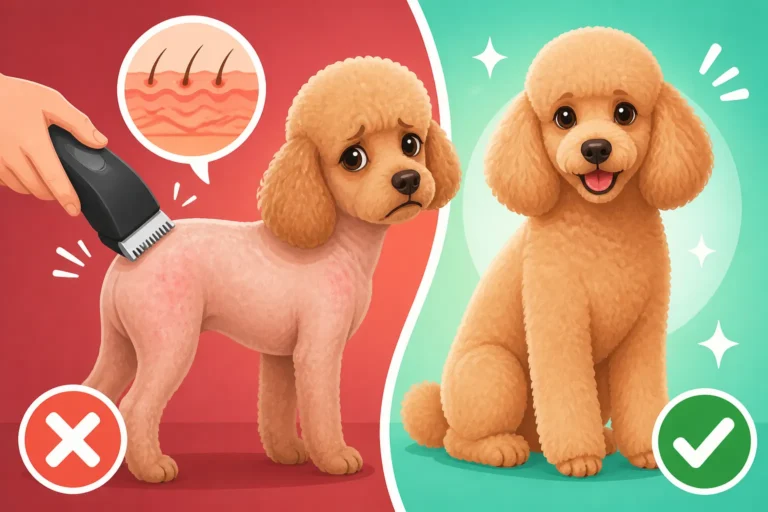
Beyond flea detection, consistent grooming helps maintain healthy skin and coat, making it a less hospitable environment for fleas. A healthy coat is also less prone to Skin Infections Under a Matted Poodle Coat, which can be exacerbated by flea bites and excessive scratching. Remember, for a Toy Poodle, regular grooming should be part of The First Year With a Poodle and throughout their entire life.
What to Do If Your Toy Poodle Gets Fleas
Despite your best efforts, fleas can sometimes find their way onto your Toy Poodle. Don't panic, but act quickly.
- Confirm the infestation: Look for live fleas, flea dirt, or excessive scratching, licking, or chewing, particularly around the hindquarters and tail base.
- Consult your vet: Even if you think you know what to do, it's always best to call your vet. They can recommend the most appropriate and safest treatment plan for your specific Toy Poodle, especially if they have any health conditions or are on other medications. They might recommend a combination of an immediate flea kill product (like a flea bath) followed by a long-term preventative.
- Treat all pets: If you have other dogs or cats, they must also be treated simultaneously, even if they aren't showing signs of fleas. Untreated pets will simply become reservoirs for re-infestation.
- Environmental blitz: As discussed, thoroughly clean and treat your home environment. This is non-negotiable for breaking the flea life cycle.
- Monitor for secondary issues: Excessive scratching can lead to skin infections or "hot spots." If you notice persistent redness, scabs, oozing, or hair loss, your Poodle might need antibiotics or anti-inflammatory medication from your vet. In rare, severe infestations in very small puppies, flea anemia can occur, where so much blood is lost to feeding fleas that the puppy becomes weak and lethargic. This is an emergency and may require immediate veterinary intervention, potentially involving Emergency Sugar for a Crashing Toy Poodle or even a blood transfusion. This is why vigilance and preventive care are so vital for a tiny pup, and why a provider like Healthy Paws can offer peace of mind when health crises arise.
By combining safe, vet-approved flea preventatives with diligent environmental control and regular grooming, you can keep your Toy Poodle happy, healthy, and blissfully flea-free.
Disclaimer
This article is for general informational purposes only and does not constitute professional advice. Laws, prices and regulations vary by location and change over time. Consult a qualified professional for guidance on your specific situation.