Dosing Pain Relief for a Four Pound Poodle
It's incredibly distressing to see your tiny four-pound Poodle in pain, isn't it? Their small stature makes every sniffle, every limp, and every whimper feel amplified, and the thought of giving them medication can be downright terrifying. You worry about giving too much or too little, and the sheer minuteness of the doses often leaves you wondering if you're doing it right. This comprehensive guide is designed to walk you through the complexities of safely and effectively administering pain relief to your petite Poodle, helping you understand the medications, dosing strategies, and crucial monitoring needed to ensure their comfort and well-being.
The Unique Challenges of Dosing a Tiny Poodle
When you have a Poodle that weighs as little as four pounds, everything about their care takes on a magnified level of precision, especially when it comes to medication. It's not just a matter of scaling down a standard dose; their physiology is simply different, and what works for a larger dog could be dangerous for your little one.
The Miniature Size Factor
A four-pound Poodle, typically falling into the Toy Poodle category, possesses a metabolism and organ system that operate on a completely different scale than, say, a 50-pound Standard Poodle. Their tiny bodies metabolize drugs much faster or, sometimes, much slower depending on the specific medication and their individual liver and kidney function. This means that the window between an effective dose and a toxic one can be incredibly narrow. Imagine trying to split a pill meant for a medium-sized dog into a minuscule fraction; the margin for error is huge. Their blood volume is also significantly smaller, meaning a medication can reach therapeutic or toxic levels much more rapidly. For instance, if a larger dog might get a slight upset stomach from a slightly high NSAID dose, a tiny Poodle could face acute kidney injury or severe gastrointestinal bleeding. Their delicate systems simply don't have the same buffer capacity.
The Risks of Overdosing and Underdosing
The challenges of precise dosing for a tiny Poodle lead directly to significant risks from both sides of the spectrum. Overdosing, even by a seemingly tiny amount, can quickly result in severe adverse reactions. We're talking about things like acute liver failure, kidney damage, severe gastrointestinal ulceration, or profound sedation that can be life-threatening. A veterinarian might prescribe a medication at 0.05 mg, which is incredibly difficult to measure accurately with standard tools. One extra drop from a generic dropper could mean the difference between comfort and a trip to the emergency vet. It’s enough to make any pet parent anxious, and rightly so.
Conversely, underdosing your Poodle can be just as problematic, though less immediately life-threatening. If your Poodle isn't receiving enough pain relief, they continue to suffer unnecessarily, which impacts their quality of life, their appetite, and their ability to rest and recover. Chronic pain also takes a toll on their mental well-being, leading to withdrawal, irritability, or reluctance to move. Think about a small Poodle struggling with severe dental disease; if the pain medication isn't cutting it, they'll avoid eating, compounding their health issues. It's a fine line to walk, and it underscores why expert veterinary guidance is absolutely paramount. You simply cannot eyeball it.
Vet Consultation is Non-Negotiable
Given the delicate balance required, attempting to dose your four-pound Poodle with any form of pain relief without explicit veterinary instruction is incredibly risky. This isn't just about getting a prescription; it's about getting a precise prescription with detailed instructions tailored to your specific dog's weight, health status, and the nature of their pain. Your veterinarian will consider your Poodle's overall health, including any pre-existing conditions like kidney or liver issues, which might influence their choice of medication or dosage. They will also perform necessary diagnostic tests to accurately identify the source of the pain, ensuring that the treatment targets the actual problem.
Resist the urge to use human medications like ibuprofen, acetaminophen (Tylenol), or aspirin. These are often highly toxic to dogs, even in tiny amounts. A single tablet of ibuprofen, harmless to a human, can cause severe kidney failure in a four-pound Poodle. Acetaminophen can lead to liver damage and red blood cell destruction. Always rely on your vet's expertise. They understand the pharmacology specific to canines and can provide the safest and most effective solutions for your beloved companion. Many pet insurance plans, like those offered by Healthy Paws, emphasize comprehensive veterinary care, making these vital consultations and subsequent treatments more accessible and less financially daunting.
Common Types of Pain Relief Prescribed for Poodles
When your tiny Poodle is hurting, your veterinarian has a toolkit of medications they can draw from, each with its own strengths and considerations. The choice depends heavily on the type of pain (acute vs. chronic, inflammatory vs. neuropathic) and your Poodle's overall health.
Non-Steroidal Anti-Inflammatory Drugs NSAIDs
NSAIDs are probably the most commonly prescribed class of pain medication for dogs, and for good reason. They work by reducing inflammation, which in turn reduces pain. Think of them as the veterinary equivalent of ibuprofen for humans, but specifically formulated and dosed for canine physiology. They are incredibly effective for conditions like arthritis, post-surgical pain, or injuries.
For a four-pound Poodle, the administration of NSAIDs requires extreme precision. Common veterinary NSAIDs include Carprofen (Rimadyl), Meloxicam (Metacam), and Galliprant (grapiprant). While these come in various strengths, even the smallest pills often need to be compounded into liquid forms or specially manufactured in tiny, scoreable tablets to ensure accuracy. Your vet might prescribe a liquid Meloxicam, for example, which comes with a dropper that allows for measurement down to 0.01 ml. This level of accuracy is critical to prevent accidental overdose, which can lead to serious gastrointestinal upset, kidney damage, or liver problems in such a small dog. Because of these potential side effects, your vet will likely recommend baseline blood work before starting treatment and regular follow-up blood tests to monitor liver and kidney function, especially if your Poodle is on long-term NSAID therapy, for instance, due to chronic joint pain from a condition like Luxating Patella in Toy and Miniature Poodles. Keeping an eye on these values ensures that the medication is helping, not harming.
Gabapentin and Amantadine for Neuropathic Pain
Sometimes, pain isn't just about inflammation; it's about nerve pain or chronic pain that benefits from a multi-modal approach. That's where medications like Gabapentin and Amantadine come into play. Gabapentin is an anticonvulsant that also has significant pain-modulating effects, particularly useful for neuropathic pain (nerve pain) or as an adjunct to other pain relievers for chronic conditions. Amantadine, originally an antiviral, is used to help manage chronic pain by targeting NMDA receptors in the brain, which can become overactive in persistent pain states. It's often used in conjunction with NSAIDs or other medications to enhance their effectiveness.
For a four-pound Poodle, both Gabapentin and Amantadine are typically prescribed by compounding pharmacies. They can create a customized liquid suspension or tiny capsules with precise, low dosages that would be impossible to achieve with standard pill splitting. For example, a 100mg Gabapentin capsule is far too much for a tiny Poodle, but a compounding pharmacy can provide a solution of 10mg/ml, allowing for a 0.2ml dose if 2mg is needed. The primary side effect of Gabapentin can be sedation, so your vet will start with a low dose and gradually increase it as needed, carefully watching how your Poodle responds. Amantadine is generally well-tolerated but can sometimes cause mild GI upset. These medications are particularly valuable when your Poodle is dealing with specific nerve-related discomfort, perhaps from a spinal issue or persistent pain after an injury.
Opioids for Severe or Acute Pain
For more severe, acute pain, such as after surgery or a significant injury, veterinarians may prescribe opioid medications. These are powerful pain relievers that work directly on the central nervous system. Common examples in veterinary medicine include Tramadol, Buprenorphine, and Fentanyl patches. These are generally used for short-term, intense pain management rather than long-term chronic conditions, though Tramadol has been used more broadly in the past, its efficacy for chronic pain in dogs is now often debated.
Administering opioids to a four-pound Poodle requires extreme caution and strict adherence to veterinary instructions. Buprenorphine, for instance, is often given as an oral liquid that is absorbed through the mucous membranes in the mouth, not swallowed, which can be challenging to administer to a squirmy tiny Poodle. The dosage is incredibly precise, often measured in fractions of a milliliter. Side effects can include sedation, constipation, and appetite suppression. Because of their potency and the need for close monitoring, opioids are typically only dispensed by veterinarians for specific, severe pain events. You'll need to keep a very close eye on your Poodle for any signs of excessive lethargy or difficulty breathing, which would warrant immediate veterinary attention. These medications provide critical relief when your Poodle truly needs it most, for example, recovering from Knee Surgery Prices for a Toy Poodle.
Practical Strategies for Accurate Dosing at Home
Getting the right amount of medication into your four-pound Poodle can feel like a high-stakes science experiment. It's easy to make mistakes, but with the right tools and techniques, you can ensure your tiny companion gets the precise dose they need.
Liquid Formulations and Compounding Pharmacies
For a Poodle weighing just four pounds, liquid medications are often a godsend. Trying to split a tablet into eighths or sixteenths to get a tiny dose is not only frustrating but inherently inaccurate. Even a seemingly small error can result in a significant percentage difference in the actual dose. This is where compounding pharmacies become invaluable. These specialized pharmacies can create custom-made liquid medications in specific concentrations and flavors palatable to your Poodle, such as chicken or beef.
For example, if your vet determines your four-pound Poodle needs 1.25 milligrams of a particular NSAID, and the smallest available tablet is 5 milligrams, a compounding pharmacy can prepare a liquid suspension where 0.25 ml equals 1.25 mg. This eliminates the guesswork and ensures that each tiny drop you administer contains the exact amount of medication prescribed. It's a lifesaver for conditions requiring ongoing precise management. Always confirm that your vet specifies a compounding pharmacy if the dose is exceptionally small or unavailable in a suitable commercial formulation. This tailored approach dramatically reduces the risk of both overdosing and underdosing your delicate Poodle.
Using Oral Syringes and Droppers
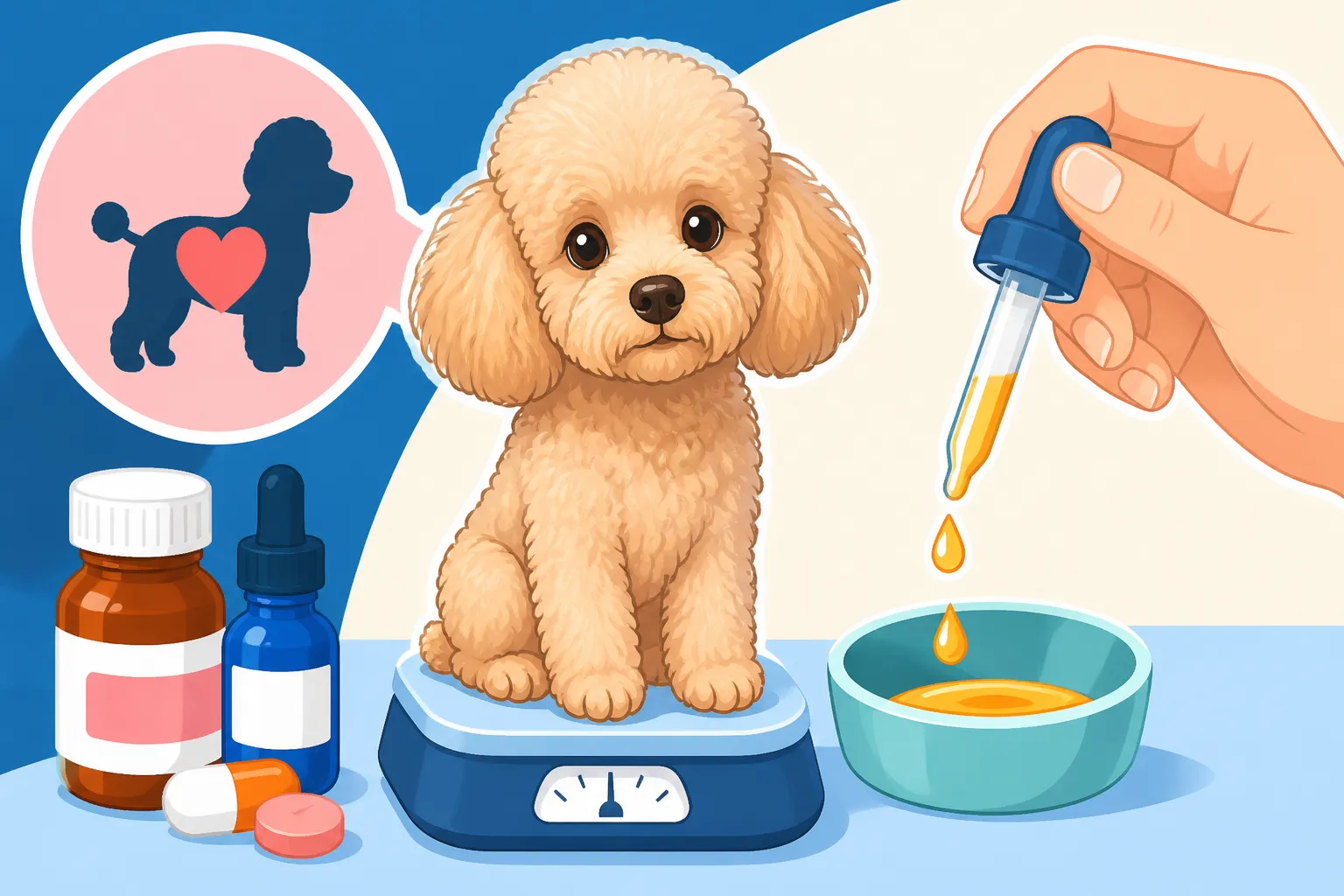
Once you have a liquid medication, the next challenge is accurate measurement and administration. Standard kitchen spoons are out; you'll need precise oral syringes or droppers provided by your vet or the compounding pharmacy. These syringes are marked in milliliters (ml) and often in smaller increments like 0.1 ml or even 0.01 ml, which is crucial for tiny doses.
When drawing up the medication, always ensure there are no air bubbles in the syringe, as these can throw off the measurement. Draw slightly more than needed, then push the plunger up until the correct dose is precisely at the mark. Administering to your Poodle can be tricky. Try to hold your Poodle gently but securely. Insert the tip of the syringe into the side of their mouth, behind a canine tooth, aiming towards the back of their tongue. Depress the plunger slowly, allowing them time to swallow. Don't rush or squirt it all at once, as this can cause them to choke or aspirate the medication. Many Poodles are intelligent and can be quite sensitive, so a calm, reassuring tone helps. If they're particularly resistant, try giving it in very small increments, letting them swallow each time. For some Poodles, mixing the medication with a tiny bit of their favorite wet food or a lickable treat, if approved by your vet, can also help. Remember, patience is key.
Maintaining a Medication Log
When you're dealing with a tiny Poodle on pain medication, especially if it's for an ongoing issue or involves multiple drugs, a medication log is your best friend. It’s an invaluable tool for both you and your veterinarian. This log should include:
- Date and Time of Administration: When did you give the medication?
- Medication Name and Dose: Exactly what was given and how much.
- How it Was Administered: (e.g., "in food," "oral syringe").
- Observations: This is critical. Note how your Poodle responded. Did their pain seem to lessen? Were they more active? Did they show any adverse reactions like vomiting, diarrhea, lethargy, or changes in appetite/thirst?
- Pain Level Score: You might even use a simple 1-5 scale (1 being no pain, 5 being severe pain) before and after administering.
This detailed record provides objective data for your vet to assess the effectiveness of the treatment and make informed decisions about adjusting the dosage or switching medications. It also helps you spot patterns of side effects. For example, you might notice your Poodle is consistently a bit more lethargic two hours after their morning dose, information your vet can use to fine-tune the timing or type of medication. Having clear, concise records can also be important for pet insurance claims with providers like Healthy Paws, as they often rely on detailed veterinary notes and owner observations to process ongoing treatment for chronic conditions. This diligent tracking helps you advocate for your Poodle's best health.
Monitoring Your Poodle for Effectiveness and Side Effects
Administering pain relief is only half the battle; the other crucial part is carefully observing your four-pound Poodle for how they are responding. Are they actually feeling better? Are there any worrying side effects? Being vigilant and knowing what to look for can make all the difference in their comfort and safety.
Recognizing Signs of Pain Improvement
It's such a relief to see your Poodle start feeling like themselves again. When pain medication is working, you should notice a range of positive changes. The most obvious will be a reduction in the visible signs of pain. If they were limping, the limp might lessen or disappear. If they were reluctant to move, they might start walking around more freely. A Poodle who was quiet and withdrawn might become more engaged, seeking out affection or even playing gently. You might observe a more relaxed posture, less hunched over, or a tail that wags more readily.
Look for a return to normal behaviors: are they eating their meals with gusto again? Are they sleeping soundly through the night instead of pacing or shifting uncomfortably? Are they grooming themselves, or showing interest in their toys? Vocalizations related to pain, such as whining or yelping, should decrease. Sometimes, a subtle sign like a softer gaze or a less tense facial expression can indicate they're feeling more comfortable. Remember, Poodles can be quite sensitive, and they might try to hide their pain, so learning to read subtle cues is key, as discussed in detail in posts like Reading Pain in a Sensitive Poodle and Why a Poodle Hides Illness. Documenting these improvements in your medication log helps reinforce that the treatment plan is on the right track.
Identifying Adverse Reactions to Pain Medication
While we hope for only positive effects, all medications carry the risk of side effects, and for a tiny Poodle, these can sometimes be severe. It's vital to know what to watch for and when to contact your veterinarian immediately.
Common adverse reactions to pain medications, especially NSAIDs, include:
- Gastrointestinal Upset: Vomiting, diarrhea, black or tarry stools (indicating digested blood), loss of appetite, or excessive drooling.
- Lethargy or Weakness: While some sedation might be expected with certain medications like Gabapentin, excessive or persistent lethargy, uncoordinated movements, or inability to stand should be reported.
- Changes in Thirst or Urination: Increased thirst and urination can be signs of kidney problems, particularly with NSAIDs.
- Skin Reactions: Hives, itching, or facial swelling, though less common, can indicate an allergic reaction.
- Behavioral Changes: Unexpected aggression, disorientation, or extreme restlessness.
If you observe any of these signs, especially sudden onset or worsening symptoms, stop the medication and contact your vet immediately. Do not wait to see if it improves, particularly with a small dog where conditions can deteriorate rapidly. It’s always better to be overly cautious than to risk your Poodle's health. Your vet may need to adjust the dose, switch to a different medication, or perform further diagnostics to rule out serious complications.
Long-Term Pain Management Considerations
For Poodles suffering from chronic pain conditions, such as severe arthritis in an older Poodle, or persistent issues related to Collapsing Trachea in a Toy Poodle or Toy Poodle Kneecaps and Windpipes, pain management becomes an ongoing journey. This means regular communication with your veterinarian and proactive monitoring. Your vet will likely recommend periodic blood work to ensure that medications, particularly NSAIDs, are not negatively impacting organ function over time. They might also suggest other therapies, such as joint supplements, physical therapy, or even acupuncture, to complement medication and improve your Poodle's overall comfort.
It's also important to continually reassess your Poodle's pain levels and adjust their management plan as their condition evolves. What works today might need tweaking in six months. This long-term commitment can be financially substantial, with recurring vet visits, diagnostic tests, and medication costs. This is where a robust pet insurance policy, especially from providers like Healthy Paws, can be an invaluable asset, helping to cover the ongoing expenses of managing chronic pain and ensuring your Poodle receives the continuous care they deserve without you having to make difficult financial choices. Consider topics like Caring for an Aging Poodle for more insight into managing age-related discomfort.
| Pain Medication Class | Primary Use | Dosing Challenges for a 4-lb Poodle | Potential Side Effects to Watch For |
|---|---|---|---|
| NSAIDs | Inflammation, acute/chronic pain (e.g., arthritis, post-surgery) | Precise liquid compounding, tiny pill splitting, narrow therapeutic window | Vomiting, diarrhea, loss of appetite, black/tarry stools, increased thirst/urination |
| Gabapentin/Amantadine | Neuropathic pain, chronic pain augmentation | Often compounded in liquid, careful titration to avoid excessive sedation | Sedation, ataxia (wobbliness), mild GI upset |
| Opioids | Severe acute pain (e.g., post-surgery, trauma) | Extremely precise liquid/injectable dosing, often short-term, strict vet supervision | Sedation, constipation, respiratory depression, appetite suppression |
Disclaimer
The information provided in this article is for educational and informational purposes only and does not constitute veterinary advice. Always consult with a qualified veterinarian regarding any medical concerns or before making any decisions about your Poodle's health or treatment plan. Self-medicating your pet can be dangerous and may lead to serious health complications.