Toy Poodle Prices From a Reputable Breeder
It's easy to get lost in the sheer variety of prices when you start looking for a Toy Poodle puppy. Some ads might list a puppy for a few hundred dollars, while others soar into the thousands, leaving prospective owners wondering what's really reasonable. This guide aims to clear up that confusion, diving deep into what goes into the price tag of a well-bred Toy Poodle puppy from a reputable breeder, ensuring you understand the value behind the investment.
Understanding What Defines a Truly Reputable Toy Poodle Breeder
When you're searching for a Toy Poodle, the first thing you'll notice is the wild disparity in pricing. It’s tempting to gravitate towards the lowest price, but this is one area where "you get what you pay for" truly applies. A reputable breeder isn't just someone who has puppies available; they are dedicated stewards of the breed, investing heavily in the health, temperament, and future well-being of every single dog they produce. Their pricing reflects this profound commitment, distinguishing them sharply from backyard breeders or puppy mills.
Rigorous Health Testing and Genetic Screening
One of the most significant cost factors for a reputable Toy Poodle breeder is comprehensive health testing. This isn't just a simple vet check-up; it involves a battery of genetic screenings and veterinary evaluations specifically targeting conditions known to affect Poodles. For Toy Poodles, this often includes screening for issues like Luxating Patella in Toy and Miniature Poodles, where the kneecap can slip out of place. Breeders also screen for eye conditions such as Progressive Retinal Atrophy (PRA), which can lead to blindness. Understanding What a Toy Poodle Breeder Screens For is paramount. These tests, performed on both parent dogs before breeding, are expensive. Each test, whether it's an OFA (Orthopedic Foundation for Animals) certification for patellas or a genetic panel for PRA, adds up quickly.
Imagine a scenario where a breeder skips these tests to save money. You might pay less upfront for a puppy, but you could easily end up facing thousands of dollars in veterinary bills later on if your dog develops a preventable genetic condition. For instance, patellar luxation can require costly surgery, and dealing with inherited blindness can be heartbreaking. The investment a breeder makes in verifying the health of their breeding stock protects you, the future owner, from potential heartache and financial strain down the road. They're trying to give you the best chance at a healthy companion. We often see pet insurance companies, like Healthy Paws, offering plans that become much more valuable when you start with a healthy puppy from tested parents.
Ethical Breeding Practices and Puppy Rearing
Beyond genetic testing, reputable breeders adhere to strict ethical practices throughout the breeding process and during puppy rearing. This includes careful consideration of breeding lines to improve the breed, ensuring the mother (dam) is in peak health, and providing exceptional care during pregnancy and whelping. They limit the number of litters a female dog has, prioritizing her health and recovery. The puppies themselves receive early and consistent veterinary care, including initial vaccinations and deworming. They are often microchipped before going to their new homes.
Consider the environment. A responsible breeder raises puppies in a clean, stimulating home environment, not in isolated kennels or cages. This early socialization is critical for developing a well-adjusted temperament. Puppies are exposed to various sights, sounds, and textures, as well as human interaction, starting their journey towards being confident, friendly companions. This kind of care – providing high-quality nutrition for the mother and pups, countless hours of cleaning, socialization, and initial vet visits – requires significant time, effort, and financial resources that contribute directly to the puppy's price. They're investing in a solid foundation, which makes a huge difference in how a puppy adapts to its new family.
Lifelong Support and Guarantees
Another hallmark of a reputable breeder is the ongoing support they offer. They don't just sell you a puppy and disappear; they become a lifelong resource. This often includes a written contract detailing health guarantees against specific genetic conditions, a clause stating that if you can no longer care for the dog, they will take it back, and open communication for any questions or concerns that arise throughout your Poodle's life. This kind of commitment reflects confidence in their breeding program and a genuine desire for their puppies to thrive in their new homes.
Think of it as a built-in support system. If you have questions about Feeding a Toy Poodle Puppy, grooming, or behavioral quirks, your breeder is often the first and best person to consult. This peace of mind is invaluable. The guarantee itself means the breeder stands behind their dogs, accepting responsibility if a major genetic health issue arises within the specified timeframe. This might mean offering a replacement puppy or financial assistance with veterinary care. This ethical approach is part of why their prices are higher, but it’s an assurance you can’t put a price tag on when you face an unexpected challenge with your new family member.
The True Cost Factors Behind a Toy Poodle's Price Tag
It’s easy to look at a price tag of $2,500 or even $4,000 for a Toy Poodle and wonder where all that money goes. It’s not simply profit for the breeder. There are numerous factors, many invisible to the casual observer, that contribute to the cost. These factors are precisely what differentiate a healthy, well-adjusted puppy from a questionable one that might come with unforeseen issues.
The Breeder's Extensive Investment in Health and Care
A responsible Toy Poodle breeder’s expenses begin long before a litter is even conceived. They invest in purchasing high-quality breeding stock, often from other reputable breeders, which can cost thousands of dollars per dog. Then comes the cost of showing their dogs to achieve titles, proving their conformation to the breed standard and their temperament. This ensures they are breeding the best examples of the breed. Stud fees alone for a top-quality male can be substantial, often running into hundreds or even thousands of dollars.
During pregnancy, the dam requires specialized nutrition and multiple veterinary check-ups. Whelping (the birthing process) can be unpredictable, sometimes necessitating expensive emergency veterinary intervention, such as a C-section, which can easily cost several thousand dollars. Post-whelping, the dam and puppies need constant care, high-quality food (some breeders use premium fresh food services like Ollie for optimal nutrition), and multiple vet visits for vaccinations, deworming, and health checks. Consider the cost of What a Toy Poodle Breeder Screens For, microchipping, and perhaps even initial puppy insurance. All these significant investments are factored into the final price of each puppy, ensuring they come to you in the best possible health.
Supply and Demand Dynamics
Like any valuable commodity, the price of Toy Poodle puppies is also influenced by supply and demand. Toy Poodles, with their intelligent, affectionate nature and non-shedding coats, are consistently in high demand. This makes them particularly popular among allergy sufferers or those who prefer a dog that won't leave hair all over the house. The breed’s versatility and charm mean that good breeders often have waiting lists, sometimes extending for months or even a year.
The fact that Toy Poodles have smaller litters compared to Standard Poodles further limits supply. A Toy Poodle litter might only consist of two to four puppies, whereas a Standard Poodle could have six to ten. This inherent biological limitation means fewer puppies are available at any given time, which naturally drives up the price for those from reputable, health-tested lines. If you're looking for a specific color or gender, you might find the wait even longer, reflecting the high demand and controlled supply. The higher the demand for a quality puppy, the more competitive the pricing can be.
Geographical and Breeder Reputation Influences
The geographical location of the breeder plays a role in pricing. Breeders operating in areas with a higher cost of living, or where veterinary services and quality dog food are more expensive, will naturally have higher overheads. These increased costs are then reflected in the puppy price. For example, a reputable breeder in a major metropolitan area like New York or Los Angeles might have higher prices than one in a rural part of the Midwest, simply due to operating expenses.
Furthermore, a breeder's reputation, built over years or even decades, significantly influences their pricing. Breeders who have consistently produced healthy, well-tempered, and beautiful Poodles, often with champions in their pedigrees or with dogs excelling in performance sports, command higher prices. This is not just about bragging rights; it's about the proven quality of their lines and their contribution to the breed. These breeders are recognized for their expertise and integrity, and their puppies are highly sought after. They have a track record of excellent care and successful placements, making them a premium choice for discerning buyers.
Understanding the Price Range for a Well-Bred Toy Poodle
Now that we've delved into the myriad factors that influence pricing, let's talk numbers. Giving an exact figure is tough because prices fluctuate, but we can certainly outline a realistic range for a Toy Poodle from a breeder who genuinely cares and does everything right. Remember, this isn't just about getting a dog; it's about bringing a healthy, happy, and well-socialized family member into your home for the next decade or more.
Average Price for a Pet-Quality Toy Poodle
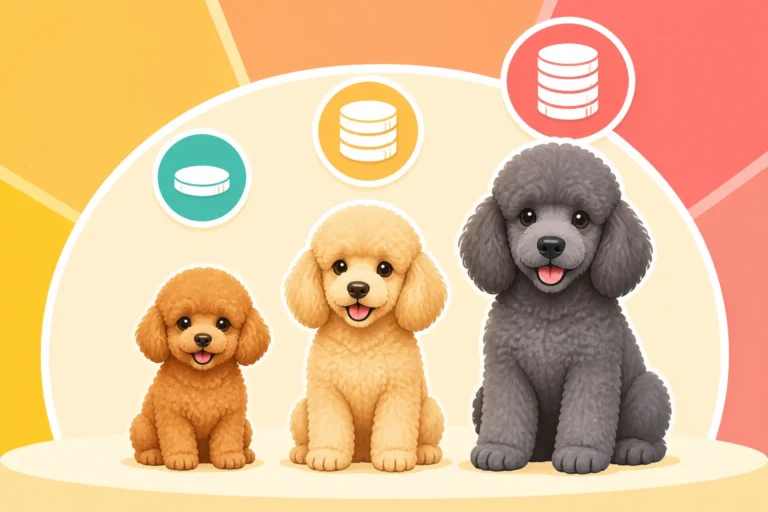
For a well-bred, pet-quality Toy Poodle from a reputable breeder in North America, you can generally expect to pay anywhere from $2,500 to $4,500 USD. This range accounts for all the health testing, ethical rearing practices, and breeder support we discussed. A pet-quality puppy is one that is perfectly healthy, has an excellent temperament, but might not possess the exact conformational traits (like a perfect topline or ear set) that would make it competitive in the show ring. These puppies are usually sold on a spay/neuter contract, meaning you agree to have them desexed by a certain age, and with limited AKC registration, preventing them from being bred or shown in conformation events.
This price range can vary based on regional demand, the specific genetic lines involved, and the breeder's individual expenses. For example, a breeder who goes above and beyond with early neurological stimulation, extensive puppy curriculum, or additional training might be at the higher end of this range. While it might seem like a substantial sum initially, consider it an investment in avoiding significant veterinary bills down the line and ensuring you get a puppy with a solid foundation. Often, this is the realistic cost of bringing home a truly sound Toy Poodle.
Show or Breeding Prospects: A Higher Tier
If you are looking for a Toy Poodle with the potential to be a show dog or to contribute to a responsible breeding program, the price will typically be significantly higher. These puppies are meticulously evaluated for their conformation to the breed standard, their movement, and their overall temperament, with the expectation that they will excel in competition or breeding. Prices for show or breeding prospect Toy Poodles can range from $4,000 to $8,000 or even more, depending on the pedigree, the titles held by the parents, and the specific qualities of the individual puppy.
These puppies usually come with full AKC registration, allowing them to compete in all events and be used for breeding. The breeder will often have an even more stringent contract for these placements, outlining expectations for showing, health testing, and responsible breeding practices. Acquiring a show-quality Poodle is often a partnership between the breeder and the buyer, with ongoing mentorship. This higher price reflects the added value of a puppy whose genetics and conformation are considered exceptional, representing the breeder's efforts to preserve and improve the breed.
Here's a quick overview of potential price ranges:
| Poodle Quality & Purpose | Typical Price Range (USD) | Key Characteristics |
|---|---|---|
| Pet Quality | $2,500 – $4,500 | Healthy, excellent temperament, limited AKC registration, spay/neuter contract. Ideal family companion. |
| Show/Breeding Prospect | $4,000 – $8,000+ | Exceptional conformation to breed standard, full AKC registration, potential for showing or responsible breeding, rigorous contracts. |
| Bargain/Unverified | $500 – $2,000 | Often lacks health testing, questionable parentage, poor socialization, higher risk of genetic defects, often from backyard breeders or puppy mills. Buyer beware. |
What to Watch Out for with "Bargain" Poodles
The market is unfortunately flooded with "bargain" Toy Poodles priced significantly lower than the ranges mentioned above, sometimes as low as $500 to $1,500. While the upfront cost might seem appealing, these puppies almost invariably come from sources that cut corners on critical aspects like health testing, proper nutrition, and early socialization. This often means you're buying a puppy with an unknown genetic history, potentially predisposed to expensive and heartbreaking health issues.
Beware of breeders who offer immediate availability of multiple puppies, don't ask you many questions, can't provide verifiable health clearances for the parents, or operate in unkempt conditions. These are common red flags for puppy mills or backyard breeders. While you might save money on the purchase price, you could easily spend many times that amount on vet bills for conditions like Hypoglycemia in a Toy Poodle Puppy, severe dental issues (such as Why Toy Poodle Baby Teeth Refuse to Drop), or behavioral problems stemming from poor socialization. As we discussed in Why a Cheap Poodle Usually Means No Testing, the "savings" are often illusory. A truly reputable breeder has nothing to hide and will be transparent about all their practices and costs.
Beyond the Purchase Price: Essential Ongoing Costs for a Toy Poodle
Bringing home your new Toy Poodle is just the beginning of your financial commitment. While the purchase price is significant, it's crucial to budget for the ongoing care that a Poodle, particularly a Toy Poodle, requires. These aren't optional expenses; they are vital to ensuring your Poodle lives a long, healthy, and happy life.
Initial Setup and Ongoing Grooming Maintenance
Once you bring your Toy Poodle puppy home, you'll have some initial setup costs. This includes purchasing a properly sized crate – it's important to choose the right one, as detailed in Crate Size for Each Poodle Variety – as well as comfortable bedding, food and water bowls, a leash and collar or harness, and a selection of appropriate toys. You’ll also need to stock up on quality puppy food, and many owners find ordering from online retailers like Chewy convenient for this. Don't forget basic grooming supplies like a slicker brush, a metal comb, and quality shampoo and conditioner, as these are crucial even between professional grooms.
Ongoing grooming is one of the most significant recurring expenses for any Poodle owner, and Toy Poodles are no exception. Their continuous-growing coat requires regular professional grooming every 4-8 weeks to prevent matting and maintain skin health. The cost of these professional grooming sessions can range significantly depending on your location and the specific services, with Groomer Rates for a Toy Poodle often being around $70-$120 per visit. If you opt to learn to groom at home, you'll need to invest in quality clippers, blades, and a high-velocity dryer, which can be a substantial upfront cost but save money long-term. Even with home grooming, regular baths and brushing are non-negotiable.
Food, Vet Care, and Pet Insurance
Food is another consistent expense. While Toy Poodles eat less than their larger counterparts, they still require high-quality, nutritionally balanced food appropriate for their life stage and activity level. You'll want to carefully consider Monthly Food Cost for a Toy Poodle when budgeting. Many owners choose premium kibbles, while others opt for fresh food diets or raw feeding, all of which come with varying price points. Treats for training and enrichment also add to the monthly food bill.
Regular veterinary care is paramount for maintaining your Toy Poodle's health. This includes annual check-ups, booster vaccinations (refer to Poodle Vaccination and Preventive Schedule for a comprehensive schedule), routine deworming, and flea, tick, and heartworm prevention. Dental care is particularly important for Toy Poodles, as small breeds are prone to dental disease, so regular dental cleanings under anesthesia can become a recurring expense. Unexpected vet visits for illnesses or injuries can also arise at any time.
This is where pet insurance can be a real lifesaver. Companies like Healthy Paws offer policies that can help cover unforeseen accidents, illnesses, and even some emergency surgeries, providing immense peace of mind. Without insurance, a single emergency, like the need for Knee Surgery Prices for a Toy Poodle, could run into thousands of dollars. It's wise to investigate options for Insuring a Poodle Before Any Diagnosis to ensure coverage for potential future conditions, as most policies consider pre-existing conditions ineligible for reimbursement. While insurance is an added monthly cost, it can prevent financial catastrophe in a medical emergency.
Disclaimer
Please note that the information provided in this guide is for general informational purposes only and does not constitute professional veterinary or financial advice. Always consult with a qualified veterinarian for any health concerns regarding your Poodle and a financial advisor for specific financial planning. Prices mentioned are estimates and can vary widely based on location, breeder, and specific circumstances.