Training the Second Smartest Dog Breed
It's incredibly frustrating, isn't it, to hear everyone rave about how smart Poodles are, only to find yourself pulling your hair out when your own Poodle seems to be too smart for their own good? You’ve got this brilliant, elegant dog, but sometimes it feels like they’re running the house, or worse, finding ingenious new ways to get into trouble. You're not alone in that feeling. This guide is here to help you harness that incredible Poodle intelligence and channel it into a well-behaved, joyful companion, without ever resorting to methods that would crush their sensitive spirit.
The Poodle Brain: A Double-Edged Sword
When you live with a Poodle, you quickly realize you’re not dealing with just any dog. You're sharing your home with a canine intellectual, a four-legged Mensa member. This isn't just a fluffy reputation; it’s backed by research, and anyone who's ever tried to outsmart a Poodle knows it instinctively. But, like any highly intelligent being, this comes with its own set of challenges that need to be understood and managed.
Understanding Poodle Intelligence
Poodles consistently rank at the top of canine intelligence lists, often placed right behind the Border Collie by experts like Stanley Coren, who famously ranked breeds based on their working and obedience intelligence. This isn't just about performing tricks; it’s about their ability to understand new commands, solve problems, and even interpret human emotions and intentions. When we talk about "Why Poodles Learn a Cue in Five Repetitions", it’s not an exaggeration; many Poodles pick up new commands with astonishing speed, sometimes even anticipating what you want before you fully ask.
This exceptional cognitive ability means Poodles are highly adaptable and eager to learn. They thrive on mental stimulation and enjoy being challenged. They can quickly grasp complex sequences of commands, excel in various dog sports, and often have an uncanny ability to read their owners, sometimes better than their owners read them! This makes them incredibly rewarding partners for those willing to engage their minds. However, this intelligence isn't always neatly packaged into perfect obedience.
Their problem-solving skills, for instance, are incredible. A Poodle won't just try the same thing over and over if it doesn't work; they'll genuinely try different approaches. If a treat falls under a sofa, they won't just bark; they might try to nudge the sofa, push a toy underneath to dislodge it, or even look at you expectantly, trying to "tell" you where the problem is. This capacity for thoughtful action is what makes them so special, but it also means you need to be equally thoughtful in your training approach.
The Pitfalls of a Brilliant Mind
The flip side of this sharp intellect is that a bored Poodle is often a naughty Poodle. They’re not content to just lie around all day, staring at the walls. If you don't give their brain a job, they'll invent one for themselves, and trust me, their chosen activities rarely align with your household rules. This is where the frustration really sets in; you know they’re smart, you know they could be doing something constructive, but instead, they're unrolling toilet paper, counter-surfing, or figuring out how to open the pantry door.
This phenomenon is often captured by the phrase "Why a Bright Poodle Gets Bored", and it's something every Poodle owner grapples with. Their minds are constantly whirring, seeking input and challenges. Without appropriate outlets, that mental energy can manifest as destructive chewing, excessive barking, or an uncanny knack for escaping enclosures. They learn what works for them, even if it's not what you intended. They will test boundaries with a cunning that can feel deeply personal.
Many Poodle owners will tell you stories of their dogs outthinking them. You put a baby gate up, and they figure out how to scale it or even unlatch it. You hide a treat, and they sniff it out with surgical precision. It can feel like a constant battle of wits, and sometimes, you might feel like you're losing. This isn't a flaw in your Poodle; it's a testament to their inherent nature. It simply means your training needs to be as engaging and consistent as their intelligence demands. They need jobs, not just walks, and mental exercise is just as important as physical exercise.
Foundations: Early Training for a Poodle Puppy
Starting strong with a Poodle puppy is paramount. Those formative weeks and months lay the groundwork for their entire lives, shaping their behavior, confidence, and how they interact with the world. Neglecting these early stages, even with the smartest of breeds, can lead to deeply ingrained habits that are much harder to address later on.
Starting Strong with Socialization and Handling
Socialization is perhaps the most critical component of early Poodle training. Poodles, while often outgoing with their families, can sometimes be reserved or wary of strangers and new situations if not properly exposed. The critical socialization window, generally considered to be up to 16 weeks of age, is a precious time to introduce your puppy to a wide variety of sights, sounds, smells, people, and other dogs. This doesn't mean overwhelming them; it means controlled, positive experiences that build confidence. Think of it as investing in their emotional resilience. A well-socialized Poodle is a joy to take anywhere, confident and curious rather than fearful or reactive. Consider exposing them to car rides, different floor textures, people in hats, children, and even the sounds of everyday appliances.
Beyond broad socialization, specific handling exposure is vital, especially given the Poodle's grooming needs. From day one, get your puppy used to having their paws touched, their ears examined, their mouth opened, and their tail lifted. Use gentle, positive reinforcement, making each touch a pleasant experience. This desensitization process is critical for future vet visits and, of course, for their lifelong grooming routine. Imagine trying to groom a full-grown Poodle who has never had clippers or brushes touch them! Early positive association with these experiences can save you (and your future groomer) a world of trouble. This is an excellent opportunity to start teaching your Poodle to hold still on the table, even if it's just for a minute. These early positive experiences are vital for helping your Poodle grow into a balanced adult.
Mastering Potty Training and Crate Training
Potty training a Poodle, especially a tiny Toy Poodle, can feel like a monumental task. While Poodles are smart enough to understand the concept quickly, their smaller bladders, particularly in puppies, mean more frequent trips outside. Consistency is the absolute key here: regular potty breaks, especially after waking, eating, and playing, and immediate rewards for success outside. Don't punish accidents inside; simply clean them thoroughly with an enzymatic cleaner and resolve to be more diligent with supervision and timely outings. Many owners find success using a consistent phrase like "go potty" right before they relieve themselves, helping them associate the command with the action. Indoor potty options for a Toy Poodle can be a temporary solution, especially in bad weather or for apartment living, but the goal should always be to transition to outdoor habits.
Crate training, while sometimes initially met with resistance, is a gift you give your Poodle for life. It provides them with a safe, den-like space where they can feel secure, helps with potty training by leveraging their natural instinct not to soil their sleeping area, and is invaluable for travel or vet stays. The trick with Poodles, being the "velcro dogs" they are, is to make the crate a positive, desirable place, not a punishment. Fill it with comfy bedding, offer high-value chew toys or a puzzle feeder, and never use it as a time-out spot. Gradually increase the time they spend in it, always ending on a positive note. For a breed that loves company, teaching them to be comfortable and relaxed in their crate, even when alone, is a vital life skill. "Crate size for each Poodle variety" is an important consideration; they need enough room to stand, turn around, and lie down comfortably, but not so much that they can use one end as a bathroom.
Positive Reinforcement: The Only Way for a Poodle
Poodles are sensitive souls beneath their often-regal exterior. Their intelligence means they pick up on subtle cues and emotions from their handlers, and they form deep bonds based on trust and mutual respect. This sensitivity dictates that positive reinforcement isn't just a preferred method for Poodles; it's practically the only effective and humane way to train them.
Why Harsh Methods Fail a Poodle
Imagine trying to teach a brilliant child by yelling at them, shaming them, or physically correcting their every mistake. They would likely withdraw, become anxious, or simply shut down. The same goes for Poodles. Their highly attuned nature means they are incredibly responsive to their handler's tone of voice and body language. Harsh corrections, scolding, or punishment-based methods don’t teach a Poodle what to do; they only teach them to fear making mistakes, to avoid interacting with you, or to become fearful of the situation entirely. This can lead to a Poodle who is reluctant to try new things, shuts down during training, or worse, develops defensive aggression out of fear.
Many Poodle owners have experienced their dogs sulking or "Why a Poodle Shuts Down When Scolded". It's not manipulation; it's a genuine emotional response. Their trust in you is paramount. When that trust is eroded by unkind methods, it can take an immense amount of time and effort to rebuild. Rather than building a cooperative relationship, punishment fosters resentment and can lead to a Poodle who tries to hide their mistakes or becomes sneakier in their undesirable behaviors, rather than offering desired ones. They are too smart to simply accept harshness without consequence to their spirit. They thrive on clear communication, fairness, and positive feedback that tells them they are doing a good job.
Maximizing Rewards and Engagement
With a Poodle, positive reinforcement is about making learning fun and rewarding. This means using things your Poodle truly values to motivate them: delicious treats, favorite toys, enthusiastic praise, and even a quick game of fetch. The key is to find what motivates your individual Poodle most strongly. For some, it's a tiny piece of cooked chicken; for others, it's a squeaky toy or a vigorous belly rub. High-value treats are especially effective for teaching new or challenging behaviors. Think about small, soft, smelly treats that they can quickly swallow, allowing you to get many repetitions in without them getting full or distracted. Amazon offers a wide selection of suitable training treats, making it easy to experiment and find your Poodle's favorite.
Beyond the initial "paycheck" for a behavior, engagement is crucial. Poodles love to work with their people. Make training sessions short, frequent, and varied to keep them interested. Use a happy, encouraging tone of voice, and celebrate their successes, no matter how small. As they become more proficient, you can gradually start fading rewards, moving from treating every correct response to treating intermittently, or using life rewards (like opening the door for a sit, or throwing a toy for a recall). This teaches them that the behavior itself is rewarding, and that your praise and attention are valuable. A fantastic resource for understanding and implementing positive, force-free training methods is BAXTER & Bella, which provides comprehensive online training programs that align perfectly with a Poodle's sensitive and intelligent nature, emphasizing confidence and cooperation. They understand the nuances of working with smart dogs who need clear, consistent, and kind guidance.
Keeping Their Minds Busy: Beyond Basic Obedience
A Poodle's intelligence isn't just for show; it's a fundamental part of who they are. To truly fulfill a Poodle, you must engage their brilliant mind regularly. Neglecting this aspect of their care is like expecting a gifted student to thrive in a classroom with no curriculum – they'll quickly become bored, disruptive, and might even develop undesirable coping mechanisms.
The Importance of Mental Stimulation
If you want to avoid the headache of a Poodle who chews your furniture, barks incessantly, or develops separation anxiety, you need to give them appropriate mental outlets. A tired Poodle isn't just physically tired; they're mentally tired. This is precisely "What a Poodle Does When Its Brain Is Idle" – they find their own fun, often at your expense. Mental stimulation doesn't always have to be complex or involve hours of your time. It can be integrated into their daily routine.
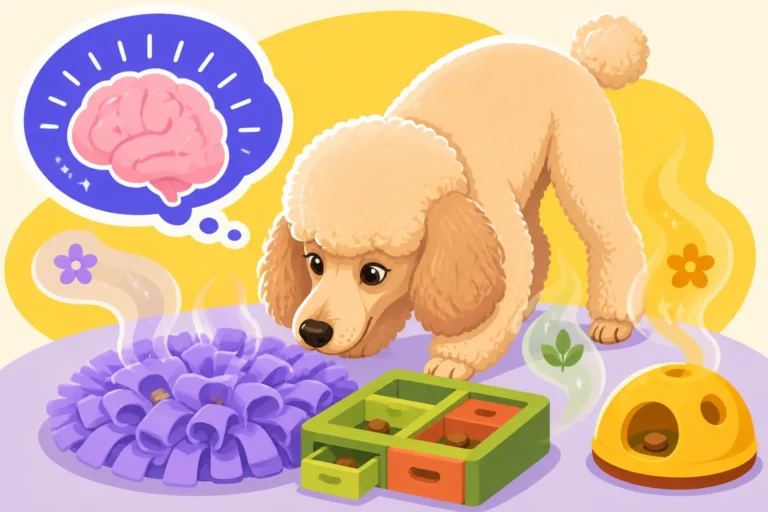
Puzzle toys are fantastic for this. Instead of simply putting their food in a bowl, use a slow feeder or a puzzle toy that requires them to roll, nudge, or manipulate it to get their kibble. This turns mealtime into a mental exercise. Scent games are another excellent option. Hiding treats around the house or yard and encouraging your Poodle to find them taps into their natural scenting abilities and provides immense mental satisfaction. This type of activity, sometimes called "Scent Games That Stretch a Poodle's Mind", can be just as tiring as a long walk. Even learning new tricks, like "fetch me a specific toy" or "put your toys away," engages their brain and reinforces your bond.
Exploring Dog Sports and Activities
Poodles excel in a vast array of dog sports, a testament to their athleticism, intelligence, and eagerness to please. These activities aren't just for show dogs; they provide incredible mental and physical enrichment for any Poodle, regardless of their pedigree. Agility, for instance, is a perfect fit for the Poodle's nimble body and quick mind. Weaving poles, jumping hurdles, and navigating tunnels requires both physical skill and mental focus, teaching them to follow sequences of commands at speed. Poodles frequently earn prestigious "Agility Titles Poodles Commonly Earn" due to their natural aptitude.
Obedience and Rally are also natural choices, playing directly to their desire to work cooperatively with their handlers. The precision and focus required in these sports are deeply satisfying for a Poodle. Beyond these, their retrieving heritage shines in activities like dock diving or even informal games of fetch, particularly if you introduce them to water work. "Poodle Hunt Tests and Field Work" might sound intense, but even a pet Poodle can enjoy retrieving dummies in a field or from a pond, tapping into their ancestral instincts as water retrievers. These sports provide a structured way to engage their intelligence, burn off energy, and build an incredible working relationship with your Poodle.
Addressing Common Poodle Behavioral Challenges
Even the smartest, most well-bred Poodle can present behavioral challenges. Their intelligence and sensitivity mean that these issues often stem from misunderstanding, lack of appropriate outlets, or underlying anxiety. Approaching these challenges with patience, consistency, and a deep understanding of Poodle nature is key to finding solutions.
Managing Barking and Alertness
Poodles can be quite vocal. Whether it's a sharp "alert" bark at the doorbell, a frustrated whine when they can't reach a toy, or a seemingly endless serenade directed at a passing squirrel, managing their barking can be a common frustration. It's important to first understand the why behind the bark. Is it boredom? Fear? Excitement? Guarding? Once you identify the trigger, you can start to address it.
For instance, "Poodle Alarm Barking" is often a natural instinct; they want to alert you to anything new or unusual. While you don't want to extinguish all barking (they make excellent watchdogs!), you can teach them a "quiet" command. Start by letting them bark a few times at a trigger, then distract them, reward them for being quiet, and gradually increase the quiet time before rewarding. For the Poodle who barks at everything outside, "Quieting a Poodle That Barks at the Window" can involve management techniques like privacy film on windows, or providing a "place" command that takes them away from the window, combined with desensitization to outside triggers. Environmental management is a huge part of this; if they can't see the trigger, they're less likely to bark at it.
Combating Separation Anxiety
Poodles are known for forming strong bonds with their families, often earning them the nickname "Velcro dogs." This intense attachment, while endearing, can sometimes lead to separation anxiety if not managed properly. A Poodle with separation anxiety might chew destructively, have accidents, or bark/howl relentlessly the moment you leave, because they genuinely panic when alone. It's heartbreaking to witness, and frustrating for owners who feel trapped by their dog's distress. "The Poodle That Follows You Everywhere" is often a precursor to this, indicating an over-reliance on your presence.
Preventing separation anxiety starts early by teaching your puppy that being alone is normal and safe. Crate training, as discussed, provides a secure space. Beyond that, practice very short absences, starting with just seconds, and gradually increasing the duration. Ensure they have appropriate enrichment (like a frozen Kong) to keep them occupied while you're gone. Avoid making a big fuss when you leave or return; this helps to normalize your comings and goings. If you already have a Poodle with full-blown separation anxiety, "Teaching a Poodle That Leaving Is Ordinary" might require a more structured approach, potentially involving professional help from a veterinary behaviorist. Medications, alongside behavior modification, can sometimes be necessary to help them cope.
Lifelong Learning: Adapting Training as They Age
Training isn't a one-and-done event with a Poodle; it's a continuous journey that evolves as they grow and mature. From navigating their boisterous adolescence to ensuring they're comfortable with necessary grooming, their learning never truly stops. Consistent, positive engagement throughout their lives ensures they remain well-adjusted, happy companions.
Adolescent Challenges and Consistency
Just like human teenagers, Poodles go through an adolescent phase, typically between 6 months and 2 years old, depending on their size. During this time, you might find your previously well-behaved Poodle suddenly seems to have "selective hearing." They might test boundaries, ignore commands they once knew perfectly, or develop new, often annoying, habits. It’s a completely normal developmental stage, albeit a challenging one for owners. "When a Poodle's Adolescence Ends" can feel like a distant dream during these months!
The key during adolescence is consistency and patience. Don't assume your Poodle has "forgotten" everything; they're simply testing the waters to see what they can get away with. Double down on your training efforts, making sessions fun and rewarding, and avoid getting frustrated. Revisit basic obedience commands, practice in different environments with increasing distractions, and reinforce good choices with high-value rewards. This is also a crucial time to continue socialization and expose them to new experiences in a positive way, solidifying their confidence and resilience. Think of it as solidifying the foundations you laid as a puppy.
Training for Grooming and Handling Comfort
The Poodle coat is magnificent, but it comes with a significant commitment to regular grooming. This isn't just about aesthetics; it's about hygiene, comfort, and preventing painful matting. Therefore, training your Poodle to be comfortable and cooperative during grooming sessions is absolutely non-negotiable. This process should start when they are puppies, making it a positive and routine experience.
Introduce them gently to the sounds and sensations of clippers (even if they're off at first), brushes, combs, and the high-velocity dryer. Use short sessions, lots of praise, and plenty of high-value treats. Teach them to stand calmly on a grooming table, or even just on a non-slip mat on the floor. "Desensitizing a Poodle to Clippers" takes time and patience, gradually increasing their exposure and positive associations. If you have a Toy Poodle, getting them comfortable with nail grinding is also essential, as their nails grow quickly and can cause discomfort if left untrimmed. Many groomers will add surcharges for matted Poodles or those that require extra handling due to poor behavior, so investing in this training early on is both financially smart and incredibly kind to your dog. Learning to clip a Poodle at home can save a lot of money in the long run, but it absolutely relies on a Poodle who is trained to enjoy grooming.
Advanced Concepts and Troubleshooting
Once your Poodle has mastered basic obedience and is a joy to live with, you might be ready for more advanced training. Or, you might find yourself facing a persistent behavioral issue that requires a deeper dive. Either way, continuing to engage with your Poodle's intelligence and addressing challenges proactively will lead to an even more fulfilling partnership.
Building a Reliable Recall
A reliable recall – where your Poodle comes instantly when called, no matter the distractions – is arguably the most important safety command you can teach any dog. For a Poodle, with their intelligence and often independent spirit, it's a skill that requires consistent effort but is incredibly rewarding. Imagine the freedom of letting your Poodle run and explore off-leash in appropriate, safe areas, knowing they'll return to you every time.
To build a strong recall, always make coming to you the most wonderful thing in the world. Start in a low-distraction environment, use a happy, excited tone, and reward lavishly with their absolute favorite treats or a quick game of tug. As they improve, gradually introduce more distractions. Utilize a long line (a very long leash, 15-30 feet) in safe, open spaces to allow them freedom while still maintaining control. This allows you to practice "Long Line Work With a Poodle" safely. Never call your Poodle to you for something unpleasant (like giving them a bath if they hate it, or ending a fun play session in the park without a reward). If you consistently make coming to you a positive experience, your Poodle will eagerly choose to return to your side, even when the squirrels are tempting. This is especially vital for a Standard Poodle, who might have more opportunities to roam and explore, making "Building Reliable Recall in a Standard Poodle" a top priority.
When to Seek Professional Help
Despite your best efforts, some behavioral issues might be too complex or deeply ingrained to handle on your own. There's no shame in seeking professional help; in fact, it's a sign of a responsible and loving Poodle owner. Issues like severe aggression, debilitating separation anxiety, chronic fear, or obsessive-compulsive behaviors often require the expertise of a certified professional dog trainer or a veterinary behaviorist.
When considering a trainer, it's absolutely crucial to find one who uses positive reinforcement methods. For a sensitive breed like the Poodle, force-based or aversive techniques (like prong collars, shock collars, or harsh physical corrections) can cause more harm than good, exacerbating fear and anxiety and damaging your relationship. Look for trainers who are certified by reputable organizations and have experience with Poodles. Asking questions about their methodology and observing a class before committing are good steps to take. For a Poodle, finding a trainer they will not shut down for is essential. If you notice signs of stress, fear, or persistent undesirable behaviors that you can't manage, don't hesitate to reach out. Early intervention can prevent minor issues from becoming major problems, ensuring your Poodle lives their happiest, most well-adjusted life.
| Training Stage | Key Focus | Essential Tools/Resources | Common Poodle Challenges |
|---|---|---|---|
| Puppyhood (8-16 weeks) | Socialization, Basic Manners, Handling | High-value treats (e.g., small pieces of cheese, cooked chicken), clicker, comfy crate, puzzle feeders, variety of safe toys, leash & harness, BAXTER & Bella online puppy classes. | Potty training accidents, nipping, crate vocalization, initial fear of new things. |
| Adolescence (6 mo-2 yrs) | Consistency, Proofing Commands, Mental Work | Long line, durable chew toys (e.g., KONG, Nylabone), engaging puzzle toys (e.g., from Amazon), variety of training environments, dog sports classes. | "Selective hearing," boundary testing, increased barking, new destructive habits, leash pulling. |
| Adulthood (2+ years) | Advanced Skills, Maintenance, Enrichment | Grooming tools (clippers, dryer, brushes), scent work kits, agility equipment (or classes), advanced obedience work, interactive feeders. | Boredom-related mischief, occasional reactivity, weight management, guarding behaviors. |
| Senior (8+ years) | Comfort, Gentle Exercise, Mental Engagement | Soft bedding, ramps, gentle massage, sniff walks, easy puzzle toys, regular vet check-ups. | Cognitive decline, arthritis, hearing/vision loss, reduced energy, house-soiling due to medical issues. |
Disclaimer
This article is for general informational purposes only and does not constitute professional advice. Laws, prices and regulations vary by location and change over time. Consult a qualified professional for guidance on your specific situation.