Overnight Breaks for a Toy Poodle Puppy
Bringing home a tiny Toy Poodle puppy is an absolute joy, filled with boundless energy and snuggles. However, that joy often comes with the rather messy reality of their equally tiny bladders, leading to a lot of anxiety for new owners about overnight potty breaks. It can feel like you're caught in an endless cycle of cleaning up accidents or constantly waking up, wondering if you're doing enough (or too much!). This guide is here to walk you through exactly what to expect, how to manage, and how to successfully navigate those crucial overnight hours with your pint-sized Poodle, ensuring everyone gets a bit more sleep and a lot less mess.
Understanding Your Toy Poodle Puppy's Tiny Bladder
Let's be real: Toy Poodle puppies are ridiculously cute, but their small size means their internal plumbing isn't quite ready for a full night's sleep. It's not a matter of willpower; it's pure biology, and understanding this fundamental fact is the first step to managing those midnight dashes outside.
The Physiology Behind Frequent Potty Breaks
Imagine trying to hold a gallon of water in a thimble – that's essentially what we're asking a Toy Poodle puppy to do when we expect them to sleep through the night without a potty break. Their bladders are simply not developed enough to retain urine for long periods. A general rule of thumb is that a puppy can hold their bladder for roughly one hour per month of age. So, a two-month-old Toy Poodle can only realistically go about two hours between potty breaks. At night, with metabolism slowing slightly, they might stretch it a little, but certainly not for eight straight hours.
Beyond bladder size, puppies also don't yet have full control over their sphincter muscles. This muscle control develops over time, much like how human toddlers learn to "hold it." Their little bodies are still growing and maturing, and that includes the complex system of nerves and muscles that regulate urination. Expecting them to have perfect control too soon is setting both of you up for frustration. They're not being stubborn or trying to make your life difficult; they're just physically incapable of what you're asking. You might find it helpful to read about Bladder Size in a Toy Poodle Puppy to get a better grasp of the physical limitations.
Early Training and Bladder Control Development
While you can't magically expand their bladder, you can certainly start laying the groundwork for better bladder control through consistent training. The key here is consistency and positive reinforcement. Every time your puppy successfully potties outside, it’s a huge win, and they need to know it! Use high-value treats and enthusiastic praise. This teaches them that going outside is the most rewarding option.
Start by getting your puppy outside immediately after waking up, after eating, after playing, and before bed. These are prime potty times. For tiny breeds like Toy Poodles, sometimes even after a particularly exciting play session, they might need to go. Supervise them closely indoors, and if you see them sniffing around or circling, scoop them up and take them out right away. Consistency in routine helps their body learn what to expect. Don't forget that handling them regularly, even for non-grooming reasons, can help with the potty process, so looking into getting a Toy Poodle puppy used to being handled can be beneficial.
Setting Up for Overnight Success
Getting through the night with a Toy Poodle puppy really boils down to thoughtful preparation and a reliable routine. Without these foundations, you'll feel like you're constantly playing catch-up.
Crate Training for Nighttime Potty Breaks
Crate training is, without a doubt, one of the most effective tools for successful overnight potty training with a Toy Poodle puppy. The principle is simple: dogs are naturally clean animals and don't want to soil their sleeping space. A crate that's just large enough for your puppy to stand up, turn around, and lie down comfortably will leverage this natural instinct. If the crate is too big, they might just potty in one corner and sleep in another, defeating the purpose.
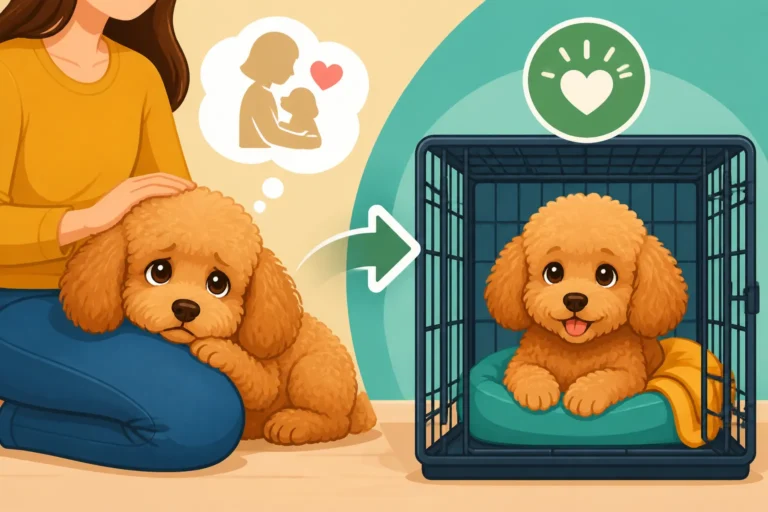
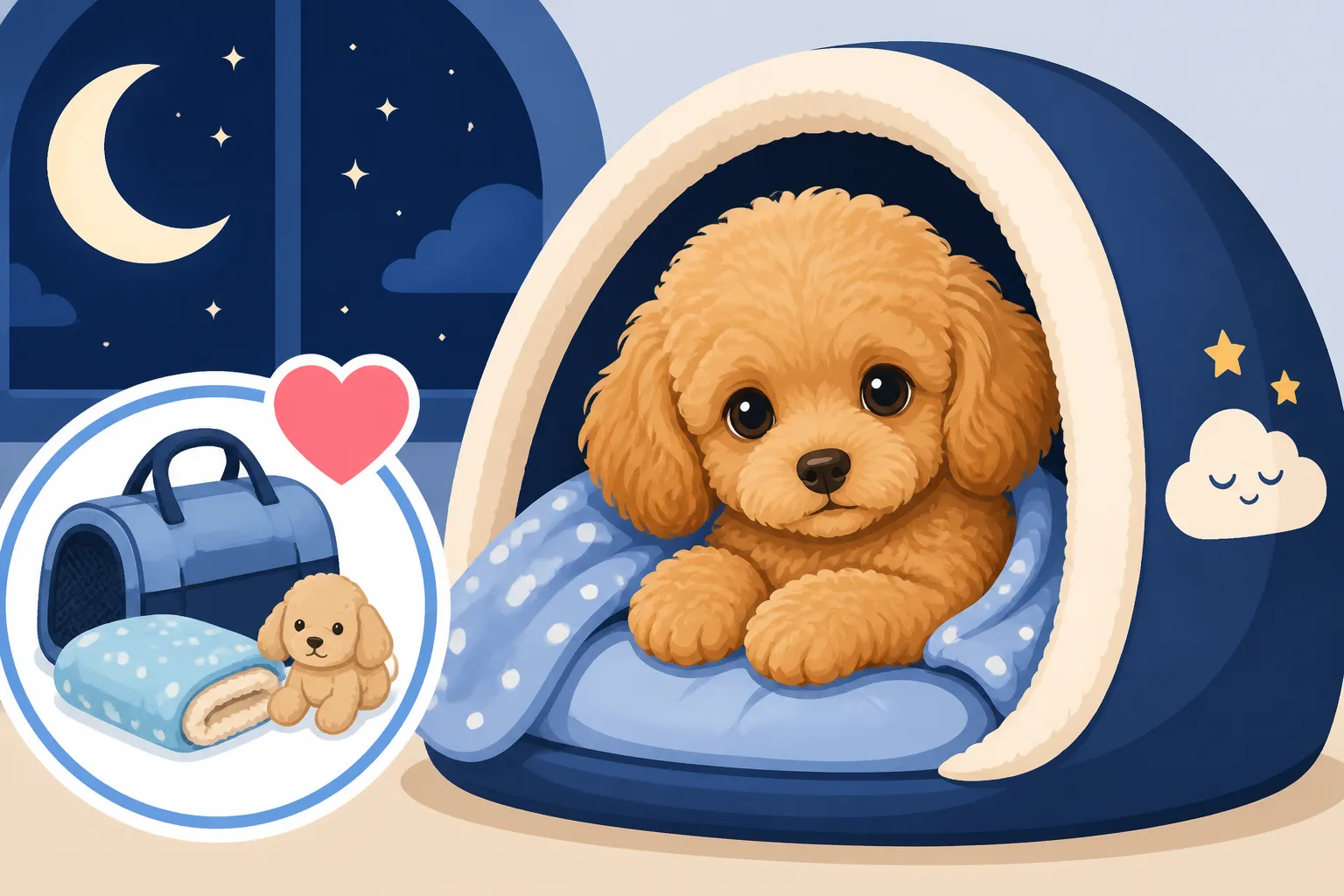
Introduce the crate gradually and make it a positive experience. Feed meals inside, give special toys (like a durable Kong stuffed with peanut butter or a puzzle toy you can find on Amazon), and praise them for entering. Never use the crate for punishment. At night, place the crate in your bedroom or very close to you. This is crucial for two reasons: first, your puppy will feel less isolated and alone (which is especially important for a breed like the Poodle that often loves company, as discussed in Crate Training a Poodle That Wants Company), and second, you'll be able to hear them when they stir and need to go out. A whimper, whine, or even a sudden rustling can be their signal. Many new puppy owners initially try to put the crate far away to avoid noise, but this often backfires with more accidents and a more distressed puppy.
Establishing a Consistent Evening Routine
Predictability is a puppy's best friend, especially when it comes to potty training. A consistent evening routine signals to their body that it's time to wind down and prepare for sleep. This routine should begin a few hours before your intended bedtime.
- Last Meal and Water: Give your puppy their last meal a few hours before bed, usually around 6-7 PM for a young puppy. Remove their water bowl about an hour or two before you plan to put them in the crate for the night. This isn't about dehydrating them, but preventing them from guzzling water right before bed, which guarantees a potty break within the hour.
- Active Play, Then Calm Down: Engage in some active playtime earlier in the evening to help burn off energy. A good game of fetch in the living room or some structured training (Poodles are incredibly smart, so they love mental challenges, and you can learn about The Age a Poodle Puppy Starts Learning) can tire them out both physically and mentally. As bedtime approaches, transition to calmer activities like gentle cuddling or quiet chew time in their crate.
- Final Potty Trip: This is non-negotiable. Take your puppy out right before you put them into their crate for the night. Make sure they actually do something. Don't just stand there for a minute and bring them back in. Wait it out, say "go potty" (or whatever cue you use), and reward them heavily when they succeed. Even if you think they just went, take them again right before bed. This can make all the difference.
The Overnight Potty Schedule
This is where the rubber meets the road. Navigating the actual night requires patience, quick action, and a bit of a strategic mindset. Remember, every successful overnight potty trip reinforces the right behavior.
How Often to Expect Potty Breaks
For a very young Toy Poodle puppy (8-12 weeks old), you should anticipate at least 1-3 overnight potty breaks, sometimes even more, especially in the first few nights.
Here’s a rough guideline for a typical Toy Poodle puppy:
| Puppy Age | Maximum Time Between Potty Breaks (Day) | Maximum Time Between Potty Breaks (Night) |
|---|---|---|
| 8-10 Weeks | 1-2 hours | 2-3 hours |
| 10-12 Weeks | 2-3 hours | 3-4 hours |
| 12-16 Weeks | 3-4 hours | 4-5 hours |
| 4-6 Months | 4-5 hours | 5-7 hours |
| 6+ Months | 5-6 hours | 7-9 hours (potentially through the night) |
Please note: These are just averages. Every puppy is an individual! Some might have incredible bladder control early on, while others take a bit longer. Err on the side of caution and take them out more frequently than you think they need. The goal is to prevent accidents, not just clean them up.
When you hear your puppy stirring or whimpering in the crate, immediately take them out. Don't turn on all the lights, don't engage in play, and keep conversation to a minimum. This reinforces that nighttime potty trips are strictly business, not party time. Take them to their designated potty spot, wait for them to go, praise quietly, and bring them right back inside to their crate.
Signs Your Puppy Needs to Go Out
Learning your individual puppy’s signals is critical. While some puppies will cry loudly, others are more subtle.
- Whimpering or Whining: This is the most common and obvious sign from a crated puppy. They're telling you they're uncomfortable and need to relieve themselves. Don't ignore it, hoping they'll just "hold it."
- Restlessness: Your puppy might shift around, stand up, sit down, or circle in their crate. This usually indicates they're trying to get comfortable but can't because of a full bladder.
- Scratching or Nosing at the Crate Door: If they're trying to get out, it's a pretty clear indicator that they need to go.
- Sudden Silence (after a period of crying): Sometimes, a puppy will cry, then go completely silent. This can mean they've settled, but it can also mean they've given up and soiled their crate. If you've been hearing cries and then it goes quiet, check on them immediately, just in case.
If you’re unsure, it’s always better to take them out than to risk an accident. Remember, the more successful potty trips they have outside, the faster they will learn the desired behavior. A puppy training program, such as those offered by BAXTER & Bella, often emphasizes these early communication cues to build a strong foundation.
Managing Accidents and Setbacks
Even with the best intentions and the most consistent routine, accidents happen. It's an inevitable part of puppyhood, and how you react makes all the difference in your puppy's learning process.
When Accidents Happen
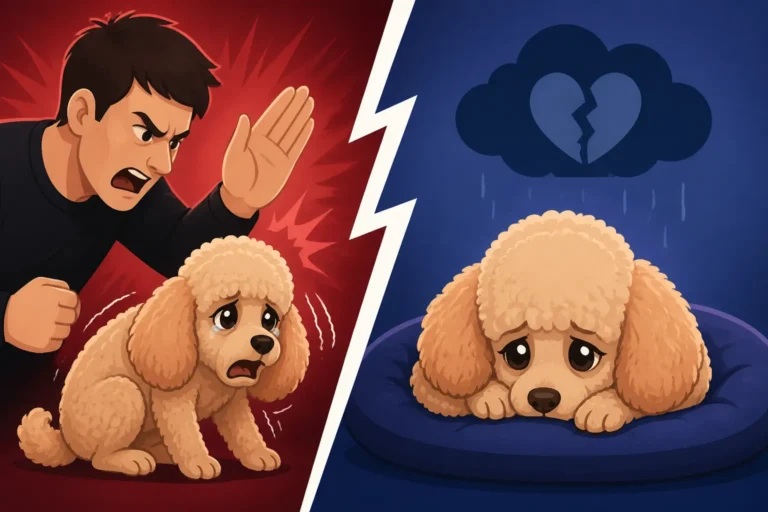
First and foremost, do not punish your puppy for an accident, especially if you didn't catch them in the act. They won't connect your anger to an event that happened minutes or hours ago, and it will only teach them to fear you or to hide their pottying from you, making training even harder. If you catch them mid-stream indoors, a quick, sharp "No!" or clap, followed by immediately picking them up (without scolding) and taking them outside to their potty spot, is the most effective response. If they finish outside, reward them like crazy.
For accidents you discover, the key is thorough cleaning. Dogs are attracted to the scent of urine and feces, so if the odor remains, they're more likely to use that spot again. You need an enzymatic cleaner, not just a regular household cleaner. Products available on Amazon are excellent at breaking down the organic matter in urine, truly eliminating the scent that only your dog can smell. Blot up as much as you can, then saturate the area with the enzymatic cleaner, letting it sit according to the product's instructions before blotting dry. This is crucial for successful House Training a Toy Poodle.
Troubleshooting Common Overnight Challenges
Even with a plan, puppies throw curveballs. Here are some common issues and how to tackle them:
- Excessive Crying in the Crate: If your puppy cries inconsolably even after a potty break, they might be lonely or not fully comfortable in the crate yet. Ensure the crate isn't too large. You can try a white noise machine, a covered crate to make it den-like, or even moving the crate right beside your bed so they can hear and smell you. Sometimes, a "snuggle puppy" toy with a heartbeat can offer comfort. Never let them out for crying unless it's a genuine potty cry, or you'll accidentally train them that crying equals freedom. Persistence is key, as discussed in Settling a Poodle Puppy on Night One.
- Still Having Accidents Despite Frequent Breaks: Re-evaluate your last water cutoff time. Are they drinking a lot right before bed? Also, consider if they are truly emptying their bladder on the final potty trip. Some puppies get distracted. Make sure that last trip is focused on business, with minimal distractions.
- Waking Up Too Early: Toy Poodle puppies sometimes wake up with the sun, or even earlier! If your puppy consistently wakes at 5 AM needing to potty, try moving their last potty break later, even if it means you stay up an extra 15-30 minutes. Gradually, you can try to push back their morning potty time by 5-10 minutes each day. Ensure their crate is in a dark, quiet spot to avoid early morning light cueing them awake.
- Sugar Crashes: This is a crucial one for tiny Toy Poodles. Due to their small size, puppies, especially those under 12 weeks, are susceptible to hypoglycemia (low blood sugar), which can cause lethargy, weakness, and even seizures. While not a potty training issue, prolonged periods without food (like overnight) can sometimes contribute, particularly if they are stressed or burning a lot of energy. Always consult your vet about your puppy's feeding schedule, but know the Signs of Low Blood Sugar in a Toy Poodle Puppy and consider discussing How Often a Toy Poodle Puppy Must Eat with them to ensure their needs are met, especially if they are very young or struggling to gain weight. Keeping some emergency glucose gel on hand, as discussed in Emergency Sugar for a Crashing Toy Poodle, is a wise precaution for tiny puppies.
Remember, every puppy learns at their own pace. Be patient, be consistent, and celebrate the small victories. You've got this!
Disclaimer
This article is for general informational purposes only and does not constitute professional advice. Laws, prices and regulations vary by location and change over time. Consult a qualified professional for guidance on your specific situation.