Whether a Toy Poodle Is Safe at the Dog Park
It's completely understandable to feel a mix of excitement and apprehension when thinking about taking your precious Toy Poodle to a dog park. On one hand, you want them to have fun, burn off energy, and make friends; on the other, the sheer size difference and unpredictable nature of a public dog park can be genuinely terrifying for any owner of a small breed. This guide is here to walk you through the realities of dog parks for Toy Poodles, highlight the significant risks involved, and explore safer, more tailored alternatives to ensure your tiny companion's well-being and happiness.
The Unique Challenges Toy Poodles Face at Dog Parks
Let's be honest, dog parks can be chaotic. For a dog as petite and, dare I say, delicate as a Toy Poodle, these environments present a unique set of hurdles that many larger dog owners simply don't have to consider. It’s not just about potential aggression; it’s about physics, communication, and the inherent differences in how dogs of varying sizes interact.
Size Disparity and Physical Risks
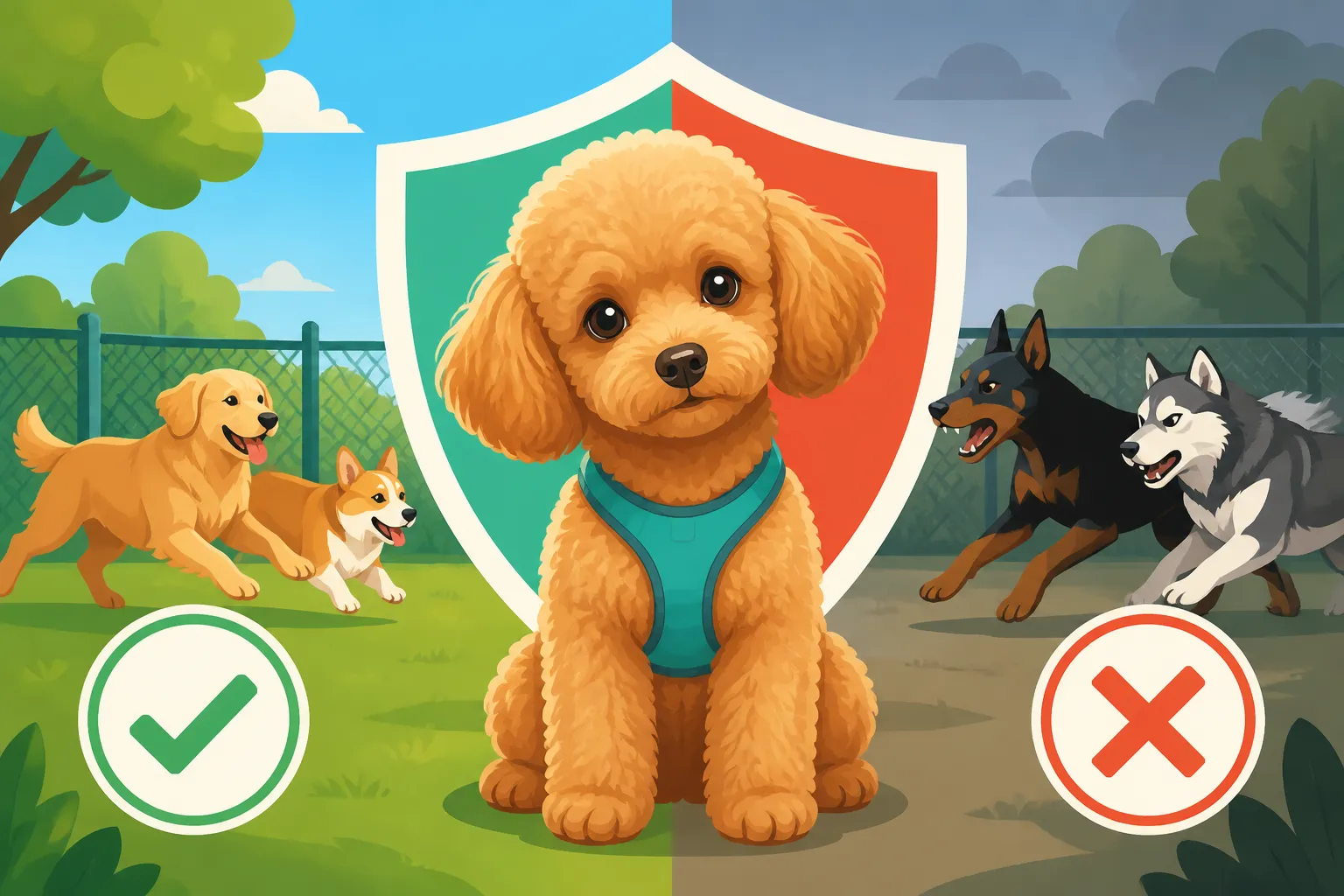
Imagine walking into a bustling playground where all the children are teenagers, and you're bringing a toddler. That's often the reality for a Toy Poodle in a general dog park. Even the most well-meaning, gentle giant of a dog can cause serious injury to a tiny Poodle purely by accident. A joyful nudge, an exuberant play bow, or a sudden change of direction during a game of chase can result in a devastating collision. These aren't malicious acts, but accidents waiting to happen. Fractures, internal injuries, and even spinal trauma are real, heartbreaking possibilities when a 5-pound Poodle is mixed with a 50-pound Labrador or a 100-pound Great Dane.
The frustration is palpable for owners who've seen these close calls. You're constantly scanning, trying to anticipate every move, ready to scoop up your dog at a moment's notice. It’s exhausting, and it takes away from the joy of watching your dog play. Many parks don't have genuinely separate areas for small and large dogs, or the partitions are flimsy and easily breached. Even if there is a 'small dog' section, it often means just a slightly smaller enclosure, not necessarily one free from bigger dogs whose owners ignore the signs. This constant vigilance transforms what should be a fun outing into a high-stress event, not just for you but for your sensitive Poodle, who picks up on your anxiety.
Different Play Styles
Beyond the obvious size difference, larger dogs and smaller dogs often have vastly different play styles, leading to misunderstandings and potential conflicts. Larger breeds tend to enjoy full-contact play – wrestling, body slamming, chasing at high speeds, and using their paws and mouths more vigorously. For a tiny Toy Poodle, this kind of play isn't just physically dangerous; it can be incredibly intimidating. A Toy Poodle might prefer a gentler interaction, a bit of sniffing, a slow game of tag, or some polite chasing. When a large dog barrels over, intent on a rough-and-tumble game, the Toy Poodle might perceive it as a threat, even if the larger dog's intentions are purely playful.
This mismatch in play style can escalate quickly. A Toy Poodle, feeling threatened, might snap, bark frantically, or try to bolt, which can, in turn, trigger a prey drive in some larger dogs, even those that are usually gentle. It’s a lose-lose situation. The larger dog might get confused or frustrated by the small dog's reaction, and the Toy Poodle can end up traumatized, making future social interactions more difficult. Understanding A Toy Poodle Around Larger Dogs is crucial for anticipating these dynamics. We want our Poodles to be confident, not cowering, and a dog park full of mismatched play can easily erode their self-assurance.
Overstimulation and Stress
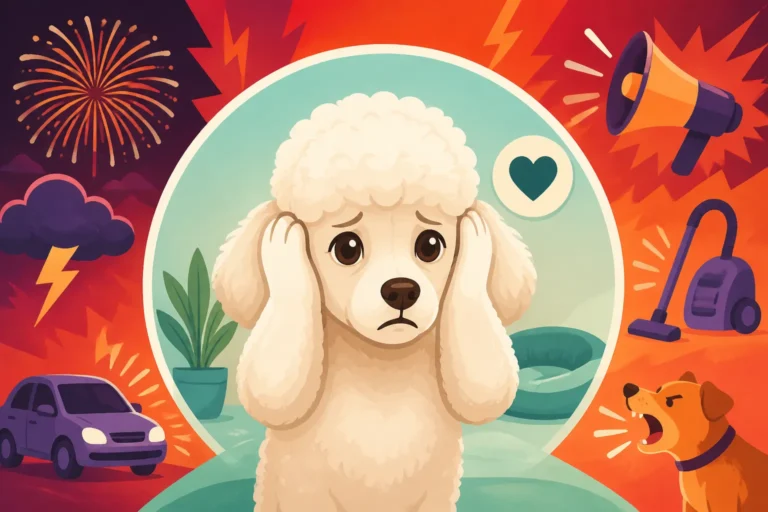
Dog parks are incredibly stimulating environments. There are dozens of smells, sounds, sights, and other dogs to interact with, not to mention people. For any dog, this can be a lot, but for a smaller, more sensitive breed like a Toy Poodle, it can quickly become overwhelming. Poodles are intelligent and keenly observant creatures, and their brains are always processing information. A constant barrage of high-energy dogs, loud barking, and sudden movements can push a Toy Poodle past their coping threshold.
When a dog becomes overstimulated, they can react in unexpected ways. Some might become shut down and withdrawn, trying to make themselves invisible. Others might become reactive, barking excessively, nipping, or even showing fear aggression because they feel trapped and unable to escape the intensity. This isn't about enjoying socialization; it's about survival. You might notice your Poodle panting excessively, yawning, lip-licking, or trying to hide behind your legs – all signs of stress. Prolonged exposure to such high-stress situations can have long-term negative impacts on their confidence and their ability to enjoy future social outings, creating a fearful dog rather than a well-adjusted one.
Assessing the Dog Park: Risks, Responsibilities, and Red Flags
If you're still considering a dog park for your Toy Poodle, it's essential to go in with your eyes wide open, understanding what to look for and what to immediately exit for. It's not just about your dog; it's about the other dogs, their owners, and the overall management of the space.
Identifying a Safe Dog Park Environment
The number one factor for a Toy Poodle's safety in a dog park is the presence of a truly separate, well-maintained small dog area. This isn't a suggestion; it's a necessity. This designated area should ideally be double-gated, securely fenced, and free from any large dogs. Observe it before you enter:
- Are there actually small dogs playing? If it’s empty or consistently has larger dogs roaming through, it’s not serving its purpose.
- What's the ground like? Is it soft grass or rough gravel? Tiny paws can be sensitive.
- Is it clean? Are there poop bags readily available and are owners cleaning up?
- Are the people paying attention? Engaged owners are a sign of a better environment.
Even with a dedicated small dog section, vigilance is key. It only takes one inattentive owner or one larger dog that slips through an open gate to turn a calm environment into a dangerous one. Look for parks that have clear rules posted and, ideally, staff or regular volunteers who help enforce them. A good dog park feels calm and controlled, not like a free-for-all.
Reading Dog Body Language
This is perhaps the most critical skill for any dog owner, especially those with small breeds venturing into social settings. Your Toy Poodle communicates constantly, and so do all the other dogs. Learning to "read the room" can prevent many incidents. Keep an eye out for these red flags:
- Stiff bodies, raised hackles, hard stares: These are clear signs of tension and potential aggression.
- Pinning or prolonged staring: A dog trying to dominate or intimidate another.
- Constant mounting: This isn't usually playful; it's a display of dominance.
- Excessive barking or growling: Especially if directed at a specific dog or person.
- Resource guarding: A dog guarding a toy, water bowl, or even their owner.
Conversely, look for signs of healthy play: loose, wiggly bodies, play bows, bouncy movements, and dogs taking turns chasing. If you see signs of stress in your Poodle, such as excessive panting, tail tucked, trying to hide, or showing their belly without being invited, it's time to leave. Understanding Reading a Poodle's Body Language is invaluable here. Always trust your gut instinct; if a situation feels off, it probably is. Your Toy Poodle relies on you to be their advocate and protector.
Your Toy Poodle's Temperament Matters
Not every dog is built for the dog park, regardless of size. This is especially true for Toy Poodles, who can range from bold and boisterous to incredibly sensitive and shy. Before you even consider a dog park, honestly assess your Poodle's personality and their past socialization experiences.
- Are they generally confident and resilient? Do they bounce back quickly from minor scares?
- Do they enjoy meeting new dogs? Or do they prefer the company of known friends?
- How do they react to loud noises or sudden movements? Do they startle easily?
- Are they prone to anxiety or fear? Fearful and Reactive Poodles may struggle greatly in such environments.
A Toy Poodle with a naturally nervous disposition or one that hasn't had ample positive socialization experiences may find the dog park terrifying, not fun. For these dogs, forcing the issue can exacerbate existing anxieties and create new behavioral problems. Conversely, a confident, well-socialized Toy Poodle might navigate a well-managed small dog park with ease, but even then, the risks remain. This isn't about judging your dog; it's about setting them up for success in environments where they can truly thrive.
Safer Paths to Socialization and Exercise for Your Toy Poodle
Thankfully, the dog park isn't the only, or even the best, way to provide your Toy Poodle with vital socialization and exercise. There are numerous alternatives that offer more control, less risk, and a far more positive experience for your beloved companion.
Supervised Playdates with Known Dogs
One of the best ways to ensure safe and happy canine interactions for your Toy Poodle is to arrange playdates with dogs you know and trust. This could be a friend's dog, a relative's dog, or another Poodle you've met through a breed club. The key here is knowing the other dog's temperament, vaccination status, and play style. Start in a neutral, fenced yard or a quiet, secure area where both dogs can meet on leash first. Allow them to greet each other calmly, then slowly introduce off-leash play if both seem comfortable.
This controlled environment minimizes the risk of injury and allows for genuine, positive interaction. You can supervise closely, intervene if play gets too rough (even between small dogs, sometimes), and ensure both dogs are having a good time. It’s a wonderful way for your Toy Poodle to build social skills and develop lasting friendships without the overwhelming chaos of a public park. Consider using a long line for extra control initially, especially if one dog is known for Poodle Recall Training that's not quite perfect yet. You can find excellent quality long lines and portable water bowls on Amazon.
Structured Puppy Classes and Socialization Groups
For young Toy Poodles, or even adult Poodles needing a refresh, structured puppy classes and socialization groups are gold. These are typically run by certified professional dog trainers who understand canine behavior and can facilitate safe, positive interactions. In these settings, dogs are often grouped by size and temperament, and play is carefully monitored to prevent bullying or overstimulation. The focus is on teaching appropriate social manners, building confidence, and positive exposure to new sights and sounds.
Programs like BAXTER & Bella offer comprehensive online resources that can prepare both you and your Toy Poodle for these in-person classes, giving you the tools to understand dog behavior and guide your puppy through their formative weeks. The advantage here is the presence of an experienced human "referee" who can step in before problems arise, teaching dogs how to communicate politely and making sure everyone has a positive experience. This kind of structured interaction is invaluable for a Poodle's emotional development.
Exploring Other Forms of Exercise and Enrichment
Toy Poodles are surprisingly energetic and intelligent, needing more than just a quick trot around the block. They thrive on mental stimulation as much as physical activity. Instead of a dog park, consider these enriching activities:
- Interactive Toys and Puzzle Feeders: These challenge your Poodle's brain and make mealtime an exciting game. Nose Work as Exercise for a Poodle is a fantastic mental workout.
- Obedience and Trick Training: Poodles excel at learning! Regular training sessions, even short ones throughout the day, provide mental engagement and strengthen your bond. Trick Training a Poodle can be incredibly rewarding.
- Structured Walks in Diverse Environments: Explore different neighborhoods, quiet trails, or even pet-friendly stores. These offer new sights and smells without the pressure of off-leash dog interactions.
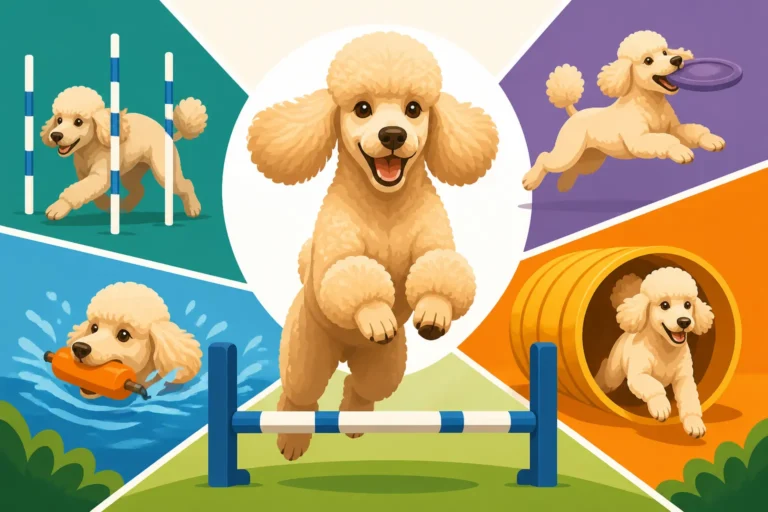
- Agility or Rally Obedience: Many clubs offer classes tailored for small dogs. These sports are fantastic for both physical fitness and mental sharpness, building confidence and coordination in a controlled, fun environment. Learn about Agility Club Fees for a Poodle if this sounds appealing.
- Swimming: Some Toy Poodles love to swim! A gentle introduction in a kiddie pool or a dog-friendly pool can be excellent low-impact exercise.
Remember, Daily Exercise for a Toy Poodle doesn't always mean running wild with other dogs. It's about providing appropriate physical outlets and stimulating their brilliant minds in a safe, controlled manner that respects their individual temperament.
Essential Preparation for Off-Leash Adventures (and When to Avoid Them)
Whether you choose a dog park or prefer more controlled environments, certain foundational training and preparation are non-negotiable for the safety and well-being of your Toy Poodle.
Foundational Training and Recall
Regardless of where your Toy Poodle socializes, solid obedience and a rock-solid recall are paramount. In any off-leash situation, whether it's a dog park, a secured field for a private playdate, or even your own backyard, your ability to call your dog back instantly could be life-saving. A Toy Poodle's small size means they can be easily overlooked or chased into danger.
- Practice recall in low-distraction environments first, gradually increasing the challenge. Make coming back to you the most rewarding thing ever, using high-value treats and enthusiastic praise.
- Teach a solid "leave it" and "drop it" cue. This helps prevent them from picking up discarded food or engaging with an inappropriate item.
- Work on "stay" and "come" consistently. Consistency is key, and Poodles are incredibly smart, often Why Poodles Learn a Cue in Five Repetitions.
Even if you never step foot in a dog park, strong obedience skills provide peace of mind and allow your Toy Poodle more freedom in safe, controlled settings. Tools like a good quality treat pouch and clicker, easily found on Amazon, can greatly aid in your training efforts.
Building Confidence Through Positive Experiences
A confident dog is a safer dog. Instead of throwing your Toy Poodle into the deep end of a chaotic dog park, focus on building their confidence through a series of positive, well-managed experiences.
- Start with one-on-one interactions: Introduce them to calm, friendly dogs of various sizes in a controlled setting.
- Positive exposure to new sounds and sights: Take them to busy areas on leash, letting them observe from a safe distance, rewarding calm behavior.
- Enroll in structured puppy or obedience classes: These provide a safe space for learning and socialization with expert guidance. BAXTER & Bella's online training can give you a head start, helping you understand how to approach socialization in a positive way before you even leave your home.
The goal is for your Toy Poodle to feel secure and happy in the world, not constantly on edge. A dog that trusts you to keep them safe will be more resilient and less likely to react negatively out of fear. Remember, Socializing a Poodle Before It Turns Wary is critical during their early developmental windows.
Equipping Yourself: What to Bring for Safety and Comfort
If you do decide to visit a dog park, even a small-dog section, come prepared. This isn't just about your Toy Poodle's comfort, but their safety and your peace of mind.
| Item | Purpose | Why It's Important for a Toy Poodle |
|---|---|---|
| High-Value Treats | Recall, rewarding calm behavior, distraction. | Tiny Poodles can be easily overwhelmed; a super tasty treat can redirect attention or ensure they come when called. |
| Fresh Water & Collapsible Bowl | Hydration, especially after play. | Small dogs can overheat quickly. Public water bowls can spread disease; yours is always clean. |
| Comfortable Harness & Leash | Secure control when entering/exiting, or if you need to quickly remove your dog. | A harness is safer than a collar for a small dog's delicate neck, especially for Why Harnesses Matter for a Toy Poodle's Throat. |
| Poop Bags | Essential for responsible dog ownership. | Hygiene prevents disease spread and keeps the park pleasant for everyone. |
| Small Blanket or Mat | A "safe spot" for your Poodle to retreat to if they feel overwhelmed or need a break. | Provides a familiar scent and a designated relaxation zone in a busy environment. |
| Your Phone | For emergencies (vet contact, calling for help), or to look up a quick training tip from BAXTER & Bella. | Quick access to assistance is vital for minor scrapes or serious incidents. |
Ultimately, the decision to take your Toy Poodle to a dog park rests with you. However, understanding the inherent risks, recognizing red flags, and knowing that there are many safer, more enriching alternatives can empower you to make the best choice for your small but mighty companion. Your Poodle's happiness and safety should always be the top priority.
Disclaimer
This article is for general informational purposes only and does not constitute professional advice. Laws, prices and regulations vary by location and change over time. Consult a qualified professional for guidance on your specific situation.