Telling Poodle Fear From Poodle Refusal
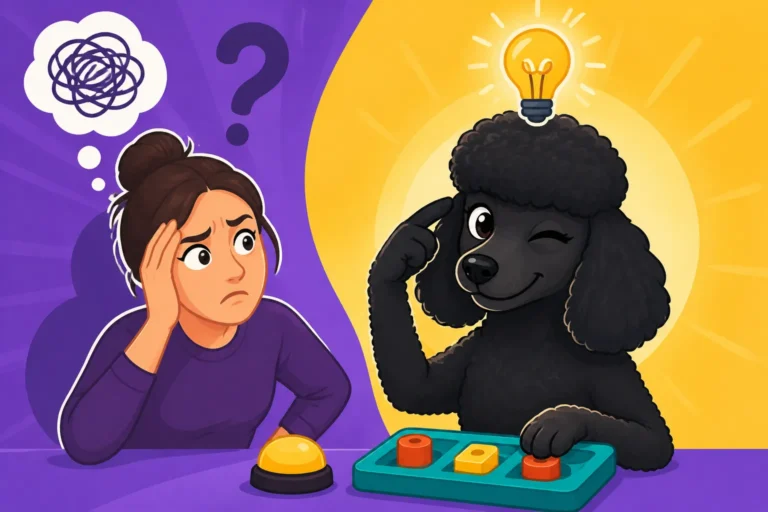
It's incredibly frustrating when your Poodle seems to be ignoring you, especially when you know how smart they are. You might find yourself wondering if they're genuinely scared and shutting down, or if they're simply being stubborn and refusing to comply. This guide is here to help you decipher the nuanced signals your Poodle sends, so you can tell the difference between true fear and mere refusal, and respond in a way that strengthens your bond and builds their confidence.
Understanding the Poodle's Sensitive Nature
Poodles, regardless of their size – Standard, Miniature, or Toy – are renowned for their intelligence, but often, their sensitivity goes overlooked. This isn't a weakness; it's an inherent part of their character that makes them incredibly attuned to their environment and the emotions of their human companions. However, this sensitivity also means they can be easily overwhelmed, and what might look like defiance can often stem from a place of genuine fear or anxiety. It's crucial to acknowledge that a Poodle's mind is always working, and sometimes that internal processing can lead to behaviors that are misinterpreted. When we understand this foundational aspect of their personality, we can approach their behavior with more empathy and clarity.
The Subtle Signs of Poodle Fear
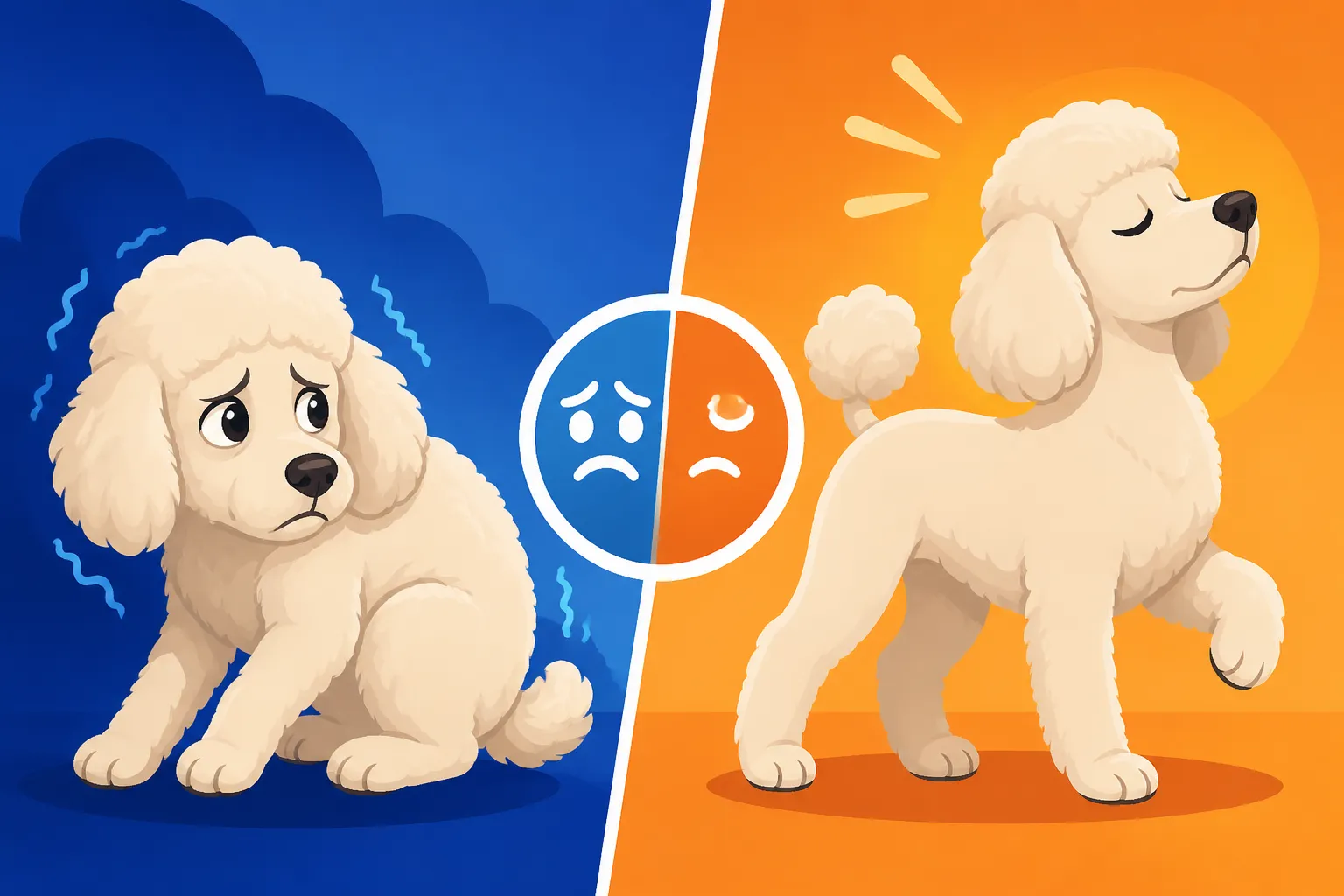
A scared Poodle doesn't always cower or growl. Their fear can manifest in incredibly subtle ways, especially if they've learned that overt displays of fear lead to punishment or frustration from their owners. You might see a slight flattening of the ears, a tail tucked just a little tighter than usual, or a quick glance away when you give a cue. These are not signs of a dog ignoring you; they are often pleas for understanding. A Poodle might freeze, become rigid, or move very slowly, almost as if they're walking on eggshells. They might also engage in displacement behaviors, like suddenly sniffing the ground intently, licking their lips repeatedly, or yawning when they aren't tired. These actions are often an attempt to self-soothe or to signal to you that they are uncomfortable without being confrontational. Understanding Reading a Poodle's Body Language is key to catching these early warnings.
Consider a scenario where you're trying to teach your Miniature Poodle a new trick in a bustling park. Suddenly, a skateboarder whizzes by. Your Poodle might immediately sit, turn their head slightly, and become unresponsive to your repeated cues. A common reaction might be to think, "They're being stubborn!" But if you notice their eyes are slightly dilated, their body is tense, and they're not making eye contact, it's highly probable that the sudden noise and movement have startled them, and they've gone into a mild state of fear or anxiety. Their brain has simply switched from "learning mode" to "safety assessment mode," making it impossible for them to process your request.
Common Triggers for Poodle Anxiety
Poodles can be reactive to a wide range of stimuli that might seem innocuous to us. Loud, sudden noises like fireworks, thunderstorms, or even a dropped pan can send a sensitive Poodle into a panic. New environments, unfamiliar people, or other dogs can also be overwhelming. Sometimes, it's not even a single event but a cumulative effect of stressors that causes a Poodle to become fearful. For example, if a Poodle has been subjected to Why Harsh Handling Breaks a Poodle, they might develop a fear of hands, sudden movements, or even certain tones of voice, making them hesitant to engage in training. Their past experiences heavily shape their present reactions, and sometimes, even well-meaning actions can inadvertently trigger a fear response if they remind the Poodle of a previous negative interaction.
Imagine your Toy Poodle is usually a confident little companion, but lately, during evening walks, they've started to balk at going outside and even try to pull back towards the house. You might initially assume they're just being fussy or want to stay inside. However, after careful observation, you might realize that a new, very loud construction project has started down the street, and the evening noise of machinery and traffic is deeply unsettling for your tiny companion. What looked like simple refusal was actually a fear response to an overwhelming sensory environment. It's not about them not wanting to obey; it's about them feeling unsafe and seeking to avoid the source of their distress.
Identifying Poodle Refusal and Stubbornness
On the flip side, Poodles are also incredibly intelligent and, let's be honest, can be quite clever at figuring out what they want to do versus what you want them to do. Their high intelligence, while a huge asset in training, can sometimes lead to what we perceive as stubbornness. They understand the rules, they know the cues, but sometimes, they simply decide that the reward isn't worth the effort, or they have a better idea of how things should go. This isn't malicious, but it definitely requires a different approach than fear. A truly bright dog, as we know from Why Intelligence Makes a Poodle Harder to Live With, might just be exploring the boundaries of their obedience.
The Clear Signals of Poodle Refusal
When a Poodle is refusing, their body language often looks quite different from fear. Instead of tension or withdrawal, you might see a more relaxed, almost insolent posture. Their ears might be casually back, or even forward, showing engagement with something else. They might make direct eye contact with you, then deliberately look away, or slowly avert their gaze as if to say, "I heard you, but I'm choosing not to." Their movements might be slow and deliberate, or they might offer an alternative behavior (e.g., sitting when you asked for a down) hoping it will suffice. They might even wander off to sniff something interesting, making it clear their attention is elsewhere. This isn't a panic response; it's a priority shift, often indicating a lack of motivation or a clear boundary-testing exercise.
Think of your Standard Poodle, who knows "sit" perfectly. You're in your quiet living room, holding a regular piece of kibble. You say "sit." They look at you, then slowly, almost comically, turn their head to stare out the window. You repeat "sit," and they might shift their weight, yawn dramatically, or even give a little stretch. This isn't fear; they know exactly what you want. They're just weighing the effort against the reward and, in this case, the window squirrels or the comfort of their stand position is currently winning. They're not panicked; they're deliberating. This behavior is a prime example of Why a Poodle Invents Its Own Shortcuts – they're looking for an easier or more rewarding path.
Why a Smart Poodle Might Refuse
There are several reasons why a Poodle, despite their intelligence, might choose to refuse a command. The most common is often a lack of sufficient motivation. If the reward isn't exciting enough, or if they perceive the task as too difficult for the given reward, they might just decide it's not worth their time. Poodles are smart enough to quickly figure out the effort-to-reward ratio. Another factor can be boredom. If a task is too repetitive or not mentally stimulating, a Poodle might simply check out. As we discussed in Why a Bright Poodle Gets Bored, these dogs need mental engagement. If training sessions aren't fun or challenging, they'll find their own entertainment. They might also be testing boundaries, especially during adolescence, to see what they can get away with. Sometimes, it's simply a lack of clarity in the cue or an inconsistency in your expectations. If you've been lax with a command in the past, they might assume it's optional now.
Here’s a practical example: you're trying to practice recall with your Poodle in your backyard. You've always used a squeaky toy as a reward. Lately, though, they've been running around, sniffing, and only reluctantly coming back when you call, often taking their sweet time. It's not fear; they're clearly enjoying themselves. The squeaky toy has lost its luster. They know what "come" means, but the value of continuing to explore the interesting smells in the yard currently outweighs the joy of the old reward. This isn't a display of anxiety; it's a calculated decision based on current perceived value.
Differentiating Between Fear and Refusal
Discerning whether your Poodle is acting out of fear or refusal requires careful observation and a deep understanding of their individual personality. It’s not always a black and white situation, but by paying attention to context, body language, and your Poodle's general disposition, you can make an educated guess and choose the most effective response. Misinterpreting their signals can damage your bond and make training more challenging, so taking the time to truly see what your Poodle is telling you is invaluable.
Observing Body Language and Context
The most critical step in telling fear from refusal is to scrutinize your Poodle's entire body. Don't just look at their ears or tail; observe their eyes, mouth, posture, and even the tension in their muscles.
Here's a quick comparison:
| Trait | Poodle Exhibiting Fear | Poodle Exhibiting Refusal |
|---|---|---|
| Eyes | Wide, dilated pupils, darting glances, avoiding eye contact, "whale eye" | Direct eye contact, then deliberate look-away, relaxed gaze, focused elsewhere |
| Ears | Flattened against head, slightly back, tense | Relaxed, slightly back, or forward to another point of interest |
| Mouth | Lip licking, yawning (when not tired), tight-lipped, panting (when not hot/exercised) | Relaxed, sometimes a slight grin, normal panting if warm/exercising |
| Body Posture | Crouched, low to ground, tense, rigid, shaking, cowering, leaning away, freezing | Relaxed, standing tall, casual, might slowly move away, sit, or lie down on own terms |
| Tail | Tucked tightly between legs, slightly tucked but still moving tentatively | Relaxed wag, held naturally, or sometimes stiffly out if asserting boundaries |
| Movement | Hesitant, slow, frozen, attempts to escape/hide, sudden darting | Slow, deliberate non-compliance, might wander off, offers alternative behaviors |
| Vocalization | Whining, whimpering, low growl (if feeling trapped), high-pitched yelp | Huffs, occasional bark of frustration or demand, silence |
| Context | Loud noises, new people/places, unfamiliar objects, sudden movements, harsh tone | Familiar setting, known cue, low-value reward, consistent requests, perceived boredom |
Beyond body language, consider the context of the situation. Is there anything in the environment that could be genuinely scary for a Poodle? A new visitor, a strange object, a loud noise, or even a sudden change in routine can trigger fear. If your Poodle is usually compliant and suddenly "shuts down" in a specific situation, fear is a strong possibility. If, however, they are selectively disobedient, performing commands perfectly when the reward is high-value (like a piece of roast chicken) but ignoring you for a bland kibble, then refusal is more likely.
Testing and Responding Appropriately
Once you've made an educated guess, your response is critical.
If it's Fear:
- Remove the stressor if possible: If a loud toy is causing distress, put it away. If a stranger is making them nervous, create distance.
- Create a safe space: Guide them to a quiet corner or their crate, a place they associate with security.
- Reassure them gently: Use a calm voice, gentle strokes (if they tolerate it), and avoid forcing interaction. The goal is to show them they are safe.
- Desensitization and Counter-conditioning: Gradually introduce the scary stimulus at a low intensity while pairing it with something positive, like very high-value treats. For instance, if they fear the vacuum, start with it in another room, reward them for calm behavior, then slowly move closer over days or weeks. Sound Work for a Noise-Sensitive Poodle can be very helpful here.
- Consider professional help: For severe fear or phobias, a certified professional dog trainer or veterinary behaviorist is invaluable. They can help create a tailored plan to address the underlying anxiety.
If it's Refusal:
- Increase Motivation: Make the reward incredibly enticing. Use their absolute favorite treats or a coveted toy. This often snaps them back into attention. Many Poodle owners find Treats Small Enough for a Toy Poodle useful for high-volume training. You can find many high-value options on Amazon.
- Clarify Cues: Ensure your commands are clear, consistent, and that you're not inadvertently giving conflicting signals. Sometimes, we unconsciously use different hand signals or vocal tones.
- Proofing: Practice commands in various environments with increasing distractions. A Poodle might obey perfectly in your quiet living room but "forget" everything at the park.
- Consistency is Key: Don't give in. If you've given a command, wait for compliance. If they eventually perform it, reward them. If they walk away, go get them and guide them to complete the command, even if you have to physically prompt them. Then, release them and try again. Consistency is vital, as a Poodle will quickly learn Why a Poodle Obeys Ninety Five Percent of the Time if there's no consequence for the other 5%.
- Make it Fun: Incorporate play and mental stimulation into your training. Poodles thrive on jobs. If you use a program like BAXTER & Bella, their structured, positive reinforcement approach can help keep your Poodle engaged and motivated.
- Manage boredom: If What a Poodle Does When Its Brain Is Idle is leading to refusal, increase their mental exercise through puzzle toys, scent work, or new tricks.
A good rule of thumb: if in doubt, treat it as fear first. You can always pivot to a refusal strategy if it becomes clear that fear isn't the primary driver. It's far better to err on the side of empathy than to accidentally punish a scared dog, which can severely damage trust. For complex behavioral issues, don't hesitate to consult with a professional, especially one experienced with the intelligent and sensitive Poodle temperament. They can offer guidance on Finding a Trainer Who Uses No Force on a Poodle to ensure your Poodle's trust remains intact.
Disclaimer
This article is for general informational purposes only and does not constitute professional advice. Laws, prices and regulations vary by location and change over time. Consult a qualified professional for guidance on your specific situation.