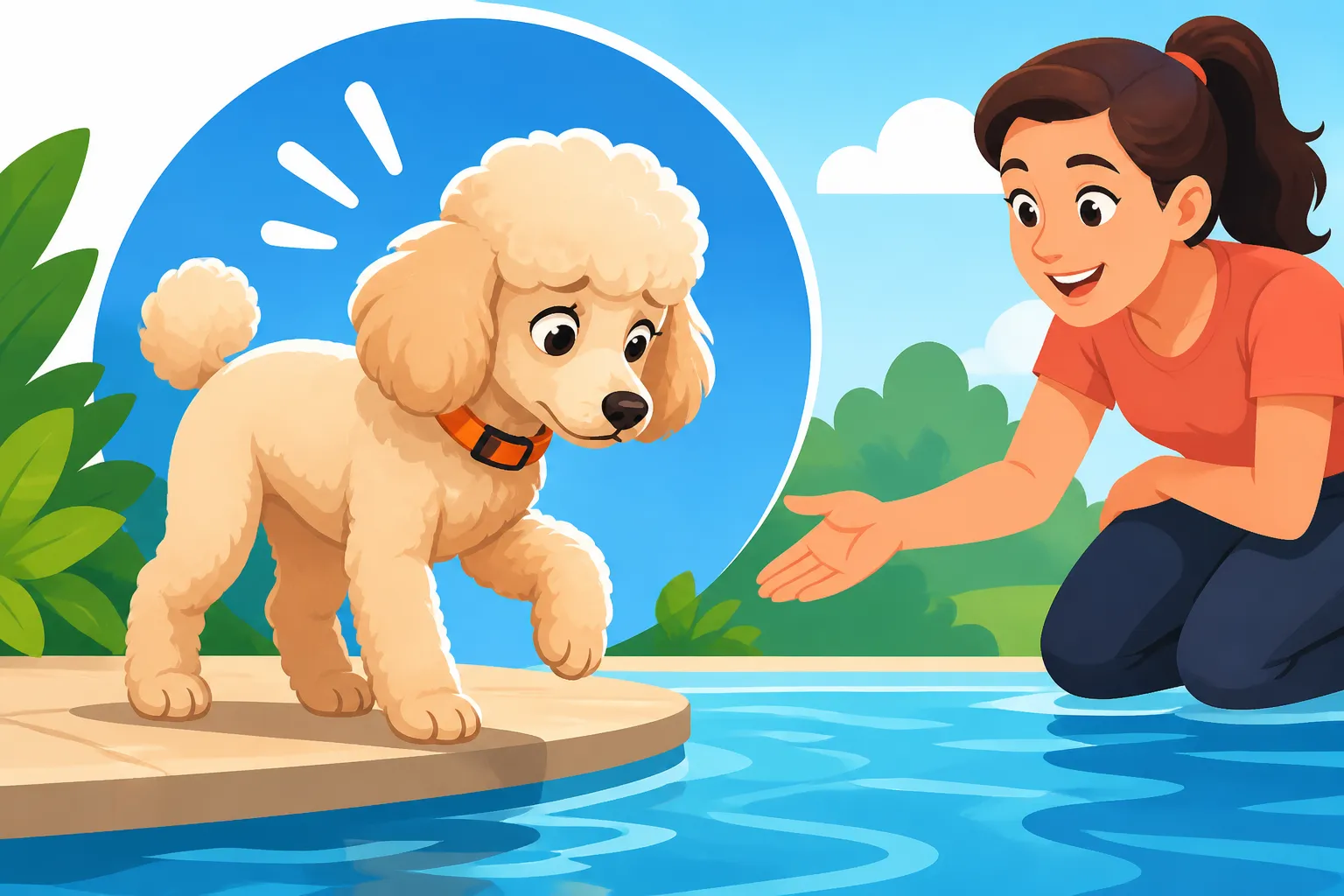
Introducing a Poodle to Water
Even though Poodles were originally bred as formidable water retrievers, don't be surprised if your curly-coated companion doesn't immediately leap into the nearest lake with joyful abandon. Many Poodles, especially those without early, positive exposure, can be quite cautious around water, which can be a real head-scratcher for owners familiar with their breed's aquatic heritage. This comprehensive guide will walk you through how to gently and effectively introduce your Poodle to water, ensuring it becomes a safe and enjoyable experience for both of you.
Understanding the Poodle's Natural Affinity for Water
It’s easy to look at a Poodle and think of fancy show clips and aristocratic bearing, but underneath all that carefully sculpted hair lies a true working dog with a rich history tied directly to water. Understanding this heritage can help you appreciate why, even if your Poodle is hesitant at first, their instinct to splash and retrieve is often just waiting to be awakened.
The Poodle's History as a Water Retriever
The very name "Poodle" comes from the German word "Pudel" or "Pudelin," meaning "to splash in the water." This isn't just a coincidence; these dogs were originally bred centuries ago in Germany as waterfowl retrievers. Imagine hunters needing a dog agile enough to plunge into cold, marshy waters to fetch ducks and geese, and smart enough to follow complex commands. That's your Poodle's ancestor!
Their distinctive coat, which we now primp and style, wasn't just for looks back then. It was incredibly functional. The thick, dense curls were essentially a built-in wetsuit, providing insulation against icy waters. Hunters would often clip parts of the coat for mobility, leaving "puffs" of hair over joints and vital organs to keep them warm – a practical design that eventually evolved into the elaborate show clips we see today. So, when you look at your Poodle, remember you're seeing generations of dedicated water dogs. This innate The Water Dog Behind the Poodle desire to work in and around water is a powerful force, even if modern living has sometimes made it dormant. For many Poodles, especially Standards, this instinct is still quite strong, but even Miniature and Toy Poodles can often tap into it with the right encouragement.
Why Some Poodles Might Be Hesitant
Despite their incredible lineage, it's completely normal for some Poodles to be wary of water. We live in a different world now, and not every Poodle puppy gets that early, natural exposure to lakes or streams that their ancestors did.
Think about it: many modern Poodles are raised in homes or apartments, and their primary experience with water might be a bath in a slippery tub, which isn't always the most joyous occasion. If they've had a negative experience, like being accidentally pushed into a pool or startled by a cold hose, they might develop an aversion. Furthermore, every dog has an individual personality. Some Poodles are naturally bolder and more adventurous, while others are more cautious and Poodle Temperament and Sensitivity sensitive. They might need a bit more time and a gentler approach to feel safe and secure. It's not a reflection of their breed; it's just their unique way of approaching new things. Don't take it personally or assume your Poodle is "broken" if they don't immediately take to swimming. Patience and a positive attitude on your part will make all the difference.
Preparing for Your Poodle's First Swim
The key to a successful introduction to water is preparation. You want to set your Poodle up for success by choosing the right environment, having the necessary gear, and fostering a positive mindset even before their paws touch the water. Rushing this stage can backfire and create unnecessary fear.
Choosing the Right Location and Time
Location, location, location! This is perhaps the most critical factor for a positive first water experience. Forget the deep end of the public pool or a fast-flowing river. You want calm, shallow water where your Poodle can easily stand, feel the bottom, and retreat if they feel overwhelmed.
Consider starting with a small kiddie pool in your backyard. This offers a controlled, non-threatening environment where they can investigate at their own pace. If you're venturing out, look for a lake or pond with a very gradual, sandy entry. The water should be still, clear, and free of strong currents or steep drops. Avoid areas with sharp rocks, broken glass, or potentially harmful algae blooms. A warm, sunny day is also ideal. Cold water can be a shock, and shivering won't encourage a love of swimming. You want the experience to be pleasant and comfortable, not chilling or scary. Remember, a bad first experience can be really hard to undo.
Essential Gear for Water Adventures
Just like you wouldn't head to the beach without your sunscreen and towel, your Poodle needs some specific gear for safe and enjoyable water time.
First and foremost, a well-fitting dog life vest is non-negotiable, especially for first-timers or when venturing into deeper water. Even Poodles, with their natural ability, can tire quickly or panic if they feel unsupported. A good life vest provides buoyancy and helps them maintain a horizontal swimming position, which is more efficient and less stressful than paddling vertically. Look for vests with a handle on the back for easy lifting, and ensure it fits snugly but comfortably. Brands like Outward Hound are often popular and can be found readily on Amazon.
Secondly, if you're near open water, a long line (a 20-30 foot leash) can be a lifesaver. It allows your Poodle freedom to explore the water's edge while still giving you control and preventing them from darting into dangerous areas or getting lost. You'll also want to bring buoyant, water-friendly toys. A favorite rubber duck or floating fetch stick can be a powerful motivator to enter the water. Don't forget fresh drinking water and a bowl – even if they're playing in water, they shouldn't be drinking from potentially contaminated sources. Finally, plenty of towels are essential for post-swim drying, and a good dog shampoo for a thorough rinse later. This is crucial for Poodles to prevent skin irritation and matting after swimming in lakes, rivers, or especially chlorinated pools. Consider what you might need when grooming and bathing at home, as post-swim care is equally important for their unique coat.
Building Positive Associations Away from the Water
Before you even get close to the water, you can start building positive associations. The goal here is to create excitement and curiosity, not fear or pressure.
Start by simply hanging out near the chosen water spot. If it's a kiddie pool, let it sit in the yard empty for a while, allowing your Poodle to sniff and investigate it without any pressure. Once you add a few inches of water, toss some high-value treats around the edge of the pool. Let them retrieve the treats without forcing them to step into the water. If you're at a lake or beach, just spend time playing fetch or doing some obedience exercises on the sand or grass a safe distance from the water's edge. Bring their favorite squeaky toy or a tug rope and make it a party. Offer lots of praise, happy tones, and delicious rewards for calm, happy behavior in the vicinity of the water. If there are other calm, happy dogs swimming nearby, let your Poodle observe them from a distance. Sometimes seeing another dog having fun can pique their interest. The key is to keep these initial "pre-water" sessions short, positive, and entirely on your Poodle's terms. You want them to associate the smell and sight of water with good things happening, not with being forced into something scary.
Step-by-Step Introduction to Water
Once you've done your prep work and gathered your gear, it's time for the actual introduction. Remember, patience and a gentle approach are paramount. Think of yourself as a guide, not a drill sergeant.
The Gentle Approach: Toes First
This is where the magic begins – or at least, the gentle encouragement. The absolute golden rule here is: never, ever force your Poodle into the water. No throwing them in, no dragging them by the leash. This will only create trauma and make future attempts much harder.
Start by simply walking to the very edge of the water with your Poodle on a leash (even a regular leash will do for shallow water, if a long line feels like too much initially). Let them sniff and explore. If they only dip a paw, celebrate that! Offer a high-value treat and enthusiastic praise. You can try tossing a favorite buoyant toy just at the water's edge, close enough that they can reach it without fully stepping in, but tempting enough that they might consider a small step. Another effective technique is to walk into the very shallow water yourself – just enough to get your ankles wet – and calmly invite your Poodle to join you. Poodles are often very bonded with their owners and may be more willing to try something new if you're right there with them, providing comfort and reassurance. Keep your voice calm and encouraging, not excited or high-pitched, which can sometimes convey anxiety to sensitive dogs. The goal is a relaxed curiosity, not frantic energy. Every tiny step forward, even if it's just a splash with a paw, deserves a reward.
Gradual Progression to Deeper Water
Once your Poodle is comfortable splashing around in ankle-deep water, you can slowly, gradually, move a little deeper. This is where that life vest really earns its keep. Before going deeper than their chest, put the life vest on them. It provides incredible confidence and takes away the fear of sinking, allowing them to focus on the movement of paddling.
Continue to walk into the water yourself, inviting them to follow. Toss their floating toy a little further out, encouraging them to paddle a few strokes. You can also support them gently under their belly as they start to paddle, helping them understand the motion and feel secure. Watch their body language closely. Are they still wagging their tail? Are their ears relaxed? Are they trying to move forward or looking for an escape? If you see any signs of stress – tail tucked, ears back, excessive panting, trying to climb on you – back off immediately and return to shallower water or end the session. It's much better to end on a positive note, even if it's just a brief splash, than to push them into a negative experience. Remember that swimming is hard work, especially for a new swimmer. Keep these sessions relatively short to prevent fatigue and ensure they remain fun. Swimming With a Poodle Bred to Retrieve is a natural talent, but conditioning is still important.
Positive Reinforcement and Play
Throughout this entire process, positive reinforcement is your most powerful tool. Every interaction with the water, no matter how small, should be met with effusive praise, happy vocalizations, and high-value treats.
Make water time a game! Fetch with a floating retrieve toy is perfect for Poodles, given their natural The Poodle's Retrieving Instinct. If they bring the toy back from the water, make a huge fuss! Tug with the toy on the shoreline can also build excitement. The idea is to associate water not with a chore or a scary unknown, but with fun, play, and rewards. Avoid making it feel like a "training session" with strict commands at first; focus purely on enjoyment. Even if they just stand in the water and look at you, that's progress! Give them a treat. When using positive reinforcement, remember the principles taught by many excellent trainers. BAXTER & Bella, for example, emphasizes building a strong foundation of trust and motivation, which applies just as much to new experiences like swimming as it does to basic obedience. Their approach focuses on creating eager learners through positive experiences, which is exactly what you need when introducing your Poodle to water. Keep the mood light, keep the treats flowing, and most importantly, keep it fun!
Addressing Common Challenges and Ensuring Safety
Even with the best intentions and preparations, you might encounter some bumps along the road. It's crucial to know how to handle these challenges and, above all, how to ensure your Poodle's safety in and around water.
What to Do If Your Poodle is Scared or Hesitant
Despite your best efforts, some Poodles might remain stubbornly scared or hesitant around water. This isn't a failure on your part, nor theirs. It simply means you need to adjust your approach and dial up the patience even further.
First, don't give up immediately, but also don't push too hard. If your Poodle shows persistent fear (e.g., pulling away, shaking, trying to climb out of the water), retreat. Go back to an even shallower step or just playing near the water, not in it. Re-evaluate if there might be an underlying issue: Is the water too cold? Is the entry slippery? Is there a strange smell or sound that's alarming them? Sometimes, a very small, confined space like a bathtub (if they don't already hate baths) or a small plastic tub can feel safer than a vast open lake. You can put just an inch or two of water in and scatter some treats, allowing them to simply step in to retrieve them.
For some dogs, seeing a confident canine companion swim can be a powerful motivator. If you have a friend with a calm, water-loving dog, a supervised playdate might help. But be careful: an overly boisterous dog could overwhelm your Poodle and make things worse. Always ensure the other dog is gentle and respectful of your Poodle's space. Ultimately, some Poodles may simply never love swimming, and that's okay. The goal is for them to be comfortable enough to be safe around water, not necessarily to become Olympic swimmers.
Water Safety and Post-Swim Care
Once your Poodle starts enjoying the water, safety becomes an ongoing priority. Even strong swimmers can get into trouble. Never leave your Poodle unsupervised near any body of water, even if it's just a kiddie pool. Drowning can happen quickly and silently. Always keep an eye on them for signs of fatigue – excessive panting, lagging behind, or struggling to keep their head above water. If you see these signs, it's time for a break or to end the session.
After every swim, regardless of the water source, a thorough rinse is essential. Poodle coats are famous for holding onto everything, and pond scum, chlorine, salt, and sand can cause severe skin irritation, dryness, and matting. Rinsing Chlorine From a Poodle Coat is crucial if you've been in a pool. Use a mild dog shampoo and conditioner to clean their coat properly. Pay special attention to their ears. Poodles have drop ears, which create a warm, moist environment perfect for bacteria and yeast to grow, leading to painful Ear Infections Under a Poodle's Drop Ears. Dry them thoroughly with a towel and a low-heat dryer, ensuring the ear canals are as dry as possible. Finally, properly drying their coat is not just for comfort; it prevents matting that can lead to hot spots and other skin issues. A high-velocity dryer, if they're accustomed to it, can be incredibly helpful for getting their dense coat completely dry, especially if you want to avoid mats and keep their coat looking its best. Think about your regular Bathing and Drying a Poodle routine and apply those same principles.
Long-Term Water Enjoyment
Once your Poodle is a confident and happy swimmer, the world of water activities opens up! Keep things interesting by exploring different safe water locations – local lakes, dog-friendly beaches, or even specialized canine swimming pools. Remember that routine vet checks, including attention to ears and skin, are important, especially for active Poodles.
For many Poodles, especially Standards, their retrieving instinct makes them naturals for activities like retrieving dummies from water or even competitive Dock Diving With a Standard Poodle. These activities provide excellent physical and mental exercise, tapping into their natural drive. Just be mindful of their age and physical condition when considering strenuous activities. An older Poodle, for example, may not have the stamina for long swims or vigorous fetching sessions. Continue to reinforce positive associations with water. Make it a joyful part of your shared life, a special treat they look forward to. Always remember to check the water quality before letting them dive in, and be mindful of extreme weather conditions. Hot pavement before a swim, or very cold water, can be dangerous. With careful attention to safety and continued positive experiences, your Poodle can enjoy a lifetime of splashing fun.
Disclaimer
This article is for general informational purposes only and does not constitute professional advice. Laws, prices and regulations vary by location and change over time. Consult a qualified professional for guidance on your specific situation.