Whether a Pet Poodle Can Still Hunt
Many Poodle owners, admiring their sophisticated, often impeccably groomed companions, might never guess that deep within their Poodle's DNA lies the heart of a robust working dog. It can be frustrating when your otherwise calm Poodle suddenly exhibits intense prey drive or an undeniable love for muddy water, seemingly at odds with their "fancy" reputation. This guide will delve into the Poodle's historical roots as a hunter, help you recognize these latent instincts in your beloved pet, and offer practical, engaging ways to channel that natural drive in a fulfilling and appropriate manner for a modern pet Poodle.
The Poodle's Hidden History as a Hunter
It's a common misconception that Poodles were always the prim and proper show dogs we often see today, complete with elaborate clips and dainty attitudes. The truth is far more rugged and steeped in history. The very name "Poodle" comes from the German word "Pudel" or "Pudelin," meaning "to splash in the water." This isn't just a charming anecdote; it's a direct reference to their original purpose: water retrieving. They were bred not for sitting on laps, but for plunging into icy lakes and marshes to bring back downed waterfowl for hunters.
For centuries, Poodles, particularly the ancestors of our modern Standard Poodle, were indispensable working dogs in European hunting circles. Their dense, curly coats, which rarely shed, offered superb insulation against cold water, and their webbed feet were perfectly designed for powerful swimming. The distinctive Poodle clip, often thought to be purely aesthetic, actually originated as a practical working trim. Hunters would shave certain areas of the dog to reduce drag in the water, leaving hair on joints and vital organs to protect them from the cold. Why the Poodle Clip Was a Working Design This speaks volumes about their active, utilitarian past, far removed from the salon floor.
Recognizing the Hunting Instincts in Your Pet Poodle
Even generations removed from the duck blinds and muddy fields, many pet Poodles still carry a strong echo of their ancestors' purpose. These instincts don't always manifest as a desire to catch dinner, but rather as behaviors that hint at their original job. Observing your Poodle's play, reactions to certain stimuli, and general preferences can offer clues to their inner water dog or retriever.
The Unmistakable Drive to Retrieve
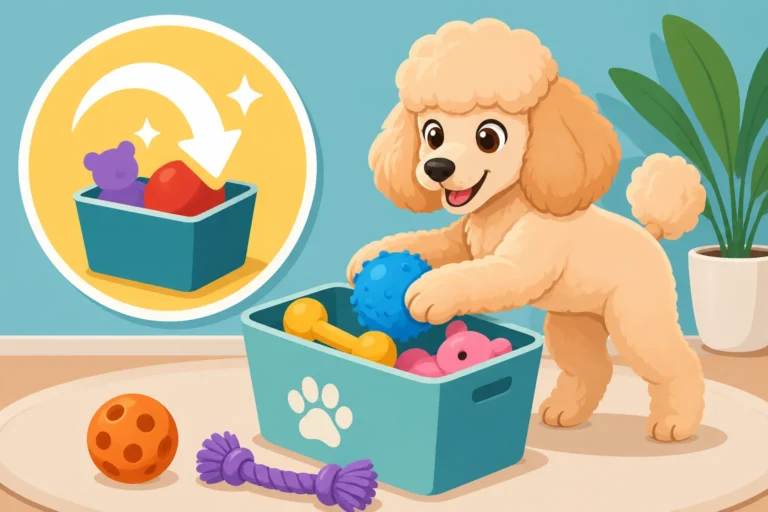
One of the most obvious signs is their inherent love for retrieving. While many dogs enjoy a game of fetch, Poodles often take it to another level. They might bring you a toy, drop it expectantly, and eagerly wait for you to throw it again, often repeating this cycle for as long as you'll engage. This isn't just about play; it's a deep-seated satisfaction derived from the act of "bringing back." A Poodle's intelligence, combined with this instinct, means they often understand the game remarkably quickly. You'll notice they don't just chase the item; they actively seek it out, pick it up, and bring it directly back to you, often with a proud gait. Why Poodles Retrieve So Naturally
You might even find your Poodle trying to "retrieve" things you haven't thrown, like a dropped sock or a stray leaf in the yard. This drive isn't limited to toys; it's an urge to pick up and carry, often delivering items to their chosen human. This natural inclination makes them fantastic candidates for formal retrieve training, whether for fun or for more serious sporting endeavors.
A Natural Affinity for Water
Despite their reputation for delicate coats, many Poodles simply adore water. A splash in a kiddie pool, a romp through sprinklers, or an enthusiastic plunge into a lake or ocean can reveal their true nature. They're often strong, graceful swimmers, using their powerful hindquarters and webbed feet with remarkable efficiency. Some Poodles will actively seek out water, whether it's a puddle on a walk or the tempting expanse of a beach.
This love for water isn't just about cooling off on a hot day; it's a genetic predisposition rooted in their history as waterfowl retrievers. They were bred to spend hours in and out of the water, retrieving birds. If your Poodle seems drawn to water like a magnet, it's not unusual – it's simply their heritage shining through. Embracing this trait can open up a world of fun and exercise, from casual dips to more structured water activities. Water Work and the Poodle
Scenting and Alertness
Poodles are remarkably intelligent and possess keen senses, including an excellent sense of smell. You might notice your Poodle's nose constantly to the ground during walks, intently following a scent trail. They can be incredibly focused when tracking, sometimes appearing almost oblivious to their surroundings as they unravel a complex olfactory puzzle. This focused scenting behavior is another remnant of their hunting past, where locating downed game by smell was crucial.
Beyond scenting, Poodles are also very observant and alert. They often pick up on subtle changes in their environment, whether it's a distant rustle in the bushes or an unfamiliar sound. This alertness, while sometimes manifesting as barking at visitors, also stems from their working dog heritage, where being aware of their surroundings was essential for successful hunting and guarding. Their ability to quickly process information and react makes them excellent students in scent work games or even more advanced tracking sports.
Channeling the Inner Hunter: Activities and Training
You don't need a shotgun and a duck blind to satisfy your pet Poodle's hunting instincts. There are countless ways to engage their natural drives that are both fun and appropriate for a domestic setting. These activities provide vital mental and physical stimulation, helping to keep your Poodle happy, healthy, and out of mischief. Remember, a bored Poodle is often a mischievous Poodle! Keeping a Poodle Mind Occupied
Structured Retrieving Games
Moving beyond simple fetch, you can make retrieving more challenging and rewarding. Start by hiding toys in easy-to-find spots and gradually increase the difficulty. You can use different types of retrieving dummies, including those designed for water work, even if you're only using them in a backyard pool. Encourage your Poodle to use their nose to find the hidden item before bringing it back.
For a more advanced challenge, consider introducing "blind retrieves," where your Poodle doesn't see where the item lands. This forces them to rely on your directions and their own scenting abilities, just like a true working retriever. This kind of structured play provides immense mental engagement and reinforces the bond between you and your dog. Companies like Amazon offer a wide array of retrieving dummies and training aids that can help you get started.
Scent Work and Nose Games
Scent work is a fantastic way to tap into your Poodle's natural olfactory abilities. It's mentally exhausting for dogs in the best possible way and requires very little space or special equipment. You can start with simple "find it" games, hiding treats around the house and encouraging your Poodle to sniff them out. Gradually, you can introduce more complex scenarios, like hiding treats under cups or inside puzzle toys. Scent Games That Stretch a Poodle's Mind
For those interested in a more formal approach, explore canine nose work classes. These classes teach dogs to identify and locate specific scents, much like detection dogs. It's a sport that builds confidence and provides an incredible outlet for their natural drives. Even if you never compete, the joy your Poodle gets from solving a scent puzzle is priceless.
Water Sports and Dock Diving
If your Poodle loves water, dive headfirst into water-based activities! Supervised swimming in lakes, rivers, or even pools can be excellent exercise and a huge mental boost. Always ensure the water is safe, clean, and free of strong currents, and supervise your Poodle at all times.
For the truly water-loving Poodle, dock diving is an exhilarating sport where dogs run down a dock and jump into a pool, competing for distance or height. This high-energy activity is a fantastic way to combine their retrieving drive with their love for water and athleticism. Many communities have dog parks with dedicated swimming areas or clubs that offer dock diving training. It's a spectacle to behold and provides an incredible physical workout.
Field Training and Hunt Tests
For the dedicated owner, or those with a Standard Poodle that has particularly strong retrieving instincts, engaging in formal field training or hunt tests can be incredibly rewarding. These events, often sanctioned by kennel clubs, simulate hunting scenarios and assess a dog's natural abilities and training in retrieving. While you might not be a hunter yourself, the structured environment provides an incredible outlet for your Poodle's inherited skills.
Organizations like the AKC (American Kennel Club) offer various titles and tests for retrieving breeds, including Poodles. This involves everything from retrieving dummies on land and water to demonstrating steadiness and obedience in a simulated field environment. Poodle Hunt Tests and Field Work It's a significant commitment, but seeing your Poodle excel at what they were originally bred to do is truly special. Online platforms, such as those associated with BAXTER & Bella, often provide excellent resources and guides for training a well-behaved and engaged dog, which forms the foundation for any advanced activity like field work.
Is True Hunting for a Pet Poodle a Realistic Goal?
While your pet Poodle can certainly develop impressive retrieving skills and participate in activities that mimic hunting, the question of whether they can engage in "true hunting" is more complex. For most pet owners, the goal isn't to take their Poodle into the field during hunting season, but rather to provide outlets for their natural instincts.
The Modern Pet Poodle vs. the Working Poodle
A true hunting dog requires specific breeding for temperament, drive, and physical soundness that goes beyond what many pet Poodles possess. While the instinct is there, the intensity and focus needed for actual hunting are often cultivated over generations of selective breeding for that specific purpose. A Poodle from a reputable breeder focused on working lines would have a different set of predispositions than one bred primarily for conformation or companionship. Most pet Poodles, while intelligent and eager, may not have the extreme drive or exposure necessary for sustained, successful hunting in a real-world scenario.
Furthermore, true hunting involves ethical considerations, licensing, and often a deep understanding of local wildlife and regulations. For the average pet owner, this is a significant undertaking that might not align with their lifestyle or beliefs. The good news is that you don't need to become a hunter for your Poodle to fulfill their genetic destiny.
Focus on Instinctual Fulfillment, Not Literal Hunting
The real value for a pet Poodle is in fulfilling their instincts, not necessarily performing the literal act of hunting. Through games, sports, and training, you can provide an enriching environment that taps into their drive to retrieve, use their nose, and work cooperatively with you. This provides immense satisfaction for the dog and strengthens your bond.
Think of it as channeling their "inner hunter" into productive, fun, and safe activities. A Poodle that gets to use its brain and body in ways that align with its natural predispositions is a much happier, calmer, and more well-adjusted dog. Whether it's a vigorous game of retrieve in the park, a challenging scent puzzle in the living room, or a thrilling dip in the lake, you're honoring their heritage and providing them with a truly enriched life. The Poodle's Retrieving Instinct
Here's a quick comparison of activities that channel hunting instincts:
| Activity | Primary Instinct Tapped | Equipment Needed | Time Commitment | Space Required | Level of Difficulty |
|---|---|---|---|---|---|
| Basic Fetch | Retrieving, play drive | Toy/ball | Low | Backyard, park | Easy |
| Scent Games | Scenting, problem-solving | Treats, puzzle toys | Low-Medium | Indoors, backyard | Easy-Medium |
| Structured Retrieve | Retrieving, obedience, focus | Dummies, training aids | Medium | Park, open field | Medium |
| Swimming/Water Play | Water affinity, physical exercise | Life vest (optional) | Low-Medium | Pool, lake, beach | Easy-Medium |
| Dock Diving | Water affinity, retrieving, athleticism | Dock, pool, specific training | Medium-High | Specialized facility | Medium-High |
| Formal Hunt Tests | Retrieving, steadiness, obedience, scenting | Dummies, training fields, experienced trainers | High | Field, water bodies | High |
Ultimately, your pet Poodle can absolutely embrace their hunting heritage, just perhaps not in the way their ancestors did. By understanding their history and providing constructive outlets for their instincts, you'll uncover a side of your Poodle that is intelligent, athletic, and deeply satisfied by meaningful "work." What a Poodle Does When Its Brain Is Idle
Disclaimer
This article is for general informational purposes only and does not constitute professional advice. Laws, prices and regulations vary by location and change over time. Consult a qualified professional for guidance on your specific situation.